- Shift from “Individual Chores” to “Team Missions”: Neurodiverse children often struggle with isolated tasks; framing chores as collaborative missions reduces the cognitive load of initiation.
- Leverage Executive Function Strengths: Pair siblings based on complementary strengths rather than equal work, ensuring the neurodiverse child is supported in areas like task sequencing while leading in areas of interest.
- Visual Systems are Non-Negotiable: Use externalized, tactile, or digital visual aids to manage expectations, as internalizing verbal instructions is frequently a point of failure for neurodivergent brains.
If you find that “cleaning the playroom” results in a meltdown rather than a tidy room, you aren’t alone. In many neurodiverse households, the standard approach to chores—assigning individual tasks to individual children—often backfires. When one child struggles with executive dysfunction, sensory processing, or emotional regulation, a simple command like “clean your room” can feel like an insurmountable mountain.
The solution isn’t to work harder; it’s to change the architecture of the task. By moving toward a “Sibling-Cooperation” model, you stop asking children to manage complex sequences independently and start providing the structural “scaffolding” they need to succeed as a team. This isn’t just about getting the dishes done; it’s about teaching the social and cognitive mechanics of cooperation in a low-stakes environment.
Why Traditional “One-Child, One-Task” Systems Often Fail
Most parenting advice suggests that autonomy is the goal. We want our kids to be self-starters. However, for a child with ADHD, Autism, or other neurodivergent profiles, the “autonomy” of a chore is often a trap. The cognitive steps required to clean a space—identifying the goal, categorizing items, sequencing the actions, and maintaining focus—require a level of executive function that may not be fully developed.
When you assign a task to one child, they are left to navigate these hurdles alone. If they hit a “wall”—perhaps they get distracted by a toy they find while cleaning—they have no immediate feedback loop to get back on track. This leads to frustration, procrastination, and, eventually, the “chore battle” that leaves parents exhausted.
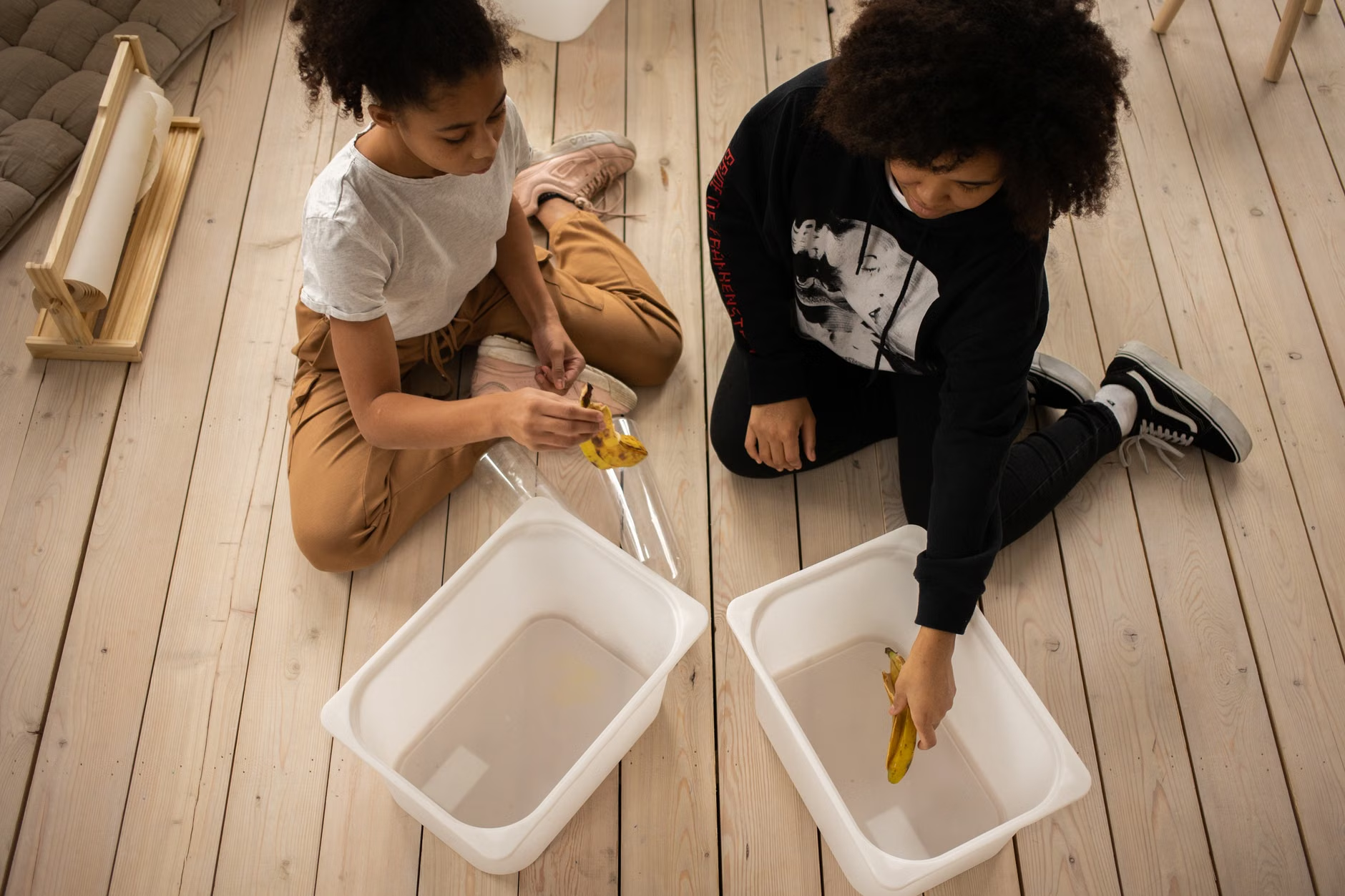
Cooperative chores change the dynamic. By pairing a neurodiverse child with a sibling, you introduce an external “anchor.” One child might excel at categorization, while the other might be better at physical movement. When they work together, they are not just cleaning; they are negotiating, communicating, and co-regulating. You are moving the focus from output (a clean room) to process (working together).

Designing the “Cooperative Mission” Framework
To successfully implement this, you must stop treating chores as “work” and start defining them as “missions.” A mission has a clear start, a defined objective, and a specific reward or closure point. When you assign a mission to a sibling team, the role of the parent shifts from “taskmaster” to “mission control.”
Step 1: Assessing Complementary Strengths
Before you assign a mission, take an inventory of your children’s cognitive styles. Do not focus on age. A 10-year-old might have lower executive function than their 8-year-old sibling. Ask yourself: Who is the “Planner” (the one who can visualize the end state) and who is the “Doer” (the one who enjoys repetitive physical actions)?
| Role | Task Responsibility | Best Suited For |
|---|---|---|
| The Architect | Categorizing, sorting, labeling, checking the list. | Children who need visual structure and order. |
| The Engine | Moving items, vacuuming, carrying, physical labor. | Children who need sensory input or struggle with focus. |
| The Monitor | Updating the progress chart, setting the timer. | Children who find comfort in rules and “official” systems. |
If you have a child who struggles with sensory overload, don’t put them in charge of the “Engine” role if the task involves loud noises or heavy lifting. Assign them the “Architect” role, where they can sit and organize items into bins. The goal is to minimize friction, not to force “fairness” in the traditional sense.
Step 2: Externalizing the Workflow
Neurodiverse brains often struggle with “working memory”—the ability to hold information in your head while working. If you tell them three things to do, they will likely forget two. You must externalize the task. This means using physical checklists, magnetic boards, or even color-coded bins.
For a mission like “Clean the Living Room,” create a visual map. Use photos of the room in its “clean” state as a target. Break the room into “zones.” Child A is responsible for Zone 1 (the bookshelf), and Child B is responsible for Zone 2 (the floor). They are allowed to cross over to help each other, but the primary ownership provides a sense of agency.
Step 3: Implementing the “Timer-Transition” Rule
One of the biggest triggers for neurodiverse children is the transition—stopping what they are doing to start a chore. Use a “Time-Boxed” system. Set a timer for 15 minutes. Tell them, “We are not finishing the whole room; we are just working for 15 minutes.” This creates a clear end-point, which reduces anxiety.
When the timer goes off, the mission is officially “paused.” This gives them a sense of control. If they are in the middle of a flow state, they might choose to continue, but the requirement to stop is removed, which often makes them more willing to start in the first place.
Common Pitfalls and How to Pivot
Even with the best planning, things will go wrong. It is important to anticipate these hurdles so you can pivot without losing your cool.
The “Unequal Effort” Argument
One child will inevitably complain that the other is doing less. This is the most common point of failure. Instead of mediating the “fairness,” pivot to the “team goal.” Remind them that the mission is only complete when the entire space is finished. If one child is struggling, the other is encouraged to “assist” rather than “complain.” This fosters a culture of mutual support rather than competitive tallying.
The “Distraction Spiral”
If your children start playing with the toys they are supposed to be cleaning, don’t treat it as a moral failing. It is a biological response to the stimuli. Instead of scolding, use a “Redirecting Anchor.” Keep a small, non-distracting item—like a specific “Mission Token”—that they must hold while they work. If they lose focus, they have to return the token to the “Mission Control” (you) to get a new instruction.
Building Long-Term Executive Function
The ultimate goal of sibling-cooperation is to build the “muscles” of executive function. By repeatedly engaging in these structured tasks, children learn to:
- Break large projects into manageable steps.
- Recognize when they are becoming overwhelmed and ask for help.
- Validate the work of others, which builds empathy.
Over time, you can gradually reduce the amount of scaffolding you provide. Start with detailed checklists, and slowly move to simple “Mission Cards.” Eventually, they may be able to initiate a task with only a verbal prompt. This is a multi-year process, not a weekend project.
Managing Expectations for Parents
As a parent, you need to be the “Emotional Regulator” of the household. If you are stressed, they will be stressed. If you approach the chore time with a sense of dread, they will mirror that energy. Frame these sessions as “Household Maintenance Time”—a neutral, non-punitive part of the daily rhythm.
Avoid tying chores to rewards like screen time or allowance if possible. While this works for some, it often creates a “transactional” mindset that can be detrimental to neurodiverse kids who may already feel like they are constantly “paying” for their behavior with good performance. Instead, use the natural reward of a clean, calm space. Celebrate the completion of the mission with a shared activity, not a bribe.

Frequently Asked Questions
What if my children simply refuse to cooperate with each other?
If the tension is too high, suspend the “Sibling-Cooperation” model temporarily. Return to individual, low-stakes tasks for a few days to reset. Often, children need to feel successful individually before they can handle the complexity of collaboration. Do not force the teamwork aspect if it is actively causing conflict; focus on the individual’s ability to complete one small, defined task first.
How do I handle chores when one child is significantly younger or has higher support needs?
In this case, the older or more capable child should act as the “Team Lead.” Give them the responsibility of “Supervising” a specific, very simple task for the younger sibling. This builds leadership skills in the older child and provides the younger child with a “buddy” rather than a boss. Ensure the “Team Lead” is praised for their patience and guidance, not just for the speed of the work.
Is it okay to lower the standard of “clean” for the sake of the process?
Absolutely. In a neurodiverse household, the process of working together is vastly more important than the result of a perfectly clean room. If the room is “mostly” clean but the children worked together without a meltdown, you have achieved a major success. Perfectionism is the enemy of progress here; focus on the habits, not the aesthetics.
Final Thoughts: The Long Game
Teaching cooperation to neurodiverse children is an exercise in patience and precision. You are helping them build an internal framework for managing their world, one small mission at a time. Do not measure success by the cleanliness of your baseboards, but by the reduction in friction and the increase in their ability to function as a team.
By removing the individual pressure and replacing it with collaborative support, you aren’t just making your life easier—you’re equipping them with a vital life skill: the ability to ask for help and offer it in return. Stick to the visual aids, keep the missions short, and remember that every small success is a step toward greater independence.
For further reading on executive function and household management, the CHADD (Children and Adults with Attention-Deficit/Hyperactivity Disorder) resource center provides extensive evidence-based strategies for managing daily life at home.