- Smart-grid heat pumps allow your heating system to sync with electricity pricing, automatically shifting usage to off-peak hours to save you money.
- As a renter, you cannot always install new hardware, but you can leverage “smart-ready” plug-in controllers or negotiate HVAC upgrades as a condition of lease renewal.
- Efficiency is a shared burden; even without a full heat pump, using smart scheduling and load-shifting during grid-demand peaks can reduce your monthly utility costs by 10% to 20%.
You probably spend your evenings balancing the “mental load” of parenting—managing schedules, keeping the fridge stocked, and trying to keep the electricity bill from ballooning. If you are renting, you likely feel trapped by inefficient, aging HVAC systems that bleed money every time the thermostat clicks on. The promise of “smart-grid” heat pumps—systems that talk to the electrical grid to buy power when it is cheapest—sounds like a dream for homeowners, but for renters, it often feels like a distant luxury. Here is the reality: you don’t need to own the building to start benefiting from the shift toward intelligent energy management.
Why Smart-Grid Integration Matters in Your 30s and 40s
In our 30s and 40s, we are often at a stage where we are hyper-aware of our monthly overheads. Between childcare costs and the rising price of utilities, any technology that promises a “set it and forget it” reduction in expenses is worth investigating. A smart-grid heat pump is not just a heater; it is a communication device. It listens to the grid. When the grid is stressed—usually during peak hours when everyone is home cooking dinner or running the laundry—electricity prices spike. A smart-grid enabled system knows this and will either throttle back its energy consumption or shift its heating cycle to a time when electricity is cheaper or cleaner.
For a renter, the challenge is that you rarely have control over the hardware. Most landlords are not eager to replace a functional, albeit inefficient, gas furnace with a high-end, grid-interactive heat pump. However, the market is shifting. Many regions are now offering massive subsidies for heat pump installations, and as a tenant, you are in a unique position to advocate for these changes. Understanding how these systems work is the first step toward having a productive conversation with your property manager.
The Technical Shift: How Smart-Grid Heat Pumps Actually Work
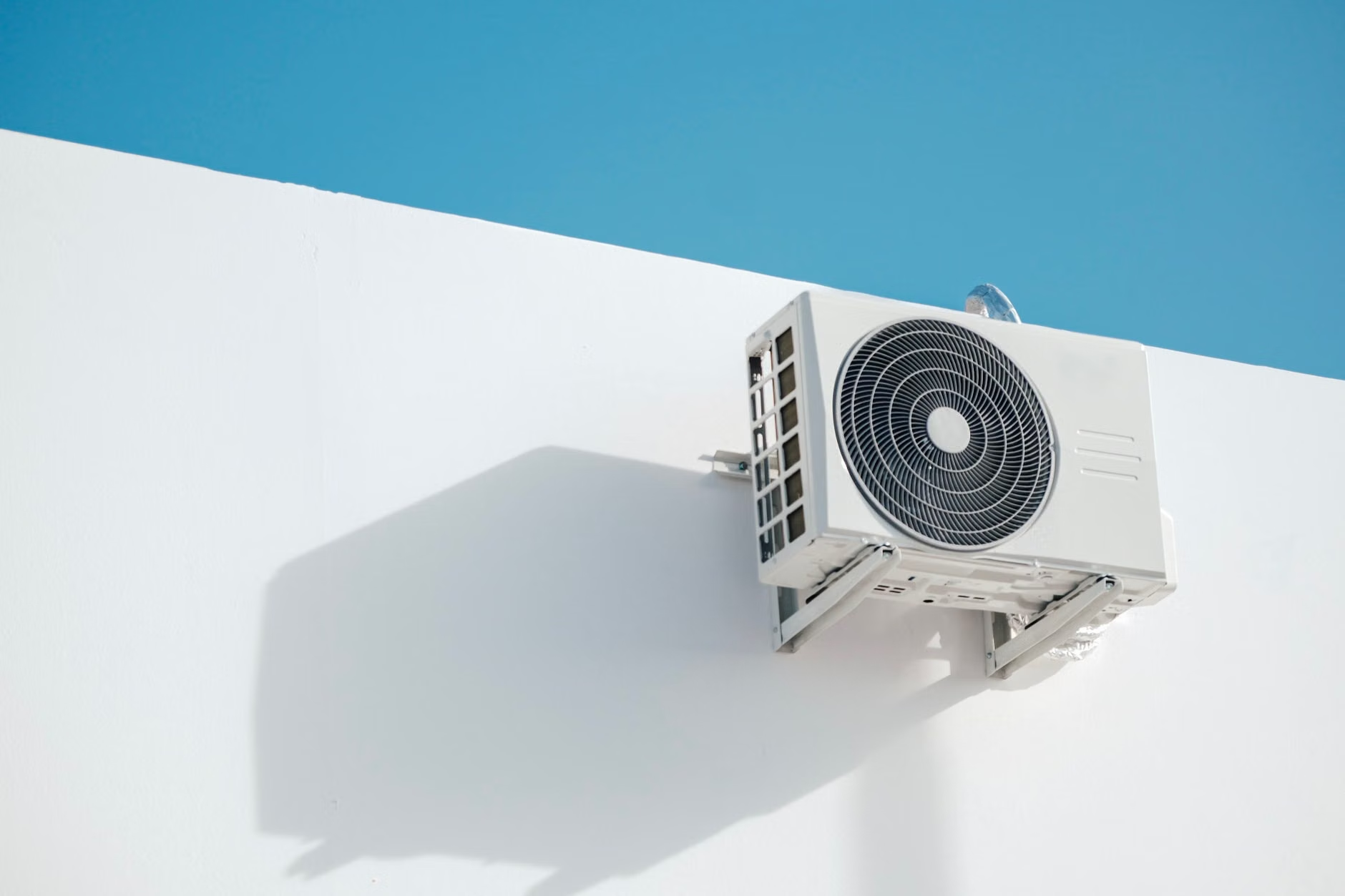
At its core, a heat pump is a mechanical device that moves heat rather than generating it. By using a small amount of electricity to transfer heat from the outside air (yes, even in cold weather) into your home, it is significantly more efficient than electric baseboard heaters or traditional gas furnaces. Adding “smart-grid” capability turns this efficient machine into an active participant in your local energy ecosystem.
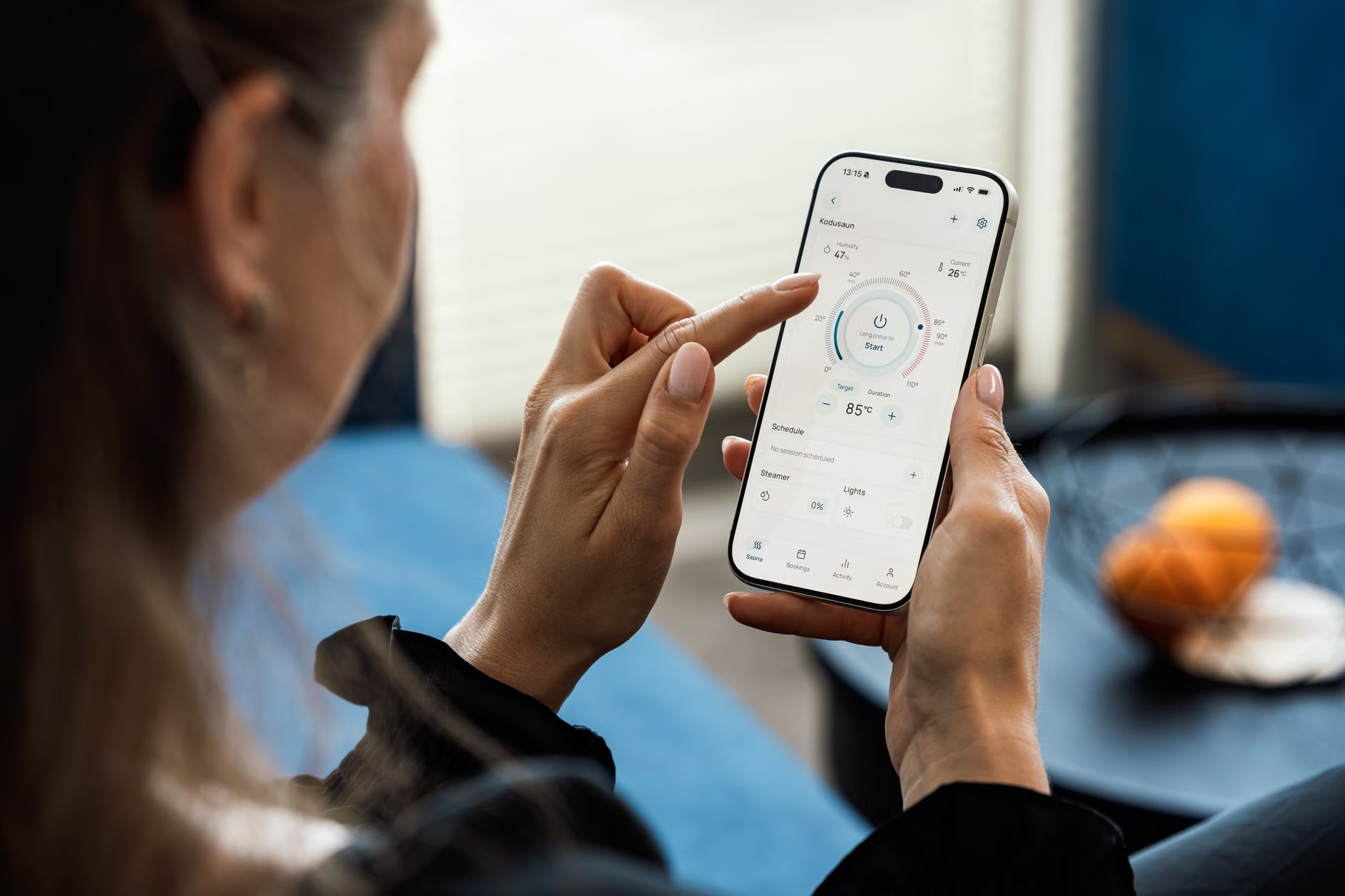
These systems use something called Demand Response (DR). Imagine your utility company sends a digital signal to your home thermostat saying, “Electricity is expensive right now.” A non-smart system would keep chugging along, oblivious to the cost. A smart-grid heat pump receives that signal and says, “Understood. I will pre-heat the living room now while the price is low, and then I will hibernate for the next 30 minutes while prices are high.”
The result for you is a lower bill without a noticeable drop in comfort. Because your home acts like a thermal battery—it holds onto heat for a period after the source is turned off—you rarely feel the difference. For families with children, this is vital; you don’t want a cold living room during playtime, but you also don’t want to pay peak-hour premiums for the privilege of keeping it at 21°C (70°F).
If you are renting, you are limited by your lease agreement. You cannot simply rip out a furnace. However, you can influence the environment you live in. Here is a breakdown of how you can approach energy efficiency based on your living situation.
| Scenario | Actionable Strategy | Expected Impact |
|---|---|---|
| Landlord is open to upgrades | Propose a cost-sharing agreement for a heat pump installation in exchange for a longer lease. Mention local government rebates to reduce their upfront cost. | High: Significant monthly savings and better climate control. |
| Landlord is neutral | Install a smart thermostat (e.g., Nest, Ecobee) if the HVAC system is compatible. These devices often have “Eco” modes that mimic smart-grid behavior. | Medium: Better scheduling and remote control of heating/cooling. |
| Strict lease, no hardware changes | Use smart plug controllers for portable space heaters (only if safe/permitted) and focus on thermal sealing (weather stripping, thermal curtains). | Low to Medium: Reduces heat loss, keeping the home warmer for longer. |
The “common mistake” many renters make is assuming that because they don’t own the home, they have zero agency. This is false. Even if you cannot install a full heat pump, you can use smart energy management systems that interface with your existing HVAC. Many modern smart thermostats are “grid-aware” and can be programmed to prioritize off-peak energy usage even if your furnace isn’t a high-tech model.
Advanced Strategies for Smart Energy Management
To truly master your home’s energy profile, you need to look at your utility provider’s offerings. Many providers now offer “Time-of-Use” (TOU) pricing. If you are not on a TOU plan, you are likely paying a flat rate, which means you are subsidizing your neighbors who use massive amounts of power during peak hours. By switching to a TOU plan, you can save money simply by being intentional about when you run energy-intensive appliances.
For parents, the best strategy is to align your home’s energy “chores” with your family schedule. If you know electricity is cheaper between 10:00 PM and 6:00 AM, that is when you should be running the dishwasher or the dryer. If you have a smart-grid heat pump, it should be configured to do its “heavy lifting” (bringing the home to temperature) just before the peak rate kicks in, using the home’s insulation to coast through the expensive hours.
One overlooked variable is “vampire power.” Even when your devices are “off,” they draw power. In a smart home, this is amplified. If you are going to invest in smart-grid technology, ensure you have a robust home network. A smart thermostat that loses connection to the internet cannot receive price updates from the grid, effectively reverting to a “dumb” thermostat and costing you money.
Common Misconceptions About Heat Pumps
There is a lingering myth that heat pumps “don’t work in cold climates.” This was true twenty years ago. Modern cold-climate heat pumps are designed to operate efficiently even when the temperature drops well below freezing. If you are looking at a potential new rental, check the age and type of the heating system. A property that advertises a “high-efficiency heat pump” is a property that will likely have a lower total cost of ownership for you as a tenant, even if the base rent is slightly higher.
Another misconception is that smart-grid integration is “too complicated” for the average person. It is not. Once you set your preferences in an app—like your preferred temperature ranges and your “sleep” schedule—the system handles the rest. You do not need to be an engineer to benefit from these systems. The complexity is hidden behind an intuitive interface that treats energy like a budget, which is a language most of us in our 30s and 40s already speak fluently.

Step-by-Step: How to Talk to Your Landlord
If you have decided that you want to push for a better heating system, don’t just email your landlord and ask for a “heat pump.” You need to present it as a business case. Property managers and landlords care about two things: property value and tenant retention.
- Do your research on local rebates: Look up government programs in your specific region (e.g., the Inflation Reduction Act programs in the U.S., or similar Green Homes grants in the U.K. or E.U.). Having a specific program name makes you look like a partner, not just a complainer.
- Frame it as an investment: Explain that a heat pump increases the resale value of their property and makes it more attractive to future tenants.
- Offer a trade-off: If you are planning to stay for a few years, offer a longer lease term in exchange for the upgrade. This reduces the landlord’s risk of vacancy, which is their biggest expense.
- Focus on comfort: Mention that the current system is noisy or inconsistent. Landlords are often more motivated by a tenant who might leave because of a bad heating system than by a tenant who just wants to save $20 a month.
If they refuse, don’t take it personally. Use that energy to optimize what you have. Weather-stripping a door or adding heavy thermal curtains can actually provide a better return on investment than a fancy piece of technology if your home is drafty. Always address the “envelope” (the insulation and air-sealing) before you worry about the “source” (the heating system).
The Future of Renting and Energy Autonomy
We are entering an era where energy is becoming a commodity that consumers can manage actively. For renters, this is a slow but steady shift. As more buildings are retrofitted to meet net-zero goals, the demand for smart-grid connectivity will become standard. In the meantime, your best tool is your own data. Start tracking your energy usage daily. Use the apps provided by your utility company. When you see a spike, look at what you were doing. Was it laundry? Was it the heat? Was it the dishwasher?
Understanding your own consumption patterns is the foundation of efficiency. Once you have that data, you can make informed decisions about your lifestyle. Maybe you decide to skip the mid-day laundry cycles, or maybe you adjust your thermostat by two degrees during the peak-price hours. These small changes, compounded over a year, add up to significant savings. It isn’t just about the technology; it’s about the mindset of being an active manager of your home’s resources.
Ultimately, while you wait for the world of renting to catch up to the technology, remember that the most “smart” thing you can do is to be an informed tenant. Keep your systems clean, change your air filters regularly (a dirty filter makes a heat pump work twice as hard), and communicate with your landlord about efficiency. If you are in the U.S., you can check the Department of Energy’s Energy Saver guide to learn more about how these systems function. If you are in the U.K., the Energy Saving Trust provides excellent resources for tenants looking to reduce their carbon footprint and bills.
Take control of your home’s energy, one small change at a time. The technology is getting smarter, and with a little bit of effort, you can make sure your household budget stays as efficient as the systems we are discussing. It is not about perfect execution; it is about consistent, small improvements that make your life, and your wallet, a little bit easier to manage.
Frequently Asked Questions
- Can I install a smart-grid heat pump in an apartment with no balcony?
Generally, no. Most residential heat pumps require an outdoor unit (the condenser) to exchange heat with the air. If you do not have a balcony or exterior wall space, you are likely limited to portable solutions or smart thermostats that optimize your existing central heating. - Are smart thermostats really worth it if I don’t have a heat pump?
Yes. Even with a standard gas furnace or baseboard electric heat, a smart thermostat allows for “setback” scheduling, which reduces heating when you are asleep or away. This can reduce energy consumption by up to 10-15% annually. - How do I know if my utility provider offers Time-of-Use pricing?
Check your most recent utility bill or visit your provider’s website. Most major energy companies now have a “Rate Plans” or “Pricing” section where they disclose whether they offer TOU, demand-response incentives, or “peak-shaving” credits for participating in smart-grid programs.