You can save an average of $2,000 to $5,000 in upfront equipment costs over five years by joining a local tool library instead of purchasing specialized gear for one-off DIY projects.
Key Takeaways
- Financial Efficiency: Tool libraries eliminate the “storage tax”—the hidden cost of buying, maintaining, and housing tools you use less than once a year.
- Skill Acquisition: Many libraries offer workshops or mentorship, turning a simple repair job into a learning opportunity for you and your family.
- Space Optimization: By borrowing bulky items like pressure washers or carpet cleaners, you reclaim valuable square footage in your garage or basement.
We have all been there. It is a Saturday morning, the sun is shining, and you have finally decided to tackle that backyard deck staining project or fix the loose trim in the hallway. You head to the local hardware store, realize you need a specialized power sander or a heavy-duty sprayer, and suddenly, you are looking at a $300 receipt for a tool that will spend the next 364 days gathering dust on a shelf. In our 30s and 40s, when time is our most precious currency and storage space is at a premium, this cycle of consumption is not just expensive—it is unsustainable.
The Hidden Economics of Owning vs. Borrowing
When you purchase a tool, you are paying for more than just the metal and plastic. You are paying for the space it occupies, the depreciation of its value, and the inevitable maintenance required to keep it functional. For a suburban homeowner, the “cost per use” of a high-end power tool—like a wet tile saw or a tall ladder—can be astronomical.
Consider the math: If you buy a $400 pressure washer, use it twice a year for five years, and then sell it for $100, your cost per use is $30. If you borrow that same tool from a community library for a $50 annual membership fee, your cost per use drops to roughly $5. Beyond the immediate cash savings, you avoid the headache of storing a bulky, oily machine that requires periodic servicing.
The “Storage Tax” is real. In many suburban homes, the garage has become a graveyard for semi-functional tools. When you stop buying, you stop managing inventory. This shift in mindset allows you to redirect funds toward higher-quality consumables—like better paint, sustainable lumber, or even family experiences—rather than hardware that sits idle.

How Tool Libraries Work in Practice
Most community tool libraries operate similarly to book libraries. You pay a modest annual membership fee—usually ranging from $30 to $100 depending on your region—and gain access to a catalog of hundreds of items. Some are non-profits, while others are run by local municipal departments. The process generally follows a simple workflow:
- Registration: You sign up online and provide proof of residency.
- Reservation: You browse the inventory on a web portal, checking for tool availability and the duration of the loan (typically 3 to 7 days).
- Pickup and Inspection: You collect the tool, ensuring you understand the safety protocols.
- Return: You return the tool clean and in good working condition.
The most important variable here is maintenance. Because these tools are communal property, the library staff or volunteers typically inspect them after every return. This is a massive advantage over owning your own tools, where you are solely responsible for sharpening blades, changing oils, or replacing batteries. If a library tool breaks during normal use, it is the library’s responsibility to repair or replace it—not yours.
Beyond the Gear: Building a Community Network
The true value of a tool library often extends beyond the inventory. These spaces are social hubs. You are likely to meet neighbors who are tackling similar home improvement projects. This creates a “knowledge bank” where you can ask, “Has anyone else dealt with this specific type of deck wood?” or “Which sealant works best for this climate?”
For parents in their 30s and 40s, this is an overlooked benefit. It turns a chore into a social activity. Furthermore, many libraries host “Repair Cafes” or DIY workshops. These events are perfect for teaching children the value of repair over replacement. Instead of throwing away a wobbly chair, you can take it to a workshop, learn how to re-glue the joints, and show your kids that objects have a lifecycle that we can influence.
| Feature | Buying New | Tool Library |
|---|---|---|
| Upfront Cost | High ($100-$500+) | Low ($30-$100/year) |
| Storage | Requires dedicated space | Zero space required |
| Maintenance | Owner’s responsibility | Managed by the library |
| Skill Building | Self-taught | Workshops & Peer advice |
As shown in the table above, the decision to borrow is almost always superior for the occasional user. However, there is a decision rule to follow: If you use a tool more than once a month, such as a standard cordless drill or a basic screwdriver set, it makes sense to own it. For everything else—the “once-a-year” projects—the library is your best friend.
Common Mistakes and How to Avoid Them
The most common mistake new members make is over-borrowing. It is tempting to reserve five different tools for a weekend project. However, if you only have two days to finish a task, having a garage full of borrowed equipment can create unnecessary pressure. Start small. Reserve one or two tools for your first project to get a feel for the library’s checkout system.
Another pitfall is failing to check the tool before leaving the library. Always perform a quick function test. Does the battery charge? Are all the bits included in the case? Is the cord frayed? If you find an issue, alert the staff immediately so you aren’t held responsible for pre-existing damage. Documenting the condition with a quick smartphone photo can save you from any disputes upon return.
Finally, do not underestimate the transportation factor. While most libraries provide tools that fit into a standard car, some heavy-duty items (like large lawn aerators) might require a truck or an SUV. Check the dimensions of the tool online before you reserve it. You don’t want to show up to the library only to realize your sedan won’t accommodate the equipment.
Transforming Your Living Space
Let’s talk about the psychological benefit of decluttering. Many of us living in suburban homes feel the pressure of the “stuff creep.” Our basements and garages slowly fill up with specialized equipment that we tell ourselves we “might need someday.” This clutter is mentally taxing. It makes the space feel smaller and less functional.
By moving your “occasional use” tools to a community library, you reclaim that space. Imagine your garage with clear wall space. You could set up a dedicated hobby area, a small home gym, or simply have enough room to park your car inside during the winter. This is a quality-of-life upgrade that is often undervalued until you actually experience the freedom of an empty shelf.
When you are ready to join, search for “Tool Library [Your City/Region]” or check local government websites under “Waste Reduction” or “Community Services.” Many municipalities are now funding these libraries as part of their sustainability mandates. Because they want to reduce the volume of goods ending up in landfills, they are often heavily subsidized.
When evaluating a library, look for these three criteria:
- Inventory Depth: Do they have a wide range of tools, or just basic hammers and screwdrivers? You want a place that stocks specialized items like wood planers, wallpaper steamers, and heavy-duty extension cords.
- Online System: Is the inventory tracker real-time? A library that updates availability online saves you the frustration of driving there only to find the tool is out.
- Safety and Training: Does the library offer “Tool Safety 101” sessions? For power tools, this is an invaluable resource, especially if you are a novice user.
If your local area does not have a formal tool library, look for community Facebook groups or Nextdoor platforms. Sometimes, neighborhoods form informal lending circles. While this lacks the professional maintenance of a library, it is a great way to build local trust and access equipment without the purchase.
Addressing the Sustainability Angle
We cannot ignore the environmental footprint of our consumption. Every power tool manufactured requires raw materials, energy for production, and shipping across the globe. By sharing tools, we significantly reduce the demand for new production. This is the definition of a circular economy. When you borrow, you aren’t just saving money; you are participating in a system that values resourcefulness over mindless consumption.
This is a lesson worth teaching our children. When they see us borrowing, using, and returning a tool, we are demonstrating that stewardship of our environment is a practical, everyday habit, not just a distant concept. It makes sustainability feel approachable and tangible.
Advanced Tips for the Savvy Borrower
Once you are a regular, you can start to strategically plan your home improvement schedule around tool availability. For example, if you know you are planning a large landscaping project in the spring, check the library’s calendar in February. High-demand tools like rototillers or pressure washers are often booked out weeks in advance.
Also, keep an eye on the library’s “wish list.” Some libraries allow members to donate high-quality tools they no longer need. If you have an old, high-quality saw that you haven’t used in three years, consider donating it to the library. You get the tax deduction, the space back in your garage, and the satisfaction of knowing your tool is still being put to good use by your neighbors.
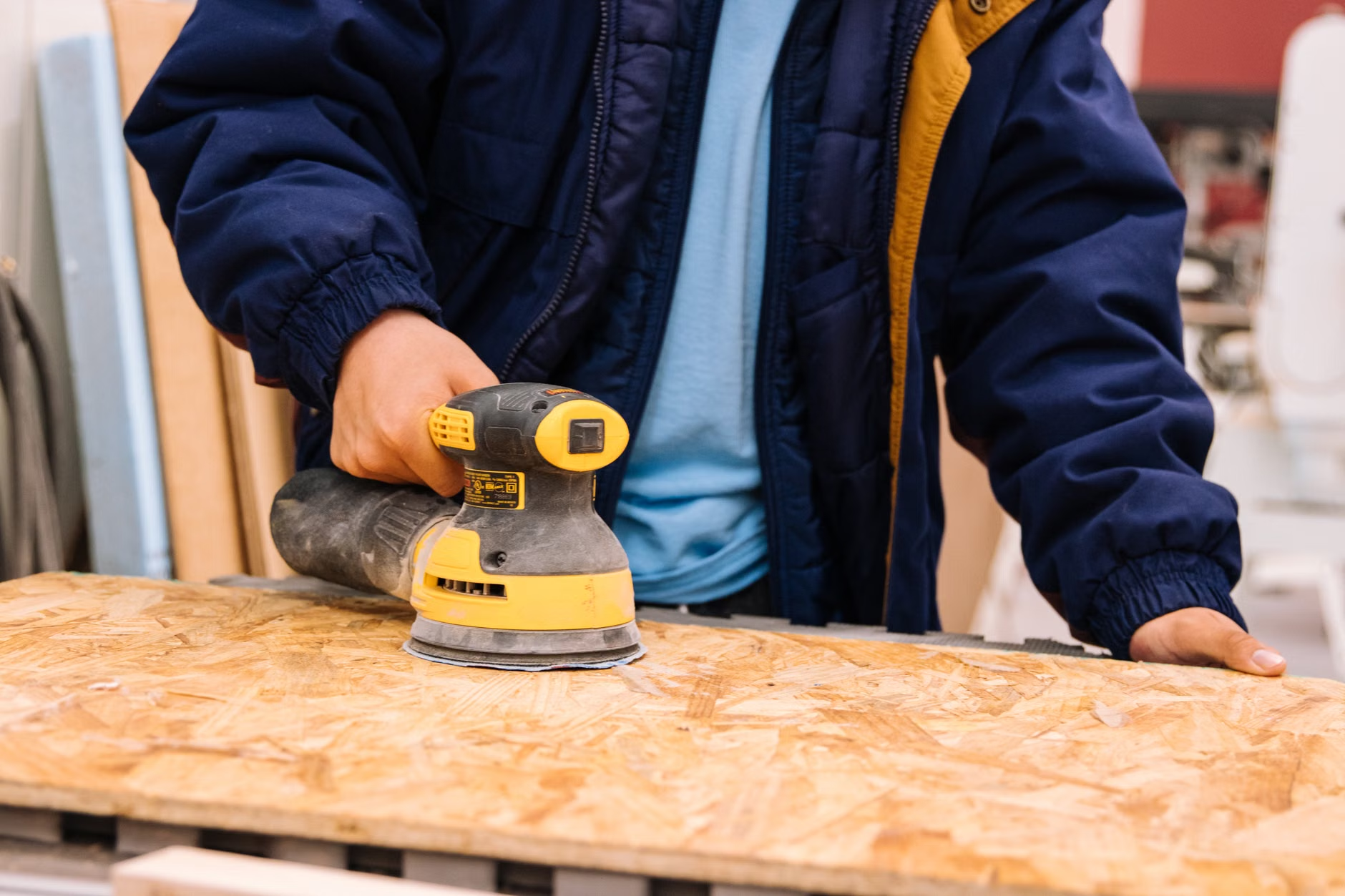
If you find that you are borrowing a specific tool repeatedly—let’s say you borrow a sander every month—that is your signal to buy. At that point, the “cost per use” has shifted in favor of ownership. You aren’t failing the “borrowing philosophy”; you are simply identifying a tool that is actually central to your life. The library helps you test that hypothesis before you commit your hard-earned money.
The Reality of Tool Maintenance
A common fear for new borrowers is, “What if I break it?” It’s a valid concern. However, most libraries have clear policies. If the tool fails due to a manufacturing defect or normal wear and tear, you are not liable. If you misuse the tool (e.g., using a drill bit on concrete when it’s rated for wood only), you might be asked to cover the repair cost. This is why reading the provided manual or watching a quick 5-minute YouTube tutorial on the specific tool model is a smart move before you start your project.
Treat the borrowed tool with more respect than you would your own. Keep it dry, wipe it down after use, and never return it dirty. It’s a small gesture, but it keeps the library running smoothly for everyone else. Think of it as a social contract. When you respect the tools, the library remains a viable, high-quality resource for the entire community.
Practical Next Steps
If you are still on the fence, here is your action plan for the next 14 days:
- Audit your garage: Spend 30 minutes identifying tools you haven’t touched in over a year.
- Search for a local library: Use Google to find a library within a 20-minute drive of your home.
- Sign up for a single project: Don’t wait for a huge renovation. Pick a small, manageable task—like cleaning the gutters or tightening the furniture—and borrow the necessary tool to do it.
- Evaluate the experience: After the project, ask yourself: Did I save money? Did I enjoy the process? Was the return process seamless?
By the end of these two weeks, you will have a clear answer on whether the tool library model fits your lifestyle. For most people in their 30s and 40s, the answer is a resounding yes. It removes the stress of ownership, saves money, and gives you back the space to actually enjoy your home.
Don’t be afraid to start small. The goal isn’t to become a master carpenter overnight; it’s to become a more thoughtful, efficient, and resourceful homeowner. The tools are there, the system is in place, and your garage space is waiting for you to reclaim it.
Frequently Asked Questions
1. What happens if I return a tool late?
Most tool libraries operate on a strict reservation system. Late returns disrupt the schedule for the next person. Typically, libraries charge a small daily fine, similar to a book library. If you know you won’t finish in time, call the library as soon as possible; they can often extend your loan if no one else has reserved the item.
2. Do I need to be a professional to use the library’s tools?
Not at all. Most tool libraries are designed for the average homeowner. They carry standard household tools, not industrial-grade equipment that requires certification. If you are unsure how to use a specific tool, the staff is usually happy to give you a quick, five-minute demonstration on how to operate it safely.
3. Can I borrow tools for commercial projects?
Generally, no. Most community tool libraries are intended for personal, residential use. They are often funded by grants or local taxes that specify the equipment is for community members to improve their own homes. If you are a professional contractor, you should look into commercial rental services which provide insurance and professional-grade support.
For further information on community-based sharing economies, check out the Local Tools network, which provides resources and directories for tool libraries across many regions.
Always remember to prioritize safety. Regardless of where you source your tools, wear appropriate protective gear—goggles, gloves, and hearing protection—and never bypass safety features on any equipment.