The secret to a successful vacation for sensory-sensitive families isn’t finding the “perfect” destination; it’s choosing an environment that eliminates the need for constant sensory regulation. Agritourism—specifically the farm-stay model—is currently the gold standard for this, as it replaces high-stimulation urban environments with predictable, low-intensity, and nature-based routines.
- Predictability beats novelty: Farm-stays offer a consistent, repetitive rhythm of life that significantly reduces the stress of “newness” for neurodivergent children.
- Controlled exposure: Nature provides a natural, non-overwhelming sensory experience compared to the erratic, high-decibel input of theme parks or crowded resorts.
- Direct host communication is non-negotiable: Vetting a property for sensory compatibility requires asking specific questions about noise levels, lighting, and proximity to machinery before you book.
If you have spent your 30s or 40s trying to navigate the “perfect” family holiday, you know the cycle: you book a place that looks great online, arrive only to find the hotel lobby is a cacophony of echoing tile and aggressive music, and spend the next four days managing meltdowns instead of relaxing. It is exhausting. For families with sensory-sensitive members—whether that is due to neurodivergence, high-sensitivity, or simply the need for a break from the modern world—the standard “tourist experience” is often a recipe for disaster.
Agritourism, or farm-based tourism, flips the script. Instead of being a passive consumer of entertainment, your family becomes a part of a quiet, functional, and predictable ecosystem. It isn’t about “activities” in the traditional sense; it is about the quiet joy of rhythm. Let’s look at why this works and how you can actually pull it off without the stress.
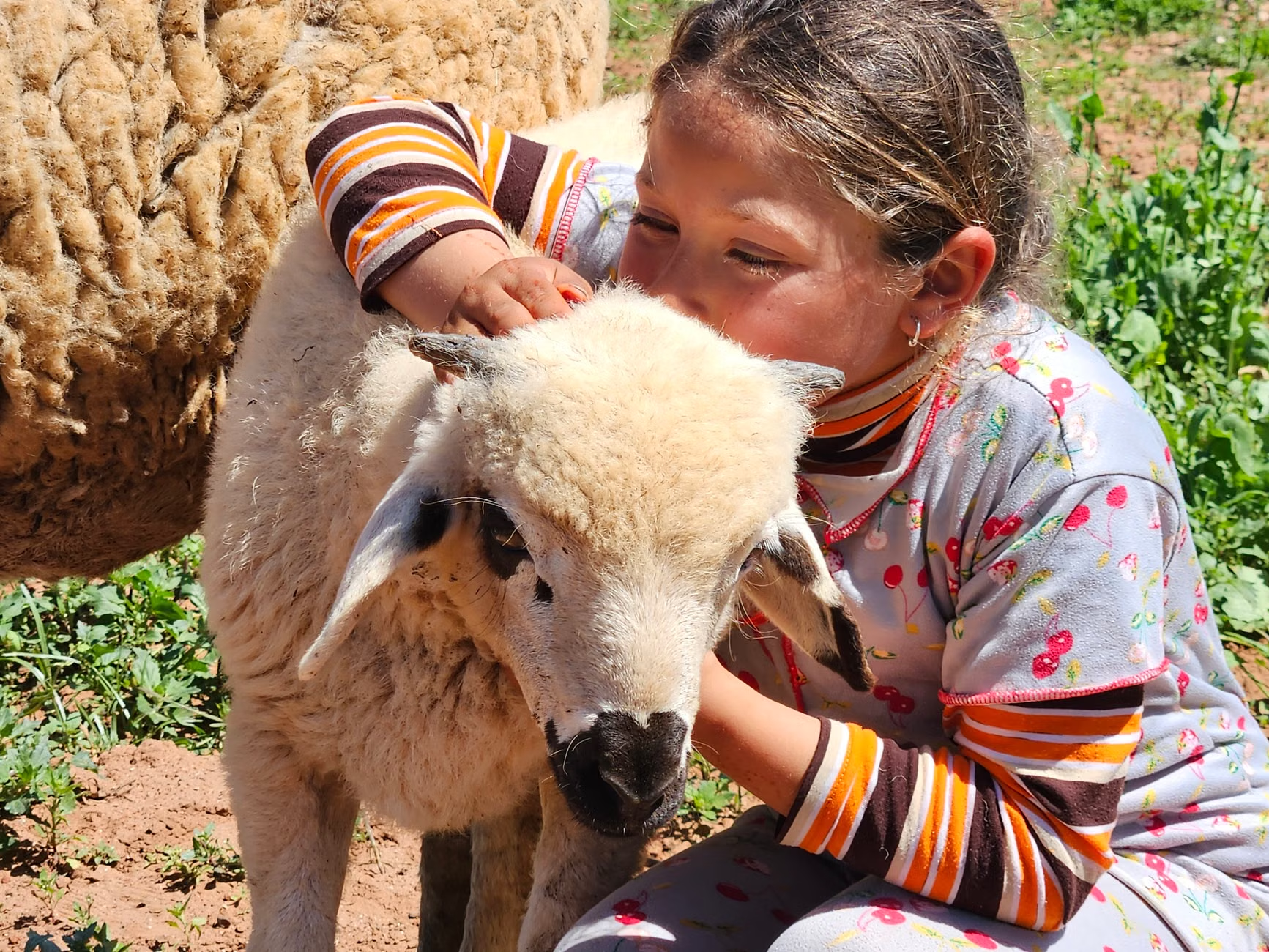
The Sensory Architecture of a Farm-Stay
When we talk about a “sensory-friendly” environment, we are usually talking about three things: the reduction of auditory clutter, the control of lighting, and the presence of “grounding” activities. Most resorts fail because they are designed for maximum stimulation. They want to keep you moving, eating, and buying. A farm, by its nature, is designed to keep things alive and orderly.
The “sensory architecture” of a well-run farm-stay is inherently quieter. You don’t have the hum of HVAC systems, the slamming of hotel doors down a hallway, or the erratic, high-frequency noise of urban traffic. Even the “noise” of a farm—the bleating of a goat or the rustling of wind in the trees—is organic. Research in environmental psychology suggests that “soft fascination”—the type of attention we pay to natural patterns—is far less taxing on the brain than the “hard fascination” required to navigate crowded tourist spots. For a child who is easily overwhelmed, this distinction is the difference between a regulated day and a burnt-out one.
However, you have to be careful. Not every “farm-stay” is created equal. Some are effectively boutique hotels that happen to have a cow in the yard. To find the right fit, you need to look for properties that emphasize quietude over attractions. Look for host-managed sites where the owner is on-site and understands the rhythms of the land. This is the difference between a “theme park farm” where hundreds of people come to pet animals, and a working farm where your family is a quiet guest in an existing, peaceful cycle.
Vetting Your Property: A Decision Matrix
Do not rely on star ratings or “family-friendly” tags. Those are often marketing terms that mean “we have a shallow pool and a loud arcade.” Instead, use a specific checklist before you commit to a booking. You are looking for a place that fits your family’s specific sensory needs, not one that claims to be universal.
| Feature | What to Look For | Why it Matters |
|---|---|---|
| Proximity to Machinery | Distance from tractor barns or main roads. | Unexpected engine noises are a common trigger for auditory sensitivity. |
| Lighting | Natural light orientation; avoid “modern industrial” designs with harsh LEDs. | Soft, diffuse natural light is easier on the nervous system than artificial flicker. |
| Host Involvement | Direct, clear communication during the booking phase. | Hosts who answer specific questions about the daily rhythm are more likely to be accommodating. |
| Routine | Presence of set feeding times or chores. | A predictable schedule allows the family to anticipate transitions. |
When you message the host, be direct. You don’t need to give your entire life history, but you do need to ask: “We are looking for a very quiet stay. Is there any heavy machinery used near the guest house, or are there times of day when the property gets particularly busy with outside visitors?” If they hesitate or give vague answers, keep looking. A good host will immediately understand why you are asking and will be able to offer a specific, honest answer about the sound environment.

Why “Doing Nothing” is the Ultimate Activity
We often fall into the trap of thinking that a “good” vacation requires a jam-packed itinerary. We feel like we need to justify the cost of the trip by doing “things.” This is a major mistake for sensory-sensitive families. The farm-stay model works precisely because it allows for, and even encourages, the absence of a schedule.
In a farm-stay setting, the “activity” is often just existing. It might be helping to collect eggs in the morning or walking the perimeter of the orchard. These are low-stakes, repetitive tasks. Repetition is a powerful regulator for the brain. When a child knows that every morning at 8:00 AM, they go to the coop to check for eggs, that creates a “cognitive anchor.” It reduces the anxiety of the unknown, which is a massive contributor to sensory overload.
Think of it as a “sensory diet.” In your daily life, your child is likely bombarded with school noises, traffic, and social demands. The farm acts as a detox. By removing the need to navigate complex social situations or high-stimulation environments, you are essentially lowering the “sensory tax” your child pays just to exist in the world. You’ll notice that after two or three days of this, the baseline stress levels drop significantly. This isn’t just “relaxing”—it’s physiological regulation.
Common Pitfalls and How to Avoid Them
Even with the best intentions, things can go wrong. Let’s talk about the most common mistakes families make when booking these stays, and how you can sidestep them before they happen.
1. The “Working Farm” Misconception: Many people assume “working farm” means they will get to participate in everything. In reality, a working farm is a business. If you arrive expecting the farmer to stop their work to entertain your children, you will be disappointed, and the farmer will be stressed. Rule of thumb: Treat the farm as a place where you are observing a process, not a place where you are the center of it. Ask the host beforehand what level of interaction is appropriate. Most are happy to have kids help with small tasks, but it should be on their terms.
2. The “Remote” Reality Check: Many quiet farm-stays are, by definition, isolated. If your child has specific dietary needs or relies on a particular type of medical care, you need to map out the nearest town. Check the distance to the nearest grocery store and pharmacy. Being “away from it all” is great until you realize you’ve run out of the specific snack that prevents a meltdown and the nearest shop is 45 minutes away on a winding road. Actionable step: Create a “survival kit” that includes your own pantry staples, familiar bedding, and a white-noise machine, regardless of how “well-equipped” the rental claims to be.
3. The “Nature” Surprise: Nature is loud in its own way. Insects, wind, and animals can create a high-frequency ambient noise level that some people find overwhelming. If your child is sensitive to specific types of sound, bring high-quality noise-canceling headphones. It’s better to have them and not need them than to have a rough night because the cicadas were louder than the local highway.
Integrating the Farm-Stay into Your Broader Parenting Strategy
How does this fit into your life as a parent in your 30s or 40s? You are likely balancing work, school, and the million small tasks that keep a household running. You aren’t just taking a break; you are looking for a reset. A farm-stay allows you to model a different way of being for your children. When they see you slowing down, putting away the phone, and focusing on the simple, tactile experience of picking fruit or walking in the mud, it gives them permission to do the same.
It’s important to remember that this isn’t about “fixing” anyone. It’s about building an environment that supports your family’s needs. If your child needs 30 minutes of quiet time in the afternoon, the farm-stay makes this easy—there’s no pressure to “keep up” with a tour group or a hotel activity schedule. You can build your day around their internal clock, not the clock of the tourism industry.
Another overlooked variable is the transition. The move from high-stimulation to low-stimulation can actually be a trigger itself. If you drive straight from a busy city to a quiet farm, the sudden drop in sensory input can be disorienting. Plan for a “buffer day” if possible, or at least a slow, quiet drive. If you are flying, consider a hotel stay near the airport before heading out to the rural property. The goal is to avoid the “shock” of the transition.
The Hidden Costs of “Getting Away”
When planning, don’t just look at the nightly rate. Consider the “hidden” logistics. A farm-stay often requires a car, which might mean a rental, gas, and navigation stress. If you are flying, you might need to carry more gear than you would for a hotel stay. Is there a laundry machine on-site? If not, does that change your packing strategy? These are the small, unglamorous details that can make or break your trip.
Check the property’s policy on early check-ins or late check-outs. For a sensory-sensitive family, the ability to arrive early and set up the “safe zone” before the rest of the day begins is worth more than any fancy amenity. Ask the host if they can accommodate a slightly flexible arrival time. Most are more than willing to help if you explain that you are trying to avoid the peak traffic or mid-day heat.
Structuring Your Days for Success
Once you are there, don’t feel the need to fill the time. The biggest mistake is over-scheduling. Use the “Rule of One”: one major activity per day, maximum. That could be a trip to a local stream, a visit to a nearby market, or just spending an hour helping with the afternoon feeding. The rest of the time should be unstructured. This allows your family to decompress and respond to their own energy levels.
If you find that your child is getting overwhelmed despite your best efforts, have a “Plan B” room. This is a space—your bedroom, a quiet corner of the living area—that is designated as a “no-input” zone. Bring a weighted blanket, a few familiar books, and maybe a soft light. Having a dedicated space where they know they can go to “reset” is a powerful tool for self-regulation.
Finally, remember that the goal is progress, not perfection. There will be moments of frustration. There will be times when the plan doesn’t work out. That is okay. The beauty of a farm-stay is that it’s a forgiving environment. You aren’t in a crowded hotel lobby where everyone is watching; you are in a field. If things get tough, you can just walk away into the woods. That freedom is the true luxury of this kind of travel.
Resources and Further Reading
To start your search, look for platforms that allow for granular filtering. Sites like Hipcamp or FarmStayPlanet (refer to their official portals at hipcamp.com and farmstayplanet.com) are excellent starting points. When using these platforms, focus on the “Amenities” filter and look for “Private” or “Secluded” settings. Avoid properties that list “events” or “group hosting” as their primary features.
For parents specifically interested in the intersection of nature and neurodivergence, the Children and Nature Network (childrenandnature.org) offers excellent research on the benefits of nature-based experiences for sensory processing, which can help you understand the “why” behind your choice to seek out these environments.
Frequently Asked Questions
1. How do I know if a farm-stay is truly “sensory-friendly” before I book?
Never rely solely on descriptions. Send a direct message to the host. Ask specifically about “unpredictable noises” (like machinery or nearby industry) and “ambient light levels.” If they provide a detailed, thoughtful response, it’s a good sign they understand the needs of their guests. If they reply with a generic template, look elsewhere.
2. What should I pack that most people forget for a farm-stay?
Think about the transition from the “outside” to the “inside.” Pack indoor-only comfortable shoes or slippers, a portable white-noise machine to mask farm sounds at night, and your own familiar sensory-calming items (like a weighted blanket or specific fidget tools). Also, bring a basic first-aid kit and extra snacks, as you won’t have the convenience of a hotel mini-bar or nearby convenience store.
3. Is it okay to bring my own schedule, or should I follow the farm’s routine?
The best approach is to blend the two. Ask the host for the farm’s “rhythm”—when the animals are fed, when the farmer is usually out working, etc. Then, build your day around those anchors. If the farm has a 7:00 AM feeding, use that as your morning anchor, but keep the rest of your day flexible so you can return to your “safe zone” whenever your family needs a break.
Travel should be a way to recharge, not just a different place to manage the same stressors. By choosing a farm-stay, you are choosing a simpler, more regulated way to experience the world. It takes a little more planning, but the payoff is a family that returns home feeling genuinely rested, not just “vacationed.”