You don’t need to own a $300 power saw that will spend 364 days a year collecting dust in your basement. The most efficient way to maintain a home in your 30s and 40s is to stop treating tools as permanent assets and start treating them as shared utilities.
- Financial Efficiency: Borrowing specialized tools saves the average household hundreds of dollars annually in purchase and maintenance costs.
- Space Reclamation: Utilizing a tool library allows you to reclaim valuable square footage in your home, effectively downsizing your storage requirements.
- Community Resilience: Tool libraries foster neighborhood connections and skill-sharing, turning one-off projects into opportunities for collective learning.
The Hidden Tax of “Just-in-Case” Ownership
If you are in your 30s or 40s, you likely know the feeling: you have a minor home repair—say, fixing a loose deck board or mounting a heavy shelf—and you realize you need a specific tool. You head to the hardware store, drop $150 on a miter saw or a heavy-duty impact driver, use it for twenty minutes, and then shove it into the back of a closet. It sits there, taking up space, aging, and losing value.
This is what we call the “Just-in-Case” tax. It isn’t just the monetary cost of the tool; it is the cost of the storage space it occupies, the time spent maintaining it, and the inevitable frustration when you forget where you put the battery charger two years later. For those living in urban environments or smaller suburban homes, every square foot of storage is precious. When you hoard tools, you are essentially paying rent for your equipment to sit idle.
The community tool library model flips this script. Instead of a transaction-based hardware store model, a tool library acts like a public library for hardware. You pay a small annual membership fee, and in exchange, you gain access to a curated inventory of high-quality, professional-grade tools. You check them out, use them for your project, and return them. The library handles the maintenance, the storage, and the inventory management.
How the Tool Library Model Actually Works
At its core, a community tool library is a non-profit or community-run resource center. While every organization has its own quirks, most follow a standardized operational framework. Understanding this helps you decide if your local area’s setup is worth your time.
The Membership Structure: Most libraries operate on an annual subscription model. Fees often range from $20 to $100 per year, depending on the scale of the library and the local cost of living. Some offer “sliding scale” memberships, where you pay what you can afford, ensuring that the service remains accessible to all income levels.
The Inventory Lifecycle: Libraries typically source their inventory through donations from community members or local businesses. They often have rigorous testing protocols to ensure every tool is safe to use. When you borrow a tool, you aren’t just getting the item; you are getting the peace of mind that it has been inspected by someone who knows what they are looking for.
The Operational Rules:
| Category | Standard Policy | Why it Matters |
|---|---|---|
| Loan Duration | 1–2 Weeks | Prevents hoarding and ensures availability. |
| Late Fees | Daily/Weekly | Keeps inventory moving for other members. |
| Maintenance | Library-Led | Reduces your risk of using faulty equipment. |
Why This Matters for Your Household Budget
Let’s look at a realistic scenario. Imagine you want to renovate a small guest room. You need a circular saw, a power sander, a stud finder, a level, and a heavy-duty ladder. If you were to purchase these new, you are looking at an investment of roughly $500–$800. If you use a tool library, your total cost might be your $50 annual membership fee.
The savings aren’t just in the initial purchase price. Think about the hidden costs of tool ownership:
- Depreciation: Tools lose value the moment they leave the store.
- Storage Space: If you value your garage space at $10/sqft per month, a large tool chest is costing you money every day.
- Consumables: Libraries often provide guidance on where to buy the cheapest blades or bits, or sometimes they even provide them as part of the service.
For a family on a budget, this model provides access to “pro-sumer” grade tools that you otherwise might avoid due to price. You aren’t settling for the cheapest, most unreliable tool at the big-box store; you are using the same high-quality equipment that professionals use, which makes your work safer and more precise.
Reclaiming Your Physical and Mental Space
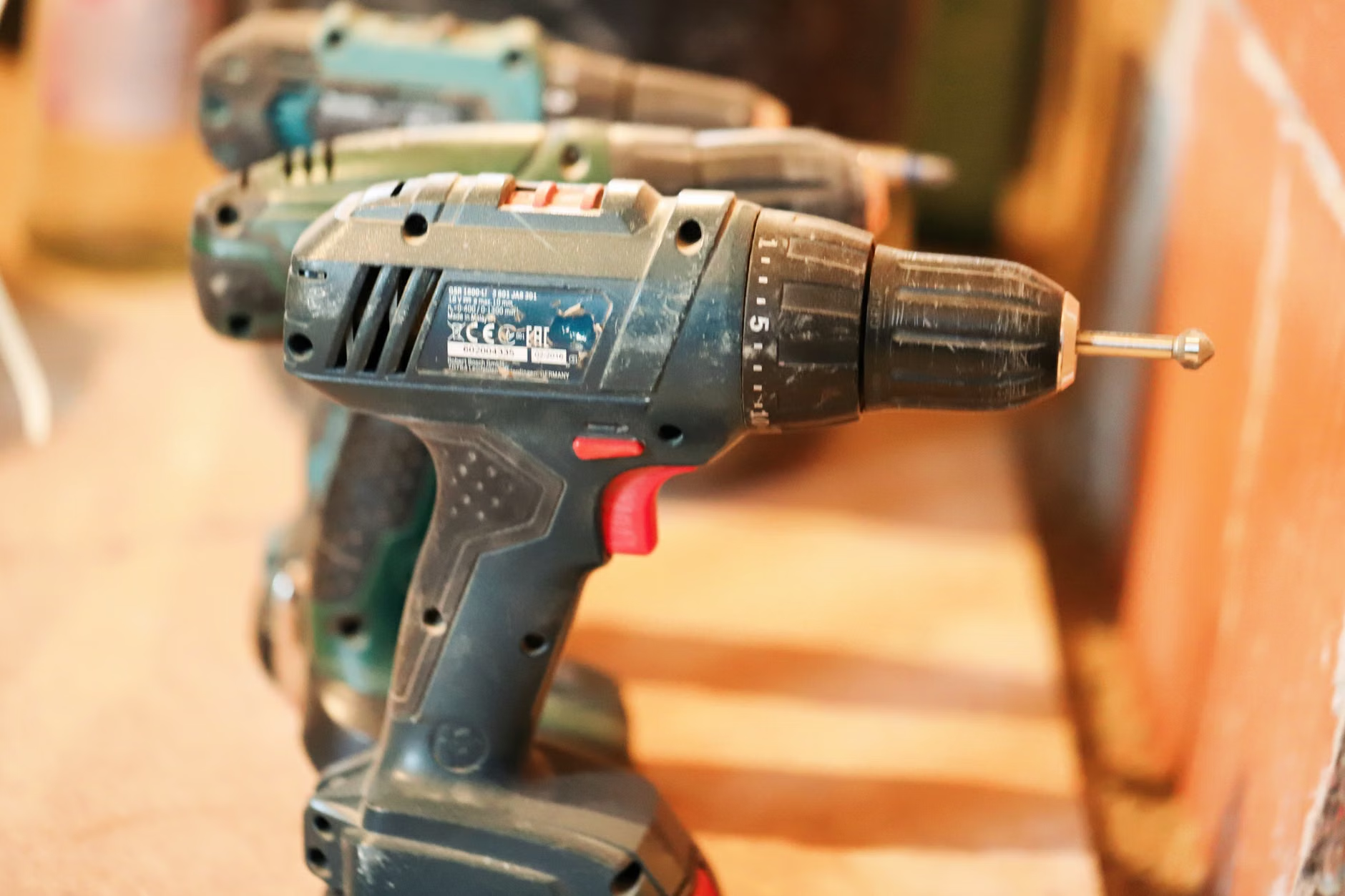
There is a psychological weight to owning things we don’t use. It’s the “clutter effect.” When you open a closet to grab a coat and have to move a heavy tile cutter you haven’t touched in three years, that is a micro-stressor. For parents juggling busy schedules, reducing the number of objects you manage is a massive win for mental clarity.
By shifting to a tool library model, you are essentially outsourcing the management of your “stuff.” You don’t have to keep track of the warranty, the manual, or the spare parts for a tool you only need once every two years. You simply return it and move on. This is the essence of modern minimalism: owning the utility, not the object.

Common Pitfalls and How to Avoid Them
While the model is highly effective, it isn’t without its challenges. Here is where most people trip up when they first join a tool library:
1. The “Last Minute” Trap: If you decide at 8:00 PM on a Friday that you want to start a project, a tool library might be closed. Unlike a 24/7 hardware store, you have to plan ahead. Solution: Build your project plan a week in advance. Check the library’s online catalog to ensure the tool is available before you start your prep work.
2. The “It’s Not There” Frustration: Popular items like pressure washers or lawn aerators are often booked solid during peak seasons. Solution: Use the library’s reservation system aggressively. If you know you need a tiller in the spring, book it in January.
3. The Learning Curve: Some tools in a library are professional-grade and might be intimidating if you’ve never used them. Solution: Don’t be afraid to ask the staff for a quick demo. Most libraries are staffed by volunteers who love teaching people how to use tools properly. This is an overlooked benefit—you get free, hands-on training.
Building Community Through Cooperation
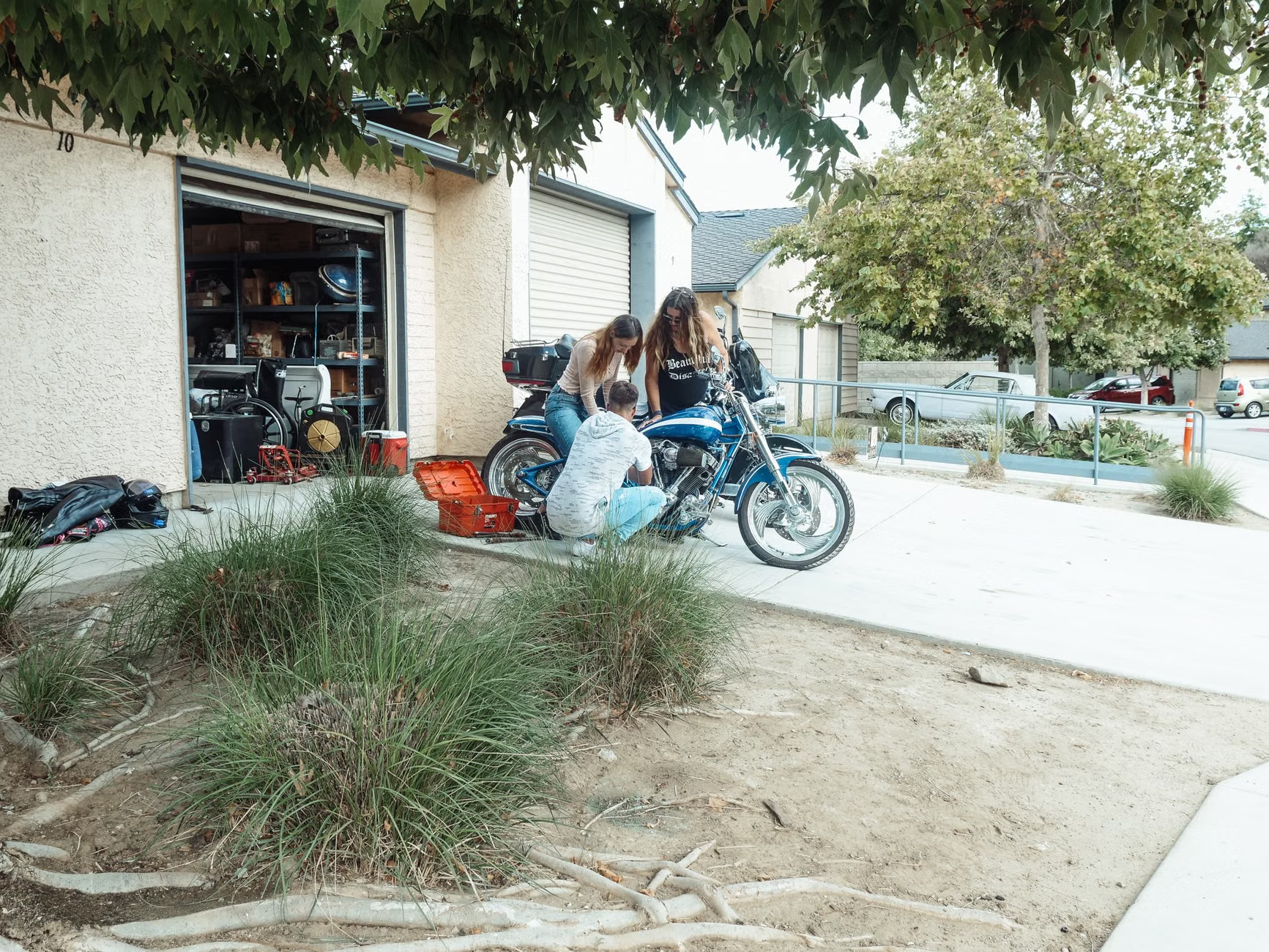
Beyond the cost savings, the tool library model is a social catalyst. In many neighborhoods, people in their 30s and 40s are looking for ways to connect with neighbors beyond surface-level small talk. Tool libraries often host “Repair Cafes” or “DIY Saturdays.”
These events turn a lonely repair project into a social activity. You might find yourself helping a neighbor fix a lamp while they help you understand how to use a jigsaw. This builds social capital—a resource that is often more valuable than the tools themselves. When you know your neighbors, you are more likely to share other resources, creating a more resilient and connected local environment.
The Long-Term Impact on Sustainable Consumption
We are living in an era where the environmental cost of manufacturing is becoming increasingly apparent. Every power tool produced requires plastics, metals, and energy. By extending the life of a tool through shared use, the community library model significantly lowers the total carbon footprint of your home maintenance activities.
Most tools in a library last for years because they are maintained by a team. When a tool breaks, the library often repairs it rather than throwing it in a landfill. This is the opposite of the “planned obsolescence” cycle that defines much of the consumer goods market today. By participating in this model, you are actively voting against the throwaway culture that plagues our modern society.
How to Start Your Own Tool Library Journey
If you are ready to make the switch, here is your step-by-step action plan:
- Search Locally: Search for “Tool Library [Your City/Region]” or “Library of Things” on Google. Look for municipal websites or community center pages.
- Assess Your Needs: Look at your garage or storage space. Identify the tools you’ve used less than twice in the past year. These are your candidates for donation.
- Visit and Observe: Before paying a membership fee, visit the library during their open hours. Check the condition of the tools, talk to the staff, and see if the atmosphere feels right for you.
- Start Small: Don’t try to clear out your entire garage at once. Start by borrowing one tool for a project you were planning to do anyway. Experience the convenience firsthand before committing to a long-term membership.
Refining Your Decision Criteria
Is a tool library right for everyone? Not necessarily. Use this decision matrix to determine if you should stick to buying or switch to borrowing:
| Scenario | Best Approach |
|---|---|
| You use the tool at least once a month. | Buy it. Convenience and constant access outweigh the savings of borrowing. |
| You live in a small apartment with limited storage. | Borrow it. The space savings are worth the inconvenience of planning ahead. |
| You are unsure if you will enjoy a new hobby. | Borrow it. Test the hobby without the high entry cost of equipment. |
| You need the tool for an emergency, non-negotiable repair. | Buy/Rent locally. Don’t wait for a library reservation if your roof is leaking. |
Final Thoughts on Smart Ownership
The transition to a tool library model is about more than just saving money. It is about shifting your relationship with the objects around you. We have been conditioned to believe that ownership is the only path to capability, but the reality is that access is often more liberating. By offloading the burden of ownership, you gain the freedom to focus on the projects that actually matter to you, rather than the maintenance of the tools you use to complete them.
Start small, test the waters, and don’t be afraid to let go of the clutter. You might find that the best part of the experience isn’t the money you save, but the unexpected connections you make with your community along the way. For further resources on the movement, you can explore the Local Tools network, which provides a directory of community-based sharing programs globally.
Frequently Asked Questions
Q: What happens if I break a tool while I’m using it?
A: Most tool libraries have a policy for accidental breakage. Usually, as long as you weren’t misusing the tool (e.g., using a drill as a hammer), they are understanding. Some may ask you to cover the cost of a replacement part, but it is rarely a punitive process. Always communicate with the staff immediately if something goes wrong.
Q: Can I donate my old tools even if they aren’t perfect?
A: Most libraries welcome donations, but they do have to be selective. If a tool is rusted beyond repair or safety-compromised, it might be rejected. It is best to send an email with photos of the tools you want to donate before hauling them to the location. They can often tell you instantly if they have space or need for those specific items.
Q: Is there a way to start a tool library if my neighborhood doesn’t have one?
A: Absolutely. Many successful tool libraries started as small pop-up events in a neighborhood park or community center. Start by gauging interest on platforms like Nextdoor or Facebook. If you can gather a group of 10 people to pool their tools as a “pilot,” you have the foundation of a library. The biggest hurdle is usually finding a physical space to house the inventory; look for partnerships with local libraries, community centers, or churches.
Note: All information provided is for general lifestyle guidance. Please check local regulations and specific library policies in your jurisdiction before signing up for any membership or donating equipment.