The most effective way to manage a toddler’s wardrobe isn’t by buying more clothes, but by building a system where items circulate through a lifecycle of reuse, repair, and resale rather than ending up in a landfill.
- The 80/20 Rule: Toddlers wear 20% of their wardrobe 80% of the time; focus your budget on a “capsule” of durable, high-quality essentials rather than volume.
- Resale Value Matters: Choose natural fibers (organic cotton, merino wool) and reputable brands; these maintain higher resale value, allowing you to recoup up to 40% of your initial investment.
- The Circular Loop: A true circular wardrobe requires an “out-flow” strategy—every time a child outgrows a size, the clothes should be immediately sold, swapped, or donated to prevent the “closet creep” that leads to overwhelm.
If you have spent your Saturday morning digging through a mountain of mismatched socks, stained onesies, and pants that are suddenly two inches too short for your child, you know the frustration of the “disposable” toddler closet. We live in an era of fast fashion, where marketing tells us that buying a new, inexpensive outfit for every minor growth spurt is the only way to keep up. But for parents in their 30s and 40s, this approach is a trap. It costs you money, consumes your storage space, and contributes to a massive environmental footprint.
The “Circular Wardrobe” isn’t a trendy buzzword; it’s a logistical framework. It treats your child’s clothing as a revolving inventory. By shifting your mindset from “ownership” to “stewardship,” you stop viewing clothes as permanent acquisitions and start seeing them as items that must eventually pass to another child.
Why the Current Model of Toddler Fashion Is Failing You
The primary issue with the way most parents manage clothes is the “accumulation cycle.” We buy, we store, we forget, and then we discard. Research from organizations like the Ellen MacArthur Foundation highlights that less than 1% of clothing material is recycled into new garments. For toddlers, the situation is even more acute because the turnover rate is so rapid. A child can cycle through four sizes in a single year.
When you constantly buy cheap, synthetic-heavy clothing, you encounter three specific problems:
- The Quality Gap: Fast-fashion toddler items are often made from low-grade polyester blends. They pill, lose shape in the wash, and rarely survive long enough to be passed down. You aren’t buying “cheap” clothes; you are buying “temporary” clothes.
- The Mental Load: A cluttered drawer full of clothes that don’t fit—or that you don’t even like—is a source of daily friction. Every morning, you spend precious minutes sorting through items that shouldn’t be there.
- The Sunk Cost Fallacy: Because you paid so little for each individual item, you feel compelled to keep them “just in case.” This leads to a storage crisis in your home, where closets become graveyards for stained shirts and lonely socks.
A circular wardrobe addresses these by prioritizing durability over quantity and liquidity over hoarding. When you purchase an item, you should already know how it will leave your house—whether it’s through a resale platform, a hand-me-down network, or a textile recycling program.
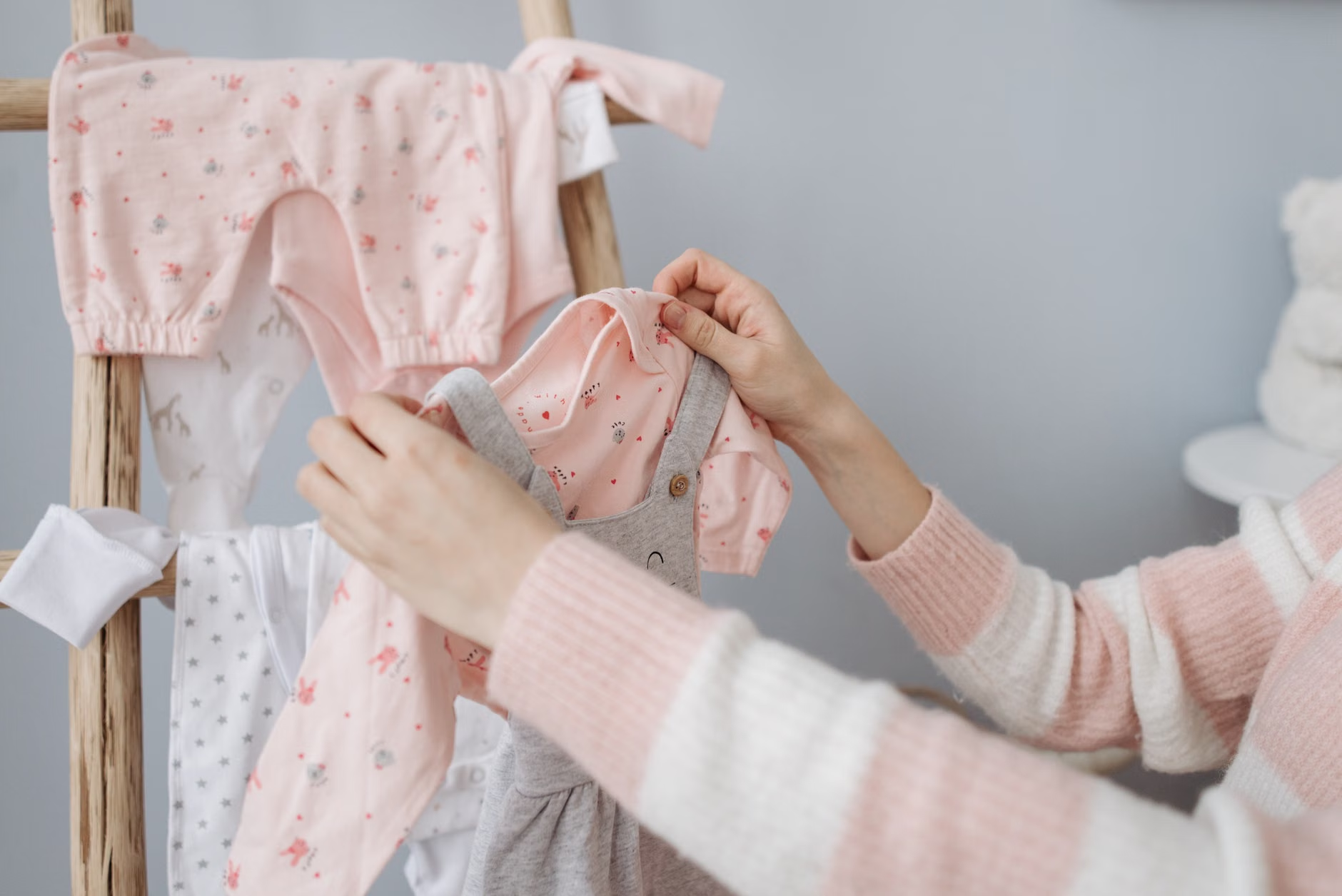
Building Your Capsule: The Foundation of the Circular Wardrobe
To build a circular wardrobe, you must first shrink your inventory. A capsule wardrobe is a curated collection of items that all coordinate with one another. For a toddler, this means focusing on “mix-and-match” functionality. If every bottom matches every top, you can get away with far fewer items.
The Essential Inventory Count
You don’t need 30 outfits. You need a system that survives the laundry cycle. Assuming you do laundry twice a week, here is a realistic baseline for a toddler:
| Item Category | Quantity | Selection Criteria |
|---|---|---|
| Tops (T-shirts/Long sleeves) | 8–10 | Natural fibers, neutral colors. |
| Bottoms (Leggings/Pants) | 6–8 | Reinforced knees, elastic waist. |
| Layers (Sweaters/Cardigans) | 3 | Easy to wash, no complex buttons. |
| Outerwear (Jacket/Coat) | 1–2 | Weather-resistant, durable seams. |
The Strategy: When you stick to this count, you aren’t just saving money; you are creating a “flow.” If you buy a new piece, an old one must be retired. This prevents the accumulation of excess items that eventually become clutter.
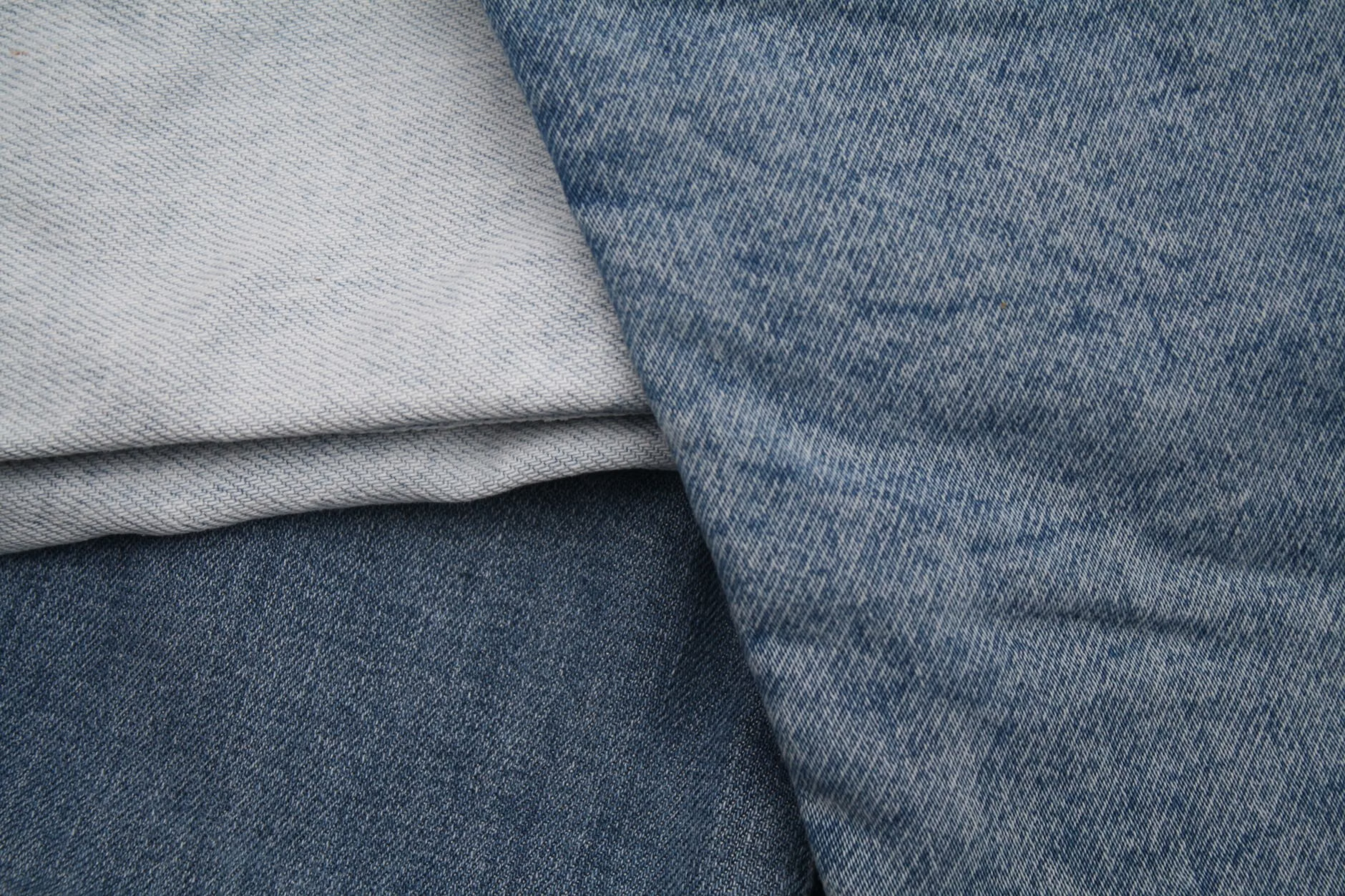
Selecting Materials That Last Through Multiple Owners
The “circular” part of the wardrobe relies on the garment’s ability to survive multiple users. If a shirt falls apart after five washes, it cannot circulate. When shopping, prioritize materials that offer structural integrity and are easy to maintain.
Organic Cotton: Generally more durable than conventional cotton because the fibers are not weakened by harsh chemical processing. It holds up better to the frequent high-heat washes required for toddler messes.
Merino Wool: Often overlooked for toddlers, but it is a miracle fiber. It is naturally temperature-regulating, antimicrobial (needs less washing), and highly durable. Even if it gets a small hole, it is easily repairable, unlike synthetic fabrics that fray and melt.
Avoid the “Trend Trap”: Character-themed clothing or highly specific seasonal items (like a shirt with a very specific holiday print) are the enemies of circularity. They are harder to resell because they are tied to a specific date or interest. Stick to solids, stripes, and classic patterns. These items have the highest “liquidity” on resale markets because they are timeless.
Establishing the “Out-Flow” Workflow: The Secret to Success
Most parents fail at the circular wardrobe because they don’t have a system for removing clothes. You need a dedicated “out-flow” container in your closet. This isn’t a “maybe” box; it is a “processing” box.
- The Size Check: Set a calendar reminder every three months to check your child’s current size. If an item is getting snug, it goes into the out-flow container immediately. Do not wait for it to become unwearable.
- The Quality Audit: When you pull an item, inspect it. If it is stained beyond repair or ripped, it goes to textile recycling—not the donation bin. Donating trash isn’t charity; it’s a burden on donation centers.
- The Resale/Donate Decision: If the item is in good condition, decide its fate. High-quality pieces (brands that hold value like Mini Rodini, Patagonia, or organic basics) should be listed on resale apps. Mid-range items can be donated to local shelters or passed to friends.
By treating the out-flow as a regular chore—like changing the air filter or clearing your email—you prevent the buildup of “dead stock” in your home. This is the difference between a house that feels like a storage unit and a home that feels organized.
Common Misconceptions and Hidden Costs
One common mistake parents make is assuming that “buying used” is always the most circular option. While secondhand is excellent, the *quality* of the secondhand item matters. If you buy a bag of cheap, fast-fashion clothes from a thrift store, you are often buying items that are already at the end of their lifecycle. They will likely be thrown away within months. True circularity is about buying durable goods that have a long lifespan, regardless of whether they are purchased new or used.
Another hidden cost is the convenience tax. Yes, buying a cheap 5-pack of shirts at a big-box store is cheaper upfront. But when you factor in the cost of replacing them when they shrink or fade, and the time spent dealing with the resulting clutter, the “cheap” option is actually more expensive. You are paying for the same function multiple times.
Finally, there is the issue of washing habits. A major part of the circular wardrobe is maintenance. Over-washing is the primary killer of kids’ clothing. Use cold water, avoid the dryer when possible (or use a low-heat setting), and treat stains immediately. The longer you can keep an item in its “original” state, the longer it remains a valuable asset in the circular economy.
How to Start Today: A Step-by-Step Action Plan
You don’t need to overhaul your entire life this afternoon. Start with one drawer. Here is how to execute this shift:
Step 1: The Purge. Take everything out of your toddler’s dresser. Sort it into three piles: Current/Fits, Too Small/Worn Out, and “Maybe.” If you haven’t used the “Maybe” items in two months, they go into the “Too Small” pile.
Step 2: The Assessment. Look at the “Current/Fits” pile. Is it a capsule? Do the items coordinate? If you have 20 shirts but only 3 pants, you have a mismatch. Note what you actually *need* to fill the gaps, and prioritize buying those missing pieces from high-quality, durable brands or reputable secondhand sources.
Step 3: The Out-Flow System. Place a box or bin in your closet right now. This is your “Exit Zone.” As soon as you notice a piece of clothing is getting tight, place it in the box. Once the box is full, take 30 minutes to either list the items for sale or drop them at a donation center.
Step 4: The Mindset Shift. From now on, when you shop, ask yourself: “Will this item last through at least two children?” If the answer is no, put it back. You are looking for construction, fabric weight, and versatility.
Final Thoughts on Sustainable Parenting
Building a circular wardrobe is not about being a perfect, zero-waste parent. It is about removing the friction from your daily life while making a choice that benefits the wider world. By curating what enters your home and having a clear process for what leaves it, you reclaim your space and your time.
Focus on the long-term value. Every time you successfully pass on a high-quality garment instead of tossing it, you are proving that you don’t need to be a slave to the cycle of disposable consumption. Start small, maintain the flow, and enjoy the peace of a simplified, functional closet.
Frequently Asked Questions
Q: Is it really worth the time to resell used toddler clothes?
A: It depends on the brand. For generic, low-cost brands, the resale value is low, and the effort may not be worth it. However, for premium or durable brands, the resale value can be quite high. The key is to bundle items (e.g., “size 2T bundle”) to save on shipping and listing time, rather than selling items individually.
Q: What should I do with clothes that are stained or ripped?
A: Do not donate them to charity shops; they often end up in landfills. Search for local textile recycling programs or “clothing take-back” schemes offered by some retailers. If the material is 100% cotton, it can sometimes be used as cleaning rags, but check your local municipal guidelines for textile recycling as many cities now have dedicated drop-off points.
Q: How do I handle gifts from family members who buy “fast fashion”?
A: This is a common social challenge. Be gracious, but don’t feel obligated to keep everything. If you receive items you know won’t last, use them as “play clothes” for messy activities (painting, mud play) to spare your high-quality items. Once they are worn out, recycle them. You are not required to keep gifts that create clutter in your home.
For further reading on sustainable textile management and the impact of the circular economy, you can refer to the official resources provided by the Ellen MacArthur Foundation’s Fashion Initiative, which details how to shift away from the linear “take-make-waste” model.