- Automated Savings: Smart-grid heat pumps reduce costs by automatically shifting heavy heating or cooling loads to off-peak hours when electricity is cheaper.
- Hardware Compatibility: You don’t necessarily need a brand-new heat pump; many existing systems can be retrofitted with smart thermostats or SG-Ready controllers.
- The Grid Benefit: By participating in demand-response programs, you aren’t just saving money—you are helping stabilize the local power grid during peak stress times.
If you have spent any time looking at your monthly utility bill lately, you have likely noticed that electricity isn’t getting any cheaper. For those of us balancing school runs, work deadlines, and the general chaos of family life, the idea of “optimizing energy consumption” often sounds like just another chore. However, the integration of heat pumps with the smart grid is one of the few technological shifts that actually does the heavy lifting for you.
You might be wondering: Is this just fancy marketing, or can a heat pump really talk to the power grid? The answer is yes, and it is a massive shift in how we manage home comfort. By allowing your heating and cooling system to “listen” to the grid, you can avoid paying premium rates for power during the busiest times of the day. Let’s break down how this works, what it actually looks like in your home, and why it is worth your attention.
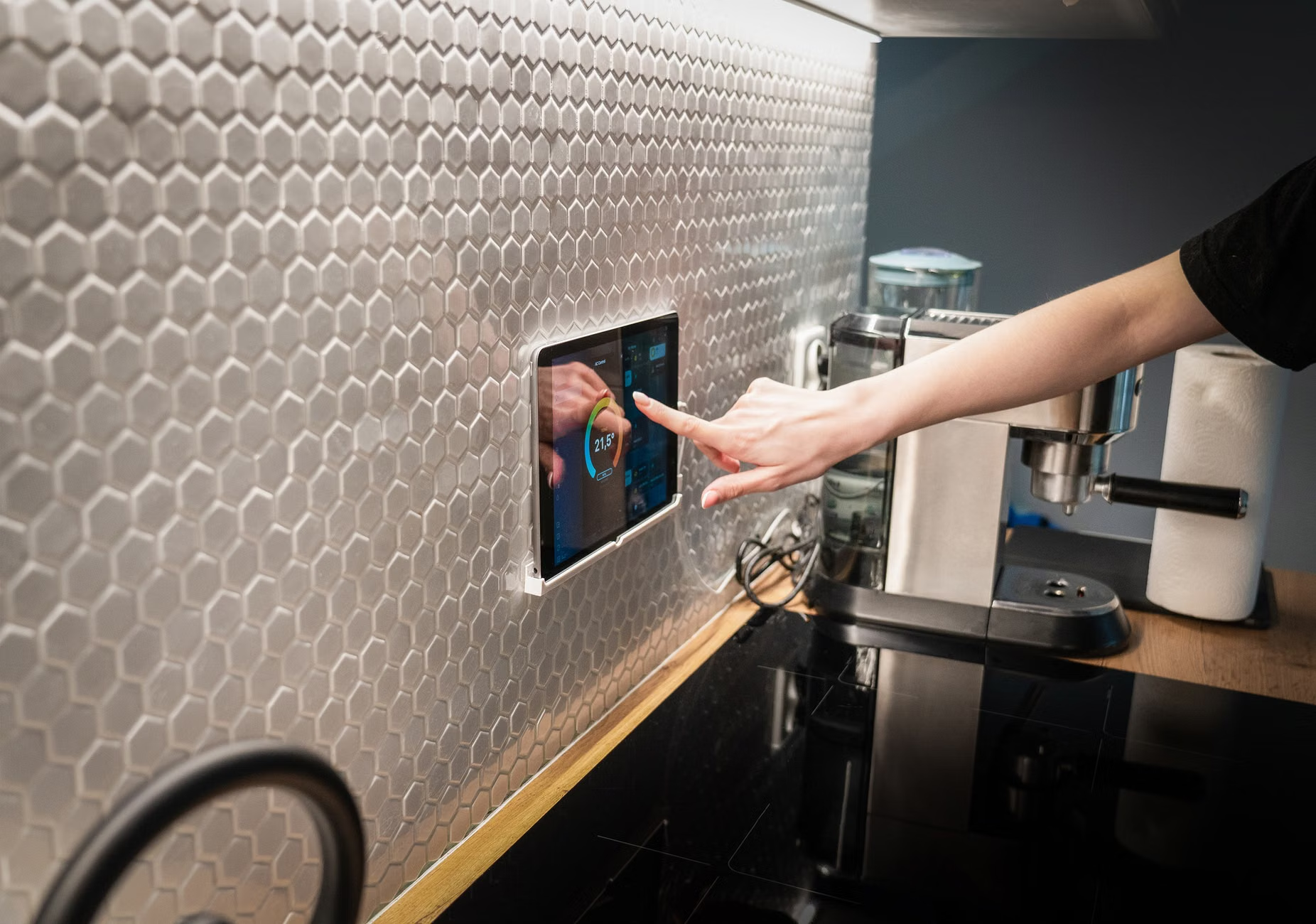
What Does “Smart-Grid Integration” Actually Mean for Your Heat Pump?
At its core, a heat pump is already an efficient piece of machinery. Unlike traditional furnaces that burn fuel to create heat, heat pumps move existing heat from the outside air into your home. When we add “smart-grid integration,” we are essentially giving that heat pump a brain that understands the economics of electricity.
In many regions, electricity providers use “Time-of-Use” (TOU) pricing. This means the cost of a kilowatt-hour (kWh) changes based on demand. When everyone in your neighborhood turns on their air conditioning at 6:00 PM, the grid is stressed, and electricity becomes expensive. When you are sleeping, demand is low, and prices drop. A smart-grid enabled heat pump uses a protocol—often called “SG-Ready”—to receive signals from your utility company. It knows when prices are high and will throttle back or shift its operation to ensure you aren’t paying peak prices for basic comfort.
Think of it like a smart dishwasher. You don’t care if the dishes are washed at 2:00 PM or 2:00 AM, as long as they are clean by morning. Your heating system is similar. If you can “pre-heat” your home slightly before the electricity rates jump, or if you can allow the temperature to drift by a degree or two during the most expensive hour of the evening, you can see significant savings without ever feeling a chill.
The “SG-Ready” Standard Explained
If you are shopping for a new unit, you will often see the label “SG-Ready.” This is a certification developed by the heat pump industry to ensure that devices can communicate with smart energy management systems. It essentially provides four operating states:
- State 1: Forced off (used during extreme grid emergencies).
- State 2: Normal operation (the unit runs as requested by the thermostat).
- State 3: Recommended operation (the heat pump is encouraged to run because there is an excess of renewable energy on the grid).
- State 4: Forced operation (the unit runs to maximize thermal storage).
For a busy parent, you don’t need to manually monitor these states. The system integrates with your smart home hub or your utility provider’s app, doing the work in the background. It is “set it and forget it” technology that aligns your comfort with the most cost-effective times to use energy.
Why This Matters for Households in Their 30s and 40s
In your 30s and 40s, your home is likely the center of your universe. It is where you work, where your kids play, and where your biggest monthly expenses live. Energy costs are rarely a “fixed” expense anymore; they fluctuate based on your habits and the grid’s stability. By integrating your heat pump, you are essentially building a buffer against inflation in the energy sector.
Beyond the direct financial savings, there is the aspect of sustainability that we often talk about with our children. Teaching kids about energy efficiency isn’t just about turning off lights; it is about showing them that we can manage our resources intelligently. Using a smart-grid heat pump is a practical, modern way to reduce your household’s carbon footprint without requiring your family to sacrifice comfort.
| Feature | Traditional Heat Pump | Smart-Grid Integrated Heat Pump |
|---|---|---|
| Energy Cost | Fixed to usage, regardless of price fluctuations. | Optimized for lower-cost, off-peak hours. |
| Grid Interaction | None (Passive). | Two-way communication (Active). |
| Installation | Standard setup. | Requires internet and potential smart-controller. |
| Maintenance | Manual checks. | Remote diagnostics and software updates. |
As shown in the table, the jump from a traditional system to a smart-grid one is less about the hardware and more about the intelligence of the connection. If you are replacing an aging HVAC system, opting for an SG-Ready model is a no-brainer. If you have an existing system, you might not need to replace it entirely; look into “smart thermostats” that offer demand-response capabilities, which can act as a bridge to the smart grid.
Setting Up Your Smart-Grid Environment: A Practical Guide
Getting started with this technology isn’t as daunting as it sounds. Most modern smart thermostats (like those from Ecobee or Nest, or specialized heat pump controllers) are already equipped to participate in utility “Demand Response” programs. If your utility provider offers a rebate or a lower rate for joining their program, they will often provide the hardware at a discount—or even for free.
Step 1: Check Your Local Utility Programs
Before buying any equipment, head to your utility provider’s website. Search for “Demand Response,” “Smart Rewards,” or “Time-of-Use Rate Plans.” Many providers are desperate to reduce peak demand and will literally pay you to let them adjust your heat pump by a degree or two during extreme heat waves or cold snaps. This is the easiest way to start.
Step 2: Evaluate Your Hardware
If you are looking to buy a new heat pump, ask the installer specifically about “SG-Ready” or “Smart Grid” compatibility. Don’t just settle for “Wi-Fi enabled.” There is a difference. A Wi-Fi enabled unit allows you to change the temperature from your phone; an SG-Ready unit allows the grid to suggest changes to save you money.
Step 3: The Integration Layer
If your heat pump is older, you can often bridge the gap with a smart controller. Some companies make aftermarket modules that connect to the “dry contact” terminals on your heat pump’s circuit board. This allows a smart home hub to override the thermostat based on electricity prices. Warning: This requires some technical knowledge or a professional HVAC technician. Do not attempt to wire this yourself if you are not comfortable working with high-voltage HVAC controls.
Common Mistakes to Avoid
One common trap is “over-optimizing.” Some people try to program their systems to be so aggressive that the home becomes uncomfortable. Remember that the primary goal is comfort. If you are constantly fighting your thermostat, you will eventually turn the smart features off. Start with a “conservative” setting—allow the system to shift load by 1-2 degrees. You likely won’t even notice the difference, but your wallet will.
The Hidden Variables: What Most People Overlook
While the benefits are clear, there are a few “hidden” factors that often get ignored. The first is thermal mass. Your home’s insulation, the number of windows, and even the furniture you have all act as a battery. A well-insulated home is much better at “storing” heat or cool air, which makes it easier for a smart-grid system to shift demand without affecting your comfort.
Another overlooked factor is the interoperability of your devices. If you have a smart grid-enabled heat pump, will it talk to your solar panels? Ideally, you want a system where your heat pump is prioritized to run when your solar panels are producing the most electricity. This is the “holy grail” of home energy: using your own free, sun-generated power to heat or cool your home, rather than pulling from the grid at all.
If you are planning a home renovation or a system upgrade, think about the ecosystem. Try to keep your smart devices within a compatible ecosystem (e.g., all under one smart-home hub standard like Matter). This prevents the “fragmentation” issue where your heat pump, your solar inverter, and your smart thermostat refuse to talk to each other.

Real-Life Scenario: A Day in the Life of a Smart-Grid Home
Let’s look at a hypothetical scenario to ground this. Meet the Miller family. They have a 1,800-square-foot home with a heat pump that is integrated into their local utility’s “Peak Saver” program.
On a Tuesday morning, the grid is stable. The heat pump runs normally, keeping the house at a comfortable 70°F (21°C). At 4:00 PM, a heat wave hits the region. The utility sends a signal to the smart thermostat. The thermostat knows that electricity prices are about to triple between 5:00 PM and 8:00 PM. It pre-cools the house to 68°F at 4:30 PM, then shifts the heat pump to “Eco Mode” at 5:00 PM, allowing the temperature to drift up to 73°F by 8:00 PM.
The Millers come home at 6:00 PM. They are busy getting dinner ready and helping with homework. Because the house was pre-cooled, it still feels comfortable. They don’t even notice the thermostat has adjusted. At 8:00 PM, the grid demand drops, the price returns to normal, and the heat pump resumes its standard operation. The Millers saved $4 on their bill that day without pressing a single button. Over a year, that adds up to hundreds of dollars, all while helping their local community avoid rolling blackouts.
Addressing Potential Concerns
Is there a downside? The main concern people have is “loss of control.” What if you have a sick child at home or you are hosting a dinner party and you need the house to be at a specific temperature? Always ensure your smart-grid program allows you to “opt-out” or “override” the settings. Most reputable utility programs provide an easy way to cancel an event from your app if you need to.
Also, consider the longevity of the software. Hardware lasts 15–20 years, but software changes every three. Ensure that whatever system you choose has a reputable manufacturer that provides consistent updates. You don’t want a “smart” heat pump that becomes “dumb” in five years because the company stopped supporting the app.
Final Thoughts on Smart-Grid Adoption
Integrating your heat pump with the smart grid is one of the most effective ways to modernize your home. It bridges the gap between your personal comfort and the broader challenges of our energy infrastructure. It is not about living in a high-tech laboratory; it is about using the tools available today to make your household more resilient and cost-effective.
If you are in the market for a new system, make “smart-grid compatibility” a non-negotiable requirement. If you are already running a heat pump, check with your utility provider to see if you can enroll in a demand-response program today. Small, incremental changes—like letting your home temperature drift slightly during peak hours—are the most sustainable way to manage your household budget. Don’t wait for the next energy price hike to start looking into this; the infrastructure is ready when you are.
Frequently Asked Questions
1. Do I need to be a tech expert to set this up?
Not at all. If you can set up a smartphone or a Wi-Fi router, you can handle the basic setup of a smart thermostat or a demand-response program. The most complex part is usually the initial enrollment on your utility provider’s website, which is designed to be user-friendly for the average homeowner.
2. Will my heat pump break down faster if it is constantly adjusting its operation?
No. In fact, it might even last longer. Frequent, extreme temperature swings are hard on a system, but the gradual adjustments made by smart-grid programs are designed to keep the unit operating within its optimal efficiency range. The goal is to avoid the “hard stops and starts” that cause the most wear and tear.
3. Can I still use my system if the internet goes down?
Yes. Smart-grid features rely on the internet to receive real-time price signals, but the heat pump itself has a “fallback” mode. If the connection is lost, it will simply revert to its standard, manually set schedule. You will never be left without heat or cooling just because your Wi-Fi is acting up.
For more information on energy efficiency standards and smart-grid initiatives, you can visit the U.S. Department of Energy’s Energy Saver website or check your local government’s energy department pages for region-specific rebates and program details.