- Layering is Non-Negotiable: Use the three-layer rule (base, insulation, shell) to manage moisture and body heat effectively, even for children.
- Prioritize ‘Slow-Adventure’: Shift the focus from speed or distance to sensory experiences, like scavenger hunts or hot cocoa stops, to keep kids engaged.
- Safety First, Always: Adjust tire pressure for better traction, use high-lumen lighting for visibility during short winter days, and always plan routes with lower traffic density.
Winter doesn’t have to be a season of indoor confinement. If you’re a parent in your 30s or 40s, you know the struggle: the kids are restless, the days are short, and the urge to hibernate is strong. But there is a growing movement toward “slow-adventure”—a philosophy of cycling that prioritizes the journey over the destination, making the winter months a perfect time to explore your local surroundings at a gentler, more meaningful pace.
Many families mistakenly assume that cycling stops when the thermometer drops. In reality, winter cycling is one of the most rewarding ways to build resilience in children and maintain your own mental clarity. It’s not about training for a race; it’s about the crisp air, the quiet trails, and the reward of a thermos of hot cocoa at the end of the ride.
The Philosophy of ‘Slow-Adventure’ in Cold Weather
Slow-adventure is the antithesis of the modern “productivity-first” mindset. Instead of aiming for a 20-mile loop or a personal speed record, slow-adventure focuses on engagement. It turns a standard bike ride into a winter expedition. For a family, this means stopping to look at frost patterns on leaves, identifying winter bird species, or finding the best spot in the woods to sit and drink warm tea.
Why does this approach work better for families? Because it removes the pressure. When you aren’t racing against the clock, you aren’t frustrated by a child who wants to stop and inspect a frozen puddle for ten minutes. You lean into it. This shift in perspective transforms a potentially cold, miserable outing into a memorable family ritual.
To implement this successfully, you must redefine your success metrics. Forget mileage. Success is measured by smiles, the number of “cool things” spotted, and the quality of the warm drink you share afterward. If you go out for 30 minutes and only cover two kilometers, but everyone is laughing and engaged, you have won the day.
Equipping Yourself and Your Kids for the Cold
The most common mistake parents make is over-dressing or under-dressing. The secret isn’t wearing one giant, bulky coat; it is managing moisture. If your child sweats while riding, that moisture will freeze the moment they stop moving, leading to a miserable experience. You need a system.
| Layer Type | Function | Material Recommendation |
|---|---|---|
| Base Layer | Wicks sweat away from the skin. | Merino wool or synthetic moisture-wicking fabric. Avoid cotton. |
| Mid Layer | Traps body heat. | Fleece or a lightweight down vest. |
| Outer Layer | Blocks wind and moisture. | Windproof, water-resistant shell. |
For the kids, emphasize extremities. Hands and feet are the first to get cold. Invest in high-quality, windproof mittens rather than gloves, as the fingers share body heat. If your child is in a trailer or a rear-mounted seat, they aren’t generating heat through pedaling, so they need an extra layer compared to the person doing the work. A windproof cover for the bike seat or trailer is an absolute game-changer.
Route Planning: Safety and Comfort in Low Light
Winter cycling requires a different approach to route selection. During the summer, you might enjoy long, exposed coastal paths. In the winter, you want shelter from the wind and protection from traffic. Trees and buildings act as natural windbreaks, keeping the perceived temperature significantly higher.
Look for “low-stress” cycling routes. These are dedicated bike paths, park roads, or quiet residential streets where you don’t have to worry about cars sliding on patches of ice or slush. Check your local council or city mapping services—many now offer “winter maintenance” maps that show which cycle paths are treated for ice.
Lighting is your most important safety tool. Even if you plan to be back before dusk, winter light can fade rapidly. Aim for a “be seen” setup:
- Front light: At least 400 lumens for visibility on unlit paths.
- Rear light: A high-visibility flashing red light.
- Reflective accents: Ensure bikes have reflectors, but don’t rely on them alone. Add reflective tape to helmets and even the children’s jackets.
Always have a “bail-out” plan. If the weather turns, or a child gets too cold, know exactly where you can stop for a warm-up—a café, a library, or a public transit hub. Knowing you have an exit strategy makes the entire endeavor feel much less daunting.
Maintaining Your Bike in Winter Conditions
Salt and moisture are the enemies of bicycle components. If you ride on roads where salt is used, your bike will rust rapidly if ignored. After every ride, give the chain a quick wipe with a rag. Once a week, apply a wet-weather chain lubricant. Wet-weather lube is thicker than dry-weather lube and won’t wash off when you hit a patch of slush or rain.
Check your tire pressure before every ride. In cold weather, air pressure drops naturally. Lower pressure can provide slightly better grip on slippery surfaces, but don’t go too low, or you risk “pinch flats” (where the tube gets compressed against the rim and punctures). Consult your tire sidewall for the recommended pressure range and stay toward the lower end of that range for winter.
The Mental Shift: Embracing the Elements
There is a unique satisfaction in being outside when everyone else is huddled indoors. It builds a sense of “we did it” within the family. It teaches children that discomfort is temporary and manageable. When you return home, the contrast between the cold air outside and the warmth of your living room makes the experience even more special.
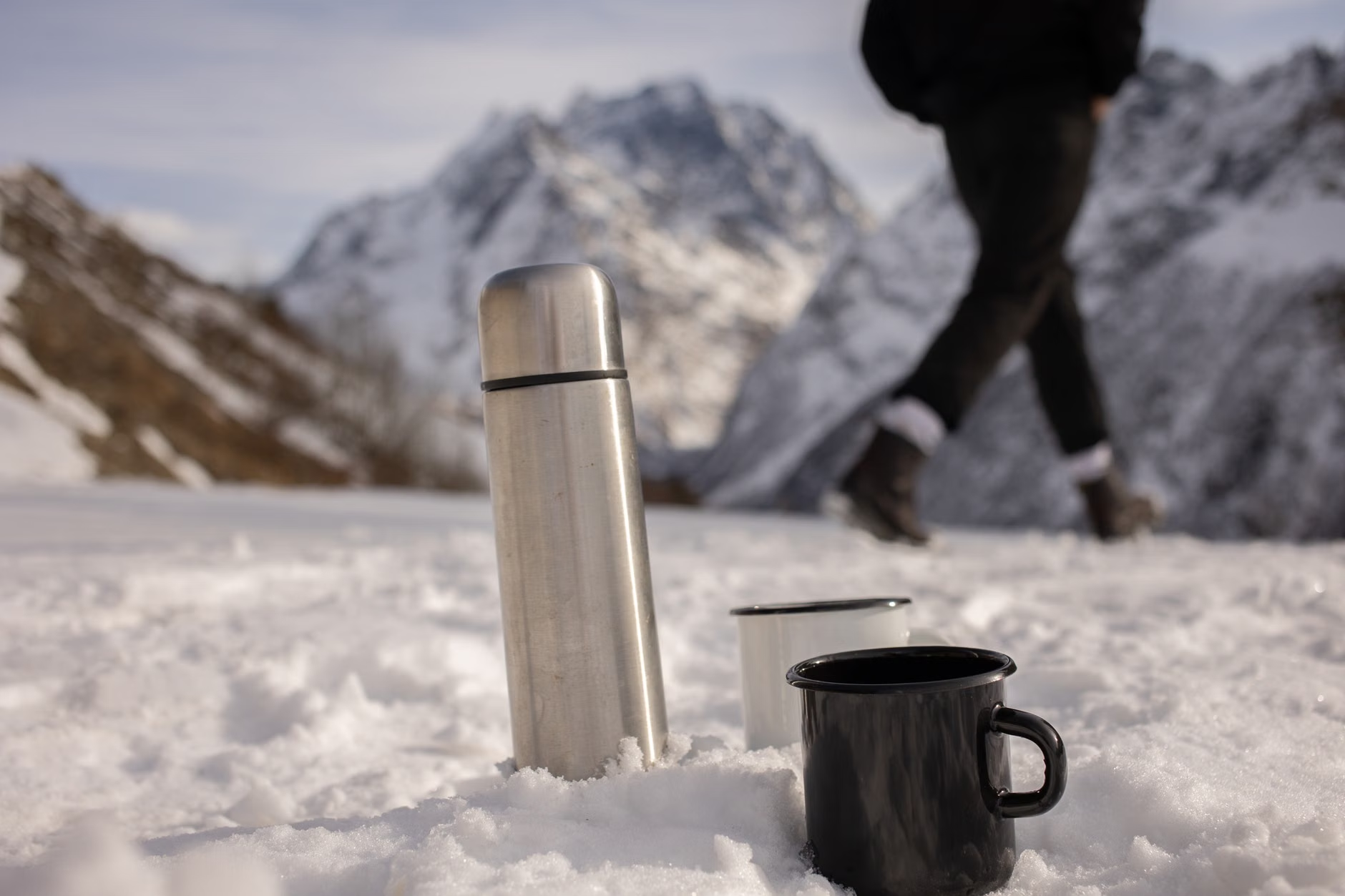
Don’t be afraid to keep the rides short. Twenty minutes of quality time is infinitely better than an hour of complaining. If you notice a child becoming quiet, grumpy, or showing signs of being overly cold (shivering, red ears, complaining of numbness), that is your signal to stop. Have a thermos of hot cocoa or warm apple cider ready in your bag. It acts as a powerful morale booster and a reward for their bravery in the elements.
Think of winter cycling as a way to “re-wild” your family time. In an era where screens dominate, the sensory input of a winter bike ride—the sound of tires on crunching frost, the smell of pine, the sting of cold air on the cheeks—is a vital reset for everyone’s nervous system.
Common Misconceptions and Solutions
“It’s too dangerous because of ice.”
While ice is a factor, most bike paths are cleared or melt quickly. If the conditions are truly icy, skip the ride. Use a “decision rule”: If you can’t walk comfortably in your boots on the path, don’t ride on it. It’s that simple.
“The kids will hate it.”
They will only hate it if they are cold or bored. Keep the ride interactive. Use a “Winter Bingo” card—items to find like a squirrel, a frozen leaf, a red berry, or a specific type of bird. When the focus is on the environment rather than the physical exertion, the cold becomes secondary.
“I need expensive gear.”
You don’t need dedicated, high-end cycling kit to start. Use the layers you already have. A regular windbreaker over a sweater is often just as effective as a specialized cycling jacket for a casual family ride. Focus your budget on safety (lights) and comfort (gloves and footwear).
Actionable Steps for Your Next Outing
- Check the Forecast: Don’t just look at the temperature; look at the wind chill. That is what you will actually feel.
- Test the Gear: Have everyone try on their layers the night before. If a coat is too tight, you’ll know now rather than when you’re ready to head out.
- Prepare the Bike: Check your tire pressure and chain lubrication the evening before.
- Pack the Warmth: A thermos of hot tea or cocoa is not optional—it is your primary tool for extending the fun.
- Set a Realistic Goal: Aim for a destination with a “treat” at the end, like a park bench with a view or a specific landmark.
Winter is not a pause button on your life. It is a different chapter. By embracing the slow-adventure mindset, you aren’t just surviving the winter; you are reclaiming it. Grab your bikes, bundle up, and go find a quiet trail. You’ll be surprised at how much you actually enjoy the cold.
Frequently Asked Questions
Q: What is the minimum temperature for taking kids out on a bike in winter?
A: There is no official “minimum” temperature, but a good rule of thumb for families is to avoid riding when it’s below -5°C (23°F) for extended periods, especially if there is a strong wind chill. At these temperatures, the risk of frostbite on exposed skin (like cheeks or noses) increases significantly, and the effort required to stay warm often outweighs the fun. Always prioritize the youngest family member’s comfort.
Q: How do I keep my child’s feet warm in a bike seat?
A: The feet are the most vulnerable part because they are stationary. Use wool socks, followed by a pair of insulated boots. If it’s very cold, you can place a “toe warmer” heat pack inside the boot (ensure it doesn’t cause pressure points). Another pro-tip is to wrap the child’s feet in a small fleece blanket or use a dedicated “foot muff” designed for strollers, which can often be adapted for bike seats.
Q: Should I use studded tires for family winter cycling?
A: Studded tires are excellent for icy, hard-packed snow conditions, but they are unnecessary for casual, slow-adventure rides on maintained paths. They increase rolling resistance and are expensive. If you find yourself needing studs to feel safe, it is likely that the conditions are too hazardous for a casual family ride. Stick to cleared paths and standard tires with good tread.
For more information on bicycle safety and winter maintenance, visit your national cycling organization’s resources, such as Cycling UK or your local government’s transport department website for regional weather-specific cycling guidance.