The most effective way to reset your mental bandwidth in your 30s and 40s isn’t a beach resort or a frantic city break; it is traveling to a certified Dark-Sky park during the winter months when the early sunsets and crisp, dry air provide the clearest celestial view of the year.
- Winter is optimal: Longer nights and lower humidity mean higher atmospheric clarity, allowing you to see the Milky Way even with modest equipment.
- Certified locations matter: Look for IDA (International Dark-Sky Association) certified parks to ensure you are escaping light pollution, not just driving to a rural area.
- Preparation is the primary barrier: The difference between a failed trip and a life-changing experience is physical warmth management—if you are cold, you won’t stay outside to see the stars.
If your life feels like a constant sequence of school runs, work deadlines, and domestic logistics, the idea of “escaping” often feels like just another task on the to-do list. We tend to book vacations that are just as busy as our daily lives—theme parks, sightseeing marathons, or crowded resorts. But what if the best way to disconnect is to go somewhere where there is literally nothing to do but look up?
Dark-Sky tourism is not just for amateur astronomers. It is a strategic intervention for parents who are perpetually overstimulated. By placing yourself in an environment where human-made light is strictly regulated, you force your brain to shift focus from the immediate, screen-heavy reality to a vast, silent perspective. Here is how to execute this as a winter getaway strategy.
Why Winter is the Secret Season for Stargazing
Most families assume summer is the best time for outdoor travel, but for stargazing, summer is often the worst season. In the Northern Hemisphere, summer nights are short, humid, and hazy. Water vapor in the air scatters light, creating a “murk” that obscures distant stars.
Winter, however, offers the “astronomer’s advantage.” Cold air holds less moisture than warm air, which means the atmosphere is significantly more transparent. When you combine this with the fact that the sun sets as early as 4:30 PM in many northern latitudes, you have a massive window of darkness. You don’t need to keep the kids up until midnight to see the constellations; you can be back in your pajamas by 8:00 PM and still have spent three hours under a pristine sky.
Beyond the physics, there is the psychological component. There is a specific, profound silence that comes with a snow-covered landscape at night. Sound is dampened, the visual noise of urban life is gone, and the temperature forces you to move slower. It is the antithesis of the modern parenting experience.
How to Identify a Genuine ‘Dark-Sky’ Destination
Don’t fall for the “rural” trap. Just because a place is outside a city does not mean it is dark. Light pollution—the glow from streetlights, businesses, and residential areas—travels much further than people realize. If you can see the orange glow of a town on the horizon, you are not in a Dark-Sky park.
The gold standard is the International Dark-Sky Association (IDA). They designate areas as International Dark Sky Parks, Reserves, or Sanctuaries based on their commitment to lighting policies and sky quality. When you search for a destination, prioritize these certified locations. They have already done the vetting for you.
When choosing a location, consider the “Bortle Scale.” This is a nine-level numerical scale that measures the night sky’s brightness. A Class 1 sky is the darkest possible; a Class 9 is inner-city light pollution. For your getaway, aim for a Class 1 to 3 location. Anything higher, and you will miss the faint nebulae and galaxies that make the trip worthwhile.
The Logistics of Keeping Kids Warm (And Why It’s Non-Negotiable)
The primary reason most parents abandon stargazing with children is simple: they get cold. If a child is shivering, they will not be awestruck by the Andromeda Galaxy; they will be begging to go back inside. You need to treat this like an expedition, not a walk in the park.
The “Rule of Three” for winter stargazing clothing:
| Layer | Material | Purpose |
|---|---|---|
| Base | Merino Wool or Synthetic | Wicks moisture away from the skin. Never use cotton. |
| Mid | Fleece or Down | Traps body heat. The thicker, the better. |
| Outer | Windproof/Waterproof | Prevents heat loss from wind chill. Essential for open fields. |
Beyond clothing, bring external heat sources. A thermos of hot cocoa is a cliché for a reason—it works. However, the real game-changer is chemical hand warmers. Keep a few in your pockets, and more importantly, put them inside the kids’ boots before you head out. A cold foot is an immediate deal-breaker for a 7-year-old.
Essential Gear: What You Actually Need vs. What You Think You Need
There is a common misconception that you need a massive, expensive telescope to enjoy the night sky. In reality, a telescope can be a source of frustration for beginners. They are heavy, difficult to align, and have a very narrow field of view—which means if your child bumps it, you have to spend ten minutes recalibrating it.
For your first few trips, follow this hierarchy of equipment:
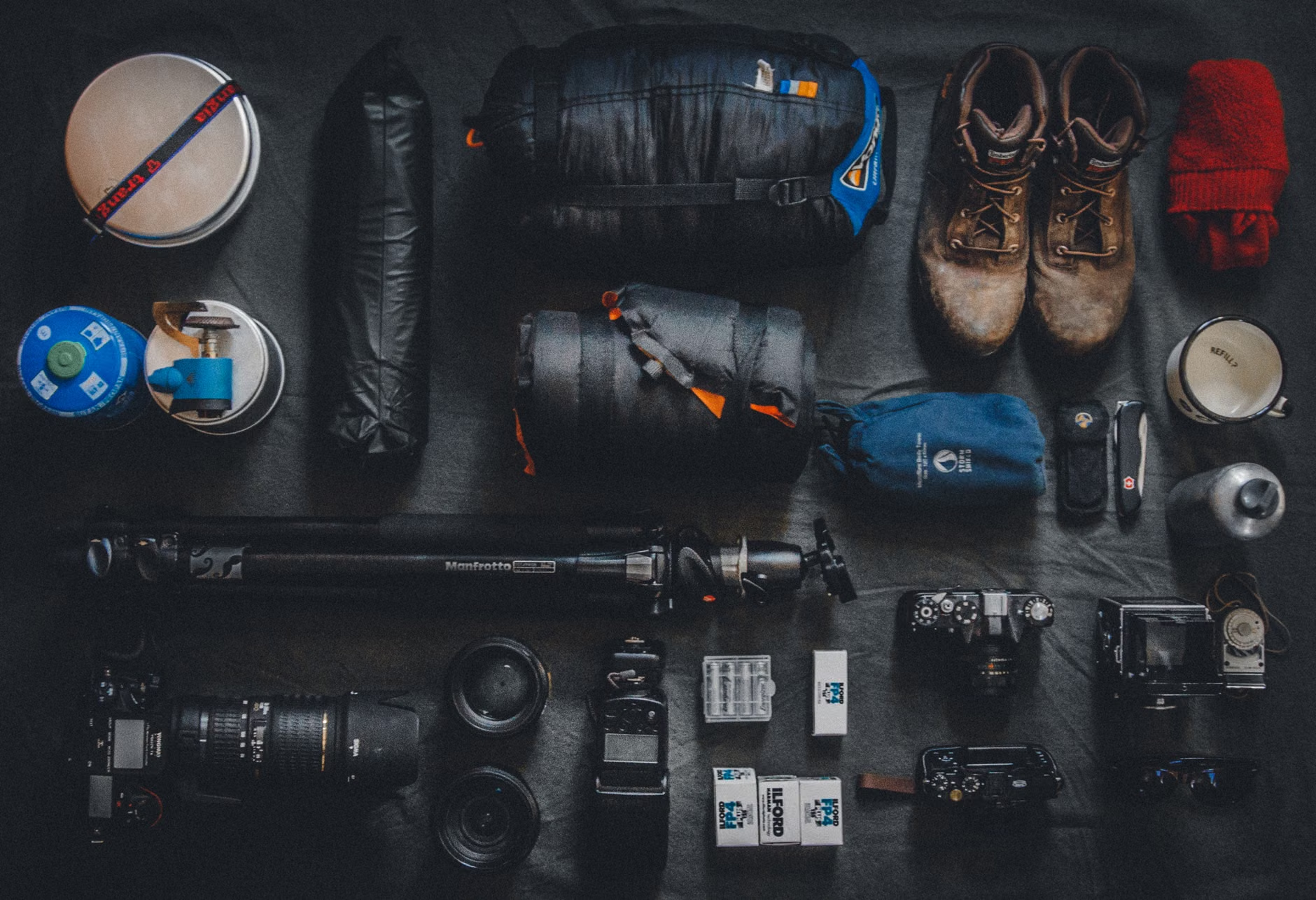
- Your Eyes: Allow 20-30 minutes for your eyes to fully adjust to the dark. Do not look at your phone. Even a quick check of an email will reset your night vision, and you will have to wait another 20 minutes to see the fainter stars.
- Red-Light Flashlights: White light destroys night vision. Use a red-light headlamp to navigate. You can buy these at any outdoor store or simply cover a regular flashlight with red cellophane.
- Binoculars: A pair of 10×50 binoculars is significantly better for a family than a cheap telescope. They offer a wider field of view, are easier to use, and allow you to scan the Milky Way and see craters on the moon with surprising detail.
- Star Maps or Apps: Use apps like SkySafari or Stellarium. These apps have a “night mode” that turns the screen red, preserving your vision.
Common Mistakes and How to Avoid Them
The biggest mistake is over-scheduling. Do not plan a full day of hiking or activities before a night of stargazing. If you are exhausted, you will not have the patience for the long, quiet periods that stargazing requires. Treat the day of the stargazing as a “low-energy” day. Read books, play board games, and ensure everyone has a nap in the afternoon.
Another mistake is picking the wrong week of the month. You must check the Lunar Calendar. A full moon is beautiful, but it acts like a giant, natural light-pollution machine. It washes out the sky, making it impossible to see the faint stars and deep-space objects. The best time to go is around the “New Moon” phase, when the moon is not visible in the sky.
Finally, avoid the “destination trap.” If you are staying at a lodge, ensure it is truly isolated. Some “stargazing hotels” are located just a few miles outside of a town. Check Google Maps Satellite View. If you see a cluster of streetlights or a town center within a 10-mile radius, keep looking. Total darkness is a binary state; you either have it, or you don’t.
The Psychological Reset: Why This Matters for Parents
In our 30s and 40s, we are often managing “decision fatigue.” We are constantly choosing what to eat, where to go, what to buy, and how to manage our children’s schedules. Stargazing is the opposite of decision-making. You sit, you look, and you exist. There is no interaction required, no feedback loop, and no objective to “win.”
This is a form of active meditation. When you look up at the stars, you are engaging with the “Overview Effect”—a concept usually reserved for astronauts. It is the cognitive shift that occurs when you realize your daily stressors are infinitesimal in the grand scheme of the universe. It doesn’t solve your problems, but it changes your relationship to them. It provides a necessary distance that allows you to return to your daily life with a clearer head.
Planning Your First Trip: A Step-by-Step Guide
Step 1: Choose your window. Consult a moon phase calendar. Aim for the 3-4 days surrounding the New Moon. If that doesn’t align with your schedule, aim for the first or last quarter, but avoid the Full Moon at all costs.
Step 2: Book the right accommodation. Look for “Dark Sky Friendly” lodges. Many of these places provide telescopes for guest use, which saves you from buying your own. Check reviews specifically for comments on light pollution.
Step 3: Prepare the kids. Don’t frame it as “we are going to learn astronomy.” Frame it as a “nighttime adventure.” Let them stay up late, bring blankets, and make it a special event. If they are bored, let them draw or listen to an audiobook while you stargaze. The goal is for them to feel comfortable in the dark.
Step 4: Check the weather. This is the most frustrating part. You can plan everything perfectly, and clouds can ruin it. Always have a “Plan B” for the evening—a good board game, a movie, or a cozy fireplace session. If the clouds don’t clear, don’t force it. The sky will be there another time.
Final Thoughts on the Value of Stillness
Dark-Sky tourism is a commitment to doing less. In a world that rewards constant productivity, choosing to spend your limited vacation time sitting in the dark might feel counter-intuitive. However, the return on investment is not measured in photos or souvenirs, but in the quality of your rest.
By stepping away from the artificial light that defines our modern existence, you are giving your nervous system a chance to regulate. You are showing your children that there is wonder to be found in silence and that not everything in life needs to be loud or bright to be valuable. So, for your next winter escape, skip the crowded ski resort or the busy city center. Find the darkness, look up, and let the silence do the work for you.
Useful Resources:
Frequently Asked Questions
Q: My kids are young (under 5). Is this trip worth it?
A: It depends on your expectations. If you want a full night of deep astronomical observation, it might be difficult. However, if you treat it as a “night hike” where you stay out for 30-60 minutes, it is a great way to introduce them to the night sky. Keep the experience short, prioritize warmth, and don’t push them to stay up too late. The goal is to make the experience positive, not to turn them into scientists.
Q: Is there any way to stargaze if I live in a city with high light pollution?
A: While true Dark-Sky tourism requires travel, you can still practice in the city. Focus on the brightest objects: the Moon, Jupiter, Saturn, and the brightest stars like Sirius or Vega. Even in a city, a pair of 10×50 binoculars will show you significantly more detail on the moon than your naked eye. However, to see the Milky Way or deep-sky objects, you will eventually need to travel to a rural location.
Q: What happens if the weather is bad during my trip?
A: Weather is the biggest variable in stargazing. Always research the “cloud cover” forecast for your destination 48 hours before you leave. If the forecast looks consistently cloudy, be prepared to pivot. This is why booking a place with a comfortable interior—like a cabin with a fireplace or a library—is essential. You aren’t just booking a sky; you are booking a retreat. If the stars don’t appear, you still have a relaxing, quiet getaway in nature.