The most effective way to manage your child’s toy collection is to stop viewing “more” as a metric of success and instead adopt a “Post-Growth” curation strategy that prioritizes engagement over accumulation.
Key Takeaways:
- Quality over Quantity: Research indicates that children with fewer toys play for longer periods and demonstrate deeper creative engagement than those with an abundance of choices.
- The Rotation System: By keeping only 20% of toys in active circulation at any given time, you can maintain novelty without purchasing new items.
- Open-Ended Play: Focus on “low-information” toys (blocks, silks, loose parts) that require the child’s imagination to function, rather than battery-operated gadgets that dictate the play pattern.
If you have ever stepped on a stray plastic brick at 2:00 AM or felt the creeping anxiety of a playroom that looks like a toy store exploded, you are not alone. In our 30s and 40s, we are often caught in a tug-of-war between the desire to provide our children with everything they might need and the reality of limited space, limited time, and the mental load of managing “stuff.”
The “Post-Growth” toy strategy isn’t about deprivation or living in a sterile, joyless environment. It is about applying the economic concept of post-growth—the idea that infinite expansion is neither sustainable nor beneficial—to your home environment. We are shifting the goal from “having more” to “experiencing more depth.”
Why Your Child’s Brain Actually Prefers Less
We often assume that a large variety of toys provides a “stimulating environment.” However, developmental psychologists have consistently found the opposite. A 2017 study published in the journal Infant Behavior and Development demonstrated that toddlers with fewer toys in their immediate environment played with each toy for longer, engaged in more creative play, and developed better focus.
Think of it like a buffet. When there are 50 items on the table, you might take a small bite of everything, feel overwhelmed, and finish none of it. When there are three high-quality, nutritious options, you eat, you enjoy, and you are satisfied. For a child, an overflowing toy box creates “decision fatigue.” They see a mess, they feel overwhelmed, and they end up dumping the entire bin on the floor just to find the one thing they wanted, only to abandon it minutes later.
The “Post-Growth” mindset recognizes that a toy’s value is not in its price tag or its brand, but in its potential for interaction. A toy that does everything—lights up, talks, sings, and moves—is essentially a passive experience for the child. The child becomes a spectator. A set of simple wooden blocks, however, is a blank canvas. It can be a castle, a space station, or a fence for plastic animals. The child is the creator.
The Hidden Cost of “Convenience” Toys
We are often tempted by battery-operated toys because they offer a “break” for the parent—the toy keeps the child occupied with flashing lights and repetitive songs. But there is a hidden cost: sensory overload. When a toy provides all the sensory input (sound, movement, light), the child’s brain doesn’t have to work. Over time, this can lead to a diminished attention span for quieter, more complex tasks like reading or drawing.
Step-by-Step: Implementing the Curation Strategy
Transitioning to a curated environment doesn’t have to happen overnight. In fact, doing it slowly allows your child to adjust and prevents the “where did my stuff go?” meltdown. Here is how to execute this in your own home.
Step 1: The Total Inventory Audit
Gather every toy in the house. Yes, every single one. Sort them into three categories: Keep, Donate, and Rotate.
- Keep: Toys that are high-quality, open-ended, and currently being used.
- Donate: Broken items, toys with missing parts that render them useless, and toys your child has clearly outgrown.
- Rotate: Items that are perfectly good but currently cluttering the space. These will go into storage bins in a closet or garage.
Step 2: The “Low-Information” Rule
When deciding what to keep, prioritize items that follow the “10% rule”: A toy should be 90% child-driven and 10% toy-driven. If the toy comes with a specific “play script”—like a superhero action figure that only says three phrases—it is a low-potential item. If it is a set of magnetic tiles, it has high-potential.
Step 3: Creating the “Library” System
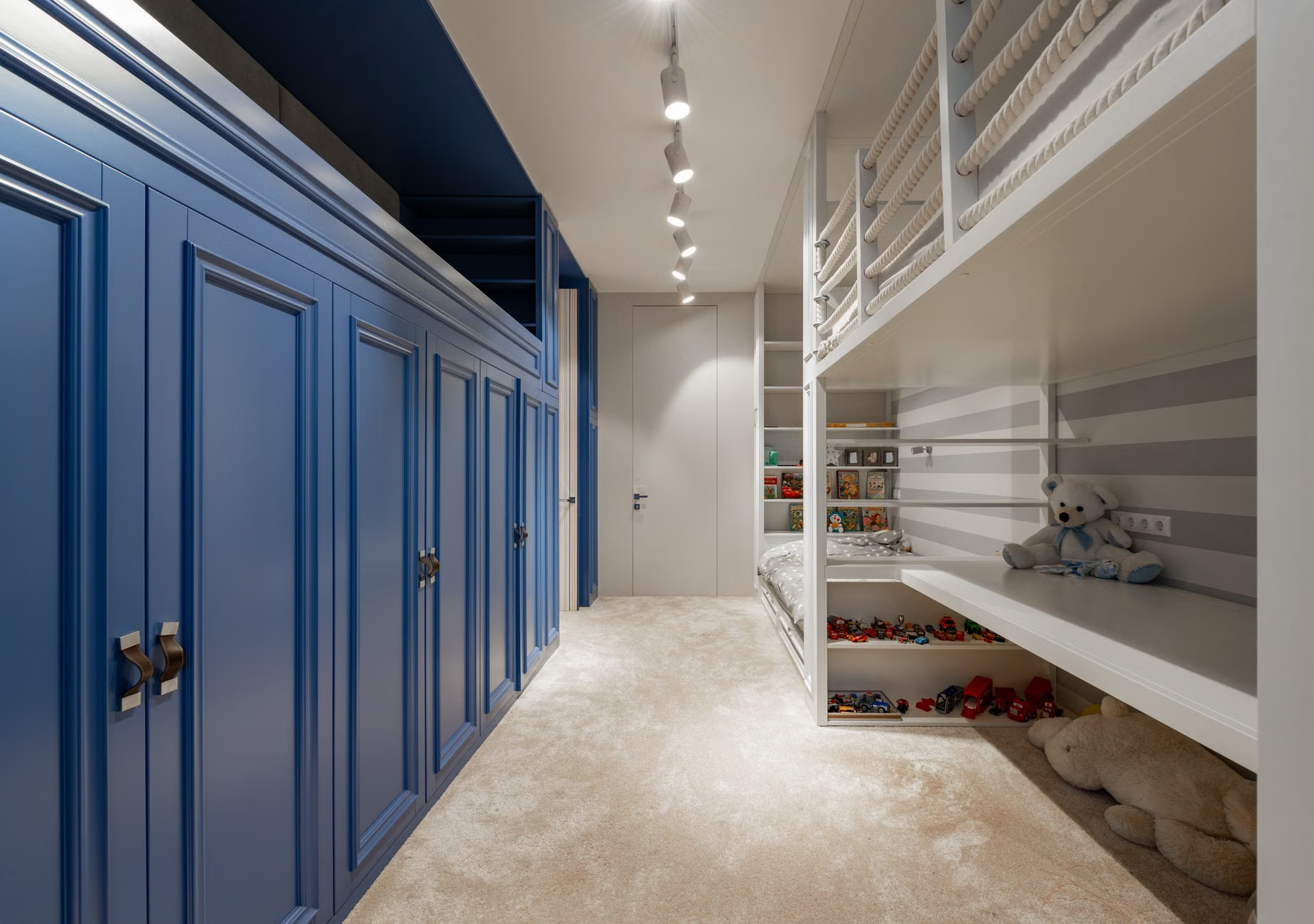
Once you have your “Rotate” pile, do not put them in a box where they are forgotten. Treat your storage like a library. Keep the rotation bins organized. Every two to four weeks, swap out the items in the main play area with items from the library. This creates a “new toy” effect without spending a cent, and it keeps the playroom feeling fresh and exciting.
| Category | Examples | Retention Strategy |
|---|---|---|
| Foundational | Blocks, tiles, baseboards | Keep these out 100% of the time. |
| Roleplay | Kitchen, dress-up, dolls | Rotate these monthly to shift play themes. |
| Sensory/Art | Playdough, beads, paints | Keep accessible but strictly monitored. |
| Consumables | Stickers, coloring books | Discard once finished; do not store. |
Managing the “Gift” Problem
One of the biggest hurdles for parents in their 30s and 40s is the influx of gifts from well-meaning relatives. We feel guilty if we don’t keep every plastic trinket gifted at a birthday party or holiday. However, your home is not a museum for your child’s social history.
Establish a “One-In, One-Out” rule for gifts. If a new toy enters the house, an old one must be donated or moved to the rotation bin. If you are worried about hurting feelings, be transparent with your family. Tell them, “We are really focusing on open-ended play this year. If you want to get them something, we would love books, art supplies, or experiences like museum passes.”
Most relatives are actually relieved to have guidance. They want to give something you will appreciate. By providing a “wish list” of high-quality items, you prevent the influx of low-quality, space-consuming items that end up in the trash within a month.
The Psychological Shift: From “Buying” to “Facilitating”
As parents, we often feel that our primary job is to provide. We equate “providing” with “giving things.” But in the post-growth model, your job is to provide space. You are the curator of their environment. By curating, you are teaching your child how to make choices, how to value what they have, and how to find satisfaction in the process of creation rather than the act of consumption.
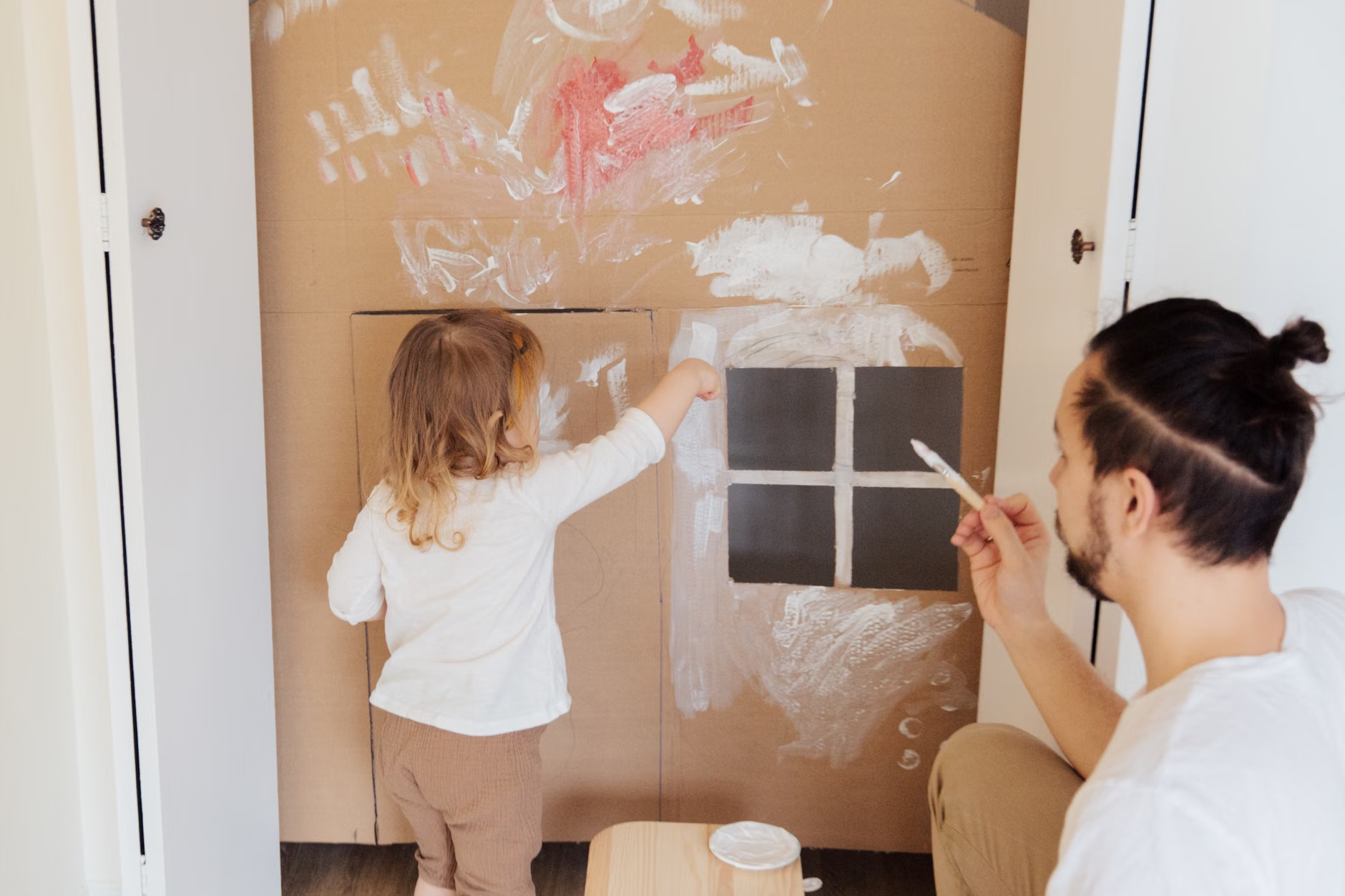
This is a significant shift. It requires you to be comfortable with a bit of “boredom.” When a child is surrounded by 50 toys, they are never bored because they can always switch to the next shiny thing. When they are surrounded by a few, they might experience boredom. Boredom is the precursor to imagination. It is in that space of “there is nothing to do” that a child starts to look at a cardboard box and see a spaceship.
Common Pitfalls and How to Avoid Them
Even with the best intentions, the process can hit a few snags. Here are the most common mistakes I see parents make when trying to declutter the play space.
Mistake 1: The “Purge” Without Consent
Never throw away or donate your child’s toys while they are at school or asleep. This destroys trust. Even a three-year-old deserves autonomy over their “stuff.” Instead, make the curation process a collaborative one. “Look, we have so many blocks that we can’t even see the floor. Which ones do you want to keep for the big building projects, and which ones should we donate to other kids who don’t have any?”
Mistake 2: Ignoring the Storage Reality
If you don’t have a system for where the toys “live,” the floor becomes the default storage. Every item must have a home. If the bin for the toy cars is full, you cannot add more cars. This teaches the child that space is finite and that they have to make decisions about what is most important to them.
Mistake 3: Over-Categorizing
Don’t be the parent who organizes every single brick by color. That is for your satisfaction, not theirs. Keep categories broad: “Building,” “Animals,” “Cars,” “Art.” If the system is too complex, the child will never be able to maintain it, and the responsibility will fall entirely on you.
The Long-Term Impact on Family Life
The beauty of this strategy is that it extends far beyond the playroom. When you practice the “Post-Growth” strategy with toys, you naturally start applying it to other areas of the house. You start questioning why you have six sets of kitchen gadgets you never use, or why you keep clothes that don’t fit. You are modeling a lifestyle of intentionality.
For your children, this is the most valuable lesson they can learn. In a world that is constantly screaming at them to consume, to want more, and to equate happiness with newness, you are giving them the tools to be content. You are showing them that they are enough, their creativity is enough, and that joy is found in the connection between people, not in the accumulation of plastic objects.
This does not mean you stop buying toys entirely. It means you stop buying toys as a reflex. You stop using toys as a pacifier. You start buying toys that are an investment in their development, and you cherish them accordingly. The result is a home that feels lighter, a child who is more engaged, and a parent who isn’t constantly tripping over the remains of an afternoon’s play.
Actionable Next Steps for This Weekend
If you feel ready to start, don’t try to tackle the entire house. Pick one area—the main toy bin or the playroom shelf—and spend 30 minutes there. Don’t aim for perfection; aim for progress. The goal is to create a space that invites play rather than one that demands cleanup.
Remember, the goal is not to have a “minimalist” home for the sake of aesthetics. The goal is to reduce the friction in your daily life so you can spend your limited time doing what really matters: interacting with your kids, not managing their inventory.
Frequently Asked Questions
Q: My child gets upset when I suggest donating toys. How do I handle the emotional attachment?
A: Acknowledge the emotion without caving in. Use the “Rotation” technique as a bridge. If they are attached but never play with it, put it in the “Library” bin. If they don’t ask for it after three months, they have likely moved on, and you can revisit the donation conversation then. Focus on the idea of “passing it on” to another child who will love it as much as they did.
Q: How do I handle grandparents who insist on buying large, noisy toys?
A: This is a common boundary issue. Be kind but firm. Explain that your home has limited space and that you are trying to prioritize open-ended play for the child’s development. Suggest specific, smaller items that fit your criteria, or ask them to contribute to a “fund” for a larger, higher-quality item that you have vetted. If they do bring something loud, keep it at their house if possible.
Q: Is this strategy suitable for children with ADHD or sensory processing needs?
A: Actually, it is often more beneficial. Children with sensory processing needs or attention challenges are frequently overwhelmed by visual clutter. A simplified, curated environment can significantly reduce their baseline stress levels and make it easier for them to focus on a single task. Observe how your child reacts to a “thinned out” space; if they seem calmer, you are on the right track.
For further reading on the impact of environment on child development, you may find the following resources helpful:
- Infant Behavior and Development (Journal) – Research on toy quantity and play quality.
- National Association for the Education of Young Children (NAEYC) – Guidelines on play-based learning and environment.
Start small, stay consistent, and remember that you are building a home, not a toy store. Your energy is better spent on the floor playing with your kids than it is organizing the mountain of plastic they don’t even use.