The most effective strategy for managing airport stress with a neurodivergent child is to bypass the chaotic main terminal entirely by securing access to a “quiet zone” lounge, which acts as a predictable, controlled environment that significantly reduces sensory overload.
- Lounge Access is a Sensory Tool: Airport lounges are not just for luxury; for neurodivergent children, they serve as a regulated environment that mitigates the high-stimulus triggers of terminal concourses.
- Strategic Timing Matters: Booking access for “off-peak” hours—usually mid-morning or mid-afternoon—ensures the lounge remains at its lowest occupancy, offering the most control over the environment.
- Pre-Flight Verification: Always call or email the specific lounge operator 48 hours before your flight to confirm if they offer a “quiet room” or sensory-friendly seating, as policies vary by location and operator.
If you have ever stood in the middle of a bustling international airport terminal, watching the fluorescent lights flicker while a PA system blares gate changes, you know exactly why travel feels like a sensory minefield. For neurodivergent children—those with autism, ADHD, or sensory processing differences—this environment isn’t just “busy”; it is physically overwhelming. The combination of unpredictable noises, harsh lighting, and the claustrophobia of crowds can trigger a meltdown before you even board the plane.
The good news is that you don’t have to accept this as the “normal” part of travel. Over the last few years, the travel industry has begun to recognize that for families with neurodivergent members, a lounge isn’t a status symbol; it is a vital piece of support equipment. Here is how you can use airport lounges to reclaim your family’s travel experience.
Why Airport Lounges Are the Ultimate Sensory Management Tool
To understand why a lounge is different from a gate area, we have to look at the “Sensory Budget.” Every person has a finite amount of sensory processing energy. In a standard airport terminal, that budget is depleted within minutes by the “cacophony of travel”: the screech of rolling luggage, the high-frequency hum of ventilation systems, and the erratic movement of thousands of people.
A lounge provides a controlled “sensory floor.” By paying for access—or using credit card rewards—you are essentially buying a barrier between your child and the sensory chaos of the airport. The difference between a crowded gate and a decent lounge is often the difference between a regulated child and one who is in a state of high-alert fight-or-flight mode.
The “Predictability Factor”: Neurodivergent children often rely on routine and predictability. Lounges offer consistent seating arrangements, reliable access to food, and private, cleaner restrooms. When a child knows exactly where they are sitting and that they have a stable, quiet place to wait, their anxiety levels drop significantly.
Selecting the Right Lounge for Your Family’s Needs
Not all lounges are created equal. Some are designed for business travelers who want high-speed Wi-Fi and open-plan seating, while others offer “family rooms” or quiet zones. When evaluating a lounge, you need to look past the “free buffet” marketing and focus on the physical layout.
The “Quiet Room” Check: Some modern airports, such as London Heathrow or Singapore Changi, have dedicated “quiet rooms” or “multi-faith” rooms that are exceptionally quiet. These are often separate from the main lounge. If you are choosing between a premium airline lounge and an independent lounge, choose the one with the highest square footage per guest. A crowded, high-end lounge is worse than a quiet, basic one.
| Lounge Type | Sensory Advantage | Best For |
|---|---|---|
| Airline-Specific Lounges | Usually more restricted entry, meaning lower occupancy. | Families with premium status or long layovers. |
| Independent Lounges | Often larger, with varied seating types (nooks, high-back chairs). | Families looking for flexible booking. |
| Airport “Quiet Rooms” | Zero stimulation, low light, no background music. | Immediate sensory recovery for children in distress. |
When comparing these, remember that the “best” choice is the one that offers the most physical space. If you have a child who needs to move or stim, a lounge with high-backed armchairs that provide a “cocoon” effect is superior to one with open bar-style seating.
Step-by-Step Strategy: From Gate Arrival to Boarding
Preparation is the difference between a successful trip and a disaster. If you wait until you are at the airport to figure out your plan, you are already behind. Follow this sequence to maximize your chances of a calm experience.
1. The 48-Hour Pre-Flight Audit
Email the lounge manager or the airport’s customer service team. Ask two questions: “Is the lounge currently undergoing renovations that might cause noise?” and “Do you have any areas with dim lighting or low-occupancy nooks?” You would be surprised how often staff will point you toward a quieter corner if you simply ask in advance.
2. Arrival Timing
Aim to enter the lounge 90 minutes before boarding. This gives you enough time to get your child settled, find a comfortable seat, and complete a “sensory sweep”—checking the bathroom, the food station, and the nearest exit—before the pre-flight nerves kick in.
3. The “Sensory Anchor”
Once you are in the lounge, establish an “anchor.” This is a specific seat or table that belongs to your child for the duration of your stay. Do not move from this spot unless necessary. Use this time to deploy your “sensory kit”—noise-canceling headphones, a tablet with downloaded content, and a weighted blanket or favorite fidget toy.
Common Mistakes That Ruin the Lounge Experience
The most common mistake parents make is assuming that “lounge access” automatically equals “peace and quiet.” This is not always true, especially during peak travel hours (usually 7:00 AM – 9:00 AM and 5:00 PM – 7:00 PM). If you book a lounge during these times, you are entering a space filled with stressed business travelers, which can be just as loud as the terminal.
The “Buffet Trap”: Many parents try to use the buffet as a distraction. However, the clattering of plates, the smell of food, and the social pressure of a food line can be a massive trigger. Instead, bring your child’s “safe foods” from home. Eat in the quietest corner of the lounge rather than at the communal food station.
Over-Reliance on Technology: While tablets are great, they can run out of battery or lose signal. Always have a “low-tech” backup: a physical sensory toy, a book, or a drawing pad. If the Wi-Fi in the lounge is spotty—which happens more often than you’d think—you don’t want a meltdown triggered by a buffering video.
For parents in their 30s and 40s, the cost of lounge access can be a significant deterrent. However, look at it as a “wellness expense.” If you have a travel-focused credit card, you likely already have access to programs like Priority Pass. If not, consider the cost of a one-time pass compared to the cost of a ruined vacation due to a pre-flight meltdown.
Hidden Variable: The “Guest Policy”: Many credit card lounge passes only cover the primary cardholder. Check your policy to see if a spouse or child is included. If not, pay for the guest pass in advance. Trying to handle payment at the door while your child is already experiencing sensory overload is a recipe for stress.

The Role of Sensory Kits: What to Pack
Your lounge strategy is only as good as the tools you bring with you. A “Sensory Kit” should be the first thing in your carry-on. This isn’t just about entertainment; it is about physiological regulation.
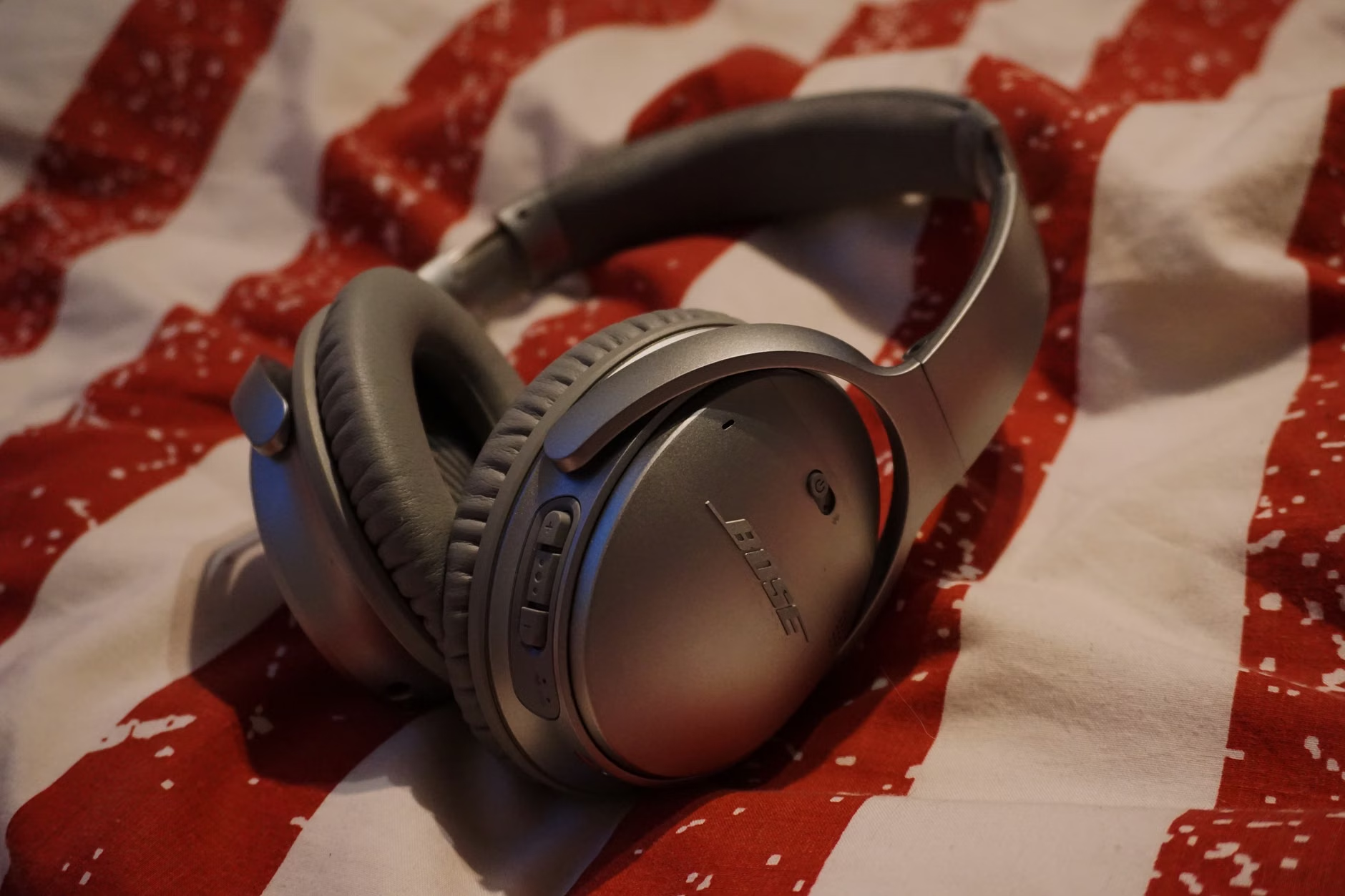
- Active Noise Cancellation (ANC): High-quality, over-the-ear headphones are non-negotiable. They block out the low-frequency hum of airport engines and the high-frequency chatter of crowds.
- Weighted Input: A small, portable weighted blanket or a weighted lap pad can provide the proprioceptive input many children need to feel grounded in a new environment.
- Visual “Blackout”: If your child struggles with bright, fluorescent airport lights, a simple baseball cap or a light hoodie can help them create a “visual tunnel,” limiting their peripheral input.
- Olfactory Comfort: Airports are filled with strong smells—perfume, cleaning chemicals, food. A small tin of a familiar, calming scent (like lavender or a scent the child finds neutral) can help mask overwhelming environmental odors.
Understanding Airport “Special Assistance” Services
Beyond lounges, most major international airports now offer “Hidden Disabilities” programs. These often include lanyards or stickers that signal to staff that your child may need extra time or a quieter path through security. These programs are not mutually exclusive with lounge access; they are complementary.
Use the airport’s special assistance line to ask if they have a “fast track” for security. Reducing the time spent in the security queue is, in many ways, more important than the time spent in the lounge. Security is the highest-stimulus zone in the entire airport. If you can move through that in five minutes rather than thirty, you arrive at your lounge in a much better state of regulation.
The Trade-off: When to Leave the Lounge
There is a point where the lounge stops being a sanctuary and starts being a waiting room. If you find that your child is becoming restless or that the lounge is getting crowded, do not feel obligated to stay until the very last minute. Sometimes, it is better to head to the gate early—before the boarding rush—and wait in a quiet, empty seating area near the gate, rather than staying in a crowded lounge where the child feels trapped.
Listen to your child’s cues. If they are pacing, vocalizing, or seeking deep pressure, they are telling you that they need a change of scenery. Your job is to facilitate that transition with as much grace as possible, keeping the focus on their comfort rather than the “value” of the lounge pass you paid for.
Summary of Actionable Steps
To summarize, your goal is to minimize sensory input from the moment you step into the airport to the moment you board. Start by identifying the lounge that best suits your needs, verify its layout through direct communication, and prepare a sensory kit that you can deploy at a moment’s notice.
Remember that the airport environment is designed for the “average” traveler, not for your child. It is perfectly acceptable—and highly recommended—to advocate for your family’s needs. If an airport offers a quiet room, use it. If you have the budget for a lounge, prioritize it as a health tool. Most importantly, keep your expectations realistic. Travel is rarely perfect, but with the right preparation, it can be manageable and, eventually, enjoyable.
The next time you plan a trip, don’t just look for the cheapest flight. Look at the airport map, identify the lounges, and build your transit time around the places that offer your family the most peace. Your child’s nervous system will thank you.
Frequently Asked Questions
Q: Are there any specific apps that help me find sensory-friendly spots in airports?
A: While there isn’t one “universal” app for sensory spots, the “Hidden Disabilities Sunflower” program (hiddendisabilitiesstore.com) provides resources for many major airports worldwide. Additionally, check the “Special Assistance” page on your specific airport’s official website; many now provide sensory maps that highlight quiet areas and help you avoid high-traffic zones.
Q: What should I do if the lounge is full and there is no quiet space?
A: If the lounge is overcrowded, it can actually be more stressful than the terminal. Ask the staff if there is a “reception” or “overflow” area that is quieter, or if they can recommend an alternative. If it’s truly chaotic, don’t hesitate to leave and find a less-trafficked gate area. You are not “losing” money by leaving; you are prioritizing your child’s well-being.
Q: How do I explain “sensory needs” to lounge staff if they question my child’s behavior?
A: Keep it brief and professional. You don’t need to provide a medical history. A simple statement like, “My child has a sensory processing difference and the noise level here is becoming overwhelming for them,” is usually enough to get staff to either help you find a quieter spot or offer assistance. Most staff are trained to be accommodating if they understand the specific constraint (in this case, noise or light sensitivity).
Official Resources for Further Planning: