- Dark-Sky Certification Matters: Only parks with official IDA (International Dark-Sky Association) certification guarantee the light-pollution-free conditions necessary for true astronomical viewing.
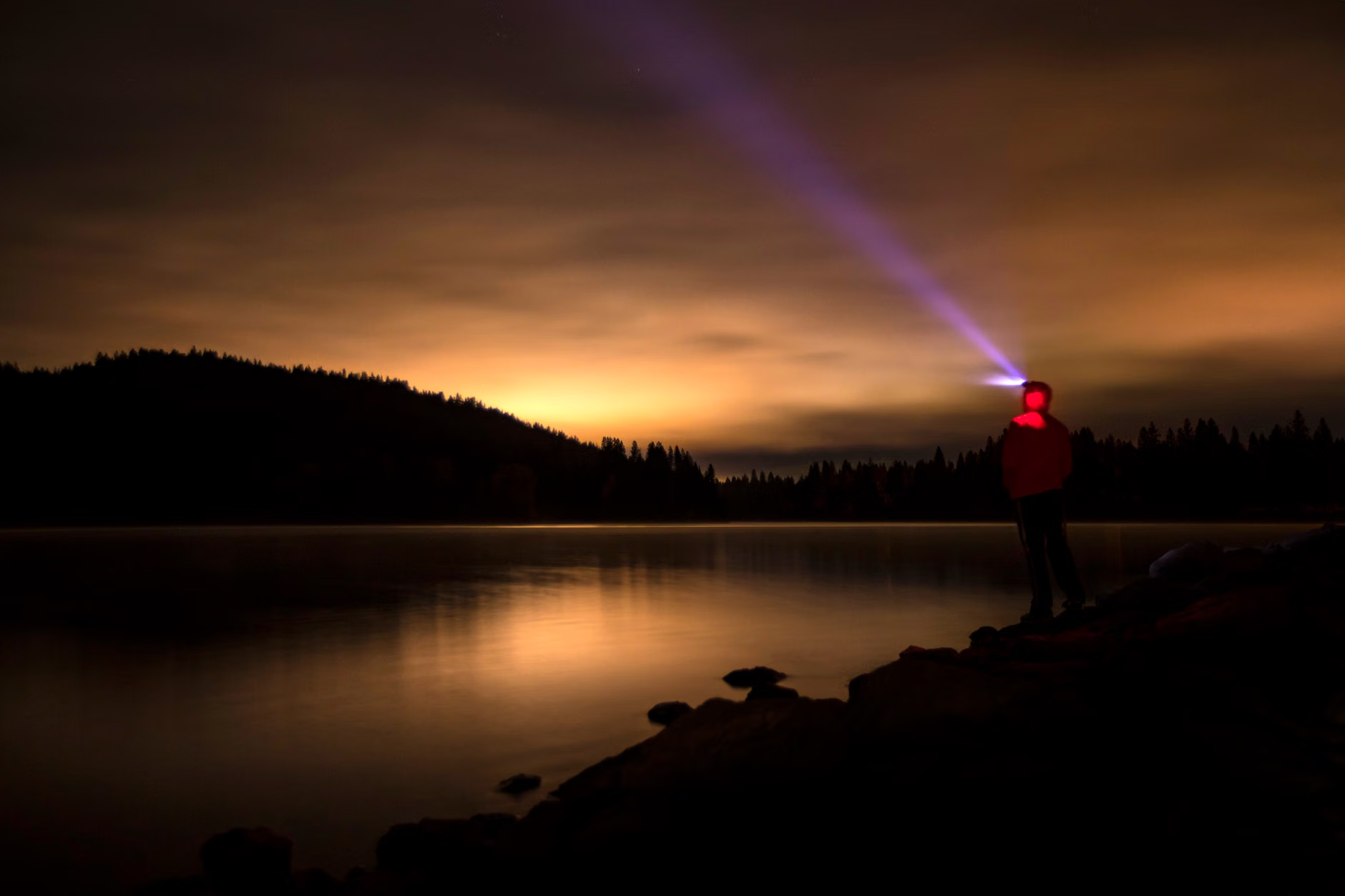
- The “Red Light” Rule: To maintain your night vision, always use red-filtered flashlights; white light will ruin your eyes’ ability to see faint stars for at least 20–30 minutes.
- Timing is Everything: Plan your visit during the “New Moon” phase or the week surrounding it to ensure the natural light of the moon doesn’t wash out the deep-sky objects you want to observe.
If you have spent your 30s or 40s living in a city, you have likely forgotten what the Milky Way actually looks like. Most of us see maybe a dozen stars on a clear night, obscured by the orange glow of streetlights and office buildings. Taking your kids to a “Dark-Sky Park” isn’t just a scenic trip; it is a fundamental shift in perspective. However, dragging children into the middle of nowhere in the dark requires more than just a sense of adventure—it requires a tactical plan.
When you are balancing a career, a mortgage, and the logistics of family life, you don’t have the luxury of “winging it” on a trip that relies on perfect weather and timing. This guide breaks down exactly how to navigate the Dark-Sky circuit, from selecting the right location to managing the inevitable “my feet are cold” moments that come with any outdoor excursion.
Why “Dark-Sky” Certification is Your Only Reliable Metric
Not every remote park is a good stargazing spot. Some are simply “dark-ish,” which means you might escape the city lights, but you will still deal with skyglow from nearby towns or highways. The International Dark-Sky Association (IDA) maintains a registry of certified locations that have taken specific, measurable steps to reduce light pollution. When choosing a destination, you should prioritize these sites.
For a parent, this certification provides a “guarantee of quality.” You aren’t just driving into the woods; you are going to a place with infrastructure—like parking lots with shielded lighting and, more importantly, safety. When you are standing in total darkness, knowing that you are in a protected area with managed access is a massive peace-of-mind factor.
Decision Rule: If you are planning a trip, check the IDA International Dark Sky Places finder first. If the park isn’t on this list, check its local municipal light ordinance. If they don’t have one, assume the night sky will be compromised by local development.
The Physics of Night Vision: Why Your Equipment Matters
The biggest mistake first-time stargazers make is bringing standard flashlights. Your eyes take about 20 to 30 minutes to fully “dark-adapt”—the process where your pupils dilate and your retinas become sensitive to low-light conditions. A single blast of white light from an iPhone or a standard LED flashlight resets that clock instantly. This is why every serious astronomer uses red light.
Red light has a longer wavelength, which doesn’t trigger the same chemical reaction in your rods (the light-sensitive cells in your eyes) as white or blue light. For parents, this is a practical hurdle. You need to keep track of your kids, find the car keys, and read a star map. If you use white light, you will spend your entire night waiting for your vision to return.
The Essential Gear Kit for Families
| Item | Purpose | Recommendation |
|---|---|---|
| Red-light Headlamp | Hands-free navigation | Look for ones with a dedicated “Red” mode, not just a red filter. |
| Insulated Ground Mat | Warmth and stability | The ground leaches heat faster than the air; bring thick foam pads. |
| Portable Sky Map | Orienting the kids | Apps like Stellarium (mobile) or a physical planisphere. |
| Thermos/Hot Cocoa | Keeping spirits high | Stargazing is a waiting game; warmth is the best incentive. |
Planning Around the Lunar Cycle: The “New Moon” Constraint
If you book your trip for a Full Moon, you have essentially wasted your time. A full moon is essentially a giant, natural light-pollution device. It washes out the faint nebulae, distant galaxies, and even the finer details of the Milky Way. For the best experience, you want to target the “New Moon” phase.
The “New Moon” is the moment when the moon is between the Earth and the Sun, making it invisible in the night sky. However, you don’t need to hit the exact day of the New Moon. The 5-day window surrounding it is generally perfect. During this time, the sky is at its darkest, and the contrast between the stars and the background is at its maximum.
A Common Mistake: Many parents assume that summer is the best time for stargazing because it is warmer. While summer nights are indeed comfortable, the “Milky Way core”—the brightest part of the galaxy—is best viewed during late spring through early autumn. If you go in the middle of winter, you might be shivering, but you will see the constellations of the winter sky, which are arguably more brilliant (Orion, Taurus, Canis Major).
Beyond the Telescope: Engaging Kids in the “Dark”
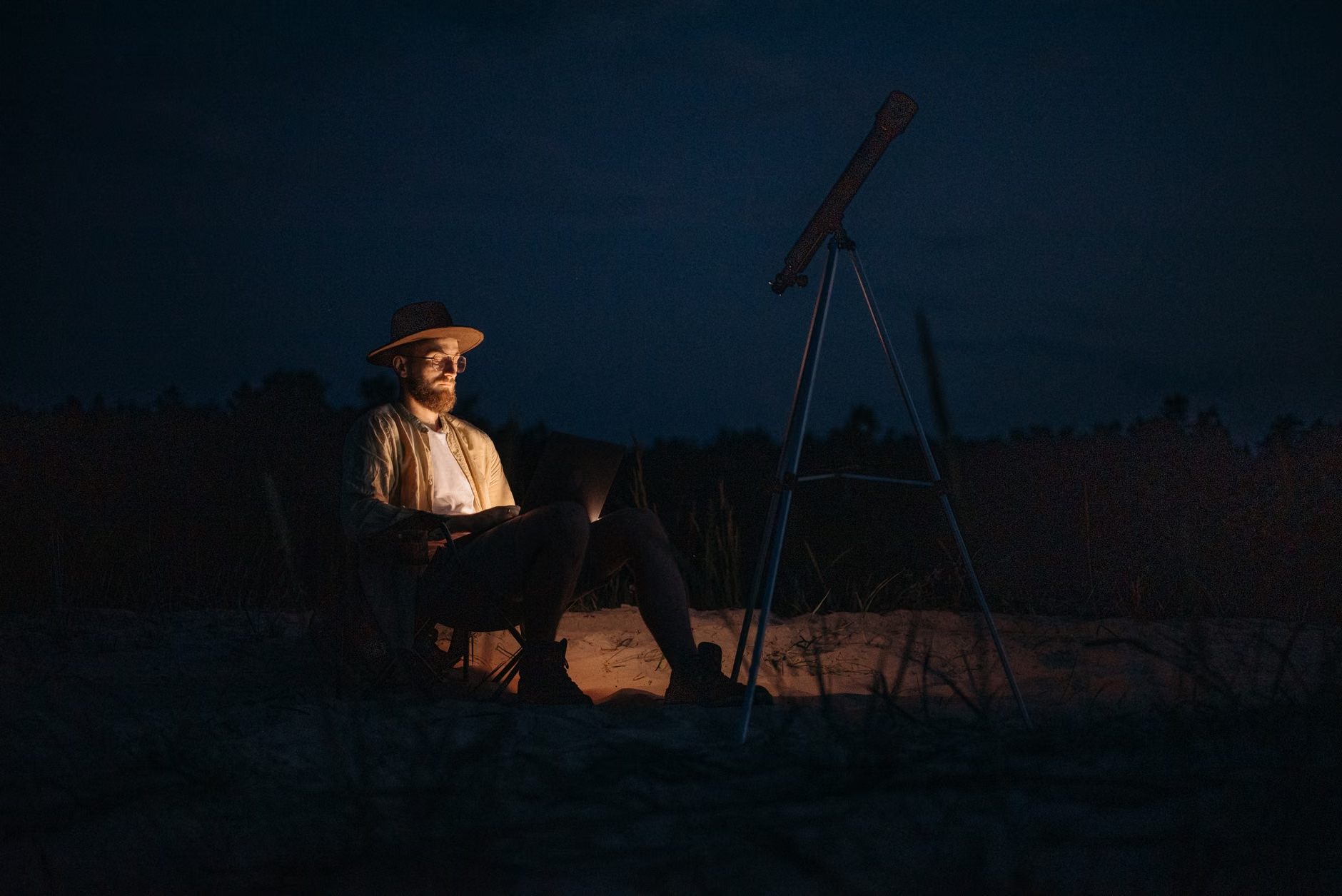
If you don’t have a telescope, don’t worry. In fact, for children under 10, a telescope can often be frustrating because it is hard to aim and the field of view is so narrow that they might not understand what they are looking at. Instead, start with “naked-eye astronomy.”
Teach them to use their peripheral vision. Because of how our eyes are wired, the center of our vision (the fovea) is actually less sensitive to low light than the outer edges of our retina. If you are looking at a faint star, tell your kids to look slightly to the side of it. This is called “averted vision,” and it is a technique professional astronomers use to see details that are otherwise invisible.
Make it a game. Instead of lecturing them about constellations, give them a simple star map and a red-light flashlight. Give them a “mission” to find the Summer Triangle or the North Star. If you turn it into a scavenger hunt, they will be much more engaged than if they are just expected to sit still and look up.
Managing Reality: The “Cold and Tired” Variable
Let’s be honest: stargazing is a sedentary activity that happens at night, which is exactly when kids are most prone to becoming irritable. The biggest risk to your stargazing trip isn’t cloudy weather; it’s the lack of preparation for the cold. Even in the middle of summer, temperatures in high-elevation or desert Dark-Sky parks drop significantly once the sun goes down.
Bring more layers than you think you need. A wool hat and a pair of gloves are non-negotiable, even if it was 25°C (77°F) during the day. If the kids are cold, they will not care about the Andromeda Galaxy. They will care about the car heater. By preemptively managing their comfort, you extend your viewing window by hours.
Pro Tip: Don’t try to stay out until 2:00 AM. For parents, the “sweet spot” is usually between 9:00 PM and 11:00 PM. This allows you to get the kids in bed at a reasonable hour while still getting a good two hours of prime viewing time. If you push it, you’ll be dealing with exhaustion the next day, which makes the entire trip feel like a chore rather than a vacation.
Technical Nuances: Apps vs. Reality
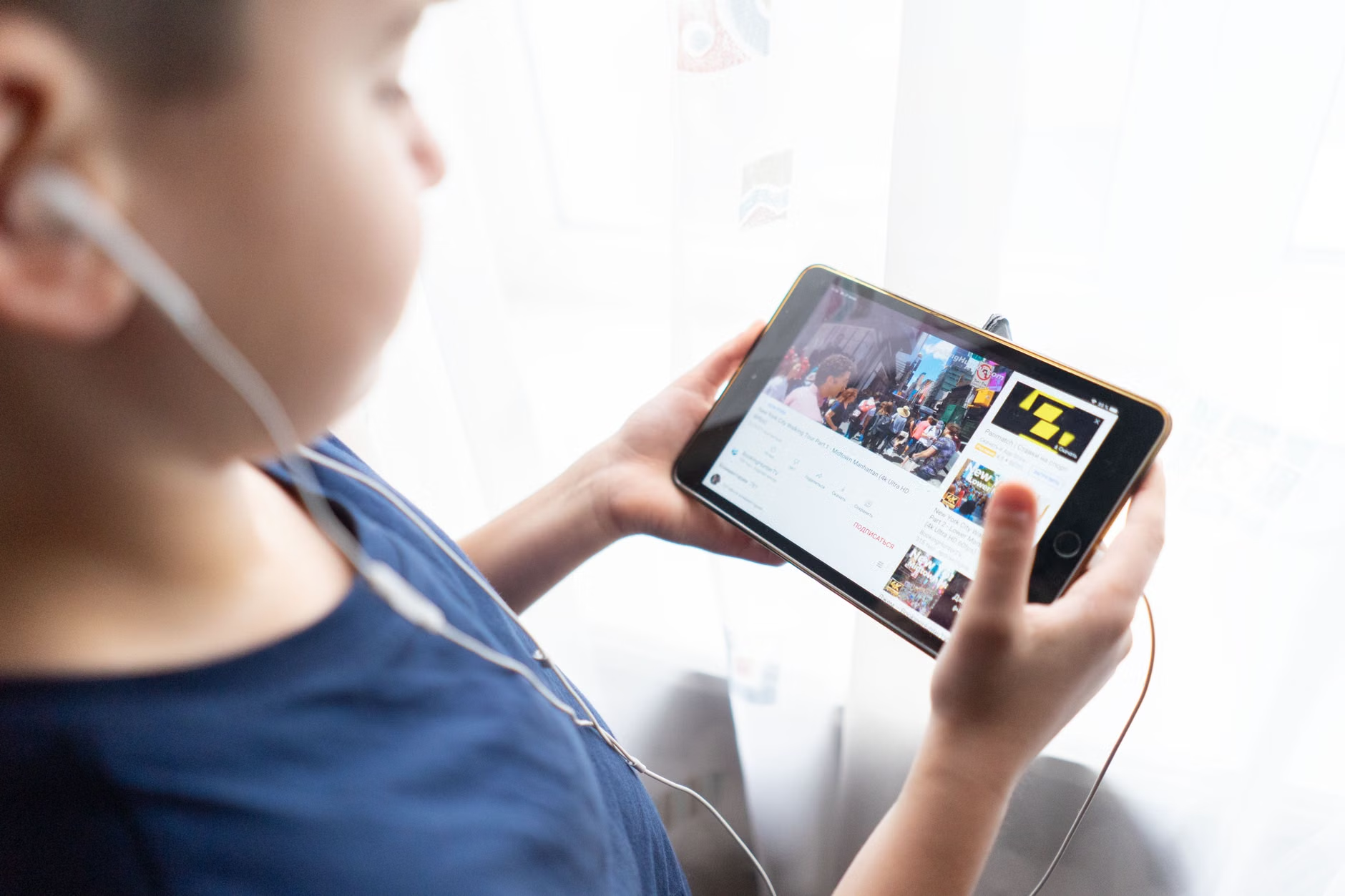
There are dozens of stargazing apps available. For most users, apps like Stellarium or SkySafari are excellent. They use your phone’s gyroscope to show you exactly what is behind your screen. However, you must ensure your phone is set to “Night Mode” or “Red Mode.”
If you are using an iPhone or Android device, look for the “Night Mode” setting inside the app itself. This doesn’t just lower the brightness; it shifts the color temperature of the entire interface to deep red. This is crucial. If you open a bright white map, you have just blinded yourself for the next 20 minutes.
Another point to consider is the trade-off between phone usage and engagement. Use the app to identify a constellation, then put the phone away. If you spend the whole night looking at your screen, you are missing the point. Use the technology to teach, then let the sky do the talking.
The Hidden Cost of Light Pollution
We often talk about light pollution as an environmental issue—and it is, as it disrupts migratory birds and nocturnal insects—but it is also a quality-of-life issue for humans. Our circadian rhythms are tied to the light-dark cycle. Living in a permanent state of “light-polluted night” contributes to lower-quality sleep and higher stress levels.
Visiting a Dark-Sky park is a form of digital detox. When you are in a location with no cell service and no ambient light, your brain is forced to switch off the “always-on” mode. This is the most profound benefit of the circuit. It is not just about the stars; it is about the silence that comes with total darkness. It is an environment where you cannot “check your email” or “scroll,” because the environment itself demands your focus.
Step-by-Step Execution for Your First Trip
If you are ready to book your first trip, follow this sequence to avoid common pitfalls:
- Select the Date: Check a lunar calendar. Aim for the 3-day window centered on the New Moon.
- Check the Weather: Use a service like Clear Outside (a site favored by amateur astronomers). It provides granular data on cloud cover, humidity, and atmospheric seeing conditions.
- Verify Access: Some parks require a specific permit or reservation for overnight access. Check the official park website.
- Pack the “Night Kit”: Red-light headlamps, thick blankets, thermoses, and folding chairs.
- The Setup: Arrive at the site at least 30 minutes before sunset. This allows you to set up your gear while you can still see, and it allows your eyes to adjust gradually as the light fades.
Common Misconceptions About Stargazing
- “I need an expensive telescope.” False. The best way to start is with your naked eyes or a pair of 10×50 binoculars. Binoculars provide a wider field of view and are much easier for children to handle.
- “It has to be freezing to see stars.” False. The best stargazing happens in stable, dry air. Desert environments (like the American Southwest or parts of Australia) are famous for this, and they can be quite warm during the day.
- “I need to be a scientist to understand what I’m seeing.” False. You don’t need to know the physics of a star to appreciate its beauty. Start by identifying the planets (which don’t twinkle) versus the stars (which do).
Frequently Asked Questions
Q: How do I explain what the kids are looking at if I’m not an expert?
A: Don’t worry about the scientific names. Focus on the stories. Most constellations have rich mythological histories—Greek, Indigenous, or otherwise. Telling these stories while pointing at the stars is much more memorable for a child than a lecture on light years.
Q: What if it gets cloudy on the night we arrive?
A: This is the risk of the hobby. Always build a “Plan B” into your trip. Choose a location that has other daytime activities—hiking, museums, or local history—so the trip isn’t a total loss if the weather doesn’t cooperate. Never make the stargazing the *only* reason for the trip.
Q: Is there a specific age where kids are “ready” for this?
A: There isn’t a set age, but the activity requires patience. If your child is at an age where they can sit and watch a movie for 45 minutes, they are likely old enough to enjoy stargazing. If they are younger, focus on shorter bursts of viewing and plenty of hot cocoa breaks.
Ultimately, the Dark-Sky circuit is about reclaiming a piece of the natural world that we have largely paved over. For those of us in our 30s and 40s, it is a rare opportunity to show our children that the world is much bigger, and much more mysterious, than the glow of their screens. Keep your expectations grounded, prioritize warmth, and focus on the experience rather than the perfect photograph. The stars will be there, waiting for you to look up.
For more information on finding your nearest location, visit the International Dark-Sky Association. They provide the most accurate, science-backed data on light pollution and conservation efforts globally.