- Prioritize Cost-per-Wear: Focus on high-quality, durable materials that withstand daily professional demands rather than cheap, trend-driven pieces.
- Implement the “One-In, One-Out” Rule: Maintain a stable wardrobe volume by ensuring every new addition replaces a garment that is either repaired, donated, or sold.
- Leverage Resale and Rental: Use professional-grade resale platforms for staples and rental services for high-maintenance or seasonal items to minimize long-term storage and waste.
The most effective way to manage a professional wardrobe as a parent isn’t to buy more, but to ensure that everything you own serves a purpose for at least two years. We often fall into the trap of “fast-fashion fatigue”—that cycle where you have a closet full of clothes but nothing to wear for a high-stakes meeting or a school event. The circular wardrobe model shifts the focus from consumption to circulation, essentially treating your clothing as a rotating asset rather than a collection of disposable goods.
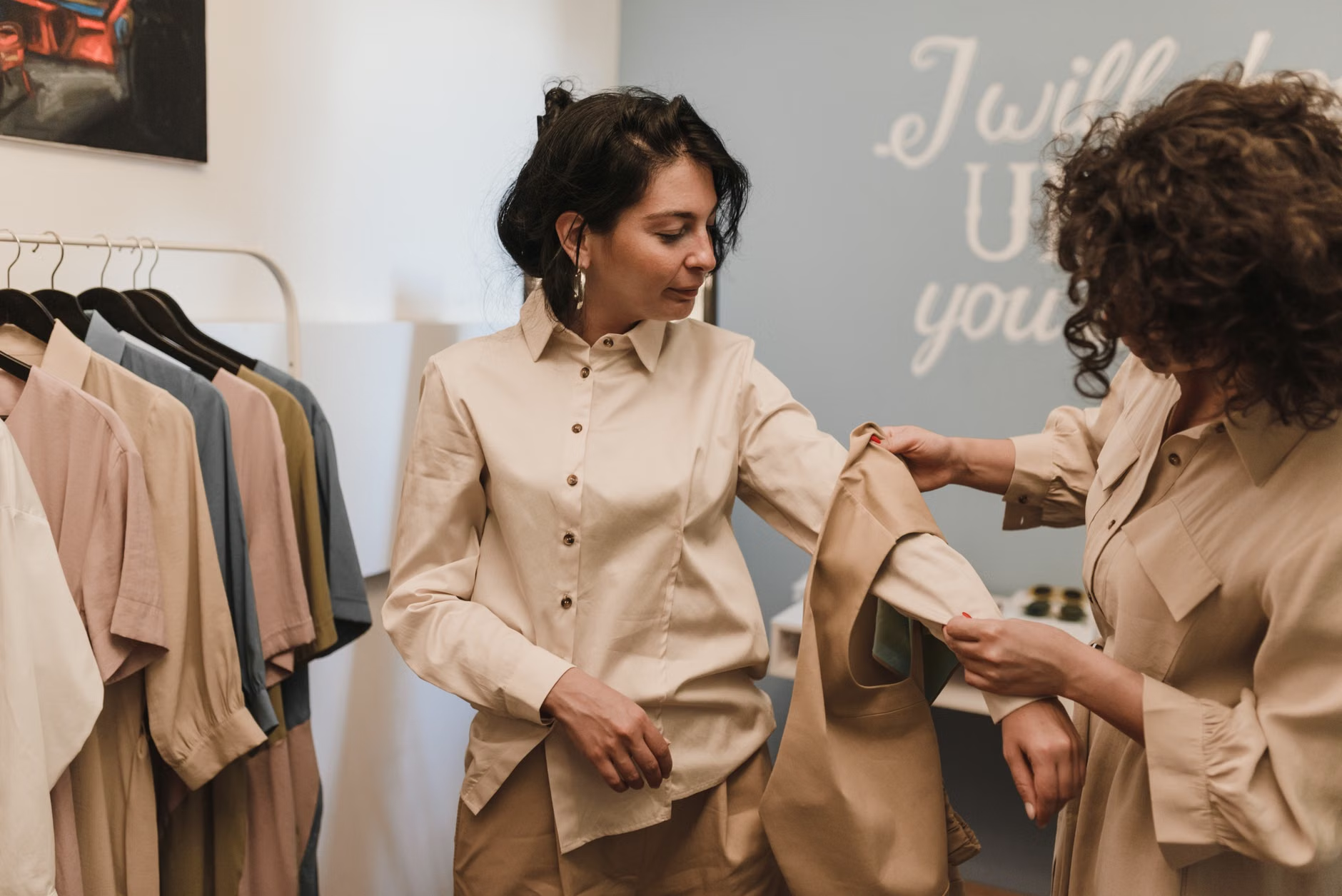
Why the Circular Wardrobe is a Strategic Asset for Parents
For professionals in their 30s and 40s, time is the scarcest currency. A circular wardrobe acts as a decision-making filter. When you commit to a circular system, you aren’t just trying to “be sustainable”; you are actively reducing the cognitive load of getting dressed every morning. In a traditional linear wardrobe, we buy, wear, and eventually discard. In a circular model, we buy with the intent of longevity, maintenance, and eventual re-entry into the market.
Consider the “decision fatigue” factor. If your closet is curated with versatile, high-quality pieces that you know how to style, the time spent choosing an outfit drops from 15 minutes to three. This isn’t just about saving money; it’s about reclaiming mental bandwidth for your career and your children. When you know that every item in your closet is a “10 out of 10” in terms of fit and utility, the anxiety of dressing for a presentation or a parent-teacher conference disappears.
Furthermore, the financial impact is measurable. By investing in higher-quality items that hold their value, you can recoup 30% to 60% of your initial investment through resale platforms. Contrast this with fast fashion, which effectively has a resale value of zero. Over five years, the difference in net expenditure can reach into the thousands, effectively subsidizing your future wardrobe needs.
The Anatomy of a Circular Professional Closet
Building a circular wardrobe requires a shift in how you categorize your clothes. You are no longer looking for “this season’s look.” You are looking for “long-term utility.” This means prioritizing natural fibers—wool, cotton, linen, and silk—which are not only more comfortable but are significantly easier to repair and recycle than synthetic blends.
The core of this system is the Capsule Framework. A functional professional circular wardrobe should generally consist of:
| Item Category | Circular Focus | End-of-Life Strategy |
|---|---|---|
| Tailored Blazers | High-quality wool; classic cut | Resell on high-end platforms |
| Button-down Shirts | Organic cotton/linen | Upcycle or textile recycling |
| Trousers/Skirts | Sturdy, wrinkle-resistant | Tailor for fit adjustments |
| Outerwear | Water-resistant, timeless | Professional cleaning/repair |
The “End-of-Life Strategy” column is what makes this circular. When you buy, you must ask: “Can I repair this button or zip? Can I sell this once I’m done with it?” If the answer is no, you are essentially buying trash that you will eventually have to pay to dispose of. This mindset forces you to look at construction quality—check the stitching, the weight of the fabric, and the provenance of the brand.
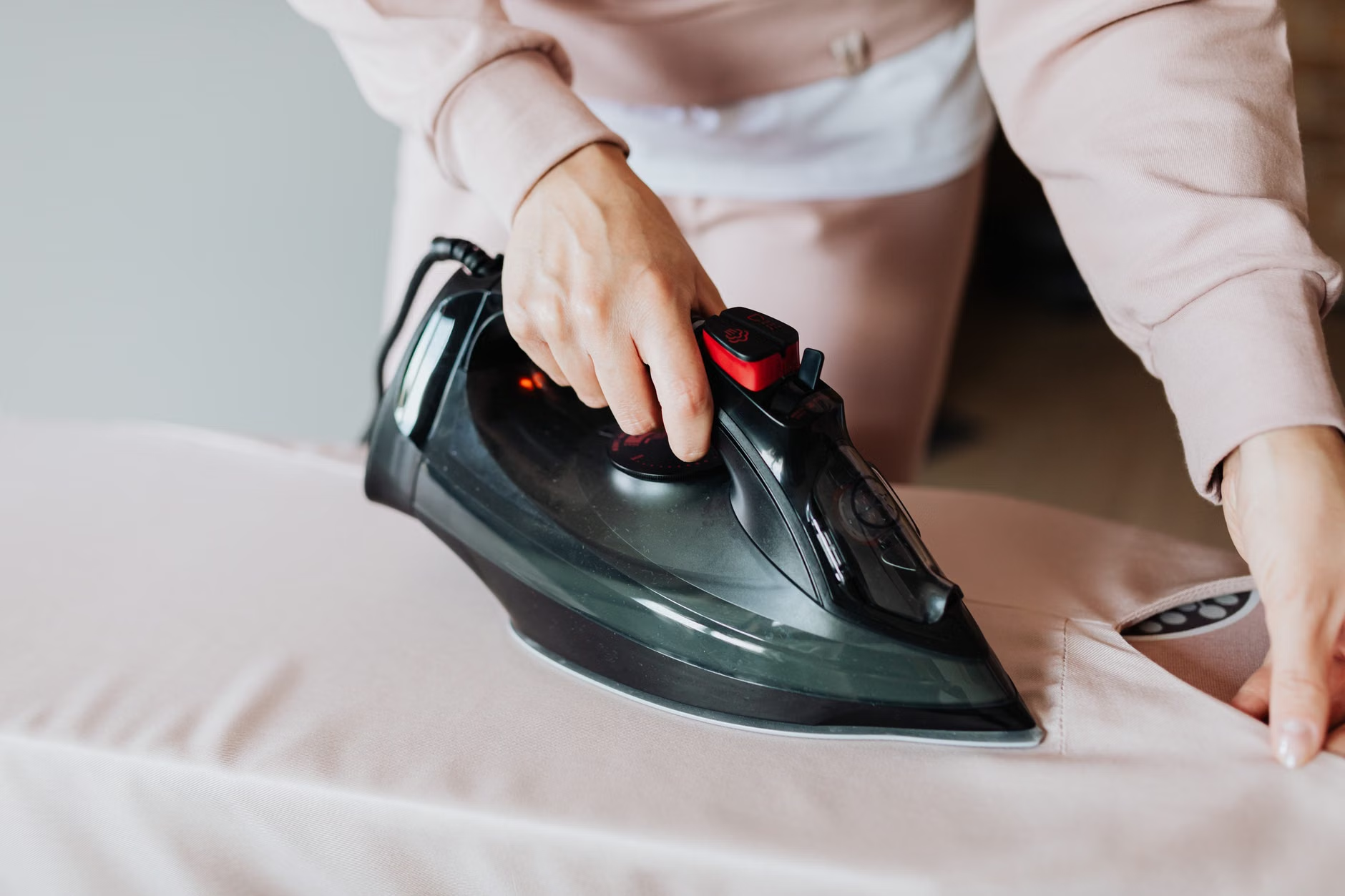
Managing the Lifecycle: Maintenance as a Professional Skill
Many professional parents view clothing maintenance as a chore. In a circular system, it is a maintenance protocol. Much like you wouldn’t ignore a check-engine light in your car, you shouldn’t ignore a loose hem or a missing button on a piece of professional attire. These small issues are exactly why garments get moved to the “back of the closet” and eventually end up in a donation bin.
Create a simple “Maintenance Station” in your home. This does not need to be an elaborate craft room. A basic kit should include:
- A fabric shaver (essential for de-pilling sweaters).
- A basic sewing kit (for buttons and small repairs).
- A high-quality garment brush (to extend the time between dry cleaning).
- A dedicated hanger system (avoid wire hangers that ruin the shoulder structure of jackets).
By brushing your wool blazers and using a fabric shaver on your knitwear, you can extend the “like-new” appearance of your clothes by two to three years. This is the most underrated way to maintain a professional appearance while being a parent. You aren’t just keeping your clothes clean; you are preserving the structural integrity of your professional identity.
Leveraging Technology for Your Circular Closet
We are currently living in a golden age of fashion technology that makes circularity easier than ever. You no longer need to haul bags of clothes to a consignment shop. Platforms like Vestiaire Collective, Poshmark, or even local Facebook Marketplace groups have made the secondary market incredibly efficient for professionals.
The key to using these platforms effectively is digitization. Before you even think about selling an item, take high-quality photos and keep the original tags if possible. Many successful circular wardrobe users keep a digital inventory—a simple spreadsheet or an app like Cladwell—to track what they have, how often they wear it, and the original cost-per-wear.
When you use these apps to sell, the proceeds should go into a “Circular Fund.” This is a dedicated account or balance used only for acquiring your next piece. This creates a closed loop where your wardrobe budget becomes self-sustaining. If you want a new pair of trousers, you must sell enough items to cover the cost. This rule forces you to be critical of what you own and what you truly need.

Common Mistakes to Avoid in Circular Wardrobe Building
The most common mistake is “aspirational buying.” This happens when you buy a piece that doesn’t fit your current lifestyle—perhaps a high-maintenance silk dress that requires dry cleaning when you have a toddler, or a pair of heels that aren’t practical for your commute. Even if the item is “sustainable” or “high quality,” if it doesn’t fit your life, it will sit in your closet and fail to circulate.
Another mistake is the “discount trap.” Just because a piece is from a high-end brand and is on sale at a resale site doesn’t mean it belongs in your circular wardrobe. If you don’t love it, if it doesn’t fit your current professional aesthetic, or if it isn’t versatile enough to be worn in multiple scenarios (e.g., work-to-dinner), it will eventually become clutter. Remember: The most sustainable garment is the one you already own and wear frequently.
Addressing the “Parenting Factor” in Professional Style
Parenting brings specific challenges: stains, spills, and the need for high mobility. A circular wardrobe for parents must prioritize performance materials. Look for “technical wools” or high-end performance blends that offer the aesthetic of a suit but the durability of sportswear. These fabrics are often machine-washable or at least spot-cleanable, which is a game-changer for the parent on the move.
When you are choosing colors, stick to a cohesive palette—navy, charcoal, camel, and cream. This allows for maximum “mix-and-match” capability. If every top matches every bottom, you eliminate the possibility of a “mismatched” morning rush. This is not about being boring; it is about being efficient. You can express personal style through accessories or specific cuts, but keep the base of your wardrobe as interchangeable as possible.
The Psychological Shift: From Ownership to Stewardship
The final, and perhaps most important, piece of the circular wardrobe is the psychological shift from “owning” clothes to “stewarding” them. When you view yourself as a steward, you treat your clothes with respect. You hang them properly, you store them in breathable garment bags, and you rotate them seasonally.
This mindset also helps when it comes time to let go of an item. Instead of feeling guilty about “getting rid of” a piece, you feel good about passing it on to someone else who will use it. This is the essence of circularity. It turns the act of cleaning out your closet into a positive, productive activity rather than a source of stress or regret.
Implementation Framework: Your First 30 Days
If you want to start this today, follow this simple 30-day framework:
- Days 1-7 (The Audit): Take everything out of your closet. Sort into three piles: Keep, Repair/Clean, and Sell/Donate. If you haven’t worn it in a year, it goes into the Sell/Donate pile.
- Days 8-14 (The Maintenance): Take the “Repair” items to a professional tailor. A good tailor can work miracles—hemming trousers, taking in waists, or replacing tired linings. This is cheaper than buying new.
- Days 15-21 (The Evaluation): Look at what is left in your “Keep” pile. What is missing? What do you need to function effectively? Create a “Wish List” of high-quality items to fill these gaps.
- Days 22-30 (The Circulation): List your “Sell” items on your chosen platform. Use the proceeds to start your “Circular Fund” and begin shopping for your “Wish List” items, prioritizing quality and long-term use.
By following this, you are not just cleaning a closet; you are building a system that will support your professional and parental life for years to come. It requires discipline, but the reward is a wardrobe that is lean, efficient, and always ready for whatever the day brings.
Frequently Asked Questions
How do I know if an item is worth repairing versus replacing?
Generally, if the cost of the repair is less than 50% of the cost of a high-quality replacement, it is worth repairing. However, consider the “emotional value” and the quality of the fabric. A well-made wool blazer that needs a $40 repair is almost always worth saving, as a comparable new one would cost $300-$500.
What should I do with clothes that are too worn to be sold or donated?
Research local textile recycling programs. Many cities have drop-off points for “unwearable” clothing that can be shredded and turned into insulation or industrial padding. Never throw clothes in the general trash, as synthetic fibers can take hundreds of years to decompose in landfills.
How can I maintain a professional look while balancing the messiness of parenting?
Focus on “uniform dressing.” By having a set of reliable, interchangeable professional staples, you reduce the time you spend getting ready and minimize the risk of choosing something that won’t hold up to your day. Additionally, keep a “commuter change”—a pair of comfortable shoes or a casual layer—in your bag to swap into once you are off the clock.
For further reading on sustainable fashion practices and circular economy metrics, visit the Ellen MacArthur Foundation’s Fashion Initiative.