Key Takeaways
- Repair beats replacement: High-end gear is designed for modularity; fixing a component often restores 100% of its original performance for a fraction of the cost of a new model.
- The “Circular” Shift: Modern repair movements are moving away from DIY-only towards professional-grade “repair cafes” that offer specialized tools and expertise for luxury items.
- Long-term Value: Investing in repairable brands and learning basic maintenance prevents the “planned obsolescence” cycle, ultimately saving thousands in household expenses over a decade.
You know that feeling when a favorite piece of gear—perhaps an expensive espresso machine, a high-end technical shell jacket, or a reliable mechanical camera—starts to falter? The knee-jerk reaction for most of us, especially when we’re juggling work deadlines and the demands of parenting, is to look for the “Buy Now” button. It feels faster. It feels easier. But there is a growing movement, the “Circular-Repair” culture, that suggests we’ve been looking at our possessions all wrong.
For those of us in our 30s and 40s, we are at the intersection of wanting to live more sustainably and needing our household items to actually work reliably. The circular-repair movement isn’t just about saving a few dollars; it’s about reclaiming the utility of premium items that were built to last but were discarded because we lost the habit of maintenance. Let’s look at why this shift matters and how you can actually integrate it into your life without it becoming a second job.
The Hidden Economics of “Fixing vs. Replacing”
There is a dangerous misconception that repairing high-end gear is a hobby for the bored. In reality, it is a high-yield financial strategy. Consider a high-end espresso machine. A top-tier unit might cost $2,000. When the pump fails after four years, the cost of a replacement part might be $80, and the labor—if you do it yourself or visit a community repair cafe—is essentially free. Replacing the machine costs you $2,000. Even if you pay a professional technician $300 to do a full overhaul, your return on investment is immediate.
This is where the circular economy comes into play. It is a system designed to eliminate waste and the continual use of resources. When you repair, you aren’t just saving money; you are preventing the environmental cost of manufacturing, shipping, and disposing of a new item. For parents, this is a powerful lesson to model for children: that an item’s value is tied to its function and durability, not its “newness.”
Why High-End Gear is Different
Not all gear is created equal. The “circular” movement relies heavily on brands that prioritize modularity. If you buy a cheap toaster, it is usually sealed with rivets or proprietary screws that are impossible to open without destroying the casing. High-end gear, by contrast, is often designed with screws, accessible internal components, and, crucially, available service manuals.
When you are shopping for your next piece of tech or home appliance, the “repairability score” should be as important as the specs. Brands like Patagonia (for clothing), Miele (for appliances), or Fairphone (for mobile tech) have built their business models around the idea that you should be able to fix what you own. If a company doesn’t offer spare parts or diagrams on their website, you are essentially renting that product until it breaks.
The Rise of the Modern Repair Cafe
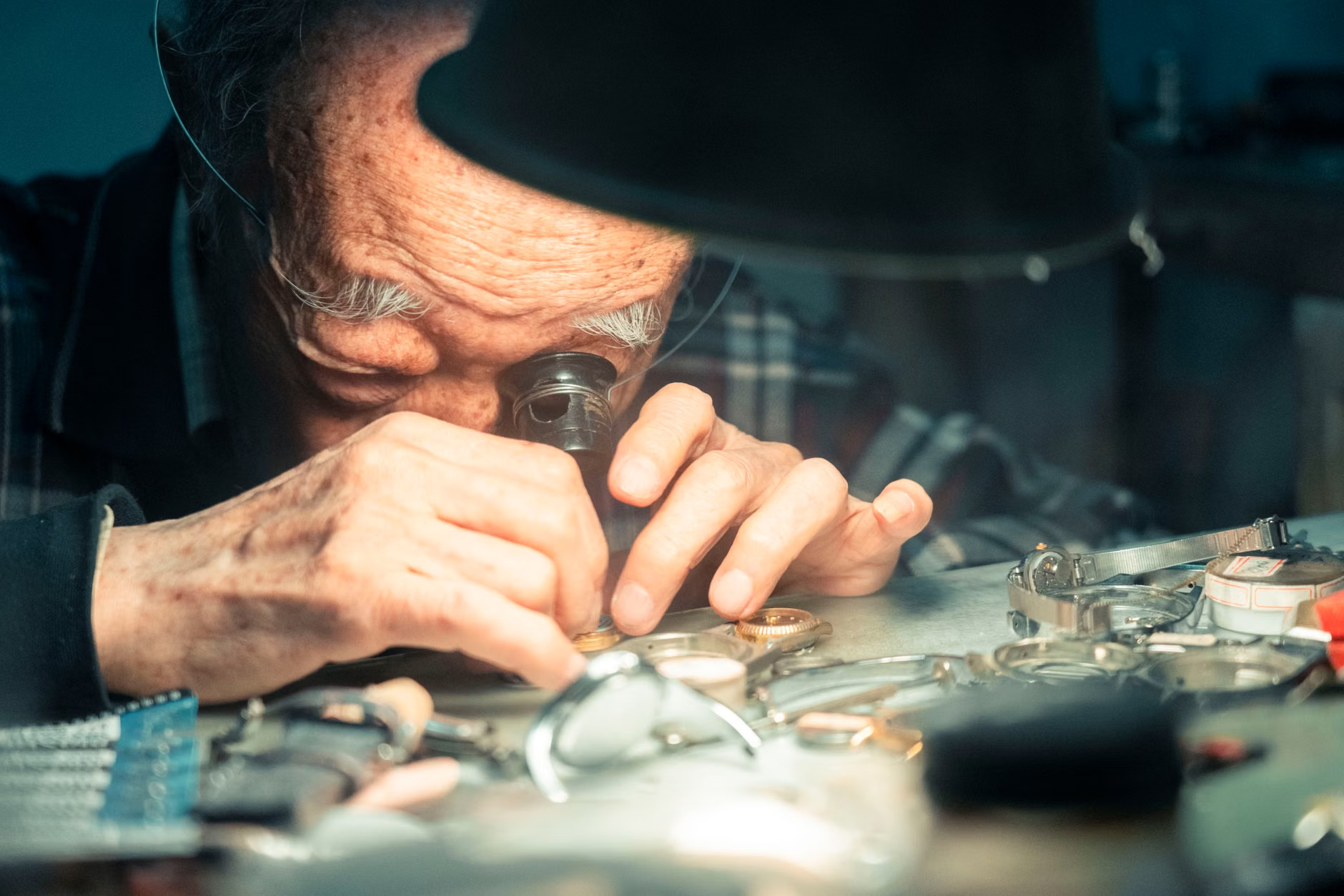
You might think of a “repair cafe” as a dusty basement with a few soldering irons, but the modern iteration is shifting rapidly. Today, you can find high-end repair workshops that function like boutique services. They aren’t just about fixing a broken toaster; they are about restoring performance. These venues often provide access to industrial-grade tools—like ultrasonic cleaners for watch parts or heavy-duty sewing machines for technical fabrics—that you wouldn’t necessarily buy for your own garage.
The social aspect is equally important. These cafes often bring together retired engineers, hobbyists, and curious professionals. It is a space where knowledge is shared. If you are struggling with a complex piece of equipment, you aren’t just paying for a repair; you are learning how that machine works. This knowledge is an asset that stays with you, making you more confident in maintaining your gear in the future.

A Decision Framework for Your Household
Should you fix it or toss it? This is the question that haunts us when we’re exhausted on a Tuesday night. To avoid the “it depends” trap, use this decision matrix. It helps you categorize your items based on the effort required versus the long-term utility.
| Item Category | Repairability Factor | Actionable Strategy |
|---|---|---|
| Mechanical/Manual Gear (Watches, Knives) | Very High | Learn basic maintenance; professional service every 3-5 years. |
| High-End Home Appliances | Moderate to High | Source official parts; seek authorized repair cafes. |
| Fast-Tech/Electronics | Low | Focus on warranty claims or specialized boutique repairs. |
The 50% Rule: If the cost of the repair (parts + professional labor) exceeds 50% of the cost of a new item, look at the lifespan of the current item. If a $1,000 item has lasted 8 years and will likely last another 8 after a $400 repair, it is worth it. If the item is only 2 years old and is failing again, the design is likely flawed, and you should consider a brand switch for your next purchase.
Common Pitfalls and How to Avoid Them
One of the biggest mistakes people make when entering the repair space is overestimating their own technical abilities on the first try. You do not want your first “fix” to be on a $3,000 camera lens. Start with low-stakes items. Re-stitch a button on a coat, replace a battery in an old remote, or clean the dust out of a laptop fan. These small victories build the confidence necessary to tackle larger projects.
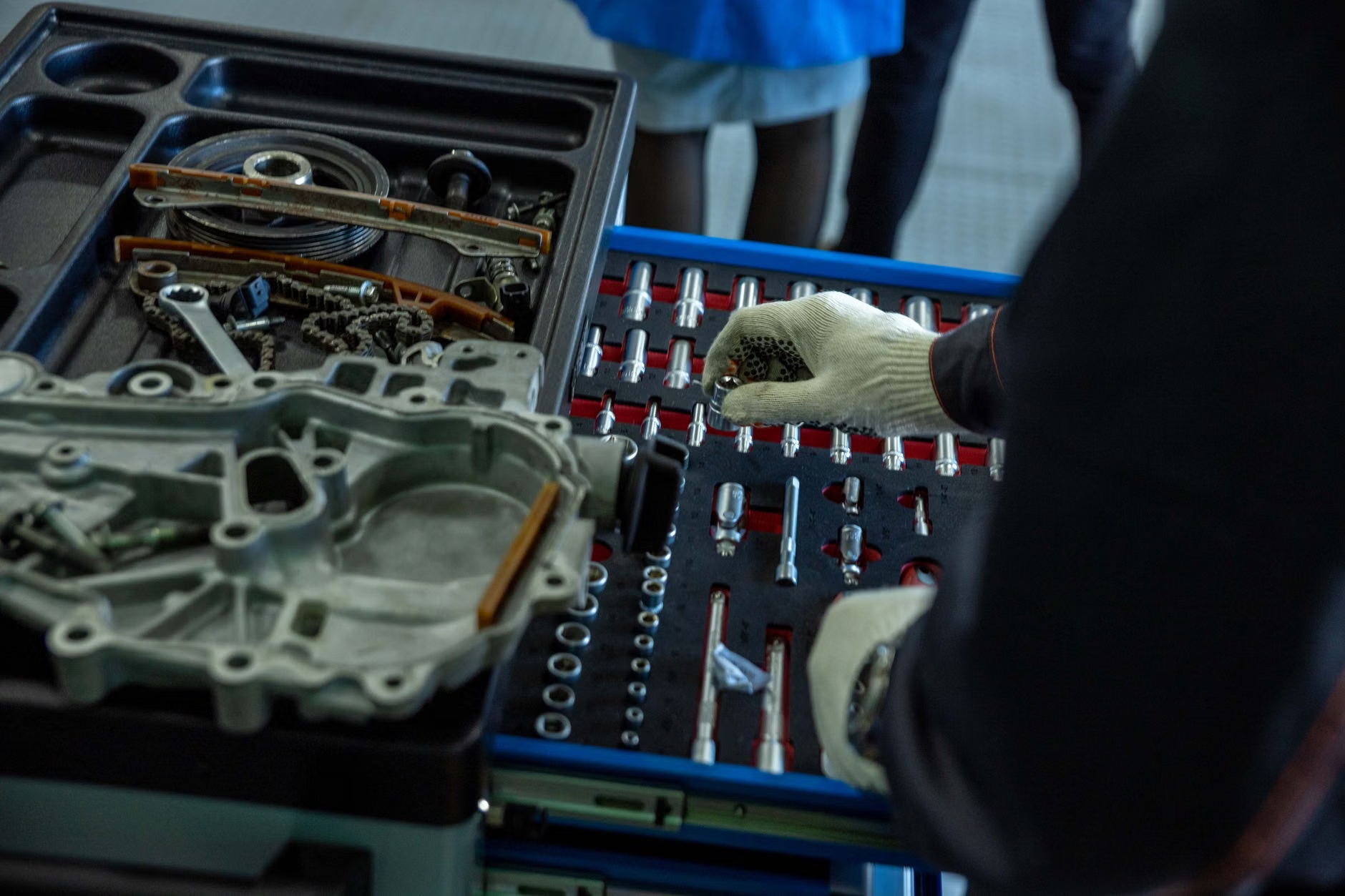
Another pitfall is the “proprietary tool” trap. Many companies make it intentionally difficult to open their devices. Before you start, check resources like iFixit. They provide comprehensive teardown guides and, more importantly, list the tools required. If you find you need a specialized screwdriver set that costs as much as the repair itself, consider whether you will use those tools again. If not, it might be more economical to find a local repair cafe that already has the equipment.
Building a “Repair-Ready” Mindset
Living a circular lifestyle isn’t about being a master mechanic; it’s about having a plan. When you bring a new piece of high-end gear into your home, take five minutes to do three things:
- Download the manual: Save it in a digital folder. You will never find the paper version when you actually need it.
- Identify the common failure points: A quick search for “[Product Name] common issues” will tell you exactly what is likely to break first. This allows you to spot problems before they become catastrophic.
- Find the local support network: Bookmark the contact info for authorized repair centers or local repair cafes.
By doing this, you transition from being a passive consumer to an active owner. You aren’t just using the product; you are curating it. This shift in perspective is what separates people who constantly chase the “next best thing” from those who build a collection of reliable, high-performance tools that serve them for decades.
Addressing the “Time Constraint” Reality
I hear you—you’re busy. You have a kid’s soccer game, a project due, and a house to manage. The idea of spending a Saturday fixing a coffee machine feels impossible. The secret here is to stop viewing repair as a “chore” and start viewing it as a “check-in.” Just like we schedule dentist appointments for our health, we should schedule maintenance for our gear. Once a year, do a “gear audit.” Clean the filters, tighten the screws, and update the software. If you do this proactively, you rarely have to deal with the emergency, time-consuming repairs that happen when things break unexpectedly.
If you genuinely lack the time, use the “outsourced repair” model. Many high-end brands offer mail-in repair services. While these are more expensive than a DIY job, they are still significantly cheaper than buying new, and they keep the item in circulation. The key is to avoid the “toss and replace” cycle, which is the most expensive and least sustainable option of all.
The Future of Ownership
We are seeing a shift in legislation, particularly in the EU and parts of North America, toward “Right to Repair” laws. This is a massive win for the circular movement. As manufacturers are forced to make spare parts and manuals available to the public, the barrier to entry for repairing your own gear will drop significantly. We are entering an era where keeping your gear functional is becoming the default, not the exception.
For those of us in our 30s and 40s, this is an opportunity. We are the generation that can bridge the gap between the throwaway culture of the early 2000s and the sustainable, circular future. We have the resources to invest in quality, and we have the tools to ensure that quality lasts. Don’t be afraid to take something apart—or to ask for help when you do. You might be surprised at how much life is left in the things you already own.
Frequently Asked Questions
1. How do I find a reputable repair cafe in my area?
Start by searching for local “Repair Cafe” chapters. Many cities have community-run workshops. For specific high-end items, look for “authorized service centers” listed on the manufacturer’s official website. Avoid generic “we fix everything” repair shops unless they have a strong reputation for the specific type of gear you own.
2. Is it really worth repairing older electronics if the software is outdated?
This is the “software trap.” If the hardware is solid but the software is unsupported, look for open-source alternatives. For example, older laptops can often be revived with lightweight Linux distributions, and some older smart home devices can be integrated into modern hubs like Home Assistant. If the device’s core function is purely mechanical, the software obsolescence is irrelevant.
3. What if I damage my gear further while trying to repair it?
This is a valid risk. The best way to mitigate it is to research the “difficulty rating” of a repair before you start. Sites like iFixit provide these ratings. If a repair is marked as “difficult” or “expert,” and you don’t have experience with soldering or precision electronics, it is much wiser to pay a professional. A botched DIY repair can often make a device unrepairable, even for an expert.
Resources for further reading: