Agritourism offers a profound neurological reset for children who are easily overwhelmed by the constant sensory friction and high-speed demands of modern urban environments.
Key Takeaways
- Soft Fascination: Farm environments utilize “soft fascination,” which allows the brain’s directed attention mechanisms to rest and recover from the fatigue caused by city life and screens.
- Sensory Integration: The predictable, rhythmic sensory inputs of a farm—such as the weight of a bucket or the texture of wool—help sensitive kids regulate their nervous systems more effectively than chaotic playground settings.
- Microbiome Boost: Exposure to diverse farm microbes and soil-based organisms has been scientifically linked to lower stress levels and improved immune regulation in children.
Have you ever noticed your child “vibrating” after a long day at school or a trip to a crowded mall? For parents of highly sensitive children (HSC) or those with sensory processing sensitivities, the world often feels like it’s turned up to volume eleven. The flickering fluorescent lights, the hum of the refrigerator, the notification pings, and the sheer density of visual information in a city can lead to what psychologists call “sensory defensive” behavior. This isn’t just a tantrum; it’s a nervous system under siege.
While a traditional beach holiday or a theme park trip might seem like the logical “fun” solution, these environments often introduce new stressors—blaring music, unpredictable crowds, and the scorching sun. This is where agritourism—the practice of visiting or staying on a working farm—steps in. It isn’t just about seeing where milk comes from; it’s a therapeutic intervention disguised as a vacation. By shifting the environment from “high-demand” to “low-demand,” we give the sensitive brain the one thing it rarely gets: a chance to finish processing.
The Science of “Soft Fascination” and Why Your Kid Needs It
To understand why a farm works better than a playground, we have to look at Attention Restoration Theory (ART). Developed by Rachel and Stephen Kaplan, this theory suggests that our brains use two types of attention. The first is “directed attention,” which we use for tasks like schoolwork, navigating traffic, or playing video games. This type of attention is finite and leads to mental fatigue, irritability, and “brain fog.”
The second type is “soft fascination.” This occurs when we are in environments that hold our attention without requiring effort. Watching clouds move, observing a chicken peck at the ground, or feeling the rhythm of a tractor in the distance are examples of soft fascination. Unlike the “hard fascination” of a tablet screen, soft fascination allows the prefrontal cortex to go offline and recharge. For a sensitive kid, this recharge is the difference between a weekend of meltdowns and a weekend of genuine connection.
On a farm, the visual field is dominated by fractals—natural patterns that repeat at different scales (think of the veins in a leaf or the branches of a tree). Research has shown that looking at these natural fractals can reduce physiological stress markers by up to 60%. For a child whose brain is hyper-attuned to every detail, the “organized chaos” of nature is far more soothing than the “disorganized chaos” of a suburban shopping strip.
The Sensory Diet: How Farms Regulate the Nervous System
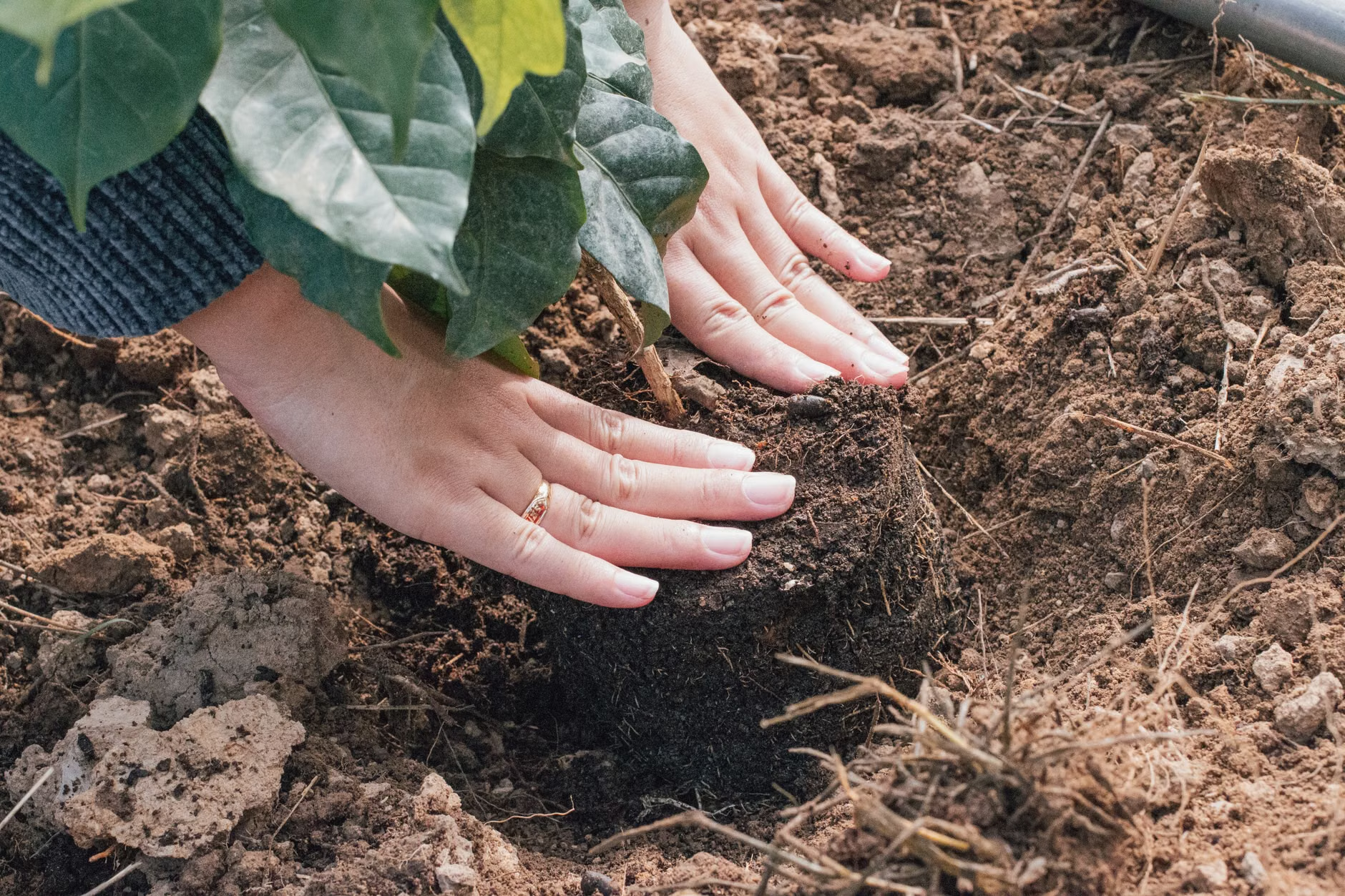
Sensitive kids often struggle with proprioception (knowing where their body is in space) and vestibular input (balance and movement). A farm acts as a giant, organic occupational therapy gym. Instead of artificial swings and plastic slides, the farm provides “heavy work” that naturally calms the nervous system.
Consider the difference in sensory input between a typical weekend activity and a farm activity:
| Activity Type | Sensory Input Quality | Effect on Sensitive Kids |
|---|---|---|
| Indoor Play Center | High-pitched noise, bright colors, unpredictable movement. | Overstimulation, “fight or flight” activation. |
| Beach Holiday | Reflective glare, sand texture (often a “trigger”), loud waves. | Can be soothing, but often high-sensory demand. |
| Agritourism (Farm) | Muted earth tones, rhythmic sounds, consistent textures. | Nervous system regulation and “grounding.” |
When a child carries a basket of eggs, they are practicing delicate motor control and proprioceptive awareness. They have to understand the weight of the basket and the fragility of the contents. When they walk across uneven, muddy ground, their ankles and core muscles are sending constant, stabilizing feedback to the brain. This “grounding” effect is literal; it tethers a child who might otherwise feel “floaty” or disconnected due to sensory overload.
The Microbiome Connection: Soil, Serotonin, and Stress
We’ve spent decades trying to keep our kids clean, but for the sensitive child, a little bit of farm dirt might be the best medicine. The hygiene hypothesis suggests that our overly sterile environments are contributing to the rise in allergies and autoimmune issues. However, recent research into the “gut-brain axis” goes even further.
Specific soil-based organisms, such as Mycobacterium vaccae, have been found to stimulate the production of serotonin in the brain. Serotonin is the neurotransmitter responsible for mood stabilization and feelings of well-being. When a child is digging in a vegetable patch or helping pull weeds, they are literally inhaling and touching natural antidepressants. For a child who leans toward anxiety—a common trait in highly sensitive individuals—this biochemical boost is a significant “hidden” benefit of agritourism.
Furthermore, the farm environment encourages multi-sensory integration. Instead of just seeing a carrot on a plate, the child sees the green tops, feels the resistance of the earth as they pull it, smells the damp soil, and finally tastes the crunch. This full-cycle experience helps the brain create stronger, more coherent neural maps, which reduces the “processing lag” that often causes frustration in sensitive kids.
Choosing the Right Farm: Not All “Agritourism” is Equal
When you start looking for a farm stay, you’ll realize the options range from “working farms where you sleep in a barn” to “luxury resorts with a single decorative cow.” For a sensitive kid, the “middle ground” is usually the sweet spot. You want enough activity to engage them, but enough infrastructure to ensure they aren’t overwhelmed by physical discomfort (like being too cold or having nowhere to retreat).
The “Working Farm” vs. The “Educational Farm”
A working farm is focused on production. You might be staying in a converted cottage on a site that produces dairy or grain. The pros? It’s authentic and quiet. The cons? It might be dangerous for unsupervised kids, and the “work” might not be geared toward children. This is best for older kids (10+) who can handle boundaries and enjoy the quiet.
An educational or “hobby” farm is designed for visitors. They often have specific “animal encounter” times and guided activities. For a sensitive child, this is often better because the interactions are structured. Knowing that “at 4:00 PM we feed the goats” provides a predictable routine, which is the ultimate safety net for a child who hates surprises.
The “Smell and Noise” Audit
Before booking, read reviews specifically for sensory details. Is the farm near a major highway? (Defeats the purpose of the noise reset). Does it specialize in pigs? (Pig farms have a much more “aggressive” scent profile than sheep or horse farms, which can be a dealbreaker for kids with olfactory sensitivities). Choose ruminants (cows, sheep, goats) for a gentler sensory experience.
The 72-Hour Reset Protocol: A Practical Guide
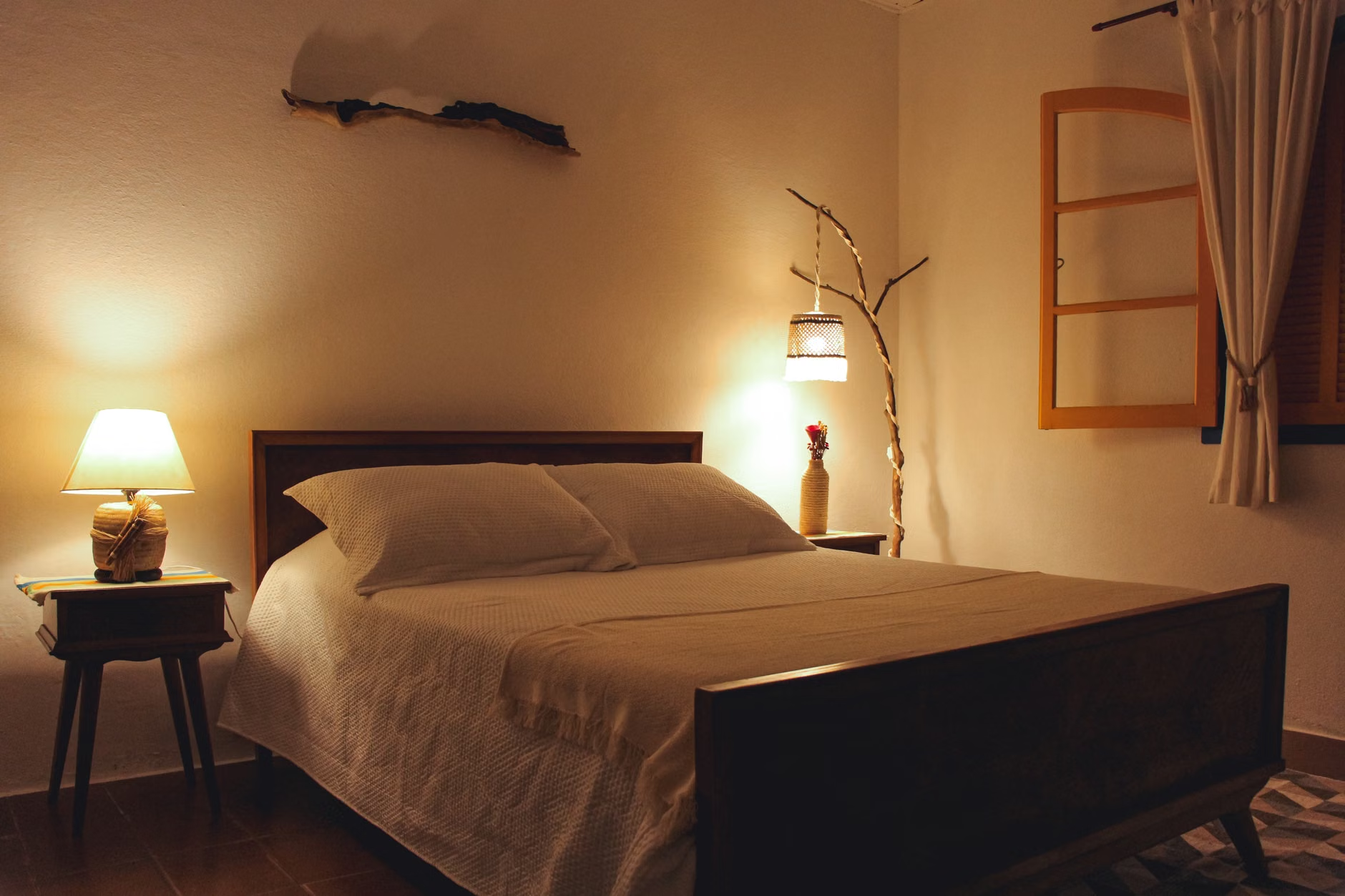
To get the most out of an agritourism trip, don’t treat it like a sightseeing tour. The goal is immersion and decompression. Here is a suggested framework for a 3-day reset:
Day 1: The Decompression Phase
The transition from city to farm can actually be stressful. The sudden silence can be just as “loud” as noise to a sensitive ear. Do not plan any activities on the first afternoon. Let the child explore the immediate vicinity of your accommodation at their own pace. If they want to sit on a porch and stare at a fence for two hours, let them. Their brain is currently “downloading” the new environment.
Day 2: Rhythmic Engagement
Introduce one or two low-stakes chores. This could be collecting eggs, brushing a pony, or watering a garden. The key is rhythm. Activities that involve repetitive motions are highly regulating. Avoid “performative” activities where the child feels they are being watched or judged. The focus should be on the connection between the child and the task, not the “photo op.”
Day 3: The “Boredom” Peak
By day three, the child might complain they are “bored.” In our world, boredom is usually treated as a problem to be solved with a screen. In a reset, boredom is the goal. It signifies that the frantic search for stimulation has stopped. This is usually when the most creative, self-directed play happens—building a “house” out of sticks or following a trail of ants. This is the nervous system finally reaching a state of rest.
Essential Gear for the Sensitive Farm Traveler
Packing for a farm stay requires more than just “old clothes.” You need to bridge the gap between the child’s need for comfort and the farm’s inherent “messiness.”
- Seamless Socks and High-Quality Boots: If your child hates the “seam” in their sock, a grain of sand in a boot will feel like a boulder. Invest in high-quality, comfortable waterproof boots and bamboo socks.
- The “Transition” Kit: Keep a pair of noise-canceling headphones and a familiar weighted blanket in the car. The transition back to “real life” after the farm can be jarring.
- Layered Clothing: Sensitive kids are often hyper-aware of temperature. Synthetic “itchy” fabrics are a nightmare on a farm. Stick to soft cotton or merino wool layers.
- A Personal “Safe Space” Tool: A small magnifying glass or a pair of binoculars. This allows the child to engage with nature from a distance if they aren’t ready to touch things yet.

Managing the “Ick” Factor: What if They Hate the Dirt?
It is a common misconception that all kids love mud. Many sensitive kids have tactile defensiveness—they hate the feeling of sticky hands or wet feet. If this is your child, don’t force the “barefoot in the grass” experience immediately. It will backfire and cause a cortisol spike.
Instead, use the “Tools First” approach. Let them garden with gloves. Let them feed animals using a long-handled scoop rather than their hands. By providing a mechanical barrier, you allow them to participate without the sensory “threat.” Over time, as their overall stress levels drop, you’ll likely find their tactile defensiveness decreases naturally.
Global Agritourism Styles: Where to Look
Depending on where you are in the world, the agritourism experience varies significantly. Here’s how to navigate the regional differences:
| Region | Style Name | What to Expect |
|---|---|---|
| Italy | Agriturismo | High-quality food, often family-run, focus on “slow food” and olive/vineyard landscapes. Very welcoming to children. |
| United Kingdom | Feather Down / Glamping | Often “off-grid” tents on working farms. Great for a total digital detox. |
| USA / Canada | Educational Farms | Heavy focus on “pick-your-own” and harvest festivals. Can be busy in the fall; look for “quiet weekdays.” |
| Japan | Nouhaku (Rural Stay) | Focus on traditional crafts and rice cultivation. Very structured and peaceful. |
| South Korea | Healing Farms (Chiyu-nongjang) | Specifically designed for psychological well-being and stress reduction. |
The Transition Home: Avoiding the Post-Farm Crash
The biggest mistake parents make is driving straight from a quiet farm into a chaotic Sunday night grocery shop or a loud family dinner. The “reset” is fragile. When you return, try to implement a “Low-Stimulus Sunday.”
Keep the lights low, avoid screens for as long as possible, and try to incorporate some of the farm’s elements into the home. This could be as simple as eating some of the produce you bought at the farm or looking at the photos you took together. The goal is to “anchor” the feeling of calm so the child can access it when the school week starts again.
Remember, agritourism isn’t a “cure” for sensitivity—sensitivity is a trait, not a disorder. What the farm stay does is provide a baseline of regulation. It reminds the child (and the parent) that they are capable of feeling calm, focused, and connected when the “noise” of the world is dialed down to a manageable level.
For more information on the benefits of nature for children, you can explore the research at the Children & Nature Network Research Hub or check out the official Agriturismo Italy portal for regional stay options.
Frequently Asked Questions
1. What if my child has severe animal allergies? Can we still do agritourism?
Yes, but you should pivot toward “Arbor-tourism” or horticultural stays. Look for lavender farms, orchards, or vineyards. These provide the same “soft fascination” and rhythmic work (like fruit picking) without the dander of livestock. Always contact the host beforehand to check if animals are kept on-site, even if they aren’t the main focus.
2. Is agritourism more expensive than a standard hotel?
It varies, but it is often more cost-effective for families. While the nightly rate might be similar to a mid-range hotel, you save significantly on “entertainment” costs. The farm *is* the entertainment. Additionally, many farm stays include kitchen facilities, allowing you to cook your own meals using farm-fresh ingredients, which is both cheaper and easier for kids with picky eating habits.
3. How do I handle the “no-WiFi” situation with a kid who relies on it for downtime?
Don’t go “cold turkey” if it causes extreme anxiety. Instead, use the environment to replace the *function* of the WiFi. If they use YouTube to “zone out,” use a hammock or a swing for the same vestibular regulation. If they use games for a sense of achievement, use the “egg collection” or a “scavenger hunt” to provide that same dopamine hit of completing a task.
The most important takeaway is that for a sensitive child, “doing nothing” in a nature-rich environment is actually “doing everything” for their neurological health. Priority should be given to the quality of the silence and the rhythm of the day, rather than the number of activities on the itinerary. A successful farm stay isn’t measured by how much you saw, but by how much your child’s shoulders dropped from their ears by the end of the weekend.
Give your family permission to slow down. The farm will still be there, the dirt will still be under the nails, and for a few days, the world will finally be at the right volume.
Sources:
– Kaplan, R., & Kaplan, S. (1989). The Experience of Nature: A Psychological Perspective.
– Children & Nature Network: Research Hub
– University of Colorado Boulder: Research on soil bacteria and stress