The most important thing you need to know is that while a “carbon tax” isn’t an extra fee you pay at checkout like sales tax, the Carbon Border Adjustment Mechanism (CBAM) and similar global policies will likely increase the base price of imported hobby gear, from high-end cycling components to specialized photography equipment, over the next few years.
- Price Pass-Through: Manufacturers in countries with lower environmental standards will face higher costs to export to regulated markets, and these costs are almost certain to be passed on to the final consumer.
- Focus on Energy-Intensive Imports: The most significant price hikes will hit gear made of aluminum, steel, cement, and hydrogen-intensive plastics—materials common in heavy-duty hobby equipment.
- The “Green Premium”: Expect a shift in the market where “low-carbon” certified gear may become a luxury tier, while standard goods see a price floor increase due to regulatory compliance costs.
If you are like many of us in our 30s and 40s, you probably have a specific hobby that keeps you sane—maybe it’s building custom PCs, upgrading your mountain bike, or getting into high-end woodworking. Lately, you might have noticed that the price of that specific piece of kit you’ve had your eye on hasn’t just stayed high; it’s crept up, and the “sale” prices don’t seem as deep as they used to be. While inflation and supply chain issues are the usual suspects, there’s a new, more structural force at play: the global move toward carbon border taxes.
What Exactly Is a “Carbon Border” Tax and Why Does It Matter for Your Hobby?
In simple terms, a carbon border tax is a trade policy designed to level the playing field. Imagine you are a manufacturer in a country with strict environmental regulations. You have to pay to clean your emissions, use renewable energy, and follow carbon-capping rules. Now, imagine a competitor in a country with few or no such rules. They can produce the same item—say, a carbon-fiber bike frame or an aluminum tripod—much more cheaply because they don’t have to account for the environmental cost of their production.
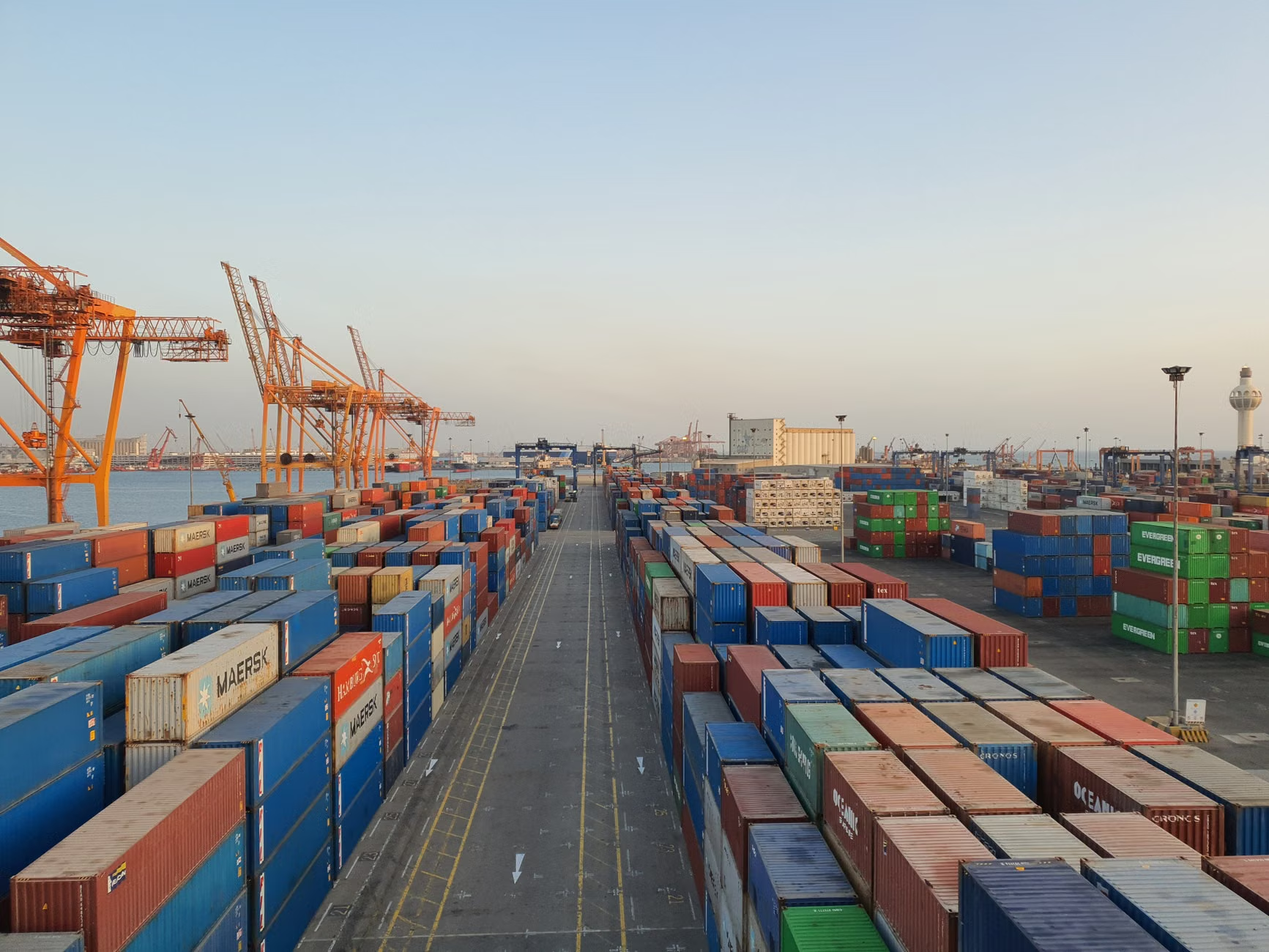
The Carbon Border Adjustment Mechanism (CBAM), currently being phased in by the European Union, is the most prominent example of this. It forces importers to pay a “carbon price” on goods entering the EU if those goods were produced in a jurisdiction where carbon emissions aren’t properly taxed. The goal is to prevent “carbon leakage,” where companies move production to countries with lax rules to avoid costs. For you, the hobbyist, this means the “hidden” cost of carbon is finally being attached to the price tag of your gear.
Which Hobby Categories Are Most Vulnerable to Price Hikes?
Not every hobby will be hit equally. The impact of a carbon border tax is tied directly to the “embedded carbon” of the product. This refers to the total greenhouse gas emissions generated during the manufacturing process, from raw material extraction to the final product leaving the factory floor.
If your hobby relies on materials that are notoriously “dirty” to produce, you should prepare for price volatility. The following table breaks down which sectors are currently in the crosshairs of global environmental trade policies:
| Hobby Category | Key Material Risk | Expected Impact Level |
|---|---|---|
| Cycling & Motorized Sports | Aluminum, Steel | High |
| Home Improvement/Woodworking | Steel, Cement/Concrete | Medium |
| Photography & Tech | Aluminum, Plastics/Polymers | Medium-High |
| Textile-based Hobbies | Synthetic fibers (petrochemicals) | Low to Medium |
For example, if you are into high-end mountain biking, the frame and high-precision components are often made of aluminum or steel. Because smelting aluminum is an extremely energy-intensive process that relies heavily on coal in many industrial nations, these products are prime candidates for carbon tariffs. If a frame is produced in a region with high coal reliance, the importer must pay a levy to bring it into a regulated zone. That levy is not absorbed by the company; it is baked into the MSRP (Manufacturer’s Suggested Retail Price).
The Shift from Globalized Manufacturing to “Nearshoring”
For decades, we’ve enjoyed the benefits of globalized manufacturing. You could buy a high-quality, niche tool manufactured halfway across the world for a fraction of what it would cost to produce locally. The carbon border tax changes the math on this entirely. As these taxes become more widespread—and other regions like the UK, Canada, and potentially the US consider similar measures—the “cheap” advantage of long-distance manufacturing starts to evaporate.
What we are likely to see is a shift toward nearshoring. Companies will begin moving their manufacturing hubs closer to their primary customer base to avoid the carbon tariffs associated with shipping and high-emission production. For the hobbyist, this could be a double-edged sword. On one hand, you might see more “locally made” gear, which often comes with better quality control and faster shipping. On the other hand, you will likely pay a premium for the higher labor and energy costs associated with production in, for example, Europe or North America, compared to the previous low-cost manufacturing hubs.
Common Misconceptions About Carbon Taxes on Consumer Goods
There is a lot of noise surrounding this topic, and it is easy to get confused. Let’s clear up a few things that often trip up consumers when they look at price trends.
Misconception 1: “It’s a tax I pay at customs.”
In most cases, the consumer won’t pay the tax directly at the border. The importer of record—the company bringing the goods into the country—pays the levy. They then adjust their wholesale prices. You, as the consumer, will simply see a higher price tag at your favorite online retailer. You won’t get a “Carbon Tax Bill” in the mail.
Misconception 2: “Everything will become twice as expensive overnight.”
Carbon border taxes are being phased in over years, not weeks. The EU, for instance, has a transition period where companies have to report emissions before they actually have to pay for the “carbon certificates.” This means the price increases will be gradual, allowing the market to adjust. You aren’t going to wake up tomorrow to find your camera gear costs 50% more, but you might notice that annual price increases are higher than the standard inflation rate.
Misconception 3: “It only applies to luxury goods.”
This is a common mistake. Carbon border policies are focused on raw materials. It doesn’t matter if you are buying a $500 professional-grade drill or a $50 DIY starter kit; if both use the same carbon-intensive steel, the tax applies to the material weight. This means the percentage increase might actually be higher on entry-level, budget-friendly gear than on high-end luxury items where the profit margins are already large enough to absorb some of the cost.
Practical Strategies for the Modern Hobbyist
So, how should you manage your hobby budget in this changing landscape? You don’t need to stop your hobbies, but you should change how you approach your gear acquisition.
1. Prioritize Longevity and Repairability
If new gear is going to become more expensive, the “buy it once, buy it right” philosophy becomes even more important. Instead of buying a cheaper, lower-quality item that you’ll need to replace in two years, invest in gear that is repairable. Look for brands that offer spare parts, modular designs, or lifetime warranties. This mitigates the impact of rising prices because you aren’t constantly feeding the “replace vs. repair” cycle.
2. The Second-Hand Market is Your Best Friend
The secondary market is effectively immune to direct carbon border taxes. When you buy a used camera lens or a pre-owned bike, no new carbon is being “imported” into the market. As new gear prices rise due to these regulations, the value of high-quality used gear will likely hold up, or even increase. Getting into the habit of buying used isn’t just good for your wallet; it’s the most sustainable way to engage in any hobby.
3. Watch for “Carbon-Neutral” Claims
As these taxes take effect, you will start seeing more marketing around “low-carbon” or “carbon-neutral” products. Be careful here. While some companies are genuinely investing in cleaner energy, others are simply engaging in greenwashing. If a company claims their product has a lower carbon footprint, check if they provide a transparent life-cycle assessment (LCA). A legitimate company will be able to show you the data; a greenwashing company will just use buzzwords.

Why Understanding This Matters for Your Household Budget
For those of us in our 30s and 40s, balancing a mortgage, childcare, and personal interests is a constant exercise in trade-offs. The “carbon premium” that will be added to the cost of our hobbies is just one more variable in that equation. By understanding that these price increases aren’t just “corporate greed” but a reflection of a massive, structural transition in how the world accounts for environmental impact, you can make better decisions.
If you know that the price of your hobby gear is likely to increase by 5–10% annually due to these new trade regulations, you can plan your purchases accordingly. Maybe you save up for that big-ticket item now rather than waiting for next year. Or perhaps you focus your budget on the components that truly matter to your experience, rather than buying everything at once.
Ultimately, the goal of these policies is to make the true cost of production visible. While it might be frustrating to pay more for the things we love, it is a necessary step in curbing the environmental impact of global manufacturing. Being an informed consumer means being able to see these shifts coming and adjusting your strategy so you can keep doing what you love without breaking the bank.
Frequently Asked Questions
Does the carbon border tax apply to second-hand goods bought from international sellers?
Generally, no. Carbon border mechanisms like the EU’s CBAM apply to the importation of new goods produced in industrial sectors. Second-hand goods, personal effects, or items that have already been cleared for consumption in a country are typically exempt. However, if you are buying “refurbished” goods from a large-scale commercial importer, they may be subject to different rules depending on the extent of the “remanufacturing” process involved.
Will this tax make it harder to find niche parts for my hobby?
It might make it more expensive, but it shouldn’t make it harder to find parts. The primary effect is on the cost of raw materials. Niche manufacturers may face higher costs for their raw aluminum or steel, which they will pass on to you. If a niche manufacturer cannot absorb these costs, they may consolidate, which could limit the variety of parts available. You might see a trend toward larger brands absorbing the costs more easily than smaller, boutique shops, which is something to watch if you prefer supporting independent creators.
Are there any countries that are exempt from these carbon taxes?
Yes, but it is complicated. Some countries that have their own domestic carbon pricing systems that are deemed “equivalent” to the EU’s might be exempted or receive credits. However, this is a constantly evolving legal landscape. As of now, the focus is on preventing countries from gaining an unfair competitive advantage by having zero environmental regulations. If your hobby gear is manufactured in a country that has a robust national carbon tax, it is less likely to be hit by the full force of a border adjustment tax.
Final Thoughts: Staying Ahead of the Curve
The era of “cheap, at any cost” is slowly coming to an end, and that includes the cost of our hobbies. While it’s easy to feel frustrated by rising prices, this shift is an inevitable consequence of a world trying to account for its environmental footprint. Your best defense is not to panic, but to shift your habits toward quality, durability, and the secondary market.
Keep an eye on the materials used in your favorite gear. If you see a trend toward more sustainable manufacturing in your preferred brands, that’s a good sign—it means they are preparing for the future rather than just reacting to it. By staying informed and planning your purchases with a long-term view, you can continue to enjoy your hobbies without being blindsided by the changing economic landscape. After all, the best part of any hobby isn’t just the gear—it’s the time you get to spend doing it.
For more information on the specific implementation of the EU’s Carbon Border Adjustment Mechanism, you can visit the official European Commission page: EU CBAM Official Documentation. Always check local government trade websites for updates relevant to your specific region, as policies will continue to evolve over the coming years.