Quiet luxury in home decor is the deliberate move away from disposable, trend-heavy furniture toward high-quality, tactile, and timeless pieces that prioritize personal comfort and long-term durability over visible branding or “fast” aesthetics.
- Longevity over Logos: The trend focuses on “cost-per-use,” where investing in a $3,000 solid wood table that lasts 30 years is more economical and sustainable than replacing $500 MDF tables every four years.
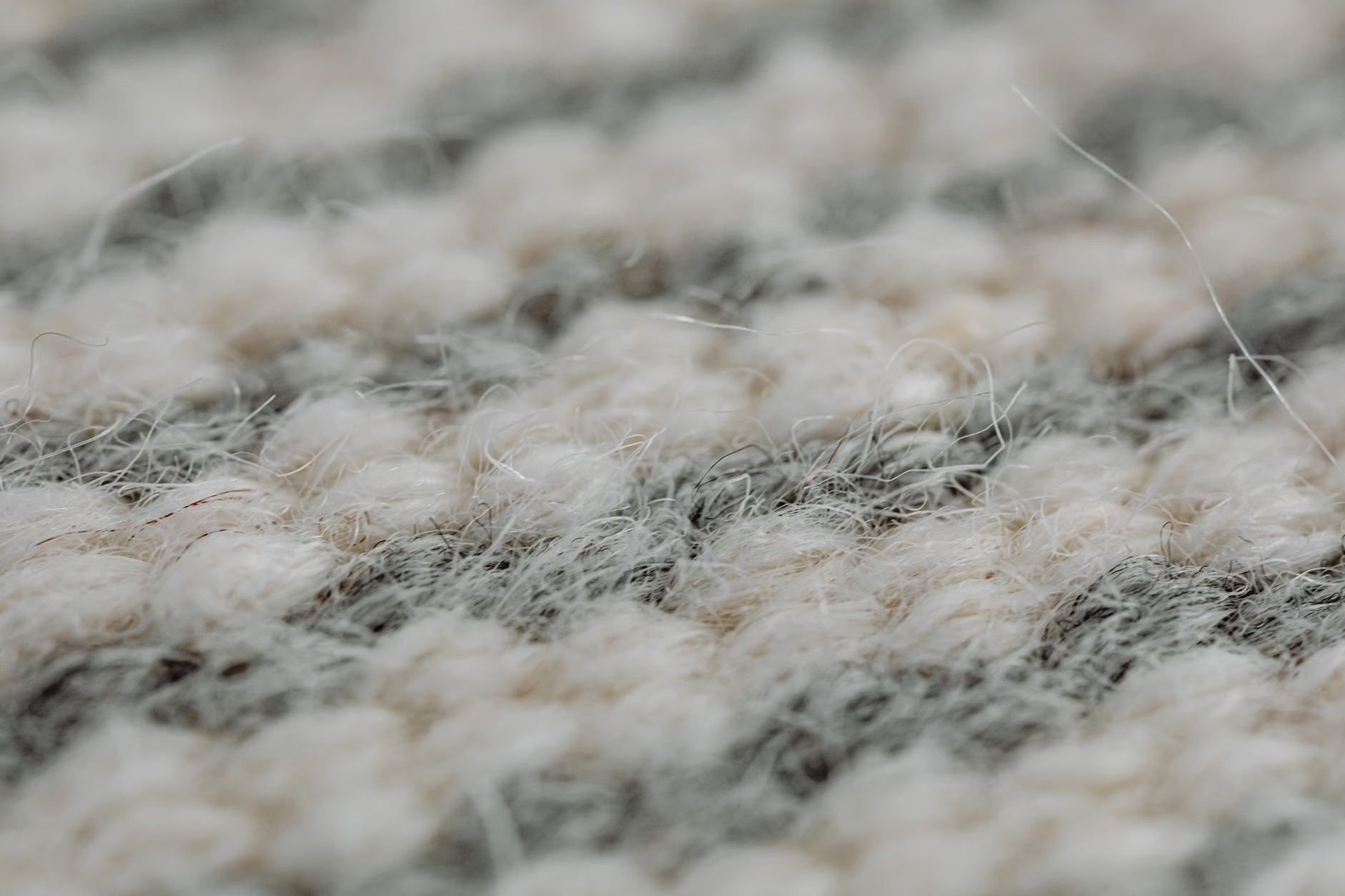
- Tactile Durability: Quiet luxury utilizes natural materials like performance wool, top-grain leather, and honed stone, which naturally hide the wear and tear of parenting better than synthetic, shiny finishes.
- Sensory Regulation: By removing visual clutter and “loud” patterns, this aesthetic creates a neurologically calming environment that helps parents manage the sensory overload of daily family life.
Have you ever looked at a room filled with trendy, flat-packed furniture and felt a strange sense of exhaustion? It is not just the clutter; it is the visual “noise” of items that were designed to be photographed for social media rather than actually lived in. For those of us in our 30s and 40s, balancing the chaos of toddlers or the schedule-heavy lives of teenagers, our homes have often become staging grounds for “stuff” rather than sanctuaries. This is exactly why the “Quiet Luxury” or “Stealth Wealth” trend has moved from the fashion runways of Milan straight into our living rooms. It is not about showing off how much money you have; it is about reclaiming a sense of calm through quality that does not need to shout to be noticed.
The shift is practical. We are reaching an age where we are tired of the “assembly required” lifestyle. We want pieces that do not wobble when a child leans on them and fabrics that do not pill after three months of movie nights. Quiet luxury is the interior design version of a deep, calm breath. It is the realization that a room feels “expensive” not because of a gold-plated logo, but because the proportions are right, the materials are real, and the atmosphere is serene.
The Anatomy of Stealth Wealth: What Makes a Home ‘Quietly’ Luxurious?
To understand quiet luxury, we have to look at what it isn’t. It isn’t minimalism in the cold, “don’t touch anything” sense. It also isn’t maximalism with its riot of colors and patterns. Instead, it sits in the middle—a warm minimalism that focuses on the “hand-feel” of a room. When you walk into a quiet luxury space, your eyes might not be drawn to one specific “statement” piece. Instead, your whole body relaxes because the environment feels cohesive and grounded.
The foundation of this look is materiality. In our 20s, we bought furniture based on how it looked in a catalog. In our 40s, we buy based on how it feels. This means replacing polyester blends with heavy linens, swapping laminate “wood-look” floors for engineered hardwood, and choosing solid brass hardware over painted plastic. These materials age gracefully. A solid oak table develops a patina over years of family dinners; a cheap veneer table just peels and ends up in a landfill.
Another hallmark is the curated palette. We are moving away from the “sad beige” trend into something more sophisticated. Think of “elevated neutrals”—shades of mushroom, putty, warm terracotta, and deep navy. These colors are chosen because they react beautifully with natural light. They don’t demand your attention, but they provide a stable backdrop for the messy, colorful reality of family life. It is much easier to feel in control of your day when your surroundings aren’t competing for your visual focus.
Why Parents are the Biggest Fans of This Trend
It might seem counterintuitive to put “luxury” and “kids” in the same sentence. We’ve all seen the jokes about parents not being able to have nice things until the kids move out. However, quiet luxury is actually the most parent-friendly trend we’ve seen in decades. Why? Because authentic materials are resilient.
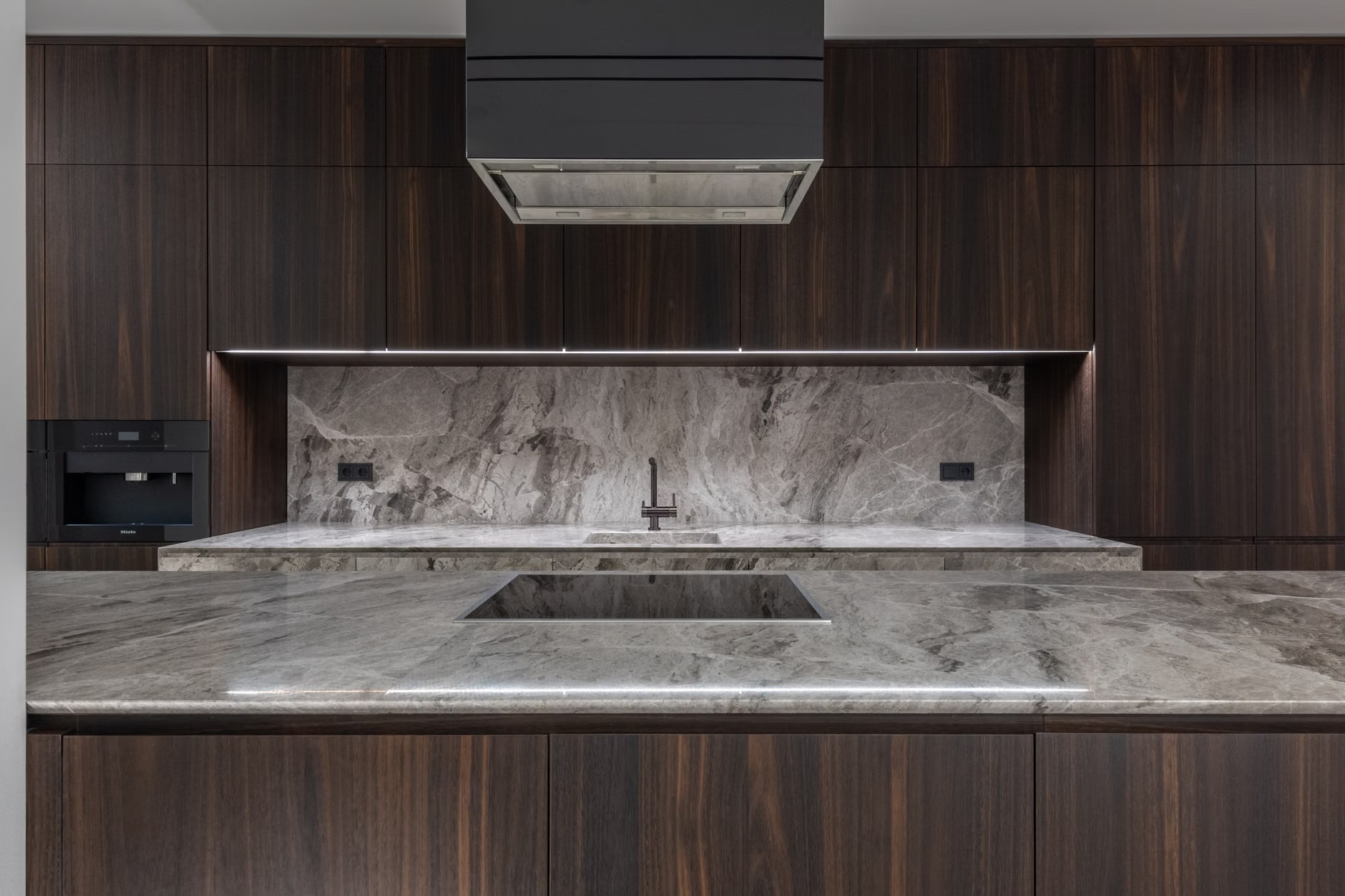
Consider the difference between a cheap, shiny “modern” sofa and a high-quality piece upholstered in performance wool or heavy-weight linen. The cheap sofa shows every water mark and grease stain. The high-quality material, often treated at the fiber level, is designed to be cleaned. Furthermore, natural stone like honed (matte) marble or soapstone actually looks better with a little bit of “life” on it. A scratch on a plastic-coated desk is a permanent eyesore; a small dent in a reclaimed wood table is just part of its story.
There is also the psychological aspect. As parents, we are constantly bombarded with noise—literal noise from children, and digital noise from our phones. A home designed with quiet luxury principles acts as a sensory filter. By using soft textures, acoustic-dampening materials (like heavy drapes and wool rugs), and a muted color scheme, we create a space that lowers our cortisol levels the moment we step through the door.
The Financial Logic: The ‘Buy Once, Cry Once’ Philosophy
One of the biggest misconceptions about quiet luxury is that it is only for the ultra-wealthy. While the “stealth wealth” look certainly can be expensive, the underlying philosophy is one of financial sustainability. For a family in their 40s, the “buy once, cry once” approach often makes more sense than the cycle of constant replacement.
Let’s look at the numbers. If you buy a “trending” dining table for $400 made of particle board, it will likely look shabby within three years. Over 15 years, you might buy five of these tables, spending $2,000 plus the time and effort of assembly and disposal. If you instead spend $1,800 on a solid wood table from a reputable craftsman or a high-end vintage dealer, that table will not only last those 15 years but will likely be worth 50% of its value (or more) if you ever decide to sell it. Quality retains value; trends depreciate.
| Feature | Fast Furniture (Trend-Based) | Quiet Luxury (Investment-Based) |
|---|---|---|
| Primary Materials | MDF, Particle board, Polyester, Plastic | Solid wood, Stone, Linen, Wool, Brass |
| Durability | Low (2-5 years) | High (20+ years) |
| Resale Value | Almost zero | High (often 30-70% of retail) |
| Maintenance | Difficult to repair if chipped/torn | Materials can be sanded, polished, or cleaned |
| Visual Impact | Shouty, trendy, “of a moment” | Timeless, calm, understated |
When looking at this table, it becomes clear that quiet luxury is a risk-mitigation strategy for your household budget. It is about moving your home decor from the “disposable expense” column to the “asset” column. For parents managing mortgages and college funds, stopping the leak of “small, frequent purchases” on low-quality home goods is a smart financial move.
How to Implement Quiet Luxury Without a Designer Budget
You do not need to hire an interior designer or spend $50,000 to achieve this look. Quiet luxury is more about editing than it is about buying. It’s about what you take away and the few things you choose to keep. If you are starting from a typical “cluttered family home” baseline, here is how you can transition into a more sophisticated, durable aesthetic.
1. Focus on the ‘Touch Points’
Start with the things you touch every single day. This is where the “luxury” is felt most. Replace your thin, scratchy towels with heavy-weight organic cotton. Swap out your plastic kitchen cabinet pulls for solid unlacquered brass. These are relatively small investments, but they change the tactile feedback of your home. When a drawer feels heavy and smooth to open, it sends a subconscious signal of quality and stability.
2. The ‘One High, Two Low’ Rule
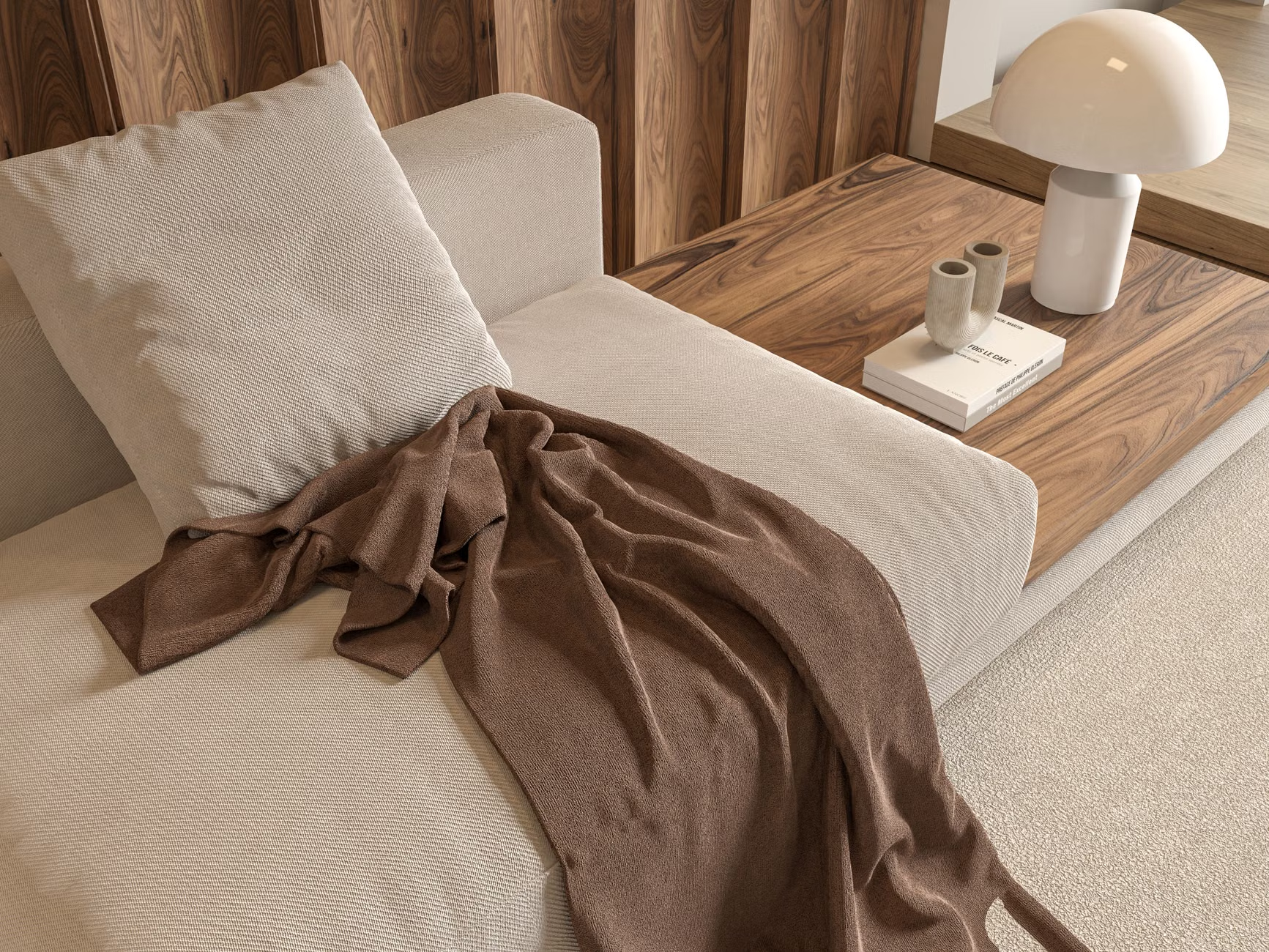
You don’t need everything to be top-tier. A classic quiet luxury trick is to pair one high-quality, “anchor” piece with more affordable, simple items. For example, you might invest in a high-end, incredibly comfortable sofa (the “High”), then pair it with a simple jute rug from a big-box store and vintage wooden side tables found at a local market (the “Lows”). The quality of the sofa elevates the entire room, while the natural materials of the affordable pieces keep the look grounded.
3. Prioritize ‘Living’ Finishes
A “living finish” is a material that changes over time. Think of unlacquered brass that darkens, or leather that develops creases, or marble that gets “etched” by use. In the past, we were taught to fear these changes. In the world of quiet luxury, imperfection is the proof of quality. For a parent, this is incredibly liberating. You no longer have to panic if a child leaves a damp glass on the table; you are just adding to the “patina” of a well-loved home.
4. Lighting: The Invisible Luxury
Nothing kills a luxury vibe faster than a single, bright overhead “boob light.” Quiet luxury relies on layered lighting. This means having at least three sources of light in every room: ambient (general light), task (reading lamps), and accent (a light pointing at a plant or a piece of art). Use warm bulbs (2700K) and put everything on dimmers. Soft, low-level lighting hides a multitude of sins—including the pile of laundry you haven’t folded yet.
The Sensory Home: Why Sound and Scent Matter More Than You Think
We often think of decor as a purely visual medium, but quiet luxury is a multi-sensory experience. If a room looks beautiful but sounds like an echo chamber, it isn’t luxurious. For parents in their 30s and 40s, acoustic comfort is one of the most overlooked aspects of home life. Between the TV, the gaming consoles, and the general shouting, our homes are loud.
Quiet luxury addresses this through “softening.” This includes:
- Heavy Window Treatments: Using double-lined linen or velvet curtains doesn’t just block light; it absorbs sound from outside and prevents echoes inside.
- Wall Coverings: Grasscloth or fabric wallpapers add a layer of insulation and texture that paint simply cannot match.
- Strategic Rug Placement: A rug should be large enough that all furniture legs sit on it. This “grounds” the room visually and acts as a massive sound dampener.
Then there is the scent profile. Avoid the synthetic, overwhelming “cupcake” or “linen breeze” air fresheners. Quiet luxury leans toward natural, earthy scents—sandalwood, cedar, vetiver, or bergamot. A high-quality candle or a stone diffuser doesn’t just make the house smell good; it signals to your brain that “the day is over, and this is a safe space.”
Common Mistakes: Avoiding the ‘Museum’ Trap
The biggest risk when trying to achieve a luxury look is making the home feel cold or uninviting. If your kids feel like they can’t sit on the sofa, you’ve failed. Quiet luxury should feel like a well-worn pair of expensive leather boots—sophisticated, but better the more you use them.
Avoid “Matching Sets”: Buying the entire showroom set (sofa, loveseat, and chair all in the same fabric) is the opposite of quiet luxury. It looks like you haven’t put any thought into the space. A curated home looks like it was collected over time. Mix a modern sofa with a vintage armchair. Combine a stone coffee table with a wooden side table. This “mix” is what creates the depth and soul of a room.
Don’t Over-Minimalize: A room with no books, no art, and no personal items isn’t a home; it’s a hotel lobby. Quiet luxury celebrates quality collections. Instead of having fifty cheap knick-knacks, have three beautiful ceramic bowls or a stack of art books you actually read. The goal is “curated,” not “empty.”
The Sustainable Choice for the Next Generation
Finally, we have to talk about the environmental impact. Our generation is increasingly aware of the “fast furniture” crisis. According to the Environmental Protection Agency (EPA), over 12 million tons of furniture and furnishings are discarded each year in the U.S. alone, most of which ends up in landfills because the materials (glues, resins, and plastics) cannot be recycled.
By choosing quiet luxury—pieces made of solid wood, metal, and natural fibers—we are making a pro-planet choice. These items are repairable. If a chair leg breaks, a carpenter can fix it. If a sofa cushion sags, it can be restuffed. By teaching our children to value quality over quantity, we are changing the consumption patterns that lead to environmental degradation. It is a way of “voting with your wallet” for a slower, more intentional world.
In the end, quiet luxury isn’t about the price tag. It’s about a shift in perspective. It’s moving away from the “more, more, more” mentality of our youth and embracing the “fewer, better” reality of our maturity. It’s about creating a home that supports your life rather than demanding your constant maintenance and replacement. For a parent in the middle of the busiest years of their life, that is the ultimate luxury.
Key Resources for Research:
- Architectural Digest: What is Quiet Luxury?
- Elle Decor: The Stealth Wealth Aesthetic
- EPA: Furniture and Furnishings Waste Data
Frequently Asked Questions
Q: Is quiet luxury possible if I have pets that shed or scratch?
A: Absolutely. In fact, it’s better. Quiet luxury favors materials like top-grain semi-aniline leather or tightly woven wool. Leather is incredibly easy to wipe down and actually looks better with a few “character” scratches, while high-quality wool is naturally dirt-repellent and much harder for claws to snag than the loose weaves found in cheap polyester sofas.
Q: How can I tell if a piece of furniture is ‘high quality’ or just overpriced?
A: Look at the construction. For wood, look for “dovetail joints” in drawers and check if it’s solid wood or veneer over particle board (weight is a good indicator). For sofas, check the “rub count” of the fabric and ask if the frame is kiln-dried hardwood. Overpriced “fast” furniture often has a high price due to marketing, but feels light and “hollow” when you move it.
Q: I love color. Does quiet luxury mean I have to have a beige house?
A: Not at all. Quiet luxury is about saturated, natural tones. You can use deep forest greens, rich burgundies, or midnight blues. The key is to avoid “neon” or synthetic-looking colors. Think of colors you would find in nature. A room can be dark and moody while still being “quiet” as long as the materials are high-quality and the palette is cohesive.
The most important thing to remember is that your home is for you, not for your guests or your followers. Start small—perhaps with a single high-quality lamp or a set of linen sheets—and feel the difference it makes in your daily mood. You deserve a home that feels as solid and reliable as you are.