- Resale is not just about saving money; it is a portfolio strategy. High-demand items from heritage brands often retain 60–80% of their value, making them “wearable assets” rather than purely depreciating expenses.
- Authentication is your non-negotiable step. Never purchase high-value items on peer-to-peer marketplaces without a third-party authentication service or a platform that guarantees returns if the item is proven counterfeit.
- The “Cost-per-Wear” metric is your best decision-making tool. Calculate the long-term value of an item by dividing the purchase price by the number of times you expect to use it over the next three to five years.
If you are in your 30s or 40s, your relationship with “luxury” has likely shifted from impulsive acquisition to calculated curation. Gone are the days when a brand name alone justified a four-figure price tag. Today, the second-hand luxury marketplace is booming—not just because it is trendy, but because it represents a smarter way to manage a family budget while maintaining personal style. The global resale market is projected to reach over $350 billion by 2027, driven largely by millennials and Gen Xers who are balancing mortgage payments, school fees, and the desire to invest in quality goods that last.
But is jumping into the pre-loved market actually a winning financial move, or are you just buying someone else’s clutter? The answer lies in understanding the difference between “fast fashion” resale and “investment-grade” luxury. Let’s break down the mechanics of the market, the risks you need to mitigate, and the practical steps to building a collection that actually holds its weight.
Understanding the Economics of Pre-Loved Luxury
The primary reason the second-hand market has exploded is the shift in “circularity.” In the past, buying second-hand carried a stigma. Now, it carries the cachet of being a “smart shopper.” For a parent, this is particularly relevant. When you are balancing a household budget, dropping $3,000 on a handbag feels different than it did in your 20s. However, if you view that purchase as a temporary park for your capital, the math changes.
When you buy a luxury item that is already three to five years old, you are avoiding the “first-owner depreciation cliff.” A brand-new bag might lose 30-40% of its value the moment it leaves the boutique. By the time it hits the resale market, that initial hit has already been absorbed by the first owner. If you buy a classic model in excellent condition, it may stay relatively stable in price, allowing you to resell it later for close to what you paid. This is effectively “renting” the item for the cost of inflation and wear.
The “Cost-per-Wear” Framework
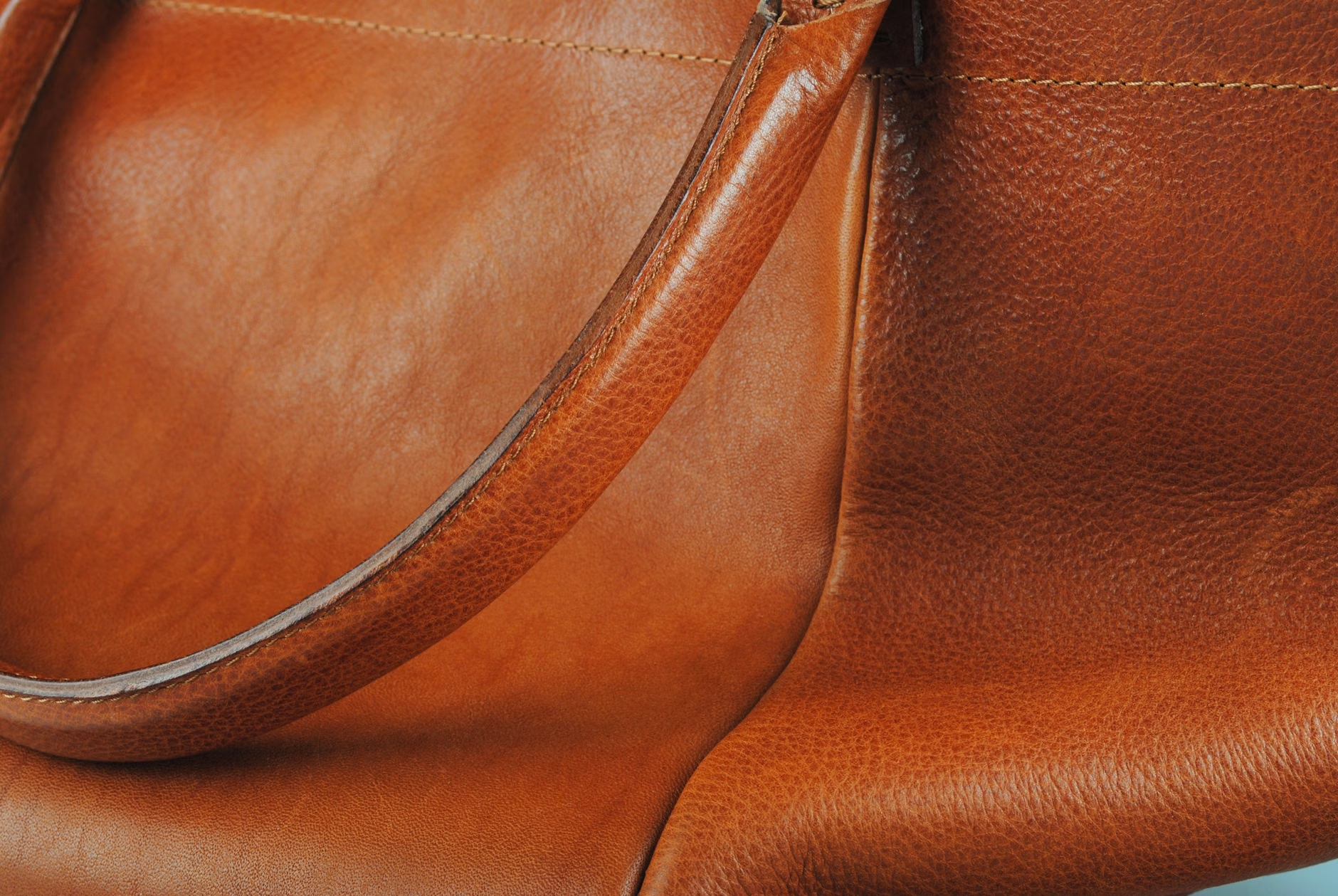
To decide if a piece is worth your money, stop looking at the total price tag. Instead, use the Cost-per-Wear (CPW) formula. If you spend $1,000 on a high-quality leather tote that you use 200 days a year for three years, your CPW is approximately $1.66 per wear. Compare that to a $200 fast-fashion bag that falls apart after six months of daily use. The luxury item is, ironically, the cheaper option in the long run.
Common Mistake: Buying trendy, seasonal items from luxury brands. These items often plummet in value as soon as the trend cycle moves on. If you want to use the resale market as an investment strategy, stick to “Classic” or “Iconic” models—the ones that brands rarely change and rarely discount. These are the items that hold value regardless of the current fashion season.
The greatest risk in the resale market is authenticity. The market for “super-fakes”—high-quality counterfeits—has become so sophisticated that even seasoned experts sometimes struggle to tell them apart from the real thing without specialized equipment. If you are buying a bag for $2,000, you cannot afford to take a chance on a “maybe.”
The Rule of Three for Safe Buying:
- Use Escrow-like Platforms: Use platforms that act as intermediaries. They hold your money until the item is delivered and verified by their own team of experts.
- Request Independent Authentication: Even if a site claims to authenticate, you can pay a small fee (usually $20–$50) to a third-party authentication service. Services like Real Authentication or Authenticate First provide an objective digital certificate that gives you peace of mind.
- Understand Condition Ratings: Don’t guess what “good condition” means. Most professional platforms use a strict grading scale:
Grade Definition Best For Pristine Never used, original tags. Collectors/Investment. Excellent Lightly used, near-perfect. Daily wear/Resale value. Good Visible wear/minor scuffs. High-utility, lower budget. Fair Noticeable damage/aging. Project pieces/Repair.
If an item is listed as “Fair,” be prepared to factor in the cost of professional refurbishment. Leather restoration and hardware polishing can cost anywhere from $100 to $300. Always add this potential cost to your purchase price before deciding if the deal is actually a bargain.
When to Sell: Turning Your Closet into Capital
For many, the resale market is not just about buying; it is about decluttering. If you have high-quality items sitting in your closet that haven’t been used in over a year, they are dead assets. They are taking up space and slowly losing value due to material degradation—leather dries out, hardware tarnishes, and glues can lose their grip even when stored carefully.
The “One-Year Rule” of Decluttering: If you haven’t worn an item in 12 months, you are unlikely to wear it in the next 12. Sell it. The market for pre-loved goods is currently liquid, meaning you can often sell items faster than ever before. However, timing matters. Selling a winter coat in July will net you a lower price than selling it in October. If you have the storage space, wait for the seasonal demand to peak.
Steps to Maximize Your Resale Value:
- Collect Documentation: Always keep the original dust bag, box, authenticity cards, and receipts. These can add 5–10% to the resale value of an item.
- High-Quality Imagery: If you are selling on a peer-to-peer site, your photos are your storefront. Use natural, indirect sunlight. Take photos of the “wear points”—the corners of the bag, the interior lining, and the hardware scratches. Transparency builds trust and speeds up the sale.
- Be Honest About Flaws: If there is a scratch, photograph it clearly. A buyer who feels misled will initiate a return, which is a headache for you and can lead to your account being penalized or banned from the platform.
The Hidden Costs of the Resale Lifestyle
While the resale market is a great way to access luxury, it is not without its hidden “taxes.” These include shipping fees, platform commission fees (which can range from 10% to 30% depending on the site), and potential import duties if you are buying cross-border. For an international reader, checking import laws is vital. If you buy a bag from a luxury reseller in France and have it shipped to the US or Asia, you may be hit with customs duties that wipe out any savings you made on the purchase price.
Another overlooked variable is the “Maintenance Tax.” Luxury items are delicate. A vintage bag with gold-plated hardware may require more delicate care than a modern bag. If you are a busy parent, consider whether you have the time to maintain these items. If you are looking for something “indestructible” for daily use, look for items made of scratch-resistant leathers, like caviar or grained leather, rather than delicate lambskin or suede.
Building a Sustainable Collection
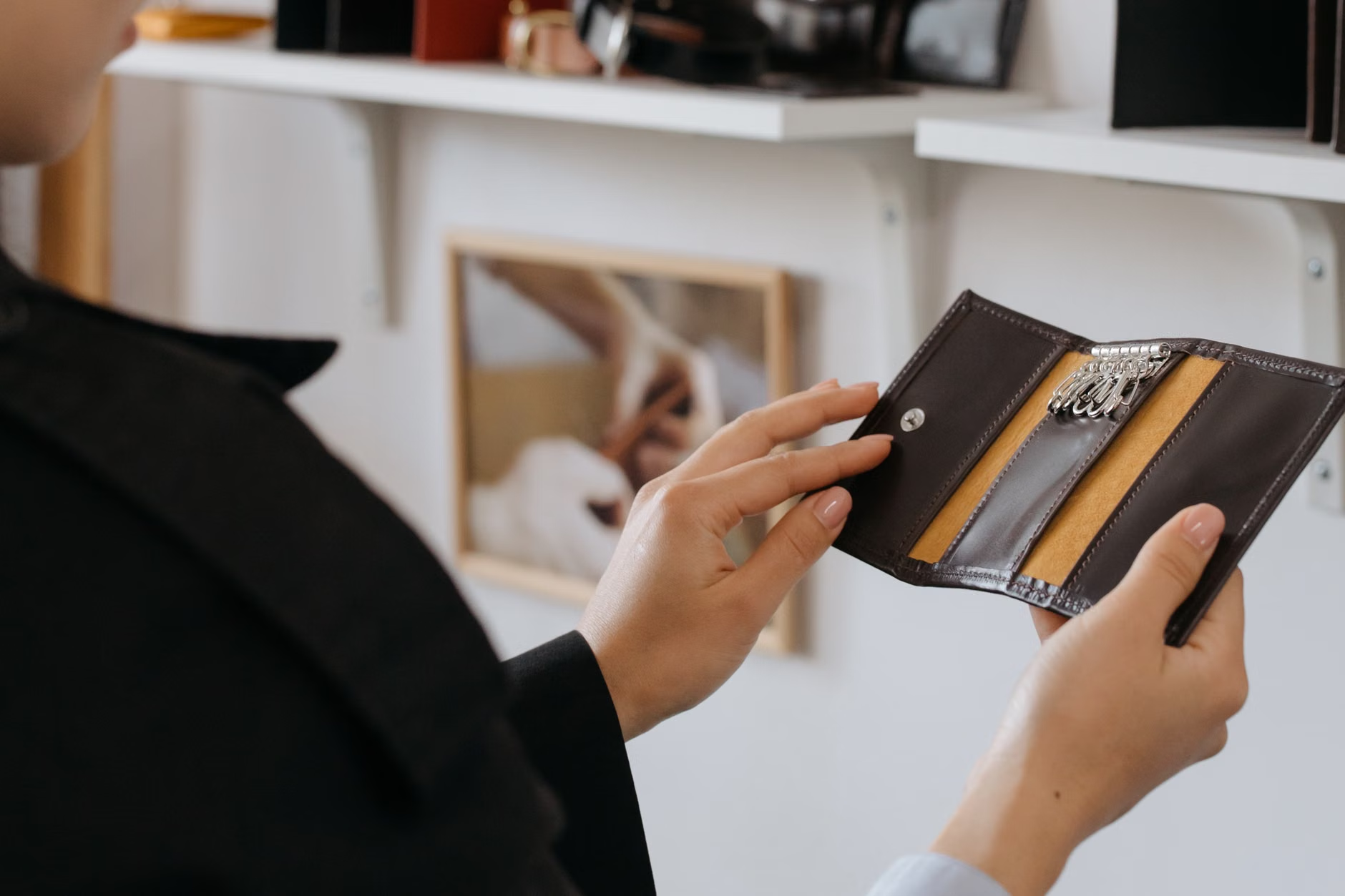
As you move into your late 30s and 40s, your style likely leans more toward “capsule” living—having fewer items that are higher quality and more versatile. The resale market is the perfect place to build this. Instead of buying five mediocre items, you can use the same budget to buy one or two “hero” pieces that elevate your entire wardrobe.
Decision Criteria for Your Next Purchase:
- Versatility: Can this piece be worn with at least three different outfits you already own? If not, it will likely stay in your closet.
- Seasonality: Is it a year-round piece? Neutral colors like black, navy, tan, and cream are safer bets for longevity than seasonal brights.
- Brand Heritage: Stick to brands with a long history of craftsmanship. These brands are more likely to offer repair services, which extends the life of your item significantly.
If you find yourself tempted by a “great deal” on a brand you don’t know well, pause. Do a quick search for “brand resale value” or check recent sold listings on major platforms. If the item isn’t moving, there is a reason. It might be a style that is aging poorly or a brand that has lost its cachet. Stick to the classics if you want your purchase to be an asset.
Addressing Common Misconceptions
There is a persistent myth that “resale items are dirty.” In reality, most professional resellers perform deep cleaning and sanitization before an item is listed. However, if you are buying from a peer-to-peer marketplace, you might need to do a little work. A professional leather conditioner can work wonders on a used bag, making it look nearly new. Use products that are specifically recommended for the type of leather you have—what works for a sturdy cowhide will ruin delicate calfskin.
Another misconception is that the “good stuff” is always gone. While it is true that the rarest items sell within minutes, the market is constantly being replenished. Set up alerts for specific models on your favorite apps. This way, you don’t have to spend hours scrolling. You will get a notification when the item you want hits the market at the price you are willing to pay. This is the most efficient way to shop, saving you time and preventing “impulse buy” fatigue.
The Future of Your Wardrobe
The transition to a pre-loved luxury strategy is a marathon, not a sprint. You don’t need to build a collection overnight. Start by identifying one “gap” in your wardrobe—perhaps a structured bag for work meetings or a high-quality watch for special occasions. Research that specific item, understand its resale value, and wait for the right piece to appear at the right price.
This approach transforms your closet from a source of clutter into a collection of assets. It aligns your personal style with a more sustainable, conscious way of living. And most importantly, it gives you the freedom to enjoy luxury without the guilt of overspending. Remember: the best luxury item is one that you use, enjoy, and eventually pass on to someone else who will value it just as much.
For more information on the evolving landscape of sustainable fashion and the circular economy, you can explore resources from the Ellen MacArthur Foundation, which provides excellent insights into how we can move away from the “take-make-waste” model of the past. Additionally, for specific advice on luxury goods maintenance, the LVMH Group’s sustainability portal often shares insights on how their heritage houses prioritize the longevity and repairability of their products.
Frequently Asked Questions
Buying from individual sellers on social media is high-risk. There is almost no recourse if the item is a fake or arrives in poor condition. If you choose to do this, always use a payment method that offers strong buyer protection, such as PayPal Goods and Services (never “Friends and Family”), and insist on using a reputable third-party authentication service before the transaction is finalized. When in doubt, stick to established platforms that provide a guarantee.
2. How often should I have my luxury leather goods professionally serviced?
For items used daily, a light professional cleaning and conditioning once a year is ideal to prevent the leather from cracking. If you notice the hardware losing its luster or the stitching starting to fray, take it to a professional cobbler or the brand’s boutique immediately. Catching small issues early is significantly cheaper than waiting for a major repair. For items used only occasionally, a check-up every two to three years is sufficient.
3. Does the resale value of luxury goods change based on the country I am in?
Yes, significantly. Luxury brands often have different pricing strategies in different regions, which creates “price gaps.” For example, some items may be cheaper in Europe due to tax refunds for tourists. This affects the resale market in those regions. Always check the local market prices on regional versions of resale sites to ensure you aren’t overpaying compared to what the item is actually selling for in your specific location.
Stay grounded, stay curious, and remember that the most stylish thing you can do is manage your resources with intent.