The most effective way to recover from the relentless pace of modern parenting is not a faster flight to a crowded destination, but a deliberate shift toward “slow-adventure” ferry travel, where the journey itself becomes the primary source of rest rather than a logistical hurdle.
- Eliminate Airport Fatigue: Moving from a car directly onto a ferry eliminates security lines, liquid restrictions, and the stress of managing luggage through crowded terminals.
- The “Mobile Living Room” Effect: Ferries offer the freedom to walk, dine, and sleep in a private cabin, turning travel time into quality time rather than confined waiting.
- Economic Efficiency for Families: When factoring in the cost of airport transfers, baggage fees, and rental cars, ferry travel often proves cheaper and more convenient for families carrying gear.
If you are in your 30s or 40s, your relationship with travel has likely shifted. The days of sprinting through terminals with a carry-on are over, replaced by the reality of managing snacks, tablets, and the inevitable “are we there yet?” chorus. We often view travel as a means to an end—a necessary evil to reach a destination. But what if the journey could be the highlight?
Slow-adventure ferry travel is gaining traction precisely because it solves the “transit trauma” that plagues modern family vacations. It is not about saving time; it is about reclaiming it.
Why the Ferry Beats the Flight for Family Sanity
When you choose a ferry over a short-haul flight, you are essentially choosing to preserve your nervous system. Consider the “Airport Tax”—the hidden cost of arriving three hours early, the liquid restrictions, the tiny seats, and the frantic retrieval of luggage. For a parent, this is a high-energy drain that takes at least 24 hours to recover from.
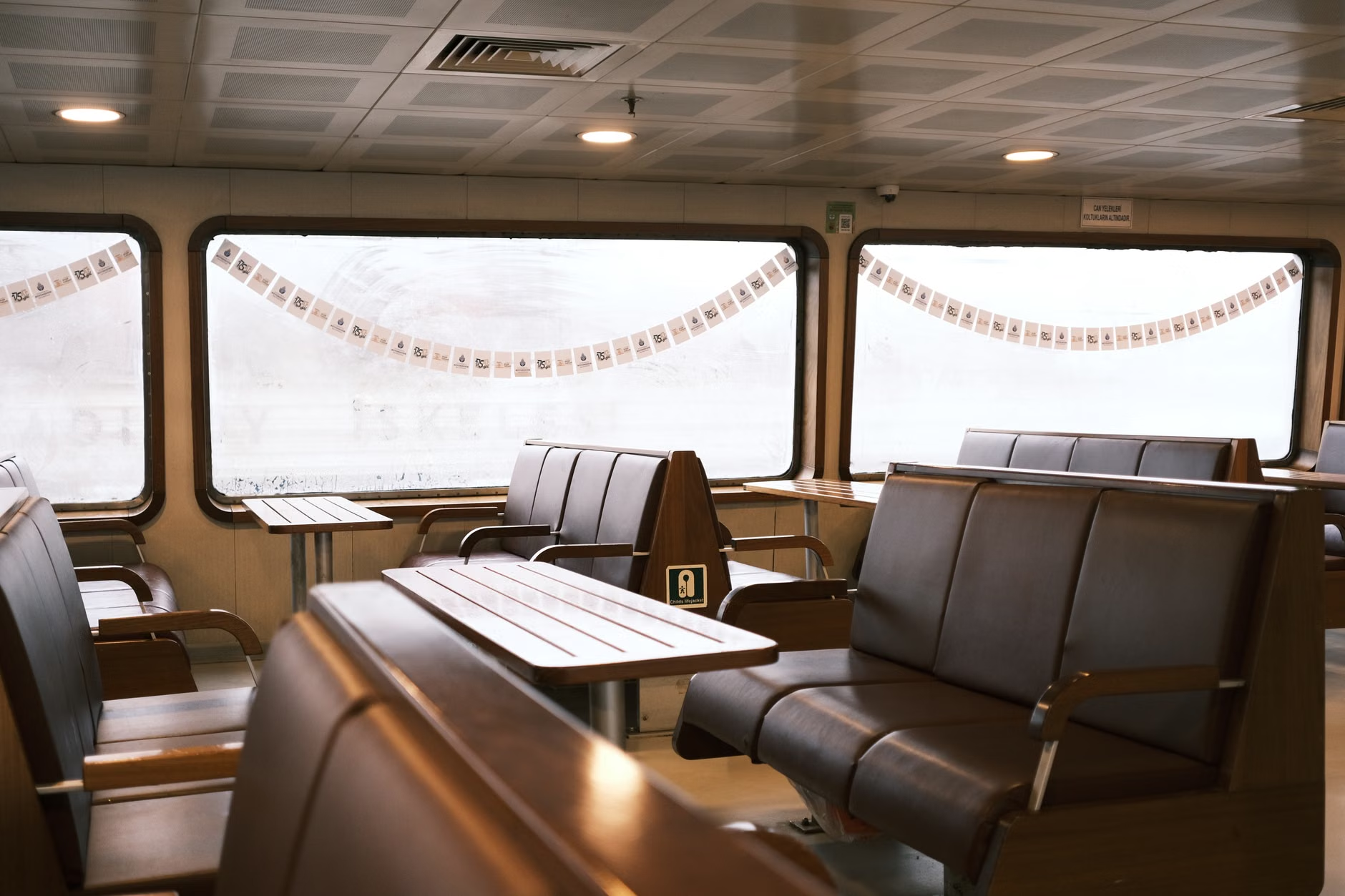
A ferry route, by contrast, operates on a different logic. You arrive at the port, drive your car onto the vessel, and immediately walk to a cabin or a deck chair. The chaos of “traveling” stops the moment you step on board. You aren’t confined to a middle seat; you are in a space where you can move around, visit a restaurant, or simply watch the wake of the ship.
The “Logistics vs. Lifestyle” Comparison:
| Feature | Short-Haul Flight | Slow-Adventure Ferry |
|---|---|---|
| Pre-Departure | 3 hours of security stress | 45 minutes of drive-on ease |
| Luggage | Strict limits and fees | Load your car as you wish |
| Parental Freedom | Confined to seat | Walkable decks and cabins |
The real-world application here is profound. If you are traveling with a toddler, the ability to bring your own stroller, a bag of familiar toys, and a cooler with snacks—without checking them in or worrying about size restrictions—is a game changer. It transforms a high-stress transition into a manageable, even enjoyable, part of your trip.
Designing Your Slow-Adventure Itinerary
Slow-adventure isn’t just about the ship; it’s about the route. Many travelers fall into the trap of choosing the fastest ferry, thinking that “less time on the boat” is better. This is a mistake. The goal is to maximize the relaxation experience.
Look for routes that offer “daylight crossings” on scenic waterways. Crossing the Baltic Sea, the Adriatic, or the rugged coasts of Scotland and Norway turns the transit into a sightseeing tour. You aren’t just getting from A to B; you are experiencing the geography of your destination from a vantage point few tourists ever see.
How to choose your route:
- Prioritize amenities: Look for vessels that offer dedicated family play areas or quiet lounges.
- Check the cabin options: If you are traveling overnight, a private cabin is non-negotiable. It provides a “base camp” for your children, allowing them to nap or play while you enjoy the scenery.
- The “Port-to-Port” rule: Always aim to arrive at your port at least 60 minutes before departure. This isn’t just for boarding; it’s to ensure you can find your cabin and get settled before the ship leaves the dock.
A common mistake is treating the ferry as a “budget flight.” It is not. It is a service where you pay for the convenience of your own space. If you try to save money by booking a seat in a public lounge rather than a cabin, you lose the primary benefit of the slow-adventure model: the ability to decompress in private.

Hidden Costs and Practical Realities
While ferry travel is often more relaxing, it is not immune to logistical challenges. The most significant “hidden” factor is the weather. Unlike airlines, which may reroute or push through minor turbulence, ferry schedules are dictated by sea conditions. A storm can lead to delays or cancellations. This is where the 30-something traveler’s planning skills come into play.
Always have a “Plan B” accommodation in the port city. If the ferry is delayed by 12 hours, having a pre-booked hotel or a list of local activities ensures that the delay becomes an unexpected mini-vacation rather than a source of panic. This is the “slow” in slow-adventure; you must be prepared to roll with the tide.
Another factor is the cost of food on board. While high-end ferries offer excellent dining, it can be expensive. A pro tip: treat the ship like a picnic destination. Most ferry operators allow you to bring your own food and drinks to consume in your cabin. Bringing a supply of high-quality snacks and a bottle of wine for the evening will save you significantly and ensure you have exactly what your family likes.
The Psychology of the “Sea Transition”
Why does this matter for your mental health? In our daily lives, we are constantly “switching” contexts—from parent to employee, from driver to shopper. We rarely have time to simply “be.” A long ferry crossing forces a pause.
When you are in the middle of the ocean, there is no work email to check, no school run to worry about, and no chores to complete. The horizon acts as a natural reset button. For parents in their 30s and 40s, this forced disconnection is a therapeutic tool. It is a rare opportunity to sit with your spouse or children without the background noise of everyday obligations.
Consider the “unplugged hour.” Make it a rule that for the first hour of the voyage, no devices are allowed. Use the time to explore the deck, look for marine life, or simply sit in silence. This creates a psychological boundary between “home life” and “vacation life,” making the transition into your holiday much more effective.
Practical Steps to Execute Your First Slow-Adventure
If you have never booked a long-haul ferry, the process can feel daunting. Start by using official operator websites rather than third-party aggregators. Aggregators often miss specific cabin types or bundle unnecessary extras. Going direct allows you to see the deck plans and choose your cabin location.
Step-by-step checklist:
- Select your route: Identify a region where ferry networks are robust (e.g., Northern Europe, Mediterranean, or the Pacific Northwest).
- Compare Cabin Types: Look for “outside” cabins (those with windows). The natural light makes a significant difference in how refreshed you feel upon arrival.
- Book the “Flex” Fare: Given the potential for weather-related delays, the extra cost for a flexible ticket is a wise insurance policy for your peace of mind.
- Pack a “Transition Bag”: Do not pack everything in your car. Have a smaller bag with pajamas, toiletries, chargers, and a change of clothes for the next day. You don’t want to be rummaging through the trunk in a crowded parking deck.
Remember, the goal is not to be the most efficient traveler in the world. The goal is to be the most rested parent. If you arrive at your destination feeling energized because you spent the previous 10 hours reading a book and watching the ocean, you have already won the vacation.
Understanding the “culture” of the ferry you are booking is vital. Some routes, particularly those in the Mediterranean, function more like social hubs, with vibrant nightlife and busy restaurants. Others, such as those crossing the North Sea or the Baltic, are designed for long-distance transport, prioritizing quiet zones and high-end sleeping quarters.
If you are traveling with young children, identify if the route is a “party” route (often identified by the presence of large duty-free alcohol shops and weekend nightclub events) or a “transit” route. A quick check of the operator’s website for “onboard entertainment” will tell you everything you need to know. For families, the transit-focused routes are almost always the better choice for ensuring a good night’s sleep.
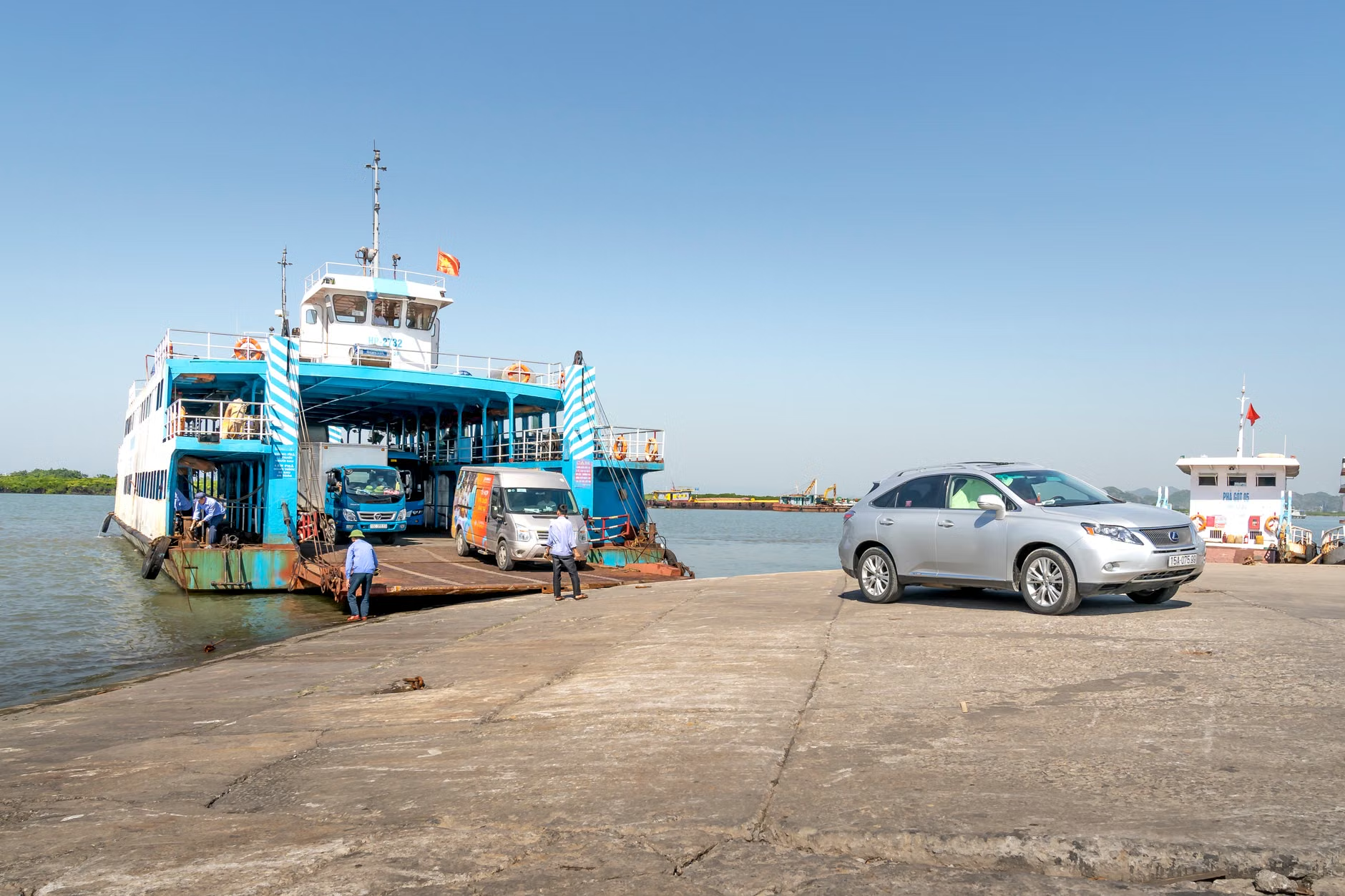
Furthermore, consider the “car deck” logistics. If you are taking your own vehicle, you will be directed to a specific lane. Do not worry about being “perfect” at parking. The staff are experts at guiding you into tight spaces. The key is to turn off your engine, engage the parking brake, and take note of your deck level. Taking a photo of your parking spot with your phone is a small but essential step to avoid wandering the ship looking for your car later.
A Note on Seasickness:
Even if you don’t usually get motion sickness, it is wise to be prepared. Modern ships have stabilizers that make the ride incredibly smooth, but if you are prone to issues, book a cabin in the middle of the ship on a lower deck. This area experiences the least movement. Keep a small kit with ginger chews or over-the-counter motion sickness medication just in case, but keep in mind that most modern ferries are exceptionally stable.
Why This Trend Fits Your Life Stage
The “slow-adventure” movement is not just a travel trend; it is a response to the “burnout culture” that defines our 30s and 40s. We are the generation that tried to do everything at 100 miles per hour, and we are now realizing that speed is not a virtue. We are looking for depth, for connection, and for experiences that don’t leave us exhausted.
By choosing a ferry, you are making a statement that your time has value. You are opting out of the “fast and cheap” mentality that drives the modern airline industry. You are choosing to see the world as a place to be explored, not just a series of nodes to be connected as quickly as possible.
This approach also teaches our children a valuable lesson: that the journey is part of the story. When we rush, we miss the details. When we slow down, we see the patterns in the waves, the change in the light, and the way the world opens up when we aren’t constantly checking our watches.
Final Thoughts: Making the Choice
If you are on the fence about your next family trip, look at a map. Identify a port within a reasonable driving distance and see where the ships go. You might be surprised to find that a 12-hour ferry crossing could replace a chaotic 6-hour flight-plus-transfer nightmare.
Don’t look for the cheapest option. Look for the option that offers the best “human experience.” Invest in the cabin, pack the good snacks, and leave the stress at the dock. Your future self—the one who arrives at your destination feeling like they’ve actually had a holiday—will thank you.
For more information on planning your maritime adventure, check out official resources such as FerrySavers for route comparisons or specific operator sites like DFDS or Stena Line to see the range of cabin amenities available for families.
Frequently Asked Questions
Q: Is a ferry really cheaper than flying for a family of four?
A: It depends on the distance and the number of people. While the ticket price might seem higher, once you add up the costs of airport parking, checked bag fees, rental car insurance, and the premium for airport food, ferry travel often becomes the more economical and certainly the more convenient choice for families with a lot of gear.
Q: What happens if I get seasick?
A: Modern ferries are equipped with advanced stabilizers that significantly reduce movement. However, if you are prone to motion sickness, choose a cabin located in the center of the ship on a lower deck, as this area remains the most stable. Always carry ginger-based remedies or consult your doctor for preventative options before you travel.
Q: Are there enough activities for children on a long ferry ride?
A: Most long-distance ferries have dedicated play areas, cinemas, and plenty of space to walk around. However, the best “activity” is the one you bring yourself. Treat the ferry like a mobile base camp—bring board games, books, and tablets, and use the time to engage in activities you wouldn’t have time for in your daily routine.