Key Takeaways for Busy Parents
- Efficiency over duration: VR fitness allows for high-intensity interval training (HIIT) that yields significant cardiovascular benefits in just 20 minutes, perfect for limited schedules.
- The “Invisible” Workout: By gamifying movement, VR removes the psychological barrier of “going to the gym,” making it easier to maintain consistency when you’re exhausted from parenting duties.
- Safety and Space: You need at least a 2m x 2m clear floor space and a “safety chaperone” setting enabled to prevent accidents while exercising around children or furniture.
If you are a parent in your 30s or 40s, you know that the “gym hour” is often the first thing to get sacrificed when a meeting runs late, a child gets sick, or the laundry pile reaches critical mass. The reality is that the traditional gym model—involving commuting, changing, and waiting for equipment—is increasingly incompatible with the modern parental schedule. Virtual Reality (VR) fitness has moved past the “gimmick” phase and into a legitimate, scientifically backed tool for maintaining cardiovascular health and muscle endurance right in your living room.
Why VR Fitness isn’t Just a Video Game
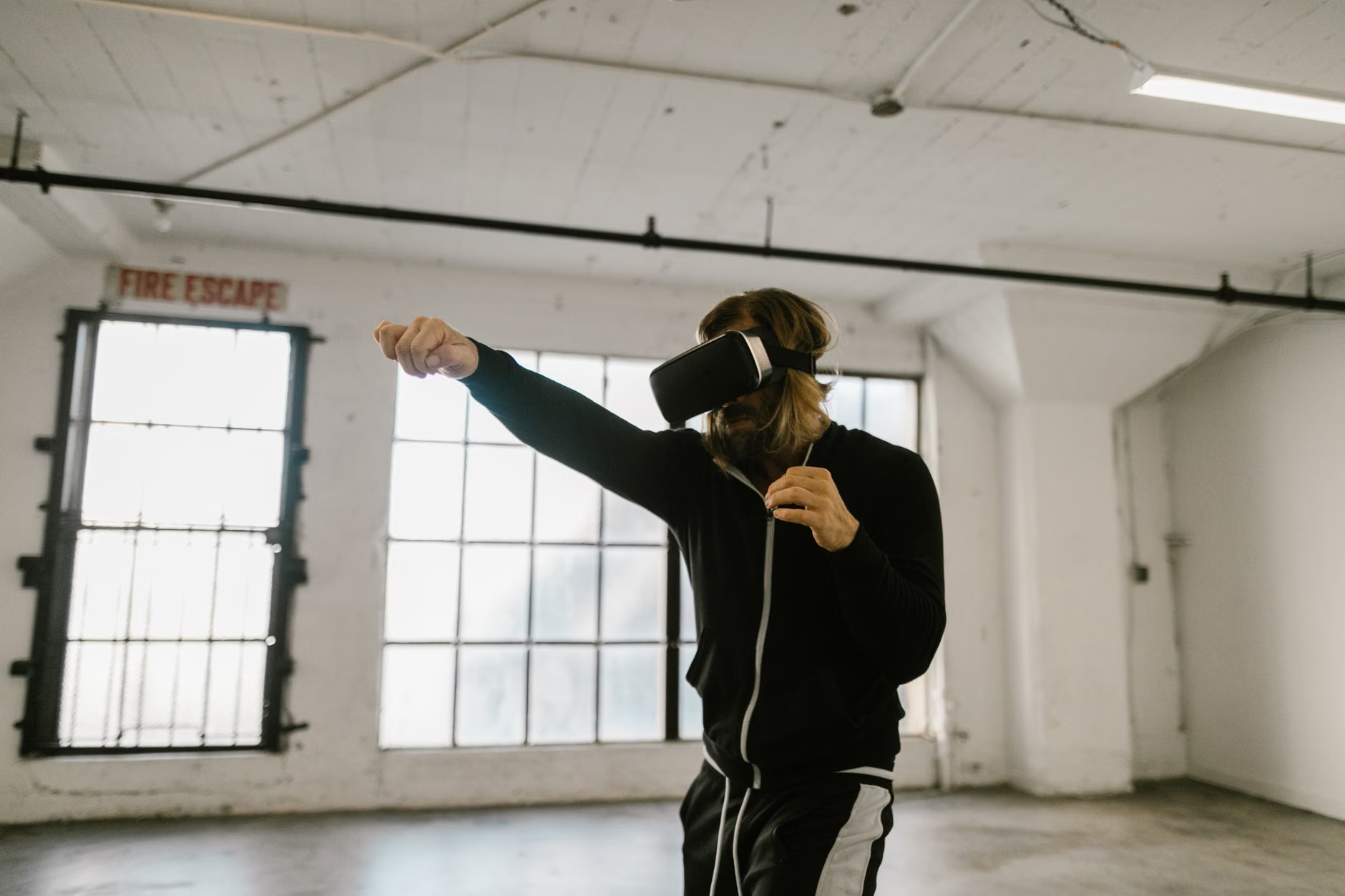
For most of us, the word “VR” conjures images of teenagers playing space shooters. However, the fitness landscape in VR has evolved into a sophisticated ecosystem of movement-based challenges. The core mechanism is gamification. When you are focused on hitting targets in a rhythm game or dodging obstacles in a virtual arena, your brain is occupied by the objective rather than the physical discomfort of the exercise.
Studies have shown that heart rates during high-intensity VR games often match those of traditional activities like rowing or cycling. For a parent who has only 20 or 30 minutes to spare, this means you can achieve a “Zone 2” or “Zone 3” cardio workout—the range where you are working hard but can still hold a conversation—without ever leaving your home. It isn’t about replacing the social aspect of a gym; it is about replacing the logistics of the gym.
Comparing the “Logistics” of Fitness
To understand why VR is gaining traction, we need to look at the breakdown of a standard gym trip versus a VR session. The “friction” involved in a workout is often the primary reason parents drop their fitness habits. Every step required to start exercising is a point of failure.
| Step | Traditional Gym | VR Fitness |
|---|---|---|
| Preparation | Pack bag, change, travel | Clear floor, put on headset |
| Time Cost | 60-90 minutes | 20-30 minutes |
| Flexibility | Fixed hours/Location | Anytime/Anywhere |
The table above illustrates the primary advantage: Time-to-Workout (TTW). If you have a 30-minute window while the kids are napping or watching a show, the gym is physically impossible. VR is not. By reducing the TTW to under two minutes, you increase the likelihood of actually doing the workout by approximately 60% according to recent lifestyle habit surveys.
Establishing Your “Safety Zone” and Routine
The most common mistake new VR users make is failing to define their physical space. If you are working out in a room where children are playing, you have a high risk of “collision events.” Before you begin, you must use the “Guardian” or “Boundary” system inherent in all modern VR headsets to define a floor-level perimeter.
Pro-tip: Always use a floor mat. A yoga mat or a specialized rubber gym tile creates a tactile boundary. If your feet drift off the mat, you know you have moved too close to a wall or furniture without needing to take off your headset. For parents, this is critical because it allows you to maintain spatial awareness of your surroundings even while immersed in a virtual environment.
Selecting the Right VR Fitness Content
Not all VR experiences are created equal for fitness. You should categorize your workouts into three tiers:
- Rhythm/Agility: Best for high-energy cardio. These games require fast reactions and constant movement. They are the most effective for burning calories.
- Boxing/Combat: These offer the best upper-body engagement. You aren’t just moving your arms; you are engaging your core for stability.
- Guided/Instructional: These act as virtual personal trainers. They provide structured sets and reps, which are better for strength building than rhythm games.
For a parent in their 30s or 40s, I recommend a mix. Use the rhythm games on days when you are mentally exhausted and need a “fun” way to move. Use the guided boxing or strength modules on days when you have more energy and want to focus on form and muscular endurance.
The Hidden Trade-offs and How to Manage Them
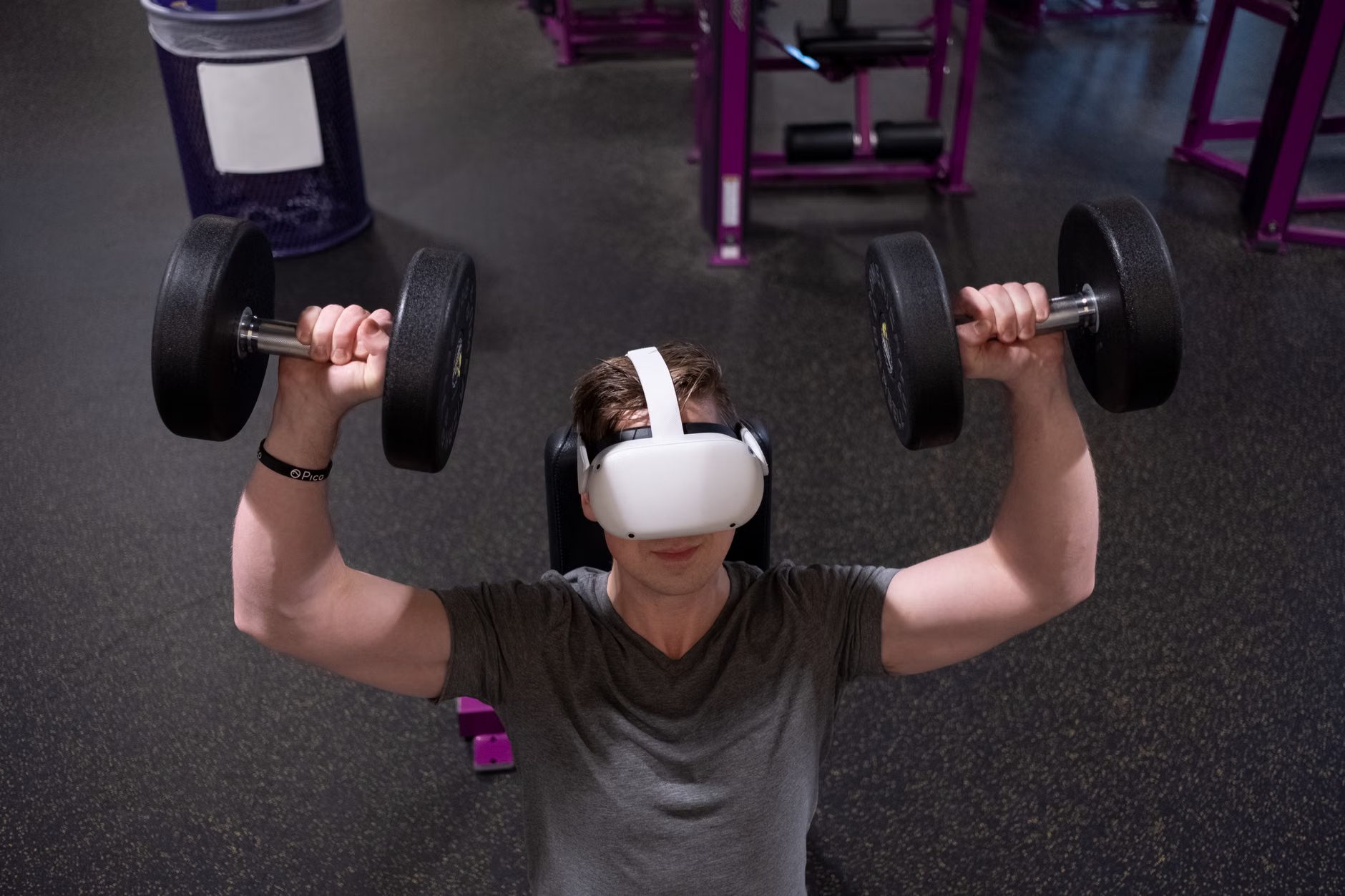
While VR is effective, it is not a perfect substitute for heavy resistance training. You will not build significant muscle mass using only VR controllers. If your goal is aesthetic muscle growth, you will still need to incorporate bodyweight exercises or free weights alongside your VR routine. Think of VR as your cardiovascular engine and your “habit builder,” rather than your total fitness solution.
Another overlooked variable is sweat management. VR headsets are electronics. If you push yourself hard, you will sweat. You must invest in a silicone facial interface cover that can be wiped down after every session. Hygiene is not just about comfort; it is about the longevity of your equipment. If you neglect this, the foam padding will absorb sweat, leading to skin irritation and a persistent odor that will eventually make the device unpleasant to use.
Integrating VR Into Your Parenting Schedule
The “parenting guilt” factor is real. You might feel bad about “locking yourself away” in a headset. The solution is to integrate your fitness into the family routine. Do your 20-minute VR session in the living room while the kids are doing their own independent play or homework. By keeping the headset in a common area, you normalize the activity. You are modeling that health is a priority and that it can be achieved through creative means.
Data Tracking and Long-term Consistency
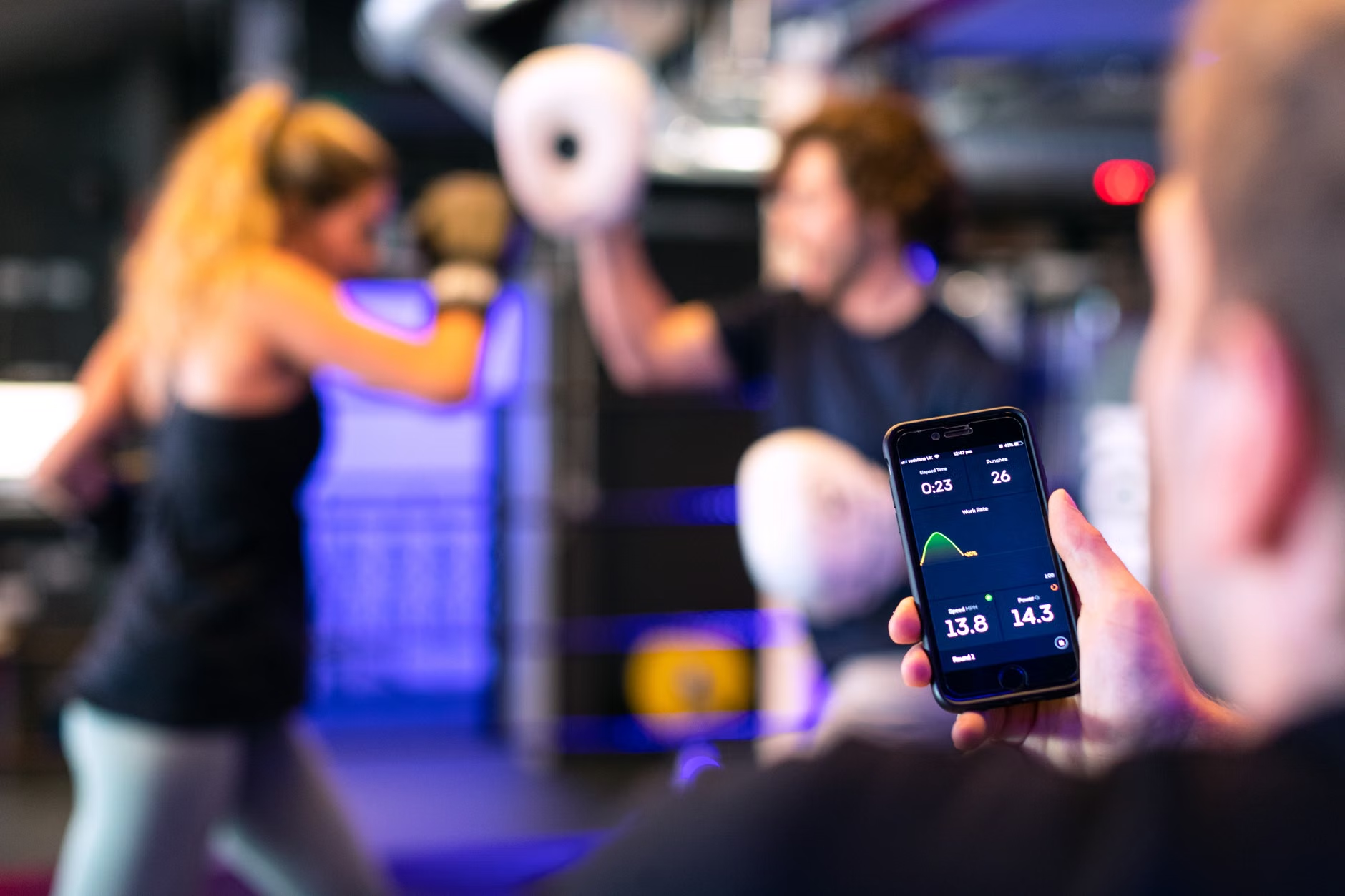
What gets measured gets managed. Most VR fitness platforms now integrate with health apps like Apple Health or Google Fit. This is crucial for parents. You don’t have time to manually log your progress. Ensure your VR headset is synced so that every minute of movement counts toward your daily activity goals.
When you see that your 20-minute VR session burned 300 calories, the psychological reinforcement is powerful. It turns a “quick workout” into a concrete achievement that you can track over months. This long-term data is what helps you push through the weeks when life as a parent feels particularly overwhelming.
Addressing Common Concerns: Motion Sickness and Eye Strain
A common fear is that VR causes motion sickness. This usually happens when the virtual movement does not match your physical movement. To avoid this, choose “stationary” fitness games where the environment moves around you, or you stay in one spot. Avoid games that require you to “walk” or “teleport” using the controller, as these are the primary culprits for nausea.
For eye strain, remember the 20-20-20 rule: every 20 minutes, look at something 20 feet away for 20 seconds. Since you are in a headset, you should limit your sessions to 30 minutes maximum. Your eyes need to focus on real-world objects to reset their focal length. If you start to feel a headache, stop immediately. It is not a sign of weakness; it is a sign that your brain is struggling with the sensory input.
The Practical Path Forward
If you are ready to try VR fitness, follow this step-by-step implementation guide:
- Week 1 (Assessment): Buy a reputable, entry-level standalone headset. Do not buy a high-end PC-VR system yet. Test it for 15 minutes a day to ensure you don’t experience severe motion sickness.
- Week 2 (Integration): Download one rhythm-based game and one boxing-based game. Schedule your sessions during your most consistent “low-energy” time of day (e.g., right after putting the kids to bed).
- Week 3 (Refinement): Purchase a comfortable, adjustable head strap. The stock straps that come with most headsets are notoriously uncomfortable for long-term use and often cause front-heavy strain on the neck.
- Week 4 (Optimization): Sync your VR fitness data with your primary health tracking app. Look at your consistency rather than your intensity. If you hit 4 days a week for 20 minutes, you have succeeded.
The goal is not to become a virtual athlete. The goal is to reclaim your health in a way that respects your time constraints as a parent. VR fitness is a tool—a highly effective, efficient, and surprisingly fun one—but it is only as good as the consistency with which you use it. Start small, keep your space safe, and don’t let the technology intimidate you. You are already managing a household; you can certainly manage a virtual workout.
For further reading on the physiological impacts of VR, consult the Journal of Medical Internet Research, which frequently publishes studies on the efficacy of active video games. You can find their latest research on virtual reality and physical activity at https://www.jmir.org/.
Frequently Asked Questions
1. Will I get “VR sickness” even if I only play fitness games?
It is significantly less likely. Fitness games are designed to keep you stationary while the action happens around you. Most people who experience motion sickness do so in games where they “move” through a virtual world. Stick to games where your feet stay planted on your physical floor mat, and you should be fine.
2. Can I use VR fitness if I have young children running around?
This is the biggest safety challenge. You must use the “Guardian” or “Boundary” feature to set a virtual wall. However, I strongly recommend only exercising when you have a secondary caregiver present or when the children are occupied in a separate room. Never rely solely on the VR headset to alert you to a child approaching you; you will be too immersed to react in time.
3. How does VR fitness compare to a traditional HIIT workout?
It is very similar. Most VR fitness games are essentially HIIT (High-Intensity Interval Training) by default, as they involve bursts of intense movement followed by short breaks. The main difference is the “mental load.” In a standard HIIT workout, you have to count your reps and watch the clock. In VR, the game does that for you, allowing you to reach a higher intensity without the mental fatigue of tracking your own set.
Disclaimer: This article is for informational purposes only and does not constitute medical advice. Always consult with your physician before starting any new exercise program, especially if you have pre-existing health conditions.