The most effective way to end mealtime power struggles with a picky toddler is to shift their role from a passive recipient of food to an active participant in the kitchen through the collaborative-cooking method.
- Autonomy is the antidote to resistance: When toddlers feel they have a say in what goes into their bowl, their physiological urge to reject “foreign” food significantly decreases.
- Exposure without pressure: Collaborative cooking provides “low-stakes exposure,” allowing children to touch, smell, and handle ingredients without the immediate pressure to ingest them.
- The 15-minute rule: Dedicate 15 minutes of “prep play” before the meal. This isn’t about cooking a gourmet dinner; it’s about sensory familiarization.
If your kitchen floor looks like a vegetable graveyard after every dinner, you are not failing as a parent—you are simply dealing with a developmental phase known as “neophobia.” It sounds clinical, but it’s essentially the biological instinct for a child to be wary of new foods. For a toddler, a green piece of broccoli isn’t just a vegetable; it’s an unknown variable in a world they are desperately trying to control.
The collaborative-cooking method isn’t about teaching your three-year-old to be a sous-chef. It is a psychological strategy that leverages the “IKEA effect”—the cognitive bias where people place a disproportionately high value on products they partially created themselves. By letting your toddler “create” their dinner, you move them from a state of suspicion to a state of ownership.
Why Your Toddler Rejects Food (And Why You Should Stop Trying to Force It)
When we force a child to “just take one bite,” we inadvertently trigger their fight-or-flight response. In a toddler’s brain, being coerced to eat something they don’t recognize is perceived as a threat. This creates a negative association with the dining table that can last for years.
Research into child development suggests that toddlers require anywhere from 10 to 15 exposures to a new food before they are even willing to taste it. Most parents stop after the second or third rejection, assuming the child “hates” that specific vegetable. The reality is that the child is simply still in the “familiarization phase.”
The Psychology of Control
In their third and fourth years, children are obsessed with autonomy. They want to choose their shoes, their books, and their toys. When it comes to food, they often have zero input. If you serve them a plate, you have effectively removed their agency. Collaborative cooking returns that agency. When they help wash the lettuce or tear the herbs, they aren’t just helping—they are auditing the ingredients for safety. Once they have “vetted” the food, the psychological barrier to eating it drops.
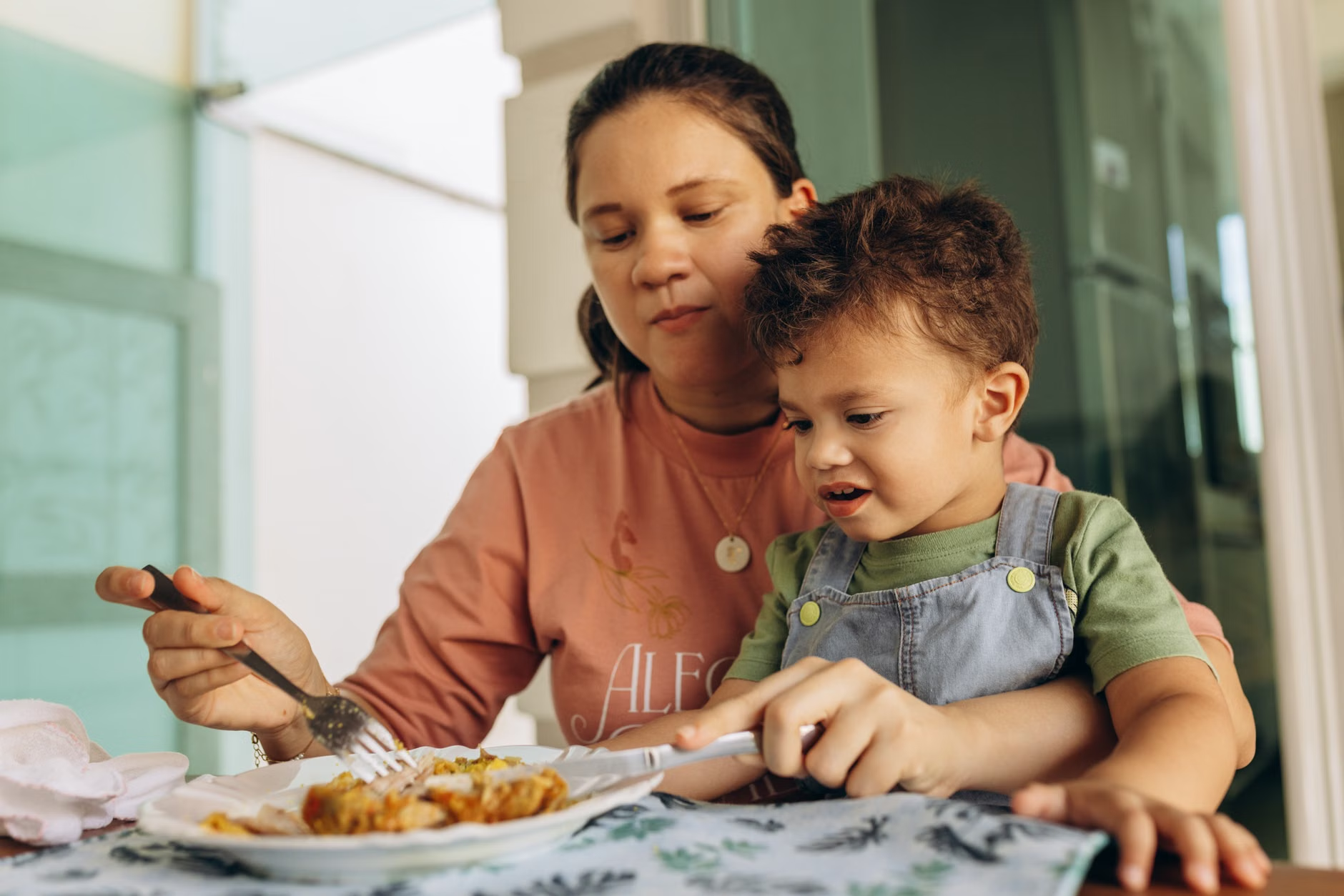
The Mechanics of Collaborative Cooking: A Step-by-Step Framework
To make this work, you need to lower your expectations of what “cooking” looks like. It is not about perfect recipes; it is about tactile engagement. Here is how to structure the process to ensure it doesn’t turn into a chaotic mess that makes you regret ever starting.
Step 1: The Prep-Play Phase (The “Safe” Zone)
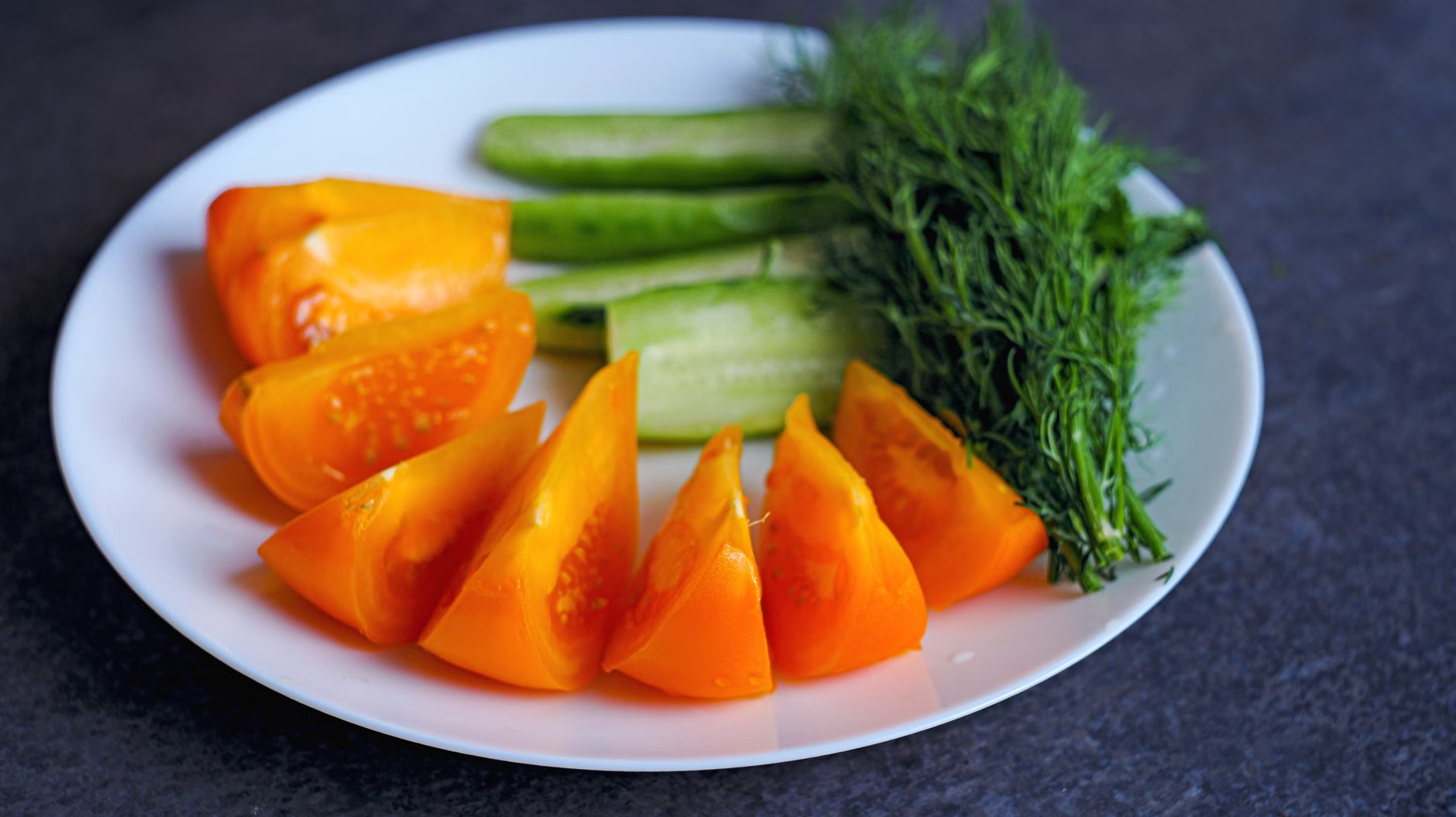
Start with ingredients that have no “risk.” If you are chopping onions, give your toddler a separate, safe space with a plastic knife and a few sturdy vegetables like cucumbers or bell peppers. The goal here is not to finish the prep; the goal is to have them handle the raw materials. Let them touch the texture, smell the skin, and even “play” with the scraps. When they handle the food without the expectation of eating it, you bypass their defensive barriers.
Step 2: The Choice Architecture
Give your child limited but meaningful choices. Instead of asking, “Do you want to eat this?” ask, “Should we put the peas in the red bowl or the blue bowl?” or “Do you want to sprinkle the cheese or the herbs on top?” These choices are irrelevant to the nutritional content but essential for the child’s sense of control. They are now an active team member, not a passive consumer.
Step 3: The “Tasting” Milestone
Establish a rule that they don’t have to eat the main meal, but they do have to participate in the “quality control” process. This might mean licking a spoon used to stir the sauce or touching a piece of roasted carrot to see if it’s “soft enough.” By framing this as a scientific task—testing for texture or color—you remove the pressure of consumption.
| Stage | Activity | Goal |
|---|---|---|
| Preparation | Washing, peeling, tearing | Sensory familiarization |
| Assembly | Plating, garnishing, mixing | Ownership building |
| Execution | “Quality control” tasting | Overcoming neophobia |
Common Mistakes That Sabotage the Process
Even with the best intentions, many parents accidentally derail the process. The most common mistake is rewarding the consumption. If you say, “If you eat your broccoli, you can have a cookie,” you are telling your child that broccoli is the “bad” thing you have to endure to get the “good” thing. This reinforces the idea that the vegetable is inherently unpleasant.
Another mistake is over-involvement. If you micromanage their help, you turn a fun activity into a lesson. If they put the herbs in the wrong place or the salad looks messy, let it be. The goal is the psychological investment in the process, not the aesthetic quality of the final dish.
Creating the Right Environment for Success
The environment matters as much as the method. If you are stressed, your child will sense it. Collaborative cooking should be treated as a low-pressure activity. If it’s a particularly busy Tuesday night, don’t force a complex project. Keep it simple: let them tear lettuce for a salad or stir a dressing. The duration of the interaction is less important than the frequency.
Consider the “low-stakes” exposure environment. Having a “learning tower” or a sturdy stool allows the toddler to reach the counter safely. When they can see what you are doing, they are more likely to want to join in. If they are stuck at floor level, they feel excluded from the “adult” activity of cooking, which makes them less likely to value the result.
The Role of Sensory Integration
Many children who are labeled “picky” are actually sensitive to sensory input. The slimy texture of a tomato or the bitter bite of kale can be overwhelming. Collaborative cooking allows them to interact with these textures in a controlled way. By touching the food before it is cooked, they learn what to expect. They aren’t surprised by the texture when it hits their tongue, which is a major factor in why children reject food.
Actionable Steps for Tomorrow Night’s Dinner
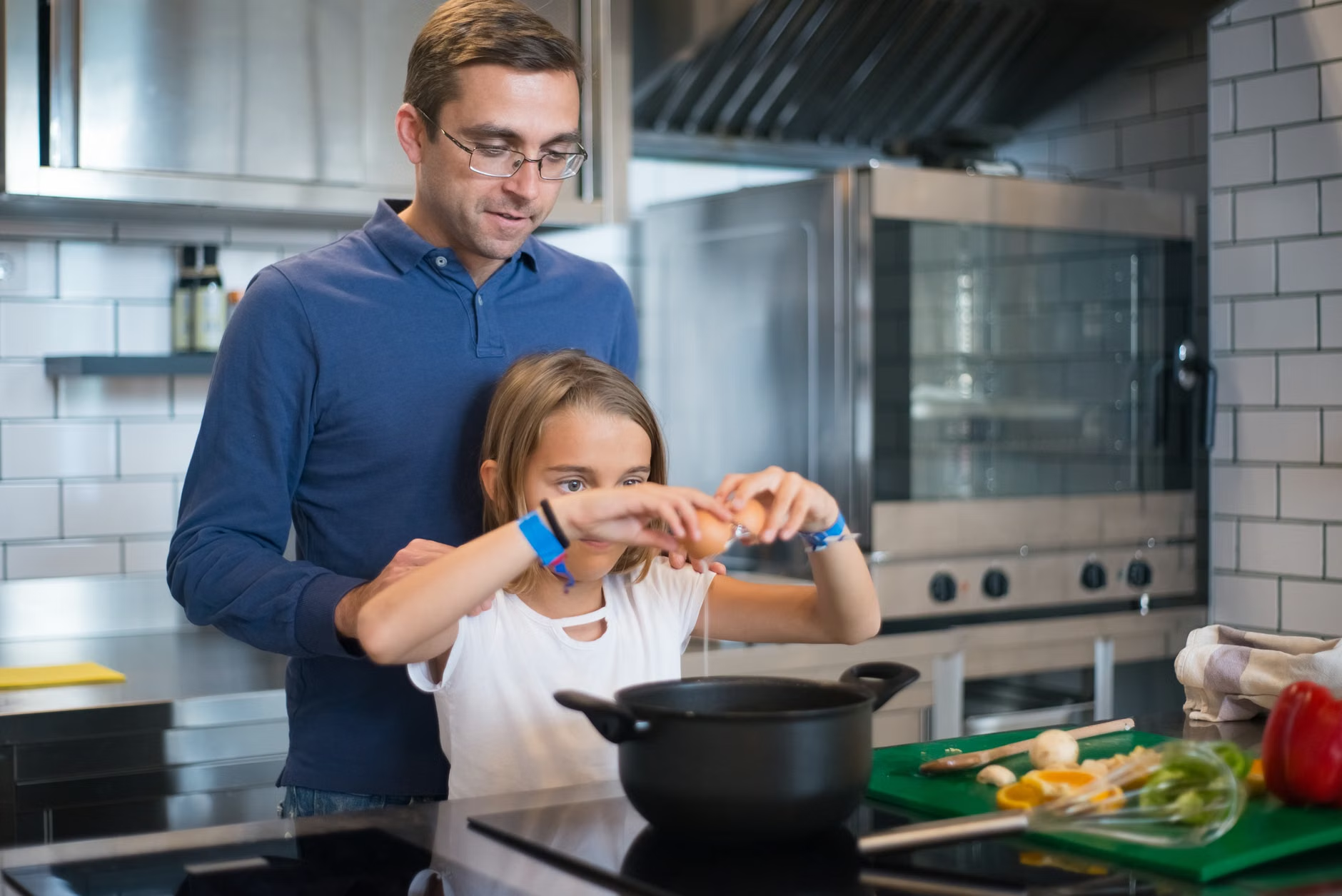
You don’t need to change your entire lifestyle overnight. Pick one meal this week to test this method. Here is your actionable checklist:
- Choose a simple task: Don’t try to bake a cake with a toddler. Focus on washing vegetables, tearing herbs, or adding pre-measured ingredients to a bowl.
- Keep it brief: 10 to 15 minutes is the sweet spot. Any longer, and their attention will wander, and the frustration will mount.
- Remove the pressure: Explicitly state, “We are just getting this ready for dinner, you don’t have to eat any of it if you don’t want to.” This statement alone will lower their guard.
- Be a role model: Eat the food yourself with enthusiasm. Show, don’t tell. Let them see you enjoying the texture and flavor of the ingredients you prepared together.
Remember that this is a long-term strategy, not a quick fix. You are building a positive relationship with food, which is a foundational skill for their health in the coming decades. If they still refuse the meal, stay calm. They have already had a “win” by participating and becoming more comfortable with the ingredients. That counts as progress.
Frequently Asked Questions
What if my toddler refuses to help in the kitchen entirely?
If they refuse to help, don’t force it. Try “passive participation” instead. Let them sit on the counter or in a high chair while you cook and simply talk to them about what you are doing. “I’m chopping this carrot because it makes it easier to chew.” Even without physical contact, they are observing that cooking is a normal, non-threatening, and social part of the day.
Is it okay to let them play with their food at the table?
Within reason, yes. If they need to touch their food to feel safe enough to eat it, that is a form of sensory processing. As long as it doesn’t turn into a food-throwing mess, allowing them to poke, prod, or arrange their food is a legitimate part of the learning process for many toddlers.
How do I handle the mess without getting frustrated?
The mess is part of the “cost” of the activity. Use a dedicated “mess mat” or a plastic tablecloth that can be wiped down quickly. If you are worried about the mess, you will project that anxiety onto the child, which ruins the “collaborative” aspect. If you find yourself getting stressed, it is better to stop the activity early than to force it while feeling agitated.
Ultimately, the goal of the collaborative-cooking method is to normalize food. By bringing your child into the process, you strip away the mystery and the fear, replacing them with familiarity and competence. Keep your focus on the process rather than the plate, and you will find that the battles at the table gradually fade away.
For more research on child feeding and development, you can refer to resources from the American Academy of Pediatrics or the USDA’s MyPlate initiative for age-appropriate engagement tips.