- Focus on the Journey, Not the Destination: Slow-adventure biking prioritizes exploration and frequent pauses over reaching a specific mileage goal, which is essential for maintaining child engagement.
- Equipment Matters Less Than Preparation: You don’t need high-end carbon fiber bikes; you need reliable, well-maintained bikes, basic repair kits, and a strategic route that avoids high-traffic roads.
- The “Rule of Thirds”: Divide your trip into riding, playing, and snacking to prevent fatigue and keep the experience fun rather than exhausting for everyone involved.
Most families approach cycling like a military operation. You buy the expensive gear, map out a 20-kilometer loop, pack the energy gels, and tell the kids to “keep up.” By the second kilometer, someone is crying, someone is hungry, and you’re wondering why you didn’t just stay home and watch a movie. The problem isn’t the cycling; it’s the mindset of treating a family outing like a professional training session.
Slow-adventure biking flips this script. It is a philosophy of cycling where the speed is dictated by the slowest rider, the route is chosen for its scenery and safety, and the goal is simply to be together. It’s about the “micro-adventures”—the hidden creek you found, the ice cream shop you didn’t know existed, and the fact that you actually had a conversation with your children without a screen in the middle.
Why “Slow” is the New “Fast” for Parents
In our 30s and 40s, we are often overwhelmed by the pressure to optimize everything. We optimize our work, our diet, and our children’s extracurricular schedules. When we try to bring this “optimization” mindset to family travel, it backfires. Slow-adventure biking is an intentional act of rebellion against efficiency.
When you cycle at a “slow” pace—usually 8 to 12 kilometers per hour—you change your relationship with the environment. You aren’t just moving through a space; you are observing it. For children, this is a sensory goldmine. They notice the texture of the bark on the trees, the sound of the birds, and the changes in the wind. When you move too fast, you turn the world into a blur. When you move slowly, you turn it into a classroom.
This approach also removes the “finish line” anxiety. If you have no strict goal to reach a distant town by sunset, you have no reason to be frustrated when a child wants to stop to look at a beetle for ten minutes. That beetle is the adventure. By shifting your focus from the destination to the experience, you lower the cortisol levels for everyone—yourself included.
Choosing the Right Route: Beyond the Bike Path
The most common mistake parents make is choosing a route based on distance rather than accessibility. Many official “cycling routes” are designed for commuters or fitness enthusiasts who don’t have to worry about a seven-year-old on a single-speed bike with a loose chain. To make slow-adventure biking work, you need to be a cartographer of your own backyard.
Look for “Greenways” or converted rail-trails. These are often flat, paved, or crushed-gravel paths that were originally built for trains. Because trains don’t do steep hills, these paths are naturally gentle. They are also usually separated from motor vehicle traffic, which is the single most important factor in whether a family ride feels relaxing or nerve-wracking.
Before you commit to a route, use tools like OpenCycleMap or local government planning department websites to check for “traffic-calmed” routes. In many European cities, these are marked as “bicycle boulevards” where cars are guests. If you live in a more car-dependent region, look for local park networks that allow cycling. A three-kilometer loop that you ride twice is infinitely better than a ten-kilometer ride on the shoulder of a busy highway.
| Route Type | Best For | Risk Level |
|---|---|---|
| Converted Rail-Trail | All ages, relaxed pace | Very Low |
| City Park Loops | Toddlers, short sessions | Low |
| Country Backroads | Older kids, experienced | Medium (Vehicle traffic) |
Decision Rule: If you are planning your first trip, choose a route that is 50% shorter than what you think your kids can handle. It is always better to finish the ride wanting more than to finish it with a child who refuses to touch a bike for the next month.
The “Rule of Thirds” for Family Cycling
How do you keep the momentum going without turning it into a chore? I use the “Rule of Thirds.” A successful three-hour outing should be divided into three distinct segments: one-third riding, one-third exploring or playing, and one-third eating or resting.
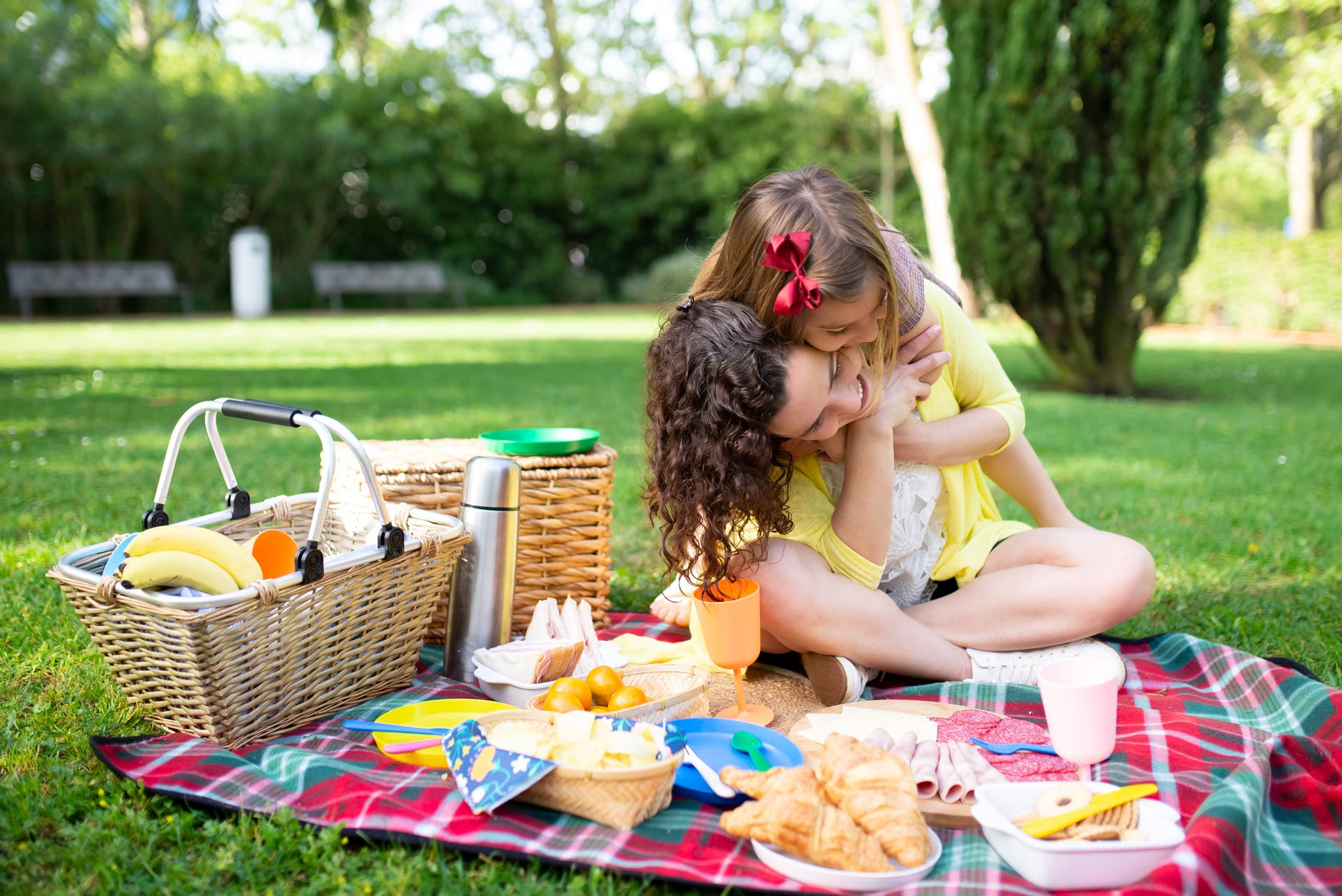
Most parents spend 90% of the time riding and 10% panicking about when the next break will be. By explicitly planning for “off-bike” time, you remove the nagging. If you know that at the 45-minute mark you will stop at a playground or a park bench for a snack, the children know that their effort will be rewarded. This creates a predictable rhythm that children crave.
Practical Tip: Don’t just pick a “rest spot.” Make it an “activity spot.” Bring a magnifying glass for looking at moss, a small sketchbook, or even a simple frisbee. When you stop, the bike is no longer the center of attention. This shift in focus is what makes the experience feel like an adventure rather than a commute.
Gear: What You Actually Need (and What You Don’t)
There is a massive industry built on convincing you that you need expensive cycling jerseys, aerodynamic helmets, and high-end carbon frames. For slow-adventure biking, this is completely unnecessary. In fact, it’s often a hindrance. If you look like a pro-cyclist, you start acting like one—you worry about your cadence, your speed, and your heart rate.
Instead, focus on the “Reliability Trinity”:
- Maintenance: A clean, well-lubricated chain and properly inflated tires make the ride 50% easier. You don’t need a professional tune-up every month, but you do need to know how to check if your tires are firm and your brakes are biting.
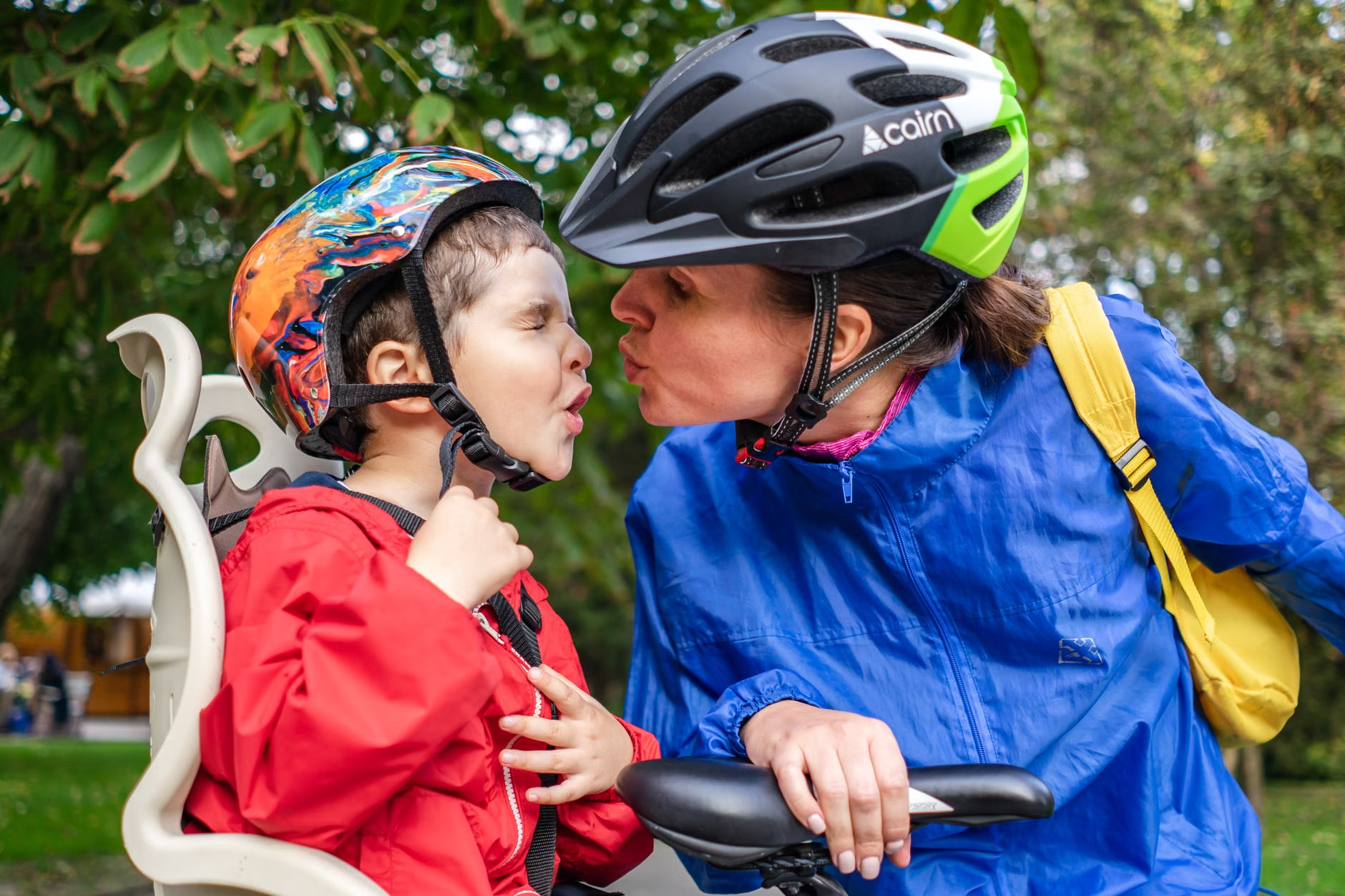
- Visibility: Even on bike paths, keep your lights on. A small, inexpensive LED light on the front and back of every bike makes you visible to others and adds a layer of safety that is worth every cent.
- Comfort: Padded shorts are a game-changer for adults. You don’t need the flashy ones; a simple liner short that goes under your regular clothes is perfect. For kids, ensure their seat height is correct—if their knees are hitting their chest, they aren’t having fun.
One hidden cost people often overlook is the “utility factor.” Do you have a way to carry stuff? A simple rear rack with a pannier bag is infinitely better than a backpack. Carrying weight on your back while cycling, especially for kids, shifts your center of gravity and leads to shoulder fatigue. If you can’t install a rack, use a basket. If it’s on the bike, it’s not on your body.
Managing the “I’m Tired” Moment
Inevitably, someone will get tired. It might be the child who decides they are done, or the parent who realizes they underestimated the headwind. This is the moment where most people give up. But the slow-adventure mindset has a solution: The “Bail-Out Plan.”
Before you leave, look at your map and identify a “bail-out” point. This could be a bus stop, a train station, or a specific landmark where you can call a taxi or have a partner pick you up. Knowing that you have an exit strategy makes the entire ride less stressful. If you don’t need it, great! But if you do, you aren’t stuck.
Also, consider the “Snack-tical Advantage.” Keep high-energy, easy-to-eat snacks in a frame bag that is accessible while riding. I’m talking about dried fruit, nuts, or energy balls. Avoid anything that requires two hands to open or results in a sticky mess. If the kids are “hitting the wall,” a well-timed granola bar can be the difference between a tantrum and a successful finish.
The Hidden Power of “Micro-Adventures”
What separates a standard ride from a slow-adventure? It’s the element of discovery. Alastair Humphreys, a pioneer of the “micro-adventure” concept, suggests that you don’t need to travel to a distant country to have an adventure. You just need to change your perspective. When you are on a bike, you are naturally more observant.
Turn your ride into a scavenger hunt. Instead of asking “Are we there yet?”, ask “Can you find a leaf that is bigger than your hand?” or “Let’s count how many different colors of flowers we see.” This keeps the children’s brains engaged with the environment, which is a powerful distraction from physical fatigue. It also forces you, the parent, to slow down and notice the world around you, which is the whole point of this exercise.
Another overlooked variable is the “wind factor.” Always check the wind direction before you start. If possible, ride into the wind first, so that your ride home—when the kids are inevitably more tired—is a tailwind. This simple planning step can make the final leg of the journey feel like you’re being pushed by a gentle breeze rather than fighting a wall of air.
Common Misconceptions About Family Biking
There is a persistent myth that “biking is dangerous.” While it is true that you must be vigilant, the risks are often overstated if you choose the right routes. The biggest danger to a family cyclist is not the bike itself, but the interaction with motor vehicles. By staying off high-traffic roads, you eliminate the vast majority of risks. Don’t be afraid to walk your bike across an intersection if you feel unsure. There is no rule that says you must be in the saddle at all times.
Another misconception is that you need “all the gear.” You don’t need a $3,000 electric cargo bike to enjoy this. While electric assist bikes are fantastic for parents who need to carry extra weight or tackle hills, a standard hybrid bike is more than capable of handling 90% of family adventures. Start with what you have. If you find that you love it and want to do more, then consider an upgrade.
Finally, stop worrying about “pace.” A group of four is only as fast as its slowest member. If your partner is faster, let them carry the heavy gear. If your child is slow, let them lead the way. The goal is to arrive together, not to see who can get there first.
Practical Steps to Your First Slow-Adventure
If you want to start this weekend, follow this simple framework:
- Thursday: Identify a local trail or park loop that is at least 3km long and away from traffic. Check the weather forecast.
- Friday: Check your tire pressure. If you can squeeze the tire and it feels soft, add air. Lube your chain—a dry, squeaky chain is a sign of neglect and makes pedaling harder.
- Saturday Morning: Pack the “Rule of Thirds” kit: water, snacks, a small activity (like a ball or sketchbook), and a basic repair kit (a spare tube, a pump, and a multi-tool).
- The Ride: Start with a low expectation for distance. Focus on the stops. If you find a nice spot, stay there. If you don’t make it to the “goal,” who cares? You were outside, you were moving, and you were together.
One final piece of advice: Don’t post it on social media immediately. The pressure to curate the perfect “family adventure” photo can ruin the actual experience. Keep the phone in your bag for the first hour. Your memories of the day will be much more vivid if you are looking at the path rather than through a screen.
Frequently Asked Questions
What is the minimum age for a child to start “slow-adventure” biking?
There is no specific age. Infants can ride in trailers or cargo bikes, toddlers can use balance bikes on short, flat paths, and children as young as four or five can often handle short, paved trails. The key is to match the equipment to the child’s ability and ensure they are wearing a properly fitted helmet at all times.
How do I handle a situation where my child refuses to ride anymore?
This is why having a “bail-out plan” is essential. Always have a route where you can easily reach a public transport hub or a pickup point. If you are far from home, stay calm, acknowledge their fatigue, and take a long break. Sometimes, a snack and a 20-minute rest are all that is needed to get them back on the bike. If not, don’t force it—that’s what the bail-out plan is for.
Is it really worth the effort to bring bikes on a trip?
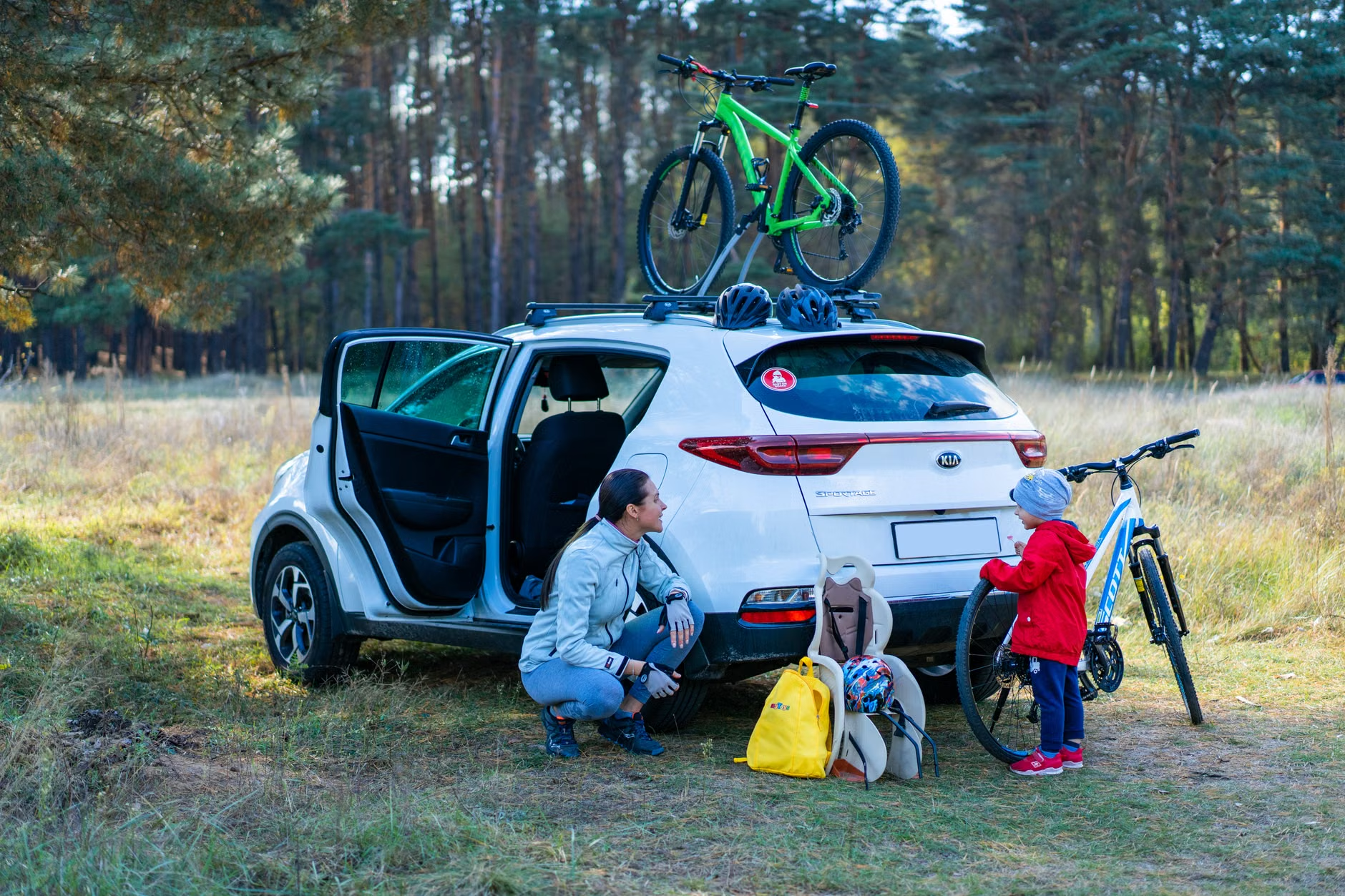
If you are traveling for a weekend, bringing bikes can be a logistical challenge. However, many regions now offer high-quality bike rentals, including e-bikes and kid-friendly trailers. Check local rental shops at your destination. Renting removes the stress of transporting gear and allows you to try different types of bikes before you commit to buying your own.
At the end of the day, slow-adventure biking is about reclaiming your time. In a world that demands we be faster, more productive, and constantly connected, choosing to move at the speed of a bicycle—and stopping whenever something catches your eye—is a radical act of self-care. It teaches your children that the world is worth exploring, not just passing through. So, pump up those tires, pack a few extra snacks, and go find a new path this weekend. You don’t need a grand plan; you just need to start.
For more information on planning safe family routes, you can check your local government’s transportation department website or resources like the Sustrans National Cycle Network for inspiration on how integrated paths can transform a simple ride into a genuine adventure.