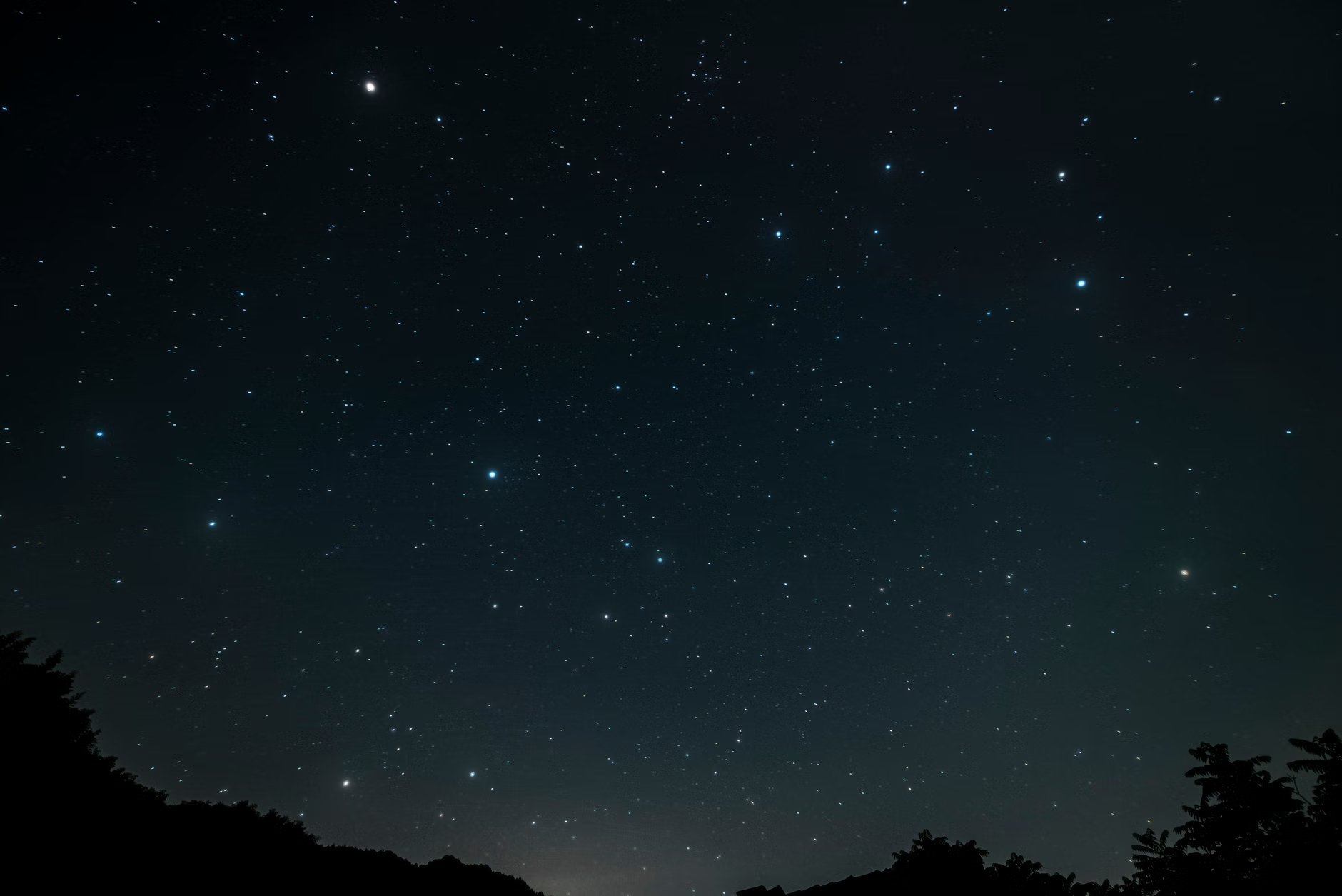
The most important thing to know about dark-sky tourism is that you don’t need an expensive telescope or a degree in astrophysics to enjoy it; you simply need to get far enough away from city lights to let your eyes adjust to the natural rhythm of the night.
- Location is everything: Use the International Dark-Sky Association (IDA) database to find certified parks that guarantee low light pollution.
- Timing beats gear: A trip during a New Moon phase is infinitely better than a trip with the best telescope during a Full Moon.
- Prepare for the dark: Bring red-light flashlights to preserve your night vision, as white light can ruin your ability to see faint stars for up to 30 minutes.
If you are in your 30s or 40s, you likely remember a time when the night sky felt a bit more crowded. For many of us, our current reality involves living in or near urban centers where the “glow” of artificial light effectively hides 90% of the stars. When you are balancing the logistics of parenting—school runs, sports practices, and the relentless hum of digital notifications—a weekend trip that forces you to physically unplug and look up is not just a hobby; it is a necessary reset for your nervous system.
Dark-sky tourism, or “astrotourism,” has moved from a niche interest for amateur astronomers to a mainstream trend for families looking for meaningful, low-cost experiences. But how do you actually execute this without it turning into a cold, frustrating mess in the middle of nowhere?
Finding the Right “Dark” Spot: The Bortle Scale Explained
Not all dark spots are created equal. You might drive two hours out of the city only to find that the local town’s streetlights are still bleaching out the horizon. To avoid this, you need to understand the Bortle Scale. This is a nine-level numerical scale that measures the night sky’s brightness of a particular location.
For a trip to be worth the effort, you are aiming for Class 1 to Class 4. Here is how that breaks down for your planning:
| Bortle Class | Sky Quality | Best For |
|---|---|---|
| 1-2 | Excellent/Typical Dark Site | Serious photography, deep-sky viewing. |
| 3-4 | Rural/Rural-Transition | Ideal for family weekends; accessible but dark. |
| 5-9 | Suburban/Urban | Not recommended for stargazing travel. |
The common mistake: Many parents assume that simply being “outside the city” is enough. If you are in a Class 5 area, you will see the brightest stars, but you will miss the Milky Way and the sense of awe that defines dark-sky tourism. Use tools like LightPollutionMap.info to check your specific destination before booking your accommodation. If the map shows a bright orange or red blob near your target, keep looking.

The Moon Phase: The Hidden Variable of Trip Planning
You have booked the cabin, you have the snacks, and you have picked a perfect Class 2 spot. But if you accidentally book during a Full Moon, you have effectively canceled your own trip. The moon is a giant natural light-pollution machine.
For the best experience, you want to plan your trip during the New Moon phase, or at least during the days leading up to it. During a Full Moon, the sky is so bright that you will struggle to see even the major constellations, let alone the finer details of the galaxy.
Decision Rule: If you are planning a trip more than two months out, check a lunar calendar first. If you are traveling with kids, the “Waxing Crescent” phase (just after a New Moon) is often the best balance—it provides enough light to see where you are walking without completely washing out the stars.
Essential Gear: Why You Should Leave the Telescope at Home
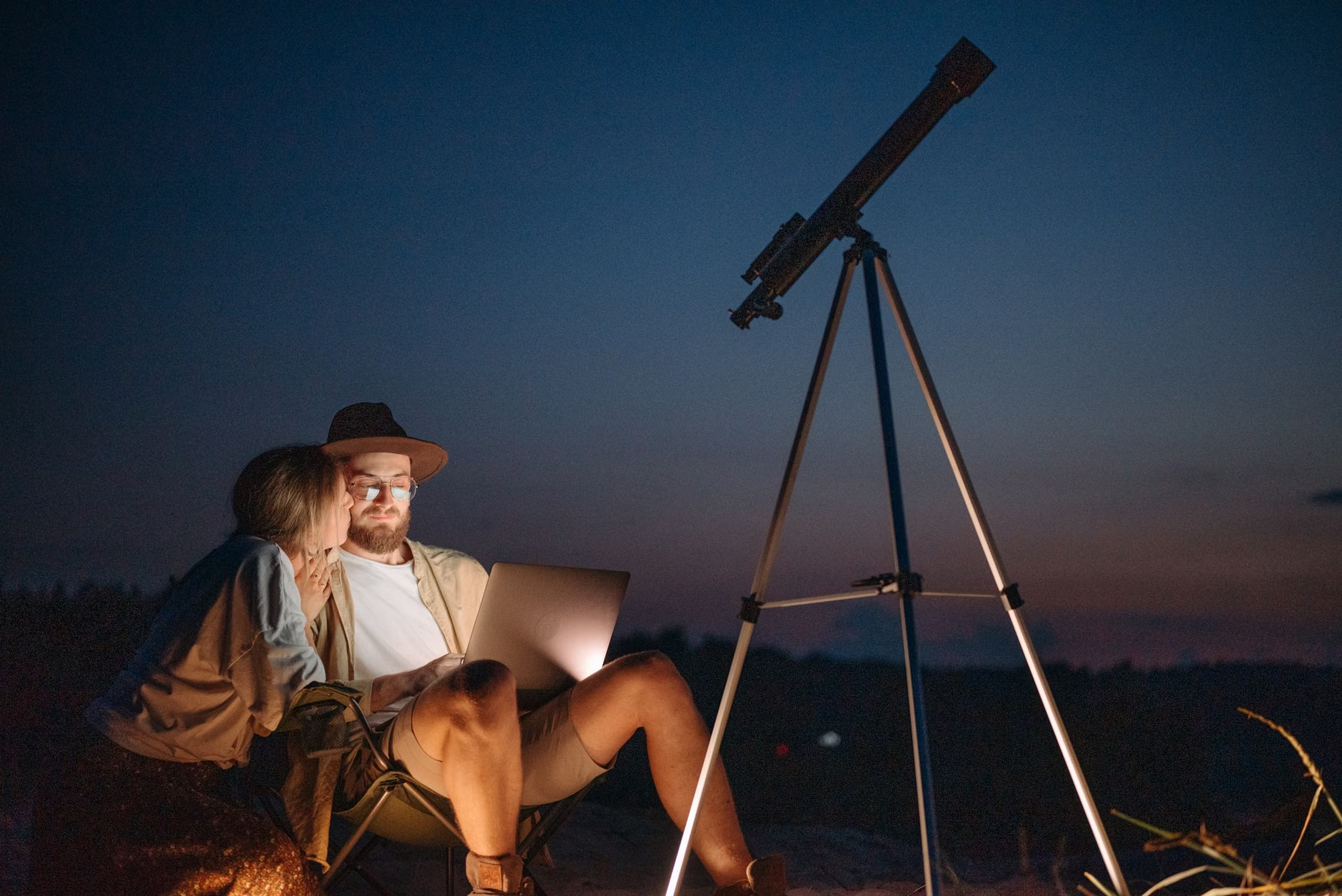
There is a persistent myth that you need a massive telescope to enjoy the night sky. For a family weekend, this is almost always a mistake. Telescopes have a narrow field of view, are difficult to aim, and require a long “acclimation” time that will leave children bored within ten minutes.
Instead, invest in these three items:
- A red-light headlamp: Your eyes take about 20 to 30 minutes to fully adapt to the dark. A single blast of white light from a standard flashlight or a smartphone screen resets that clock to zero. Red light does not trigger this reset.
- A reclining outdoor chair: Stargazing is a neck-straining activity if you are sitting on a standard camp chair. A zero-gravity recliner allows you to look straight up without physical fatigue.
- A star-map app: Apps like Stellarium or SkySafari allow you to point your phone at the sky to identify planets and constellations in real-time. This turns a “boring” dark sky into an interactive scavenger hunt for kids.
A note on technology: Keep your phone brightness to the minimum setting and enable “Night Mode” or “Red Mode” within your stargazing app. If your phone doesn’t have a built-in red filter, a piece of red cellophane taped over the screen works surprisingly well.
Managing Expectations for Younger Travelers
If you are traveling with children, the biggest challenge isn’t the sky—it’s the bedtime routine. Stargazing happens late. In the summer, you might be waiting until 10:00 PM or later for the sky to get truly dark.
The Strategy: Don’t make the entire trip about the sky. Plan a day filled with hiking, swimming, or local exploration. Treat the stargazing session as an “extra” event. If the kids are tired or the weather turns cloudy, don’t force it. The frustration of a tired, grumpy child will quickly outweigh the beauty of the Andromeda Galaxy.
Consider the “15-minute rule.” If you are out with children, plan for a 15-minute focused session where you identify one or two major constellations (like Orion or the Big Dipper). After that, let them lay back and just look at the vastness. Don’t turn it into a lecture series. Let them ask the questions.
Common Pitfalls and How to Avoid Them
Even with the best planning, things can go wrong. Here are the most frequent issues we see and how to mitigate them:
The “Cloud Cover” Gamble
Weather is the one variable you cannot control. Even in the most remote areas, high-altitude clouds can ruin a night. Action: Always have a backup plan. If the sky is overcast, have a deck of cards, a board game, or a good book ready. Don’t be the parent who is visibly disappointed because the clouds ruined the “perfect” moment; your kids will mirror your mood.
The “Cold” Surprise
Even in the middle of summer, temperatures drop significantly once the sun goes down and you stop moving. If you are sitting still in a chair for an hour, you will feel it. Action: Bring twice as many blankets as you think you need. A thermos of hot chocolate or tea is not just a treat; it’s a tool to keep everyone comfortable and willing to stay outside a bit longer.
The “Bug” Factor
Dark, rural locations are often home to more than just stars. Mosquitoes and other nocturnal insects can turn a peaceful night into a frantic swatting session. Action: Pack high-quality repellent and consider long-sleeved clothing. If you are in a particularly buggy area, a screened-in porch or a pop-up canopy with netting can be a lifesaver.
The Psychological Reset: Why This Matters for Adults
In our 30s and 40s, we are often operating in a state of high cognitive load. We are managing schedules, finances, and the emotional labor of our households. There is a psychological concept known as “awe,” which refers to the feeling we get when we encounter something vast that transcends our current understanding of the world.
Research consistently shows that experiencing awe can reduce stress, increase patience, and improve our ability to focus. Stargazing is, quite literally, the most accessible way to trigger this response. When you look up at a star that is hundreds of light-years away, your daily to-do list—the emails, the unfinished projects, the minor inconveniences—suddenly feels, as it should, quite small.
This isn’t just about “getting away.” It is about a perspective shift. It allows you to return to your daily life with a slightly different baseline. You aren’t just a worker or a parent; you are a person existing in a vast, complex, and beautiful universe. That realization, however fleeting, is worth the drive.
Beyond the Basics: Where to Go
If you are looking for inspiration, don’t just pick a random field. Look for official designations. The International Dark-Sky Association (IDA) certifies specific locations based on the quality of their night sky and their commitment to protecting it from light pollution.
These locations often have:
- Established viewing areas with minimal obstruction.
- Educational signage or ranger-led programs that can help your kids learn without you needing to be an expert.
- Better infrastructure, such as parking, restrooms, and clear pathways, which is crucial when you are navigating in the dark with family.
Check the official DarkSky International Park directory to see if there is a certified location within your travel radius. Many of these parks are located within state or national park systems, meaning they also offer great daytime activities.
Final Thoughts: Just Start Small
You don’t need to plan a grand expedition to the middle of the Sahara to experience dark-sky tourism. The best trip is the one that actually happens. Start by looking for a park within a two-hour drive of your home. Check the moon phase, pack some warm blankets and a red-light headlamp, and just go. If you see the Milky Way, that’s a bonus. If you just spend an hour sitting quietly with your family, feeling the cool night air and watching the planes pass by, you have already succeeded.
The goal isn’t to become a master astronomer; it’s to remember that there is a world above us that doesn’t care about our deadlines or our schedules. It’s a quiet, vast, and steady reminder that everything is going to be okay. So, grab a blanket, check the weather, and go find a patch of darkness this weekend.
Frequently Asked Questions
1. Does it matter what time of year I go?
Yes, but not as much as the moon phase. Summer provides warmer temperatures, which makes staying out late much easier, but winter skies are often clearer and crisper because cold air holds less moisture. If you go in winter, prioritize high-quality thermal layers over everything else.
2. Can I use a regular flashlight if I put red tape on it?
It is better than nothing, but it is rarely perfect. Most DIY tape solutions still let too much white light leak through. A dedicated red-light headlamp is inexpensive and much more effective. If you must use tape, use several layers of red electrical tape or red cellophane to ensure the light is truly dim and deep red.
3. What if I live in a city where I can’t travel for a weekend?
You can still practice “urban astronomy.” Use a telescope or even a good pair of binoculars to focus on the Moon or the brightest planets (like Jupiter or Venus). These are visible even in light-polluted areas. It won’t give you the “awe” of a dark sky, but it is a great way to introduce kids to the mechanics of the solar system.
For further information on light pollution and finding dark-sky friendly locations, visit the official DarkSky International website.