The “Heritage-Rail” coastal sleeper trend is best approached as an experiential destination rather than a mere transportation solution; while it offers unmatched scenery and a break from the frenzy of airport terminals, it requires a higher budget and significantly more flexible scheduling than traditional high-speed rail or budget flights.
- Cost vs. Value: Heritage sleeper tickets often exceed the price of a short-haul flight; you are paying for the experience of the journey, not just the transport from point A to point B.
- Space Constraints: Most heritage rail cabins were designed decades ago; they lack the ergonomic space of modern hotels, requiring extreme minimalism in luggage packing.
- The “Slow Travel” Reality: These routes are frequently subject to delays and technical maintenance pauses; they are unsuitable for travelers with rigid itineraries or strict arrival deadlines.
Why the Heritage-Rail Comeback Matters for Busy Parents
If you are in your 30s or 40s, your relationship with travel has likely shifted. The “dash to the gate” at 5:00 AM with a toddler in tow or the stress of navigating liquid restrictions at security is no longer just a minor inconvenience—it’s a logistical nightmare that sets a frantic tone for the entire vacation. This is why the renewed interest in heritage-rail coastal sleepers, often marketed as “slow travel,” has caught the attention of parents looking for a more rhythmic, human-paced way to see the world.
But there is a fundamental disconnect between the curated Instagram reels of vintage mahogany panels and the reality of traveling with a family. Heritage rail, by definition, implies older infrastructure. While these trains offer a charm that modern high-speed lines cannot replicate, they also come with quirks that can be either “delightfully rustic” or “deeply frustrating,” depending on how prepared you are.
The core appeal is simple: you wake up to the sound of waves or the shifting light of a coastal sunrise without having moved through a TSA checkpoint. However, the trade-off is the loss of the efficiency we’ve grown accustomed to. When you choose a heritage sleeper, you are choosing to make the transit the primary event of your trip. If you try to treat it like a utilitarian commute, you will likely find the experience lacking.
Logistics: The Hidden Costs of Vintage Infrastructure
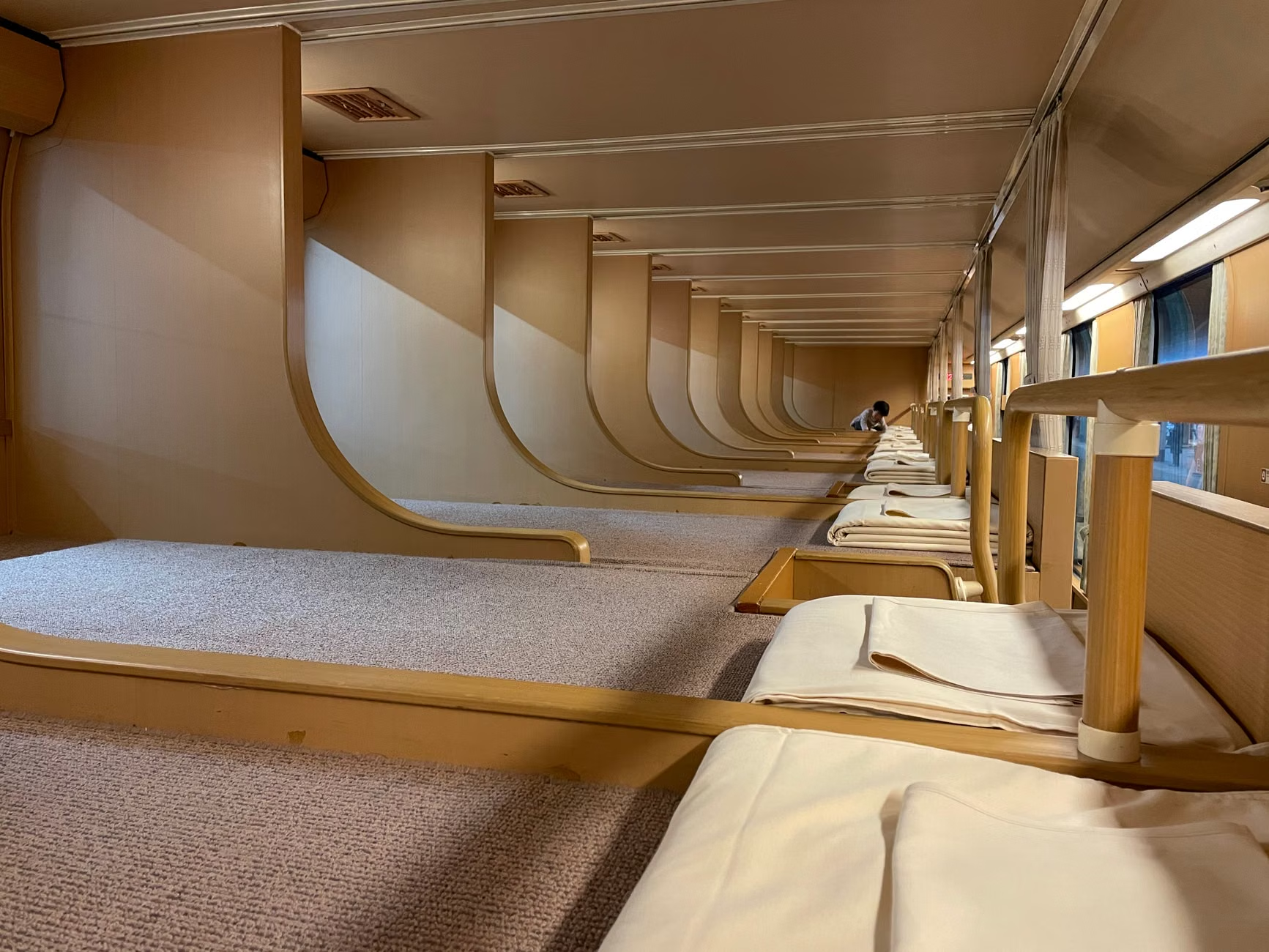
When you book a heritage sleeper, you aren’t just buying a seat; you are buying a slice of history. Unfortunately, history is rarely optimized for modern convenience. The first hurdle most families face is the “compactness factor.” Most heritage carriages were built in an era when long-term travel meant one small trunk, not a stroller, a portable crib, and three suitcases.
The Storage Dilemma: In many heritage sleepers, the space under the bed is barely enough for a carry-on. If you arrive with large checked luggage, you will find yourself navigating a narrow hallway with nowhere to stow your gear. Decision Rule: If you cannot fit your family’s belongings into two soft-sided duffel bags that can be squashed into overhead racks or under-bed gaps, do not book a heritage sleeper. The physical stress of maneuvering large suitcases through 1950s-era corridors will ruin the romantic vibe before the train even leaves the station.
Sanitation and Privacy: Modern travelers are used to private en-suite bathrooms. In many classic heritage rail setups, the bathroom is a shared facility at the end of the carriage. While this is acceptable for a solo traveler, it can be a logistical hurdle for parents with young children who need late-night access to a sink or toilet. Always check if your specific cabin category includes a private washroom. If it doesn’t, budget for the upgrade—it is almost always worth it for the peace of mind.
The “Maintenance Factor”: Because these trains rely on vintage engines and carriages, they are prone to technical issues that modern high-speed rail lines have largely engineered out. You might experience unscheduled stops or slower speeds due to track maintenance. This isn’t a “flaw” of the service; it is a structural reality. If your travel plan involves a tight connection to a cruise ship or a pre-paid hotel check-in, you are setting yourself up for failure.
Comparing Your Options: Heritage vs. Modern High-Speed
It is easy to get caught up in the romance of a sleeper train, but it is critical to compare it against the practical alternatives. The following table outlines how these two modes of transport differ for a family of four.
| Feature | Heritage Sleeper | Modern High-Speed Rail |
|---|---|---|
| Primary Goal | Experience/Scenery | Efficiency/Speed |
| Luggage Space | Extremely Limited | Moderate |
| Connectivity | Unreliable/Non-existent | Standard Wi-Fi/Power |
| Accessibility | Often Challenging | High |
| Cost | Premium/High | Variable (Often Cheaper) |
The table above suggests that if your goal is to reach a destination quickly to maximize time at the beach, the modern high-speed rail is the superior choice. However, if your goal is to reduce the “travel fatigue” associated with airports and turn the journey into a bonding experience, the heritage sleeper wins. The key is knowing which one you need for the specific segment of your trip.
The “Slow Travel” Mindset: Why It’s More Than Just a Trip
For parents in their 30s and 40s, the greatest challenge with slow travel is the internal pressure to “do something.” We are conditioned to measure the success of a trip by the number of sights visited or the number of activities completed. Heritage rail forces you to stop that internal clock.
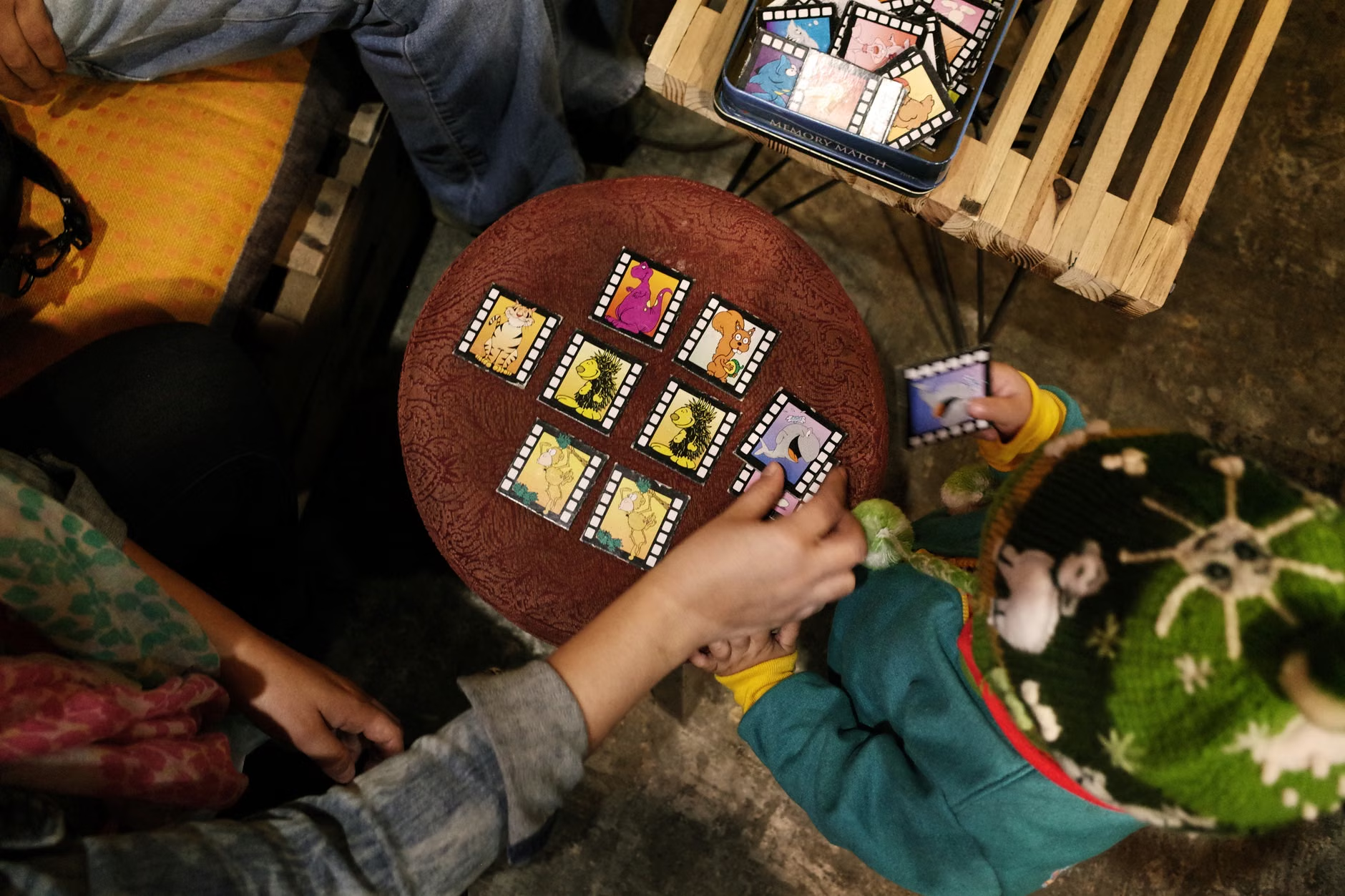
When you are on a coastal sleeper, the scenery is the activity. Watching the landscape change from urban outskirts to rugged cliffs and ocean views is a sensory experience that children often find more engaging than a tablet screen. However, you must facilitate this. Bring physical books, card games, or drawing supplies. Do not rely on the train’s “entertainment system,” as many heritage lines do not have one. This is an opportunity to reclaim the hours that usually vanish into the void of airport security lines and gate-waiting.
Common Mistake: Attempting to work while on the train. Unless the rail company specifically advertises high-speed satellite Wi-Fi (which is rare for heritage lines), you will likely be without reliable internet. Treat the train as a “digital detox” zone. If you have an urgent work meeting, do not schedule the train ride for that day. You will end up standing in the vestibule trying to catch a weak cell signal, which is not how you want to spend your vacation.
Another overlooked variable is the noise and vibration levels. Heritage trains are loud. The rhythmic clatter and the swaying motion can be hypnotic for some, but it can be jarring for others, especially young children who are light sleepers. Bringing a white-noise machine or noise-canceling headphones is not an over-preparation; it is a necessity for a good night’s rest.
Step-by-Step Planning for Your First Sleeper Journey
If you have decided that the heritage-rail experience is right for your family, follow these steps to ensure the trip remains a vacation rather than a headache.
- Book the “Whole Cabin”: If you are traveling as a family, always book the entire cabin, even if it means paying for an empty berth. This ensures you have a private space to manage your children’s needs without feeling like you are intruding on other passengers.
- The 24-Hour Buffer: Never schedule your sleeper arrival for the same day as a major event (like a wedding or a flight departure). Always build in a 24-hour buffer to account for the inevitable delays inherent in heritage-rail infrastructure.
- Pre-pack “Train Kits”: Pack a small bag for the cabin containing pajamas, toiletries, chargers, and snacks. Leave your larger luggage in the luggage hold (if available) or tucked away securely. You do not want to be rearranging your main suitcases in a tiny cabin at 10 PM.
- Check the Dining Situation: Many heritage lines have historic dining cars, but they often require reservations made weeks in advance. Check the operator’s website—such as Belmond or regional rail authorities for specific heritage lines—to confirm if dining is included or needs to be pre-booked.

Addressing the Reality of “Coastal” Routes
It is important to clarify what “coastal” means in the context of rail travel. Some routes offer uninterrupted ocean views for hours, while others are “coastal-adjacent,” meaning you get glimpses of the water between tunnels and forested areas. Before booking, look for “cab view” videos on YouTube of the specific route you are considering. This will give you a realistic expectation of the scenery. Don’t rely solely on the marketing photos, which are often taken from the best possible angles during the best possible weather.
Furthermore, consider the season. A coastal route that is stunning in July might be shrouded in fog or rain in November. Because heritage rail is a premium experience, you are paying for the view—ensure you are booking during a window where that view is actually visible. In many regions, the shoulder season (spring or early autumn) offers the best balance of clear weather and fewer crowds, making for a more relaxed experience.
Financial Implications and Value Assessment
Heritage rail is rarely the “budget” option. When you compare the cost of a sleeper ticket to a flight, you must include the cost of a hotel night that you are essentially “saving” by sleeping on the train. However, compare that against the cost of a standard hotel plus the train/flight ticket. Often, the heritage sleeper is more expensive. This is where you must be honest with yourself: are you willing to pay a premium for the nostalgia and the experience?
If you are looking for a way to save money, heritage rail is not the answer. If you are looking for a way to turn the “getting there” into a memorable part of the trip, then the cost is justified. A helpful exercise is to divide the total cost of the ticket by the number of hours you will spend on the train. If the “cost per hour” feels high, look for shorter heritage segments rather than full overnight journeys. You can get the same vintage experience on a 3-hour day trip for a fraction of the cost.
Final Thoughts: Embracing the Rhythm
The heritage-rail coastal sleeper is not for everyone. It requires a level of patience and a willingness to embrace imperfection that modern travel has largely trained us to avoid. But for those who are willing to trade efficiency for atmosphere, it provides a unique chance to reconnect with the landscape and each other.
Recommendation: If you are new to this, start with a shorter, 6-to-8-hour daytime heritage route before committing to an overnight sleeper journey. This allows you to test your family’s tolerance for the noise, the space, and the pace without the added pressure of trying to sleep in a moving, vintage cabin. Once you’ve mastered the day trip, you’ll be much better equipped to handle the nuances of a full overnight adventure.
Ultimately, the best travel experiences in our 30s and 40s are the ones that allow us to step out of our routine and into a different, more deliberate rhythm. If you go in with the right expectations, the heritage sleeper can be exactly that.
Frequently Asked Questions
1. Is the noise level in a heritage sleeper train too loud for young children to sleep?
Heritage trains are significantly louder than modern, high-speed trains. They often feature older suspension systems and metal-on-metal track contact that creates a constant, rhythmic clatter. While many children find the motion soothing, the noise can be disruptive. I strongly recommend bringing noise-canceling headphones for the kids or a small, battery-operated white noise machine to mask the mechanical sounds of the train.
2. Can I bring a stroller on a heritage sleeper train?
In almost all cases, a full-sized stroller will be impossible to store in a heritage-style cabin. If you are traveling with an infant or toddler, you must use a lightweight, “umbrella-style” stroller that can be folded completely flat and tucked into a small gap, or rely on a baby carrier for the duration of the trip. Always contact the rail operator ahead of time to confirm their specific luggage and stroller policies, as vintage carriages have very limited storage space.
3. Are these sleeper trains suitable for travelers with mobility issues?
Most heritage trains are not fully ADA-compliant or accessible by modern standards. You will likely encounter narrow doorways, steep steps, and tight corridors. If you or a family member have mobility concerns, you must contact the rail operator directly before booking. They can tell you exactly which cabins, if any, are accessible, and whether there are elevators or ramps at the specific stations you will be using. Do not assume that “accessible” on a general website applies to the specific vintage carriage you are booking.
For further information on specific routes and accessibility standards, consult the official guide for your region’s national rail operator or the specific heritage rail line’s website. Always check the “Travel Planning” or “Passenger Information” sections for the most current carriage layouts and service alerts.