The secret to a peaceful bedtime for school-age children isn’t a strict set of rules or a fancy sleep gadget; it is the practice of co-regulation, where your calm nervous system acts as an external anchor to help your child de-escalate from the sensory overload of their day.
- Co-regulation is biological, not behavioral: It works by synchronizing your calm breathing and low-arousal state with your child’s, physically signaling to their brain that they are safe to sleep.
- The ‘Transition Gap’: School-age children often struggle at night because they haven’t processed the ’emotional residue’ of their school day; the ritual must include a bridge between high-stimulation daytime and low-stimulation sleep.
- The 15-Minute Anchor: You don’t need hours; 15 minutes of focused, low-tech presence is more effective than an hour of distracted hovering.
If you are in your 30s or 40s, you likely know the drill: you’ve finished the dinner cleanup, managed the homework crisis, and finally, it’s 8:30 PM. You just want to sit on the sofa, check your email, or simply stare at a wall in silence. But then, the requests start. “I’m thirsty,” “I forgot to tell you about the project due tomorrow,” or the classic, “I’m just not tired.”
It is easy to view these moments as behavioral defiance. However, developmental research suggests that for children aged 6 to 12, bedtime is the time when the day’s suppressed anxieties—social conflicts, academic pressure, sensory overstimulation—finally bubble to the surface. When you respond with frustration, you are essentially adding ‘high-arousal’ energy to their already dysregulated state, which keeps them wide awake. Co-regulation is the intentional act of lowering that arousal level.

Why Your Nervous System Is the Most Important Tool in the Room
Think of your child’s nervous system like a satellite dish. During the day, it is constantly scanning for signals of danger or stress. By the time they reach the bedroom, that dish is still spinning, trying to catch the ‘noise’ of the day. If you enter the room with a ‘hurry up and sleep’ energy—tapping your foot, checking your watch, or sighing—your child’s brain picks up on that tension. They interpret your impatience as a sign that the environment is not safe, or at the very least, not ‘settled.’ This triggers a fight-or-flight response, keeping them alert.
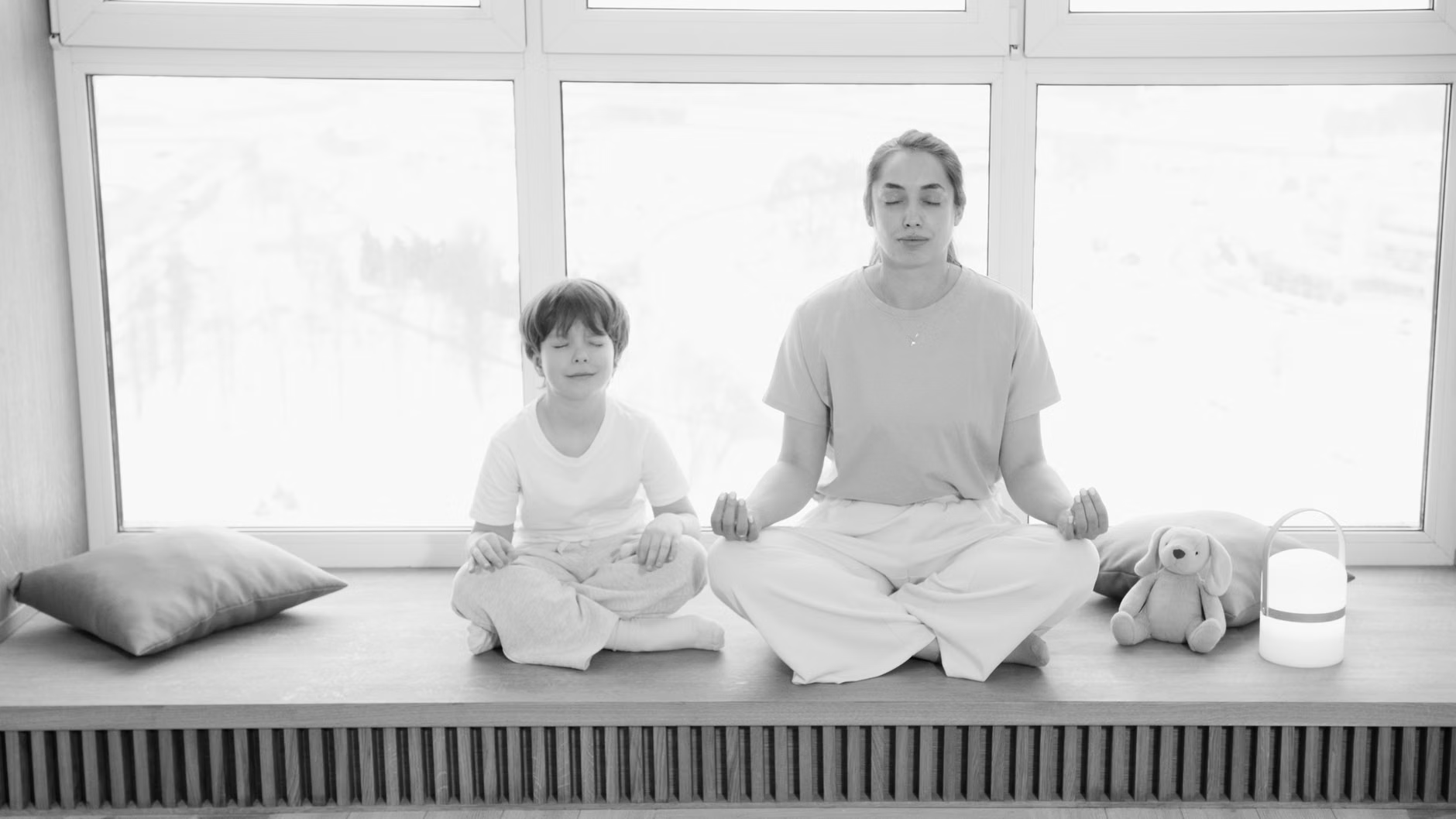
Co-regulation is the process of using your own calm, steady, and predictable state to ‘pull’ their nervous system down into a state of rest. It is a biological phenomenon sometimes called ‘limbic resonance.’ Just as a yawn is contagious, so is the state of a calm, regulated adult. When you sit with them in a state of genuine calm, their heart rate slows to match yours, and their cortisol levels begin to drop.
The Anatomy of a Regulated Bedtime
To implement this, you must first check your own state. If you are rushing, stop. Take thirty seconds in the hallway to breathe. If you carry the day’s stress into the bedroom, you cannot co-regulate. You are merely ‘co-stressing.’ Here is a simple comparison of the two approaches:
| Approach | Parental Energy | Child’s Response |
|---|---|---|
| The ‘Taskmaster’ | Urgent, focused on efficiency, checks phone/watch, speaks in clipped tones. | Becomes hyper-vigilant, seeks attention to ‘keep the parent close’ (anxiety). |
| The ‘Co-Regulator’ | Slow, grounded, present, speaks in lower, slower, rhythmic tones. | Body releases tension, breathing deepens, sleep onset happens faster. |
The ‘Transition Gap’: Why Your Child Needs a Buffer
One of the most significant mistakes parents make is expecting a child to go from ‘active, high-stimulation mode’ (video games, talking, moving) to ‘asleep’ in a matter of minutes. School-age children are often in a state of high cognitive load throughout the school day. When they get home, they often engage in ‘after-school restraint collapse’—they hold it together all day and then melt down at home. By bedtime, that reservoir of emotional regulation is empty.
The bedtime ritual must include a ‘Transition Gap.’ This is a 10-to-20-minute period that is strictly low-stimulation. This is not the time for discussing tomorrow’s schedule, asking about math tests, or negotiating screen time. It is the time for sensory neutral activities.
What to do instead:
- Dim the lights 30 minutes before: This is a biological trigger for melatonin production.
- Physical touch as an anchor: A back rub, holding hands, or simply sitting close enough that your shoulders touch. Physical proximity is a primary ‘safety’ signal for the human brain.
- Rhythmic engagement: Reading a book aloud in a steady, monotonous (in a good way) voice, or listening to a calm, instrumental podcast or audiobook.
Step-by-Step: Constructing the Ritual
The goal is to create a predictable sequence that requires zero cognitive load from your child. When the brain knows exactly what is coming next, it stops scanning for surprises. This is the ‘predictability principle.’
Step 1: The ‘Brain Dump’ (The Pre-Ritual)
Before you begin the formal bedtime routine, give them a dedicated window to ‘dump’ their brain. Ask, “Is there anything you need to get out of your head before we start our quiet time?” If they bring up a worry, acknowledge it, validate it, and then explicitly ‘park’ it. “I hear that you are worried about the presentation. We have written it down, and we will look at it tomorrow morning. Now, it is time for our brains to rest.”
Step 2: Sensory Down-Regulation
In the 15 minutes before sleep, focus on sensory input that is grounding. Heavy blankets, gentle rhythmic pressure, or low, warm-toned lighting are standard. Avoid blue light from screens at all costs; the blue spectrum suppresses melatonin, which is the chemical hormone that tells the body it is time to wind down. If you must use a device for audio, keep the screen face down or covered.
Step 3: The ‘Co-Breathing’ Technique
If your child is particularly anxious, practice ‘co-breathing.’ Sit beside them and place your hand on their chest or back. Count your breaths out loud, slowly. “In… two, three, four. Out… two, three, four.” Do not demand they do it; just do it yourself. Their breathing will naturally synchronize with yours within a few minutes. This is a powerful, non-verbal way to signal that the ‘danger’ of the day has passed.
Common Misconceptions and Hidden Variables
There is a prevailing myth that children should be ‘independent sleepers’ as soon as possible. While independence is the goal, forced independence often creates the very anxiety that leads to sleep disturbances. For many children in their primary school years, the transition to sleeping alone is a developmental milestone that cannot be rushed.
The ‘Hidden Cost’ of Forced Independence: If you force a child to sleep alone before they are ready, they often develop ‘sleep-onset association’ issues, where they rely on anxiety to stay awake or develop complex, hidden rituals (like needing a specific stuffed animal, a specific light setting, or calling you back multiple times) to feel safe. This is not ‘bad behavior’; it is a child trying to self-regulate because they haven’t been taught how to do it with your support.
The ‘Overlooked Variable’: Nutrition and hydration. A child who is slightly dehydrated or has had a high-sugar snack too late in the afternoon will have a much harder time settling. Their blood sugar crashes, and the body releases adrenaline to compensate. This ‘adrenaline spike’ is often mistaken for ‘energy.’ Always check the timing of their last snack. A small, protein-rich snack (like a handful of almonds or a slice of cheese) can help stabilize blood sugar overnight, preventing the ‘hungry-waking’ that often happens in the middle of the night.
Addressing the ‘But I’m Not Tired’ Argument
When a child says they aren’t tired, they are often telling the truth. Their nervous system is still in a high-arousal state. Arguing with them (“Yes, you are, it’s 9:00 PM!”) is useless. Instead, validate the state and change the context.
“I hear that your body doesn’t feel tired. That is okay. We don’t have to sleep yet. We just have to rest our bodies so they can be ready for tomorrow.” Then, keep the environment dark and quiet. By removing the pressure to ‘sleep,’ you remove the performance anxiety associated with it. Often, once the pressure is gone, the child drifts off within minutes.
Actionable Framework for Busy Parents
You have a life outside of being a parent. You have work, chores, and your own need for downtime. Here is how you can implement this without sacrificing your own sanity:
| Time Commitment | Strategy | Why It Works |
|---|---|---|
| 5 Minutes | The ‘Brain Dump’ | Clears the cognitive ‘cache’ of the day. |
| 10 Minutes | Co-regulated reading/audio | Synchronizes heart rates and breathing. |
| 2 Minutes | Final grounding touch | Provides the ‘safety’ anchor needed for sleep onset. |
If you find yourself becoming frustrated, remember: Your child is not giving you a hard time; they are having a hard time. Your role is not to ‘fix’ their sleep, but to provide the environment where sleep can happen naturally. If you are consistently hitting a wall, it may be time to audit the 2-hour window before bed. Are there screens? Are there high-intensity activities? Is there a lack of physical movement during the day that leaves them with ‘bottled up’ energy?
Final Thoughts: Consistency Over Perfection
The co-regulation model is not about being a perfect, zen-like parent every single night. We all have nights where we are tired, irritable, or simply distracted. The goal is to make this ‘calm-first’ approach your default. When you have a bad night, don’t overthink it. Just reset the next day. The consistency of the ritual is what builds the neural pathway for sleep over time.
Start tonight by simply slowing down your own pace as you walk into the bedroom. Observe how that small change shifts the atmosphere. You might be surprised at how quickly the ‘power struggle’ fades when you stop fighting the energy and start grounding it instead.
Frequently Asked Questions
Q: Does co-regulation mean I have to sit in the room until my child falls asleep every single night?
A: Not necessarily. Co-regulation is about the quality of the time, not just the quantity. Once your child is in a regulated state—steady breathing, relaxed muscles—you can transition to ‘faded presence.’ Sit in a chair nearby, then move the chair closer to the door over several nights. The goal is to provide the ‘anchor’ of your presence until they learn to self-regulate, not to become a permanent fixture in their room.
Q: My child is 10 and finds ‘cuddling’ or ‘reading aloud’ babyish. How do I co-regulate without being intrusive?
A: For older children, co-regulation can be less tactile. It can be listening to a calm, shared podcast together in the dark, or simply sitting in the room while you read your own book quietly. The key is the shared, calm environment. You are still providing the ‘anchor’ of a regulated adult presence, just in a way that respects their developing autonomy.
Q: What if my child has a diagnosed sleep disorder or severe anxiety?
A: Co-regulation is a foundational practice that supports sleep, but it is not a cure for clinical sleep disorders or severe anxiety. If you have implemented consistent, calm routines for several weeks with no improvement, or if your child exhibits symptoms like chronic sleep terrors, excessive daytime sleepiness, or persistent, debilitating anxiety, please consult a pediatrician. They can rule out underlying issues like sleep apnea or restless leg syndrome, which require medical intervention.
Official Resources for Further Reading:
For more on the biological foundations of co-regulation and child development, the American Academy of Pediatrics (AAP) offers extensive resources on healthy sleep habits for school-age children. Additionally, the Sleep Foundation provides detailed, science-backed guides on managing sleep hygiene across different developmental stages.