The most effective way to manage your child’s toy collection is not by organizing more, but by aggressively curating less. By adopting a “Post-Growth” toy strategy—a philosophy that prioritizes the quality of play over the quantity of objects—you can transform your home from a chaotic storage unit into an environment that actually fosters deep focus and creativity.
- The 80/20 Rule of Play: Children consistently engage with only 20% of their toys 80% of the time; removing the excess actually increases engagement.
- Rotation is Essential: Storing 70% of toys out of sight and rotating them every 3–4 weeks keeps items “fresh” and prevents the overstimulation that leads to scattered play.
- Open-Ended Over Specialized: Prioritize toys that require the child to provide the imagination, such as blocks or silks, over battery-operated toys that do the work for them.
If you have ever tripped over a plastic building block in the middle of the night or spent an hour tidying a playroom only to see it dismantled in ten minutes, you are familiar with the “toy trap.” We often buy toys as a shortcut to engagement—hoping that a new gadget will buy us thirty minutes of peace while we finish a work email or prep dinner. However, research suggests that an abundance of toys can actually decrease the quality of play. When a child is surrounded by too many options, they often flit from one item to another, unable to settle into the deep, imaginative work that builds cognitive development.
Why More Toys Often Mean Less Engagement
The “Post-Growth” approach to toys isn’t about deprivation; it is about intentionality. In the toy industry, “growth” is the goal—more units sold, more features added, more plastic in the bin. As parents, we are the ones who bear the physical and mental cost of that growth. When a play area is saturated with items, the “paradox of choice” kicks in. Just as adults feel overwhelmed when faced with a 20-page menu, children struggle to make decisions when faced with an overabundance of stimuli. They aren’t choosing what to play with; they are merely reacting to the clutter.
Consider the difference between an open-ended wooden train set and a battery-operated toy that talks, flashes, and moves on its own. The latter is a “closed” system. It dictates the interaction, and once the child has seen the bells and whistles, the “novelty” wears off quickly. The former is an “open” system. It requires the child to build the track, create the narrative, and supply the sound effects. This is where the real development happens. By curating your collection toward open-ended items, you aren’t just cleaning your house; you are upgrading your child’s cognitive environment.
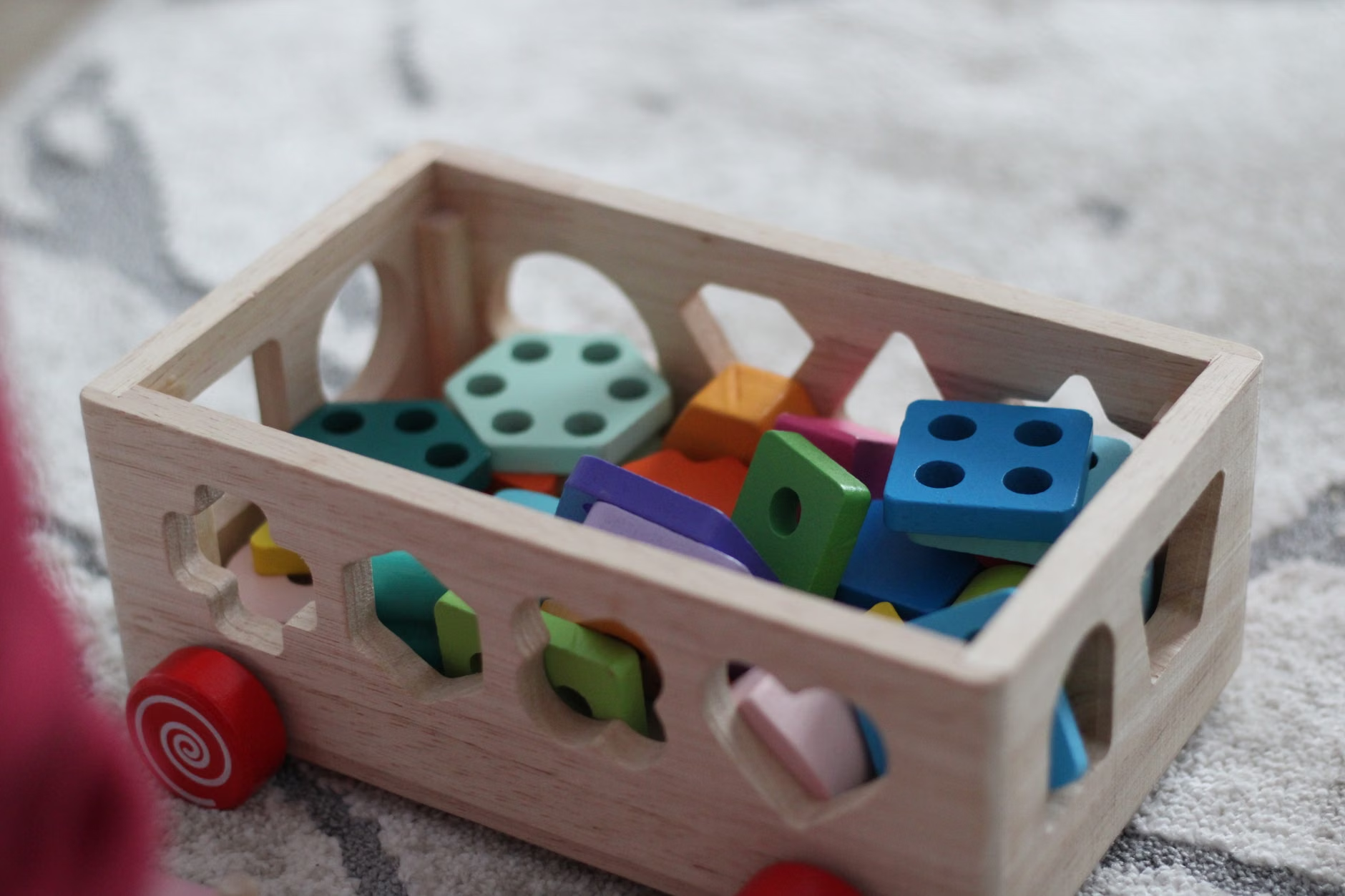
The Psychology of Clutter in the Playroom
Recent studies in developmental psychology have highlighted that high-density environments—rooms filled with too many toys—can lead to shorter play durations. In one study, toddlers who were given fewer toys to play with showed higher levels of focus and more complex play patterns than those in a room filled with options. When a child has five different types of building sets out at once, they rarely build anything substantial. They create piles. When they have only one set, they are forced to innovate within the constraints of that set. Constraints are the engine of creativity, not the enemy of it.
For parents in their 30s and 40s, this also addresses the “mental load.” We are already managing work, household logistics, and social schedules. The visual clutter of a toy-filled living room is a constant, low-level stressor. By curating, you are not just helping your child; you are reclaiming your own mental space. A “Post-Growth” home is one where the environment is managed to serve the people living in it, rather than the people serving the objects they own.
Step-by-Step: Implementing the Post-Growth Curation Strategy
Transitioning to a curated toy system requires a shift in mindset. You don’t need to throw everything away tomorrow. In fact, abrupt changes can be distressing for children. Instead, follow a structured process of reduction and rotation.
| Phase | Action | Goal |
|---|---|---|
| Audit | Categorize all toys by type (blocks, dolls, puzzles, etc.) | Identify duplicates and broken items. |
| Filter | Remove toys that are “one-trick ponies” or battery-heavy. | Keep high-quality, open-ended items. |
| Rotate | Store 70% in opaque bins; display 30% on shelves. | Maintain interest through novelty. |
Phase 1: The Audit and The Great Purge
Start by gathering every toy in the house into one central area. This is a “shock” moment for many parents—the sheer volume is usually eye-opening. Sort them into three piles: Keep, Donate/Sell, and Trash. Be ruthless with the “Trash” pile. If a toy is missing pieces or is permanently broken, it does not belong in the rotation. It is not “useful” just because you paid for it.
When deciding what to keep, use the “Developmental Value” filter. Does this toy require the child to do the work? If the toy does the playing for them, it’s a candidate for the donation pile. If it is a character-based toy from a commercial franchise that limits play to a single movie script, it is also a strong candidate for removal. Keep the classics: blocks, art supplies, dress-up clothes, and high-quality figures that can be used in multiple contexts.
Phase 2: Establishing the Rotation System
Once you have your “keep” pile, you need to store the majority of it. This is where the magic happens. Use labeled opaque bins for the toys currently “in storage.” Place these in a closet, garage, or under a bed. The key here is that the child cannot see them. If they can see the bin, they will ask for it.
Every 3 to 4 weeks, swap the toys on the shelves with the toys in the bins. When you bring out a “new” set, treat it like an event. Your child will likely rediscover items they had forgotten about, engaging with them with renewed focus. This cycle mimics the feeling of getting “new” toys without the environmental or financial cost of actual consumption.
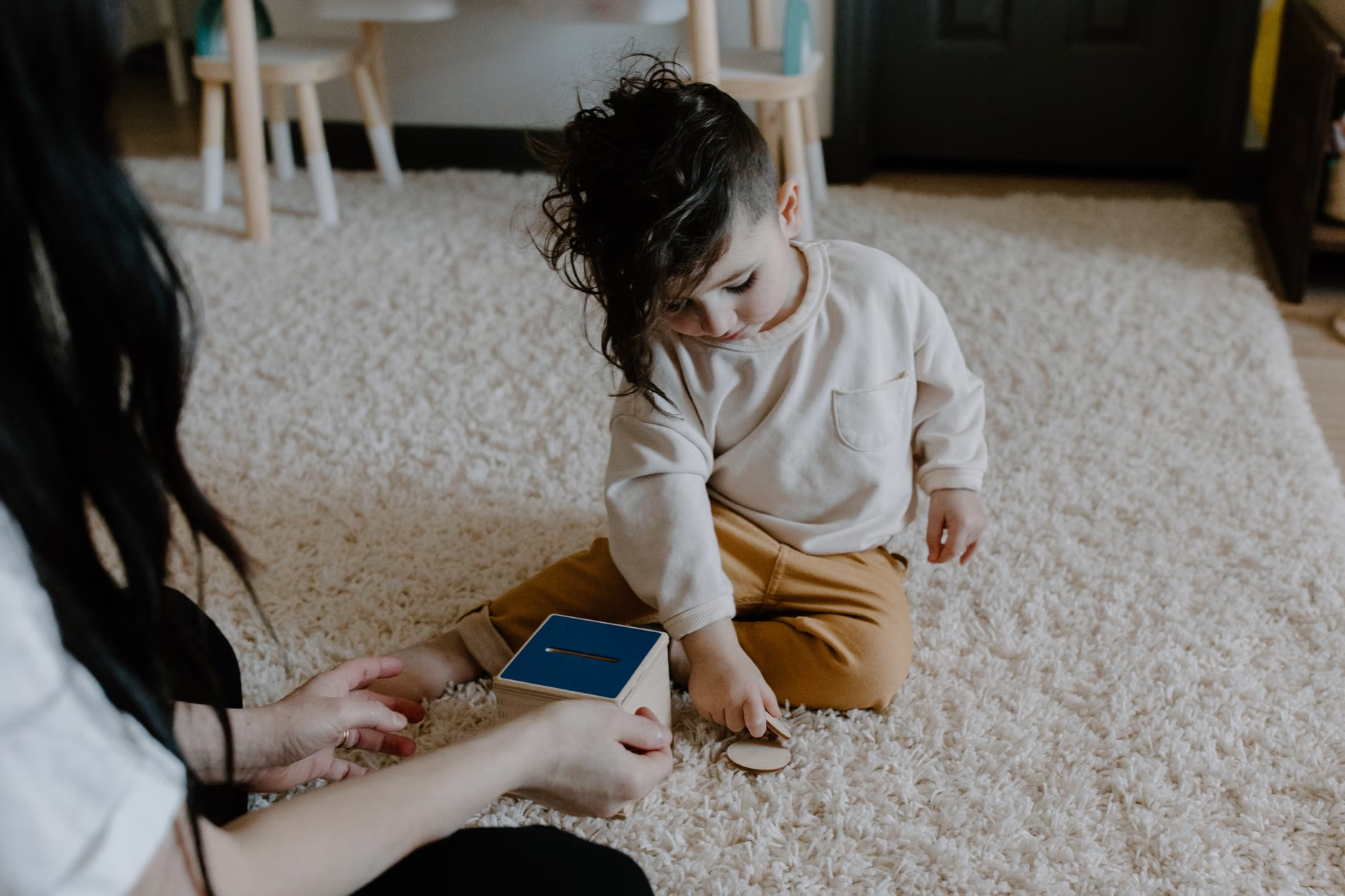
The Hidden Costs of Modern Toy Consumption
We often ignore the “hidden costs” of toy ownership. Beyond the financial price tag, there is the cost of maintenance—organizing, cleaning, and repairing. There is also the environmental cost. Most modern toys are made of non-recyclable plastics that will outlive your children by centuries. By choosing a Post-Growth strategy, you are opting out of the “fast toy” cycle, which is every bit as damaging as fast fashion.
Another overlooked variable is the “gift cycle.” Grandparents and friends often feel obligated to bring gifts. This is a common source of friction. You can handle this gracefully by having a “wish list” prepared that focuses on high-quality, long-lasting items or experiences (museum passes, swimming lessons) rather than more plastic clutter. It is perfectly acceptable to suggest, “We are currently trying to simplify our play space; if you’d like to get something, we’d love a book or a contribution to their activity fund.”
Common Mistakes to Avoid
The most common mistake is “half-hearted rotation.” If you rotate, but you still have 90% of the toys out on the floor, you haven’t actually changed the environment. You have only moved the mess. The effectiveness of this strategy relies on the 70/30 split. If you feel like your child is bored, don’t buy more. Look at the rotation. Are the toys currently out too similar? If you have three different types of cars out, swap two of them for something entirely different, like a set of musical instruments or a simple puzzle.
Another pitfall is the “sentimental trap.” We often keep toys because they represent a specific stage of our child’s life. If a toy is truly sentimental, put it in a memory box—not in the active play rotation. The playroom is for play, not for archiving your past. Keep the space functional for the person your child is *today*, not the baby they were two years ago.
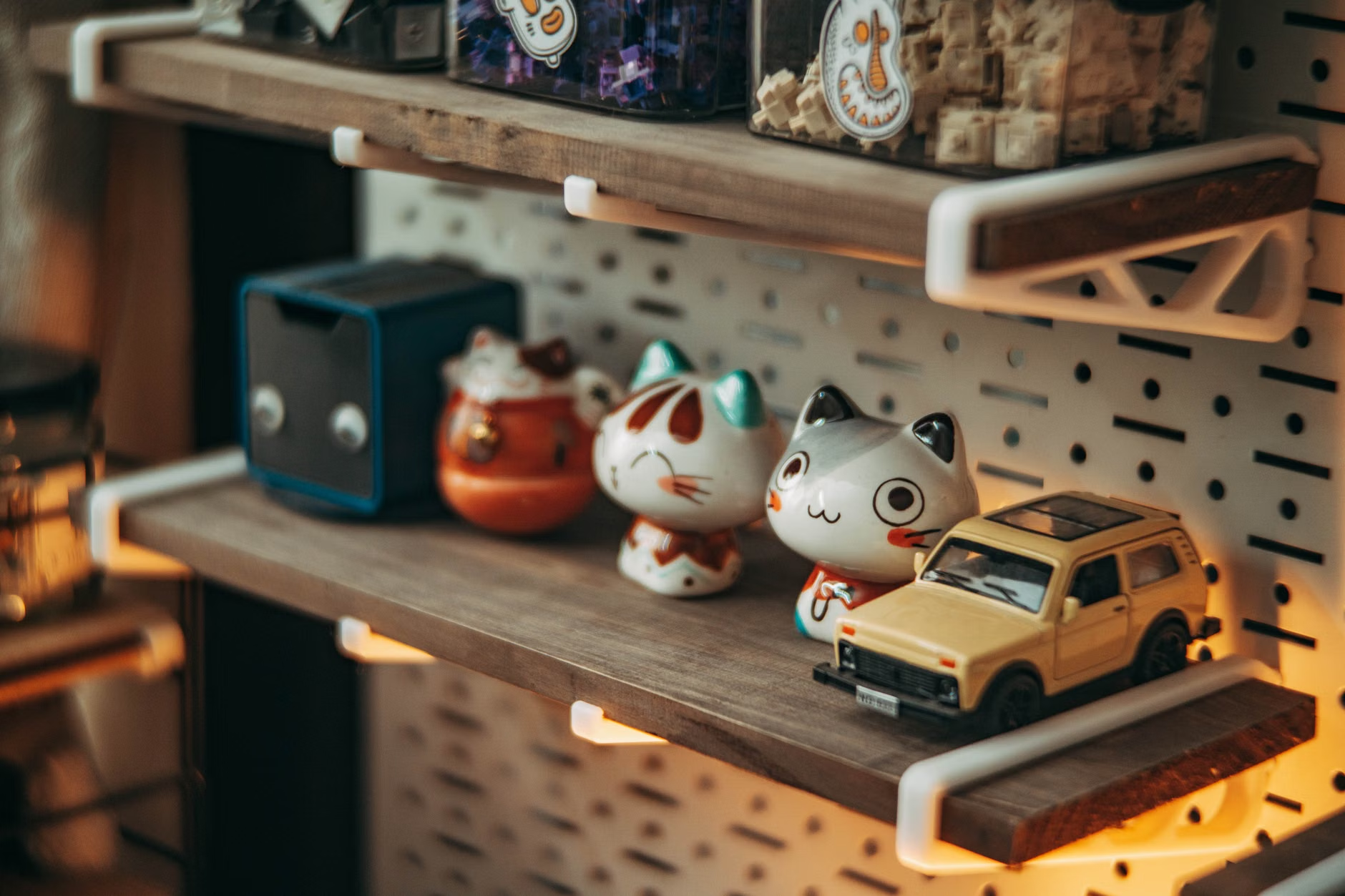
How to Handle Resistance
If your child resists the removal of toys, don’t make it a punishment. Frame it as “giving the toys a vacation” or “helping other children.” You can even set up a “toy library” in your own closet. When they ask for a specific item that is currently in storage, you can treat it as a trade. “You can have that, but we need to put the blocks back in the bin first.” This teaches them that space is finite and that managing their environment is a shared responsibility.
Choosing the Right Tools for the Job
You don’t need expensive organizational systems. In fact, the best storage is often the simplest. Look for low, open shelves. Low shelves allow children to see their options without dumping everything onto the floor. Avoid deep, bottomless toy chests. These are the graveyards of play, where items go to be forgotten and broken. If a toy isn’t visible, it doesn’t exist to the child.
When selecting new items, focus on durability and modularity. Can these blocks be used with the figurines? Can the silks be used as a cape or a river in a scene? The more “jobs” a single toy can do, the more valuable it is. A plastic truck that only rolls is a single-use item. A set of wooden blocks can be a castle, a garage, a wall, or a tower. That is the definition of high-value play.
The Long-Term Impact on Your Family Life
What does this look like in practice after six months? You will notice that your home is quieter. The visual noise of a room filled with neon plastic is gone. You will also notice that your child spends more time in “flow state”—that magical period of deep concentration where they are truly learning. They will be less prone to the “I’m bored” tantrum because they have learned how to interact with their environment rather than consume it.
For parents, the benefit is the end of the “tidying loop.” Instead of spending 30 minutes every evening putting away 200 items, you spend 5 minutes putting away 20. This is the goal of the Post-Growth strategy: to make the home a place of restoration rather than a place of constant maintenance. It is a shift from being a “toy manager” to being a “play facilitator.”
Frequently Asked Questions
What if my child specifically asks for a toy I put in storage?
If they ask for it, it’s a sign that they are truly interested in it. You don’t have to keep it locked away forever. You can say, “Sure, let’s swap it for something else.” This teaches them the concept of trade-offs and ensures they are always making a conscious choice about what they want to engage with, rather than being overwhelmed by a sea of options.
How do I handle family members who keep buying too many toys?
Be direct but kind. Explain that your home has limited space and you are prioritizing high-quality, open-ended items to help with your child’s focus. Provide a specific, curated list of items you would actually welcome, or suggest non-toy gifts like art supplies, library memberships, or experiences. Most relatives are just happy to have a concrete idea that will make the child happy.
Is this strategy appropriate for all ages?
It is most effective for toddlers and elementary-aged children who are still developing their play patterns. For older children, the “Post-Growth” strategy shifts from physical toys to managing their digital and extracurricular “clutter.” The principle remains the same: curate the environment to encourage depth over breadth. The younger you start, the more natural this approach to consumption becomes for them as they grow.
The Post-Growth toy strategy is ultimately about choosing quality over quantity. It is about recognizing that your child’s growth doesn’t depend on the number of things they own, but on the depth of their experiences. Start small: pick one shelf, clear it out, and see the difference it makes in your daily life. You might find that by owning less, you and your child actually gain much more.
For more research on how environment affects child development, you can look into the National Association for the Education of Young Children (NAEYC), which provides comprehensive resources on creating supportive learning environments. Additionally, studies on the impact of toy quantity on play quality can often be found through academic databases like Google Scholar under “childhood play and environment density.”