The most effective way to manage a toddler’s wardrobe isn’t buying more high-quality clothes; it is creating a high-velocity rotation system that removes outgrown items the moment they no longer fit.
- The 20-Item Rule: A toddler only needs about 20 versatile, mix-and-match pieces to cover all daily activities, reducing laundry volume and decision fatigue.
- Active Exit Strategy: Keep a ‘grow-out’ bin inside the closet. If a garment is tight, it goes into the bin immediately, never back into the rotation.
- Circular Value: Prioritize high-resale-value brands and natural fibers to ensure that once your child outgrows them, they can be sold or traded, effectively subsidizing the next size up.
If you have a toddler, you know the cycle: you buy a cute set of pajamas, and three weeks later, they are leaving red marks on the skin around the ankles. It is frustrating, expensive, and frankly, a logistical nightmare. Most parents treat their toddler’s closet like a graveyard of “almost new” clothing, letting items sit there long after they have become useless. This is where the concept of a ‘Circular Wardrobe’ changes the game.
A circular wardrobe is not just about sustainability—though that is a massive bonus—it is about flow. It is a system where clothing enters your home, serves a specific, high-frequency purpose, and exits the moment its utility is gone. By shifting your mindset from “collecting clothes” to “managing inventory,” you reclaim space, save money, and stop the frantic morning search for a pair of pants that actually fits.
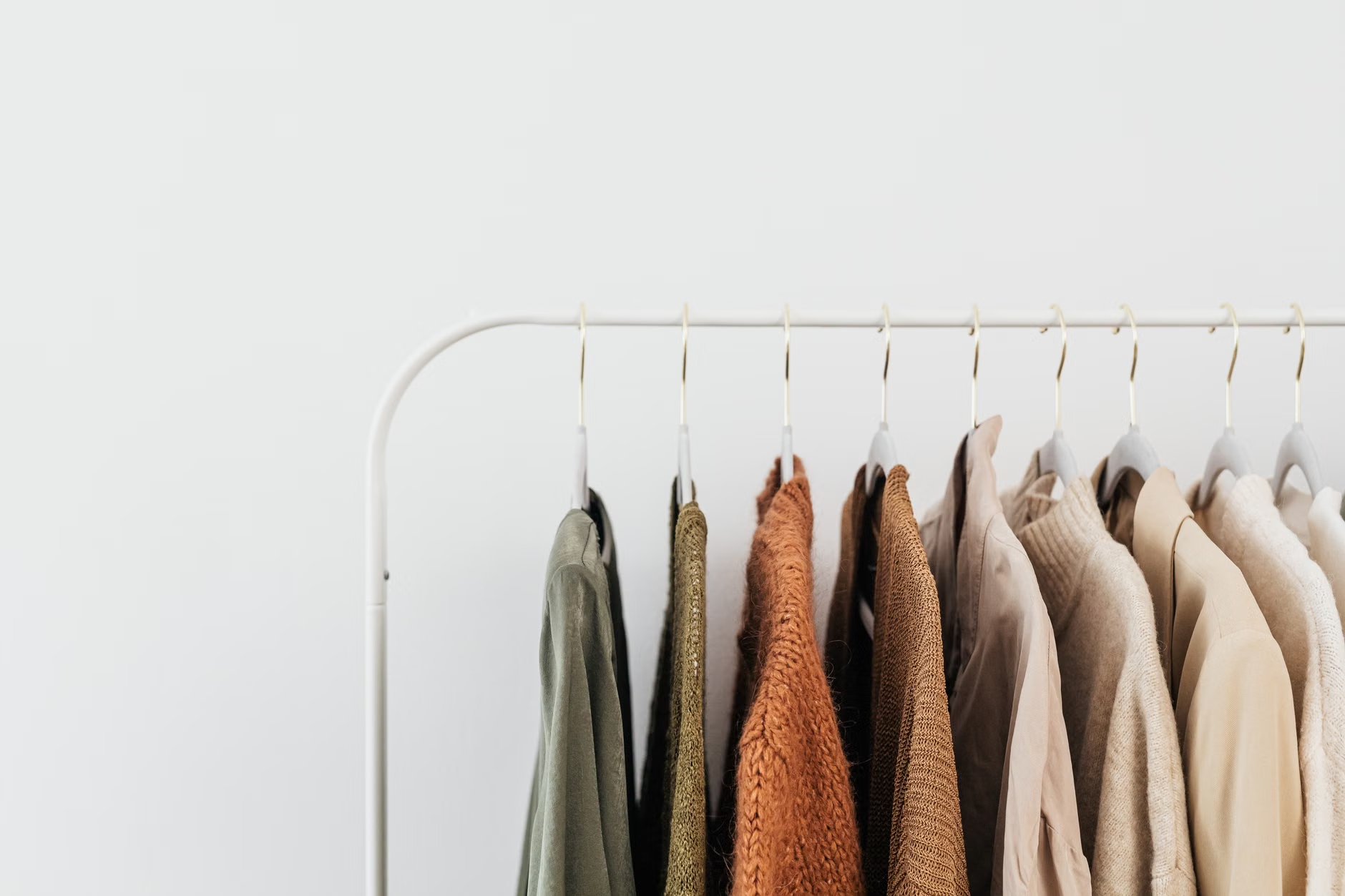
The Anatomy of a Toddler Capsule Wardrobe
The biggest mistake parents make is over-purchasing. We see a cute sale, we buy a bundle, and suddenly the dresser is overflowing with items that never get worn. To stop this, you need to define your inventory. For a toddler, you don’t need fifty shirts. You need a functioning rotation.
What is a capsule wardrobe for a toddler? It is a curated selection of clothes where every bottom matches every top. This minimizes the time you spend choosing outfits and maximizes the use of every piece.
Building Your Core Inventory
Aim for a 20-piece core. This doesn’t include outerwear or formal wear, but it covers the daily grind. Here is how you should break that down:
| Category | Quantity | Why this number? |
|---|---|---|
| Tops (Long/Short Sleeve) | 8 | Allows for spills and accidents without needing daily laundry. |
| Bottoms (Leggings/Joggers) | 6 | High wear-and-tear area; these are the items that get stained the fastest. |
| One-piece/Rompers | 3 | Perfect for quick changes during busy mornings. |
| Sweaters/Cardigans | 3 | Layering is key for temperature regulation. |
The logic here is simple: if you do laundry twice a week, this inventory ensures you never run out of clean clothes while keeping the volume low enough that everything is visible. If you cannot see it, you will not wear it, and if you do not wear it, you are wasting money.
The ‘Active Exit’ Strategy: Why Clothes Should Never Sit Still
The most important part of a circular wardrobe is the exit. Most of us keep clothes that are too small because we are “waiting to sort them.” This creates clutter, which leads to stress. The ‘Active Exit’ strategy requires you to treat your closet like a retail stockroom.
Step-by-Step Implementation of the Exit System
- The ‘Grow-Out’ Bin: Place a dedicated, opaque bin on the floor of the closet. Label it clearly.
- The ‘Tight-Fit’ Rule: The moment a garment becomes difficult to put on or leaves marks, it goes into the bin. Do not put it back in the drawer.
- The Quarterly Audit: Every three months, empty the bin. If the items are stained or damaged, recycle them. If they are in good condition, list them for sale or prepare them for donation.
Why does this matter? Because every item of clothing in your toddler’s drawer should be a “go-to.” If you have to dig through five items that don’t fit just to find one that does, you are losing minutes of your day every single morning. Over a year, that adds up to hours of wasted time and significant mental tax.
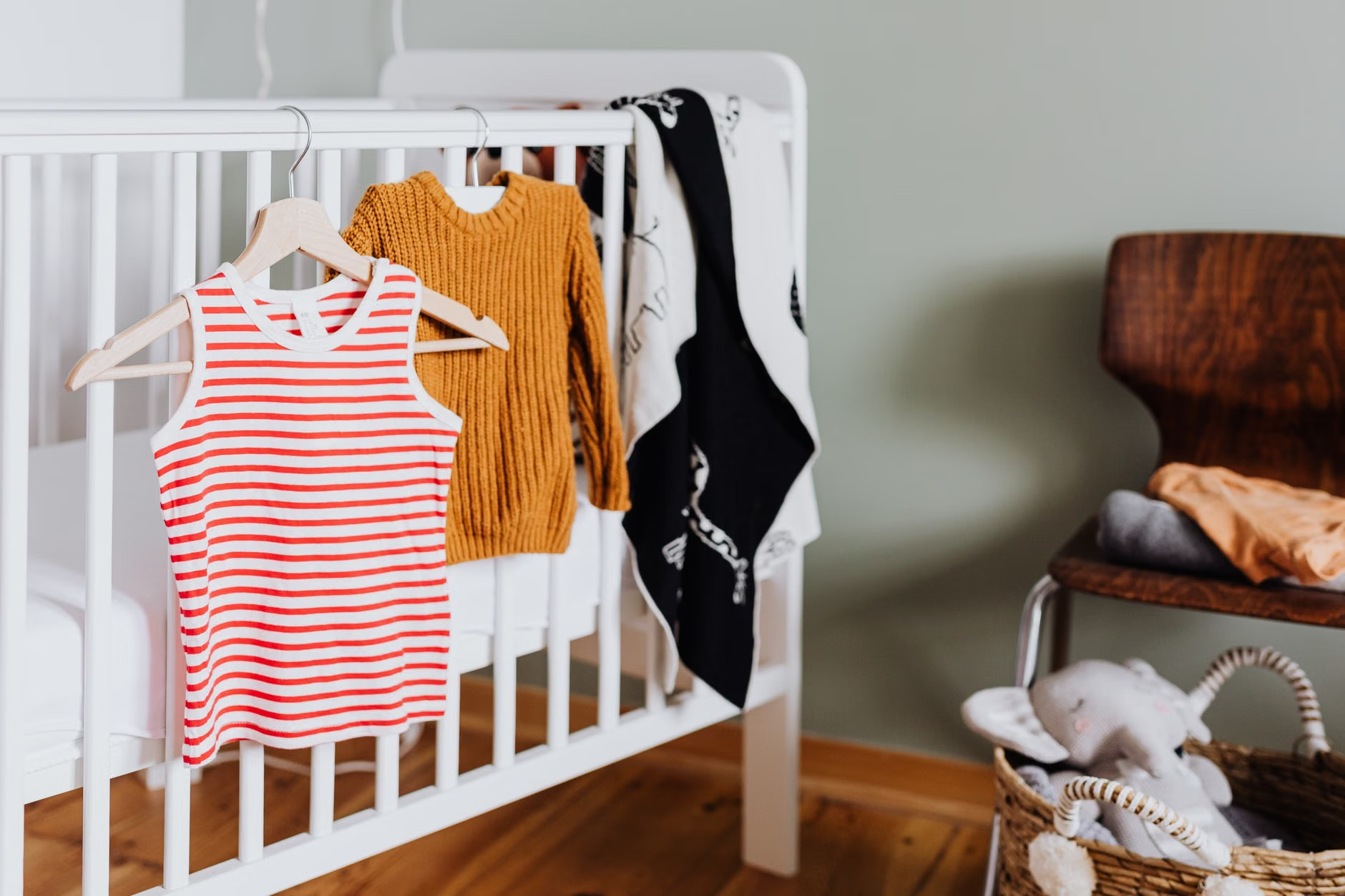
The Economics of Quality: Why ‘Cheap’ Is Often More Expensive
When you are buying clothes for a toddler, the temptation to buy cheap, fast-fashion bundles is strong. They grow so fast, right? Why spend $20 on a pair of pants when you can get a pack of three for $15?
Here is the reality: Fast-fashion items have a lower resale value and a shorter life span. If you buy a high-quality pair of leggings for $25, you can often resell them for $10 to $15 when your child outgrows them. If you buy a $5 pair of leggings, they likely won’t survive the wash cycles well enough to be passed on, and they certainly won’t have any resale value.
Calculating the ‘Cost-Per-Wear’
To make better financial decisions, look at the cost-per-wear (CPW). A $20 shirt worn 20 times costs $1 per wear. A $5 shirt that shrinks or loses its shape after two washes costs $2.50 per wear. By investing in higher-quality, natural fibers like organic cotton or merino wool, you ensure that the garment remains in a condition that allows for a second (or third) life.
Moreover, consider the environmental impact. The fashion industry is a major contributor to global waste. By participating in the circular economy—buying pre-loved, maintaining the quality, and passing it on—you are actively reducing your family’s carbon footprint. It is a small change that, when adopted by thousands of parents, creates a significant shift in demand.
Managing the ‘Hand-Me-Down’ Flow
If you are receiving hand-me-downs, the circular wardrobe can quickly become a disorganized mess. The key is to treat incoming clothes with the same scrutiny as new purchases. If it doesn’t fit the ’20-item’ core, do not keep it.
Common Mistake: Accepting bags of clothes from friends or family and storing them “just in case.” This creates a backlog of inventory that you haven’t vetted. Instead, sort the bags immediately. Keep what fits the current size or the next size up; pass the rest along to someone else who needs it right now. Do not become a storage unit for other people’s outgrown items.
Maintenance and Preservation: Keeping the Cycle Moving
A circular wardrobe only works if the clothes stay in good condition. If you ruin a shirt in the wash, the cycle breaks. Here are the practical maintenance rules for a modern, busy parent:
- Cold Wash, Air Dry: Heat is the enemy of elastic and cotton. Most modern detergents are formulated to work perfectly in cold water. Skipping the dryer will add years to the life of your toddler’s clothes.
- Stain Management: Keep a stain remover pen or a small spray bottle of diluted soap in your laundry area. Treat stains the moment you take the garment off the child. If you wait until laundry day, the stain is likely set.
- Mending Basics: Learn the simplest of repairs. A small hole in a seam is not a reason to discard a garment. A simple whip-stitch takes two minutes and can extend the life of a piece by months.
These habits might sound like extra work, but they actually save you time. You are not shopping for replacements, you are not sorting through piles of damaged goods, and you are not dealing with the frustration of a child wearing uncomfortable, worn-out clothing.
The Psychological Benefit of Less
There is a hidden benefit to this system that goes beyond the practical: it simplifies life for your child. When a toddler has fewer choices, they are less overwhelmed. It also teaches them, as they grow, that clothing is something to be cared for and valued, not just a disposable commodity. This is a subtle but powerful lesson in conscious consumption.
In our 30s and 40s, we are constantly juggling a thousand tasks. Our home environment should be a support system, not another source of stress. By creating a circular wardrobe, you are choosing to prioritize your time and your mental energy. You are choosing to stop the cycle of “acquisition-clutter-discard” and replacing it with a sustainable, efficient, and intentional flow.
Final Thoughts on Your Wardrobe Journey
Building a circular wardrobe is not about perfection. You will have days where a favorite shirt gets lost, or you end up with more clothes than you need. That is perfectly fine. The goal is to establish a system that makes your life easier, not to create another rule that makes you feel guilty.
Start today by identifying the items that are currently too small. Take them out of the rotation. You will be surprised by how much space you have immediately. Then, the next time you feel the urge to buy something new for your toddler, ask yourself: “Does this fit the current 20-item core, and will it be in good enough condition to sell or pass on in six months?” If the answer is yes, you are making a smart, circular choice.
Remember, the best wardrobe is the one that serves your family’s needs while allowing you to focus on what actually matters—spending time with your child, not managing their closet.
Frequently Asked Questions
1. How do I handle seasonal transitions in a circular wardrobe?
Treat your wardrobe as having two active “seasons.” When the season changes, pack away the smaller items in a labeled bin. If they are still in good condition, they are ready for the next size up or to be sold. Swap in the next size from your storage. By keeping only one season active at a time, you keep your closet footprint small and manageable.
2. What should I do with clothes that are too stained to pass on or sell?
Do not throw them in the general trash if possible. Many local textile recycling programs accept damaged clothing. Even if the garment is stained, the fabric can be repurposed for insulation or industrial rags. Check your local council or city website for “textile recycling” drop-off points. This is the final, necessary step in closing the loop.
3. Is it really worth the effort to resell individual toddler items?
If you try to sell items individually, the effort-to-reward ratio is poor. Instead, sell in “bundles” by size and season (e.g., “Size 2T Summer Bundle: 10 pieces”). This makes the process much faster for you and more attractive for the buyer, who gets a complete set of clothes in one transaction.
For further reading on sustainable textile management and local recycling initiatives, you can visit the EPA’s guide on textile recycling or look for resources from your specific regional environmental agency.