You don’t need a sprawling backyard or a rural farmhouse to embrace the principles of homesteading; in fact, the most effective “urban homestead” is built on high-efficiency habits rather than square footage.
- Verticality is your greatest asset: When floor space is limited, using wall-mounted planters and stacking systems increases your growing capacity by up to 300%.
- Composting in apartments is odor-free: Using a Bokashi system or electric food cycler allows you to process kitchen scraps in under 24 hours without attracting pests.
- Preservation beats production: For apartment dwellers, the real value lies in bulk buying and long-term storage, which reduces plastic waste and lowers grocery costs by 15–20% annually.
If you are raising kids in a city apartment, the idea of “homesteading” might sound like a Pinterest fantasy that requires a tractor and a degree in soil science. But let’s look at the reality: homesteading is simply the practice of becoming more self-reliant. It is about controlling what enters your home, minimizing what leaves it, and creating a more resilient household ecosystem. Whether you’re trying to cut down on plastic packaging or wanting to teach your children where their food comes from, you can start today without moving to the countryside.
The Math of Apartment Gardening: Why Less is More
The biggest mistake aspiring urban homesteaders make is trying to recreate a commercial garden on a balcony. You aren’t going to feed a family of four exclusively on balcony-grown tomatoes. Instead, shift your mindset toward high-yield, high-frequency crops. These are plants that provide a continuous harvest rather than a single, massive yield that leaves you overwhelmed.
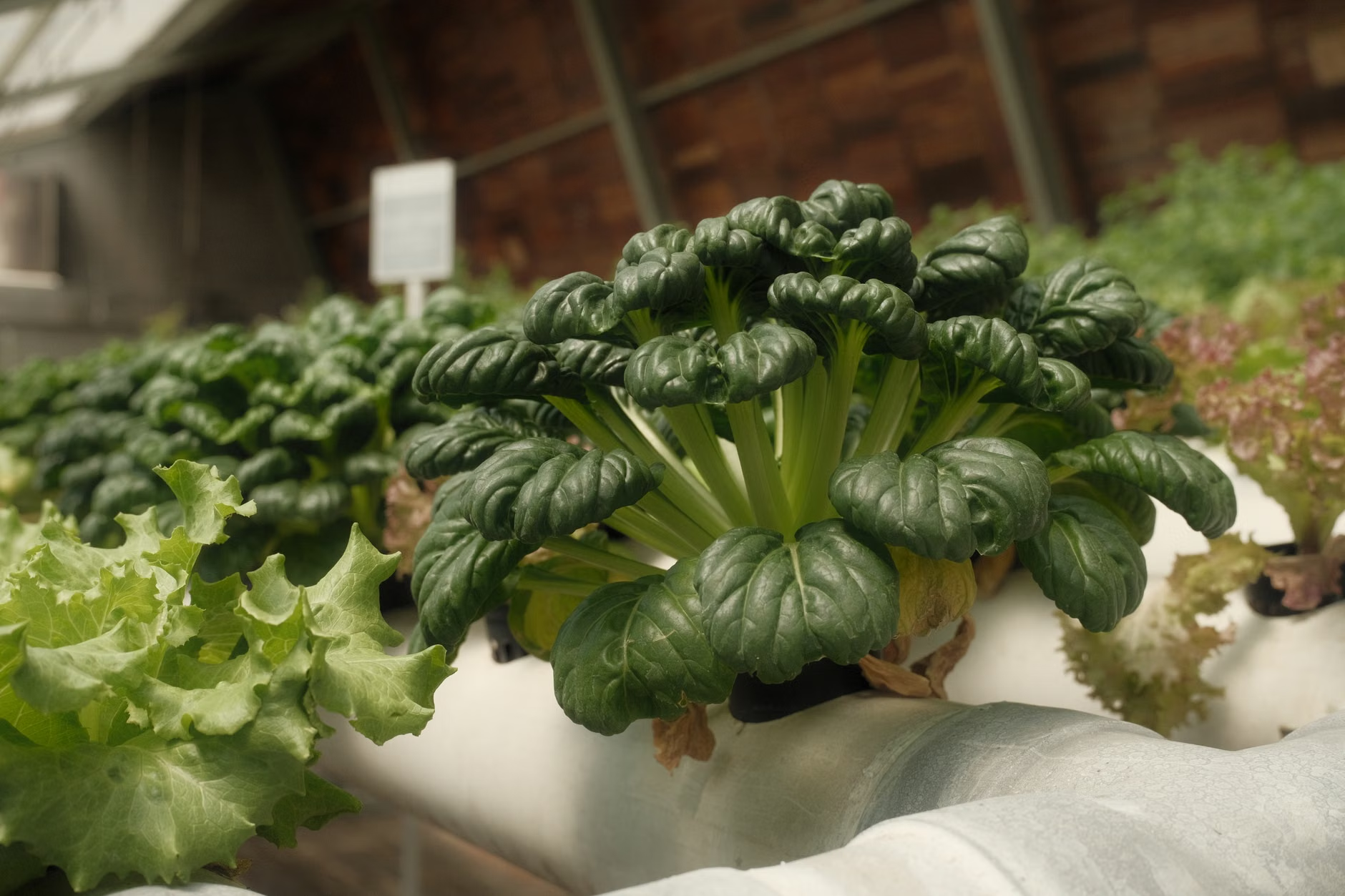
Focus on herbs, microgreens, and leafy greens. A packet of basil seeds costs pennies, yet in a city grocery store, that same amount of fresh herbs might cost $4.00. By growing “cut-and-come-again” crops like kale, arugula, or Swiss chard, you turn your windowsill into a perpetual grocery supply.
Choosing the Right System for Your Space
If you have a north-facing apartment with limited natural light, do not fight nature. Invest in a small LED grow-light panel. These systems have dropped in price significantly over the last three years and now consume less than 10 watts of electricity, making them negligible on your monthly utility bill.
| System | Best For | Maintenance |
|---|---|---|
| Hydroponic Kits | Herbs & Lettuce | Low (Water every 2 weeks) |
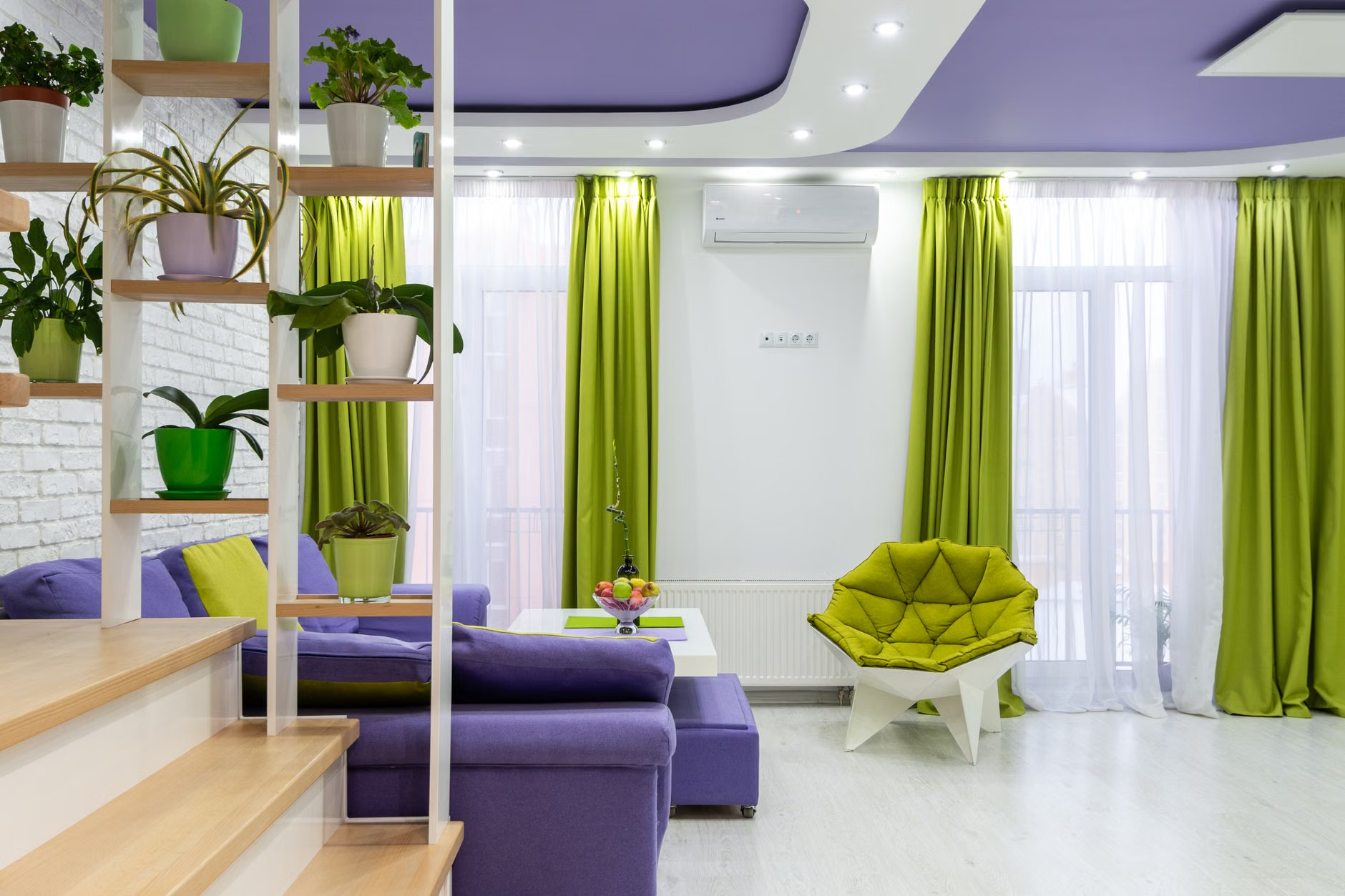
| Vertical Wall Planters | Greens & Strawberries | Medium (Daily checks) |
| Window Sill Pots | Small Herbs | High (Daily watering) |
The “best” option depends on your patience level. If you have a busy household with small children, the hydroponic kits are superior because they are self-contained and less prone to soil-spill accidents. If you are looking for an educational project to do with your children, the vertical wall planters offer a more tactile, “real world” gardening experience.
The Hidden Cost of Trash: Apartment Composting
In a single-family home, you might have a compost heap in the yard. In an apartment, you have to be more surgical. Food waste accounts for a huge portion of household trash, and if your building doesn’t offer organic waste pickup, that waste is rotting in a landfill, producing methane. You can change this.
The most effective solution for urban dwellers is the Bokashi system. Unlike traditional composting which requires air (and often creates smells or draws fruit flies), Bokashi is an anaerobic fermentation process. You place your scraps in an airtight bucket, sprinkle a specialized bran over it, and let it ferment. It’s compact, fits under a kitchen sink, and is completely odorless.
Common Mistake: Many people try to use a worm bin (vermicomposting) in their apartment. While effective, it is highly sensitive to temperature and moisture. If your apartment gets too hot in the summer or too dry in the winter, you risk killing your colony. Bokashi is “set and forget,” making it much more reliable for the busy parent.
Bulk Buying and the “Pantry Audit”
Urban homesteading isn’t just about growing food; it’s about managing your supply chain. When you live in a city, you are often paying a “convenience tax” on everything you buy. Small-batch packaging is expensive and generates an enormous amount of plastic waste.
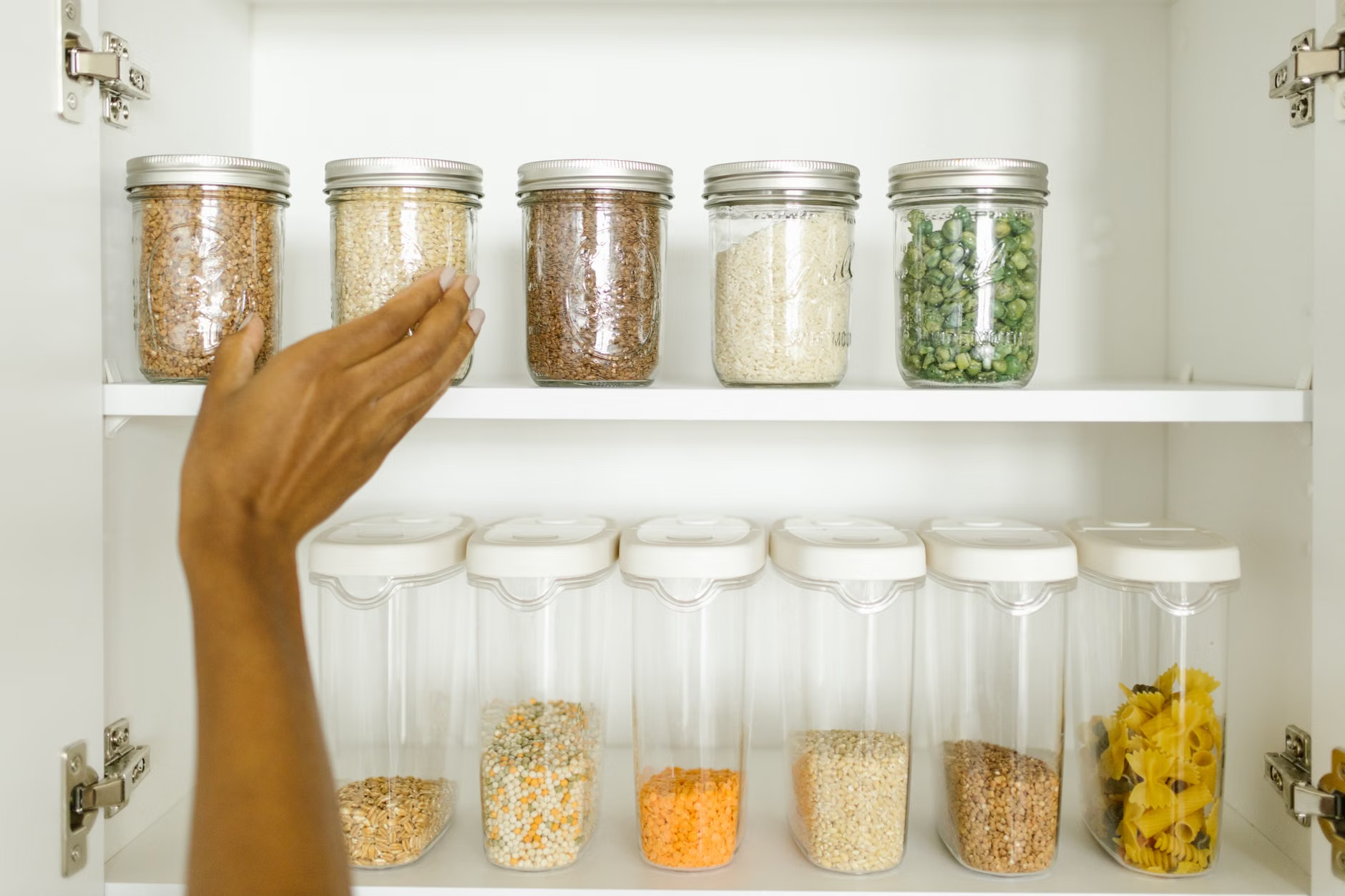
Start a pantry audit. Look at the items you buy every single week: rice, lentils, oats, flour, pasta. Now, find a local bulk store or a co-op where you can buy these items in larger quantities. You don’t need to be a minimalist to benefit from this; you just need to be a strategist. Clear glass jars or BPA-free stackable containers are your best friends here. They allow you to see exactly how much you have left, preventing the common “I thought we had pasta” trip to the store which usually results in buying four other things you didn’t need.
The Insight: The true cost of bulk buying isn’t just the price per gram—it’s the reduction in “decision fatigue.” By having a stable, organized pantry, you cut down on the number of small, stressful grocery runs you make throughout the week. This is a massive mental win for parents who are already juggling too many tasks.
Energy and Water Efficiency: The Invisible Homestead
Self-sufficiency also means reducing your reliance on external utilities. In an apartment, you can’t install solar panels, but you can optimize your energy consumption. A simple, often overlooked variable is the “vampire load” of your electronics. Smart power strips that cut electricity to peripherals (like printers, secondary monitors, or gaming consoles) when they aren’t in use can save you between 5% and 10% on your monthly electricity bill.
For water, install low-flow aerators on your kitchen and bathroom faucets. They cost about $5–$10 each and take two minutes to install. They don’t reduce water pressure in a way you’ll notice, but they can reduce your water usage by up to 30%. In many cities, this is a direct reduction in your utility bill, and it’s one of the easiest ways to practice “resource management” without changing your lifestyle.
Creating a Resilient Home Ecosystem
If you’re feeling overwhelmed, don’t try to do everything at once. The “homestead” mindset is a marathon, not a sprint. Start by picking one area of your home to optimize. If you choose the kitchen, focus on composting. If you choose the living room, focus on vertical gardening. Once you have a routine that sticks, move to the next area.
Remember that the goal is not perfection. You are not trying to survive an apocalypse; you are trying to live more intentionally. If you have a busy week and your plants die, don’t throw in the towel. The beauty of urban homesteading is that it is modular. You can scale it up or down depending on your current life stage.
Final Recommendation: Start with the “Rule of Three.” Identify three single-use items you currently buy (e.g., paper towels, plastic produce bags, bottled cleaning spray) and replace them with three sustainable alternatives (e.g., washable microfiber cloths, reusable mesh bags, a refillable glass spray bottle with concentrated cleaner). You will see an immediate difference in your household waste output, and that small success will give you the momentum to tackle larger projects like indoor gardening or bulk pantry management.
Frequently Asked Questions
Q: Will an indoor composting system attract pests like fruit flies or cockroaches?
A: Not if you use the right system. As mentioned, the Bokashi method is airtight, which prevents flies from entering. If you are using a traditional open-bin compost, that would be a problem, but for apartment living, enclosed, airtight systems are the only viable path.
Q: Is it really cheaper to grow my own food in an apartment?
A: It depends on what you grow. If you grow high-value items like organic herbs, berries, or premium salad greens, you will absolutely save money over time. If you try to grow crops that are cheap to buy in bulk, like potatoes or onions, the cost of soil, pots, and lighting will likely outweigh the savings. Focus on the high-value, high-turnover crops.
Q: How do I handle plant care when we go on family vacations?
A: This is where technology helps. For small setups, a simple “wicking” system—where a string connects your plant soil to a reservoir of water—can keep plants hydrated for up to two weeks. For more complex setups, you might need a small, inexpensive automated drip-irrigation timer that attaches to your faucet, or simply enlist a neighbor to check on them once a week.
For further reading on urban sustainability and resource management, you can check the following resources:
Note: Always check your apartment building’s lease agreement regarding balcony modifications or large-scale indoor water systems to ensure you are in compliance with building codes and safety regulations.
Beyond the immediate benefits of cost-savings and waste reduction, there is a profound psychological benefit to urban homesteading. When you are a parent in your 30s or 40s, life can feel like a series of disconnected, automated transactions—tap your phone to buy groceries, tap your phone to pay bills, tap your phone to order dinner. Homesteading forces you to slow down. It forces you to touch the soil, to organize your pantry, and to understand the physical reality of the resources you consume.
This is not just about being “green.” It is about reclaiming agency. When you grow your own herbs, you are no longer dependent on a supply chain that might be disrupted. When you compost, you are closing a loop in your own home rather than relying on municipal services to handle your waste. These are small acts of independence. In a world that often feels out of control, these small, tangible actions provide a sense of stability and accomplishment that is hard to find elsewhere.
Consider the “hidden cost” of the convenience culture we live in. We pay for the convenience of pre-cut vegetables, but we lose the nutrient density and we pay a premium for the plastic. We pay for the convenience of small-package goods, but we fill our trash cans twice as fast. When you start to see these trade-offs, you begin to realize that “homesteading” isn’t a hobby for people with too much time—it’s a strategy for people who want to reclaim their time and their household budget.
For those living in high-density urban environments, the biggest barrier is often the “imagination gap.” We see a small, cramped apartment and we think, “I can’t do this.” But the apartment is just a shell. The homesteading happens in the drawers, on the windowsills, and in the habits you form. It happens when you decide to buy a bulk bag of flour instead of three small ones. It happens when you decide to wash a plastic bag instead of tossing it. It happens when you place a single pot of basil on your counter and realize that you have the power to feed yourself, if only in a small way.
As you begin this journey, remember that the goal is not to be a perfect homesteader. The goal is to be a little bit more intentional than you were yesterday. If you only manage to compost half your food scraps, that’s a win. If you only manage to grow one plant successfully, that’s a win. The cumulative effect of these small changes is what builds a more resilient home. In your 30s and 40s, you are likely already managing a complex household. Integrating these practices might seem like adding more work, but once the systems are in place, they actually simplify your life by reducing the number of shopping trips, the amount of trash you have to take out, and the mental load of managing a disorganized pantry.
Start small, stay consistent, and don’t be afraid to experiment. Your apartment is more capable than you think, and your potential for self-reliance is greater than the four walls you live within.