The most critical predictor of success in the middle school transition isn’t your child’s raw intelligence or their grades in elementary school—it is their ability to manage themselves, a skill set collectively known as executive function.
- Executive function is the brain’s “air traffic control system,” managing focus, working memory, and impulse control—skills that often lag behind academic demands in middle schoolers.
- Coaching focuses on how to learn and organize, whereas traditional tutoring focuses on what to learn; for most transition-related struggles, coaching provides a higher return on investment.
- You can start building these skills at home by shifting from “manager” (doing the planning for them) to “consultant” (asking questions that force them to create their own plans).
If you have a child approaching or currently navigating the shift from elementary to middle school, you have likely noticed a sudden, jarring change. The days of one teacher guiding them through every assignment are gone. Suddenly, they are expected to navigate six different classrooms, manage long-term projects, remember sports gear, and juggle homework from multiple sources—all while their prefrontal cortex, the part of the brain responsible for high-level planning, is still very much under construction.
For parents in their 30s and 40s, this is often the moment where the “homework battle” reaches a fever pitch. We find ourselves acting as external executive assistants, constantly reminding, checking, and prompting. But this creates a dependency that can backfire, leaving the child unprepared when the workload inevitably increases in high school.
What Exactly is Executive Function and Why Does It “Break” in Middle School?
Executive function (EF) is a collection of cognitive processes that allow us to set goals, plan, and execute tasks. Think of it as the CEO of the brain. When a child moves to middle school, the “business” of their life grows exponentially. The requirements for EF tasks—like keeping track of a locker combination, remembering a project due date, or resisting the urge to scroll social media during study time—skyrocket.
The core issue is that the middle school brain is in a state of flux. The emotional center (the amygdala) is highly active, while the prefrontal cortex—the seat of rational decision-making—is still undergoing a massive “pruning and rewiring” process. This is not just a personality quirk; it is biology. When your child forgets their science folder for the third time this week, it is rarely because they don’t care. It is because their “air traffic control system” is overwhelmed by the sheer volume of new information.
Common signs that your child’s executive function is struggling include:
- The “I did it but forgot to turn it in” syndrome: Work is finished but lost in the abyss of a backpack.
- Task paralysis: The child stares at a big project and doesn’t know where to start, so they don’t start at all.
- Time blindness: An inability to accurately estimate how long a task will take, leading to late-night panic sessions.
- Difficulty with transitions: Getting “stuck” on one activity and having a meltdown when it’s time to shift gears.

Coaching vs. Tutoring: Choosing the Right Support
Many parents instinctively hire a subject-matter tutor when grades start to slip. While a tutor is excellent for clarifying complex math concepts or teaching Spanish grammar, they often don’t address the process of learning. If your child understands the math but fails the test because they didn’t finish the problems or forgot to study the right chapter, a math tutor will only help so much.
Executive function coaching is fundamentally different. It is about metacognition—thinking about thinking. A coach doesn’t teach the subject matter; they teach the child how to approach the subject matter. They help the student build systems that work for their specific brain type.
| Feature | Traditional Tutoring | Executive Function Coaching |
|---|---|---|
| Primary Goal | Content mastery (What) | System mastery (How) |
| Focus | Subject-specific (Math, English) | Habit-specific (Time, Planning) |
| Duration | Often long-term or as needed | Goal-oriented, shorter-term |
| Best For | Gaps in knowledge | Gaps in process/organization |
If your child is generally capable of understanding the material but consistently fails to demonstrate that knowledge due to missed deadlines, lost work, or poor study habits, executive function coaching is the more effective intervention. It provides a long-term toolkit that they can take into high school and beyond, rather than just a quick fix for a single semester’s grade.
Practical Strategies: Building the “Brain CEO” at Home
You don’t always need a professional coach to start seeing improvements. In fact, the best “coaching” often happens in the kitchen or the living room. The key is changing your role from the “External Executive” to a “Consultant.”
1. Master the Art of the “Task Breakdown”
Middle schoolers often fail because they see a “History Project” as one giant, terrifying blob of work. They don’t see the steps involved. Your job is to help them reverse-engineer the project. If the project is due on Friday, work backward. What needs to be done on Thursday? Wednesday? Monday? Breaking a large task into 15-minute “micro-tasks” makes the work feel less intimidating and helps them build the habit of planning.
2. Use Time-Blocking and Visual Timers
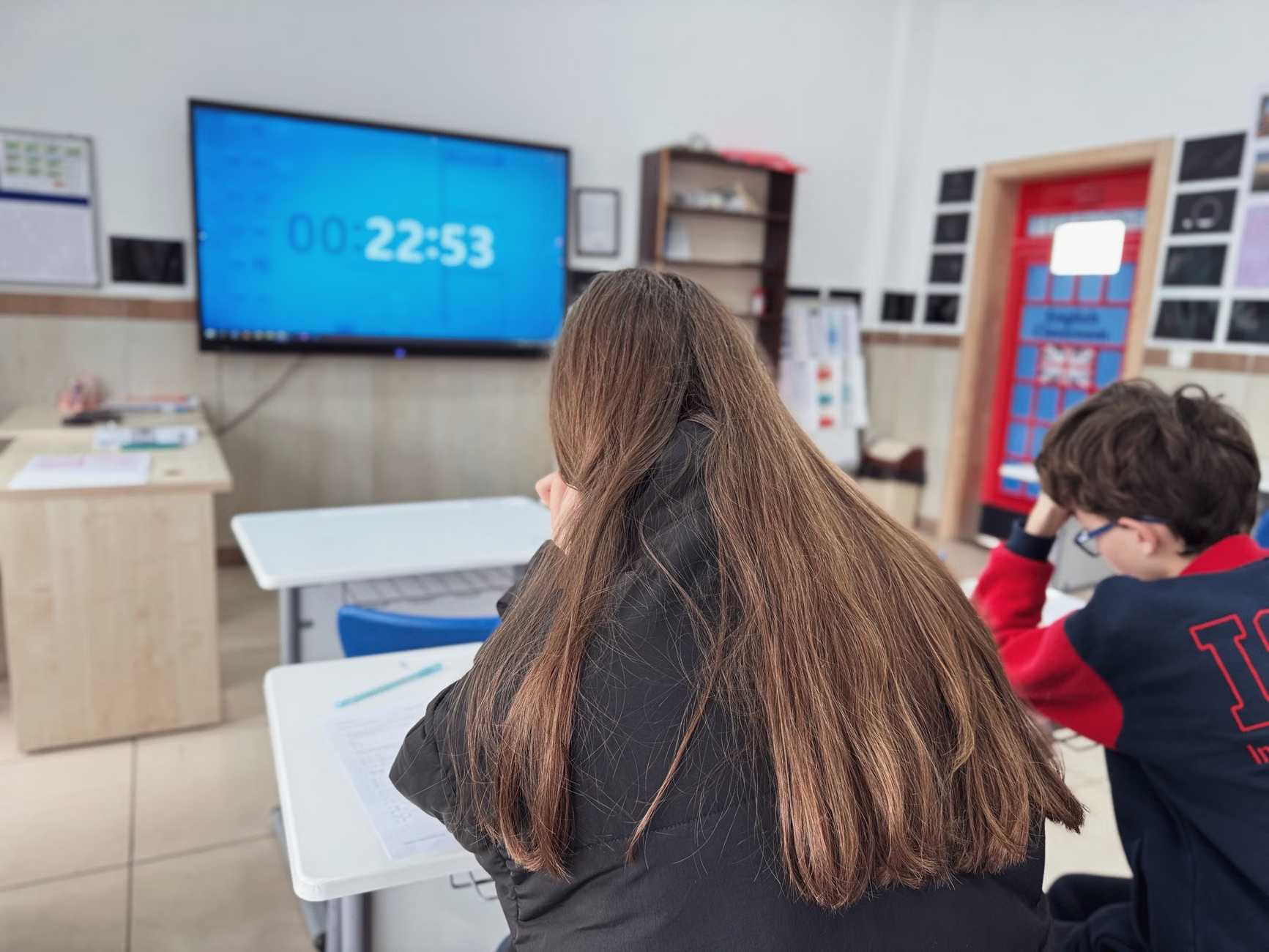
Time is abstract. Children with developing executive function often experience “time blindness,” where they think a task will take 5 minutes when it actually takes 45. Using a visual timer—a physical clock that shows the passage of time—can be a game-changer. Encourage them to “time-block” their afternoon. Instead of “do homework,” the schedule should say “Math worksheet: 3:30 to 4:00 PM.”
3. Create an “Out-the-Door” Checklist
The morning rush is a primary source of executive function failure. Instead of yelling “Do you have your lunch?” and “Where is your folder?” every single morning, create a physical checklist near the front door. Laminate it. Let them check the boxes. By making the process external and visual, you move the responsibility from your brain to theirs. If they forget their homework, they are responsible for checking the list, not for listening to your reminder.
Common Mistakes Parents Make (And How to Pivot)
We all want our children to succeed, but our desire to protect them from failure can ironically hinder their growth. Here are the most common pitfalls:
- The “Helicopter” Trap: Checking their online grade portal every hour. This signals to your child that you are responsible for their grades, not them. Instead, agree on a “check-in” time—perhaps Sunday evenings—to review their progress together.
- Doing the Organizing for Them: It is faster to clean their room or organize their backpack yourself. But every time you do it, you rob them of the chance to build the neural pathways required to do it themselves. If they are struggling with an messy locker, ask: “What is one thing you think could make it easier to find your books tomorrow?” Let them suggest the solution.
- Focusing on the Result, Not the System: When they get a bad grade, the conversation is often: “Why did you get a C?” This is demoralizing. Instead, ask: “What part of your study system didn’t work this time?” Focus on the process (the system), not the outcome (the grade).
The Hidden Variable: Emotional Regulation
There is a hidden variable often overlooked in academic coaching: emotional regulation. Executive function is notoriously fragile when a child is stressed, anxious, or tired. If your child is dealing with social anxiety or sensory overload at school, their prefrontal cortex will “go offline.”
When the brain is in “fight or flight” mode, it cannot prioritize, organize, or plan. If you find that your child is consistently struggling with executive function despite having a good system in place, step back and assess their emotional state. Are they getting enough sleep? Is there a social issue at school? Sometimes, the best way to improve executive function is to lower their overall stress levels so their brain has the capacity to function properly.
When to Seek External Professional Help
So, when is it time to move beyond home-based strategies and hire a professional? If you have tried consistent, low-pressure strategies for several months with no change, or if the academic struggle is causing significant damage to your parent-child relationship, it is time to look for help.
Look for an “Academic Coach” or “Executive Function Coach.” Many educational psychologists or specialized tutors offer this service. When interviewing potential coaches, ask them these specific questions to ensure they are a good fit:
- “Do you have a specific framework for teaching organizational skills, or is it more of a check-in style?”
- “How do you help students who are resistant to planning?”
- “What is your approach to helping a student transition from relying on you to being independent?”
A good coach should be able to provide you with a clear roadmap of how they intend to fade their support over time. If they suggest they will need to be involved indefinitely, keep looking. The goal of coaching is to make the coach obsolete.
Final Thoughts: The Long Game
The middle school years are not just about surviving until high school; they are the “training ground” for adulthood. By shifting your focus from the immediate grade on a test to the development of these underlying systems, you are giving your child the most valuable gift possible: autonomy.
Understand that this process is non-linear. There will be good weeks and bad weeks. There will be days where they seem to have it all together, and days where they lose their lunchbox twice. That is part of the learning process. Your role is not to prevent every failure, but to provide the stable, supportive environment where they can learn how to recover from those failures and build a system that works for them. Be patient, stay consistent, and remember that you are building the foundation for a capable, organized young adult.
Frequently Asked Questions
Q: My child is in 6th grade and has ADHD. Does executive function coaching work for them?
A: Absolutely. In fact, executive function coaching is often considered the gold-standard non-medical intervention for children with ADHD. Because ADHD is fundamentally a disorder of the brain’s executive system, these students benefit significantly from explicit instruction in how to manage time, organize materials, and regulate their attention. Look for a coach who has specific experience working with neurodivergent learners, as they will have a deeper understanding of the specific barriers these students face.
Q: At what age should we start focusing on these skills?
A: You can begin introducing basic executive function concepts as early as late elementary school (ages 9–10). Simple tasks like using a visual checklist for their morning routine or helping them pack their own bag help build the “muscle memory” for these skills. By the time they hit the increased demands of middle school, these habits will feel more natural and less like a sudden, overwhelming change.
Q: How long does it usually take to see improvements in executive function?
A: Unlike a tutor who might see a grade jump after a few weeks of intensive math review, executive function coaching is a slow-burn process. It involves changing deep-seated habits. Most families start to see noticeable improvements in “independence” after about 8 to 12 weeks of consistent coaching. The key is to measure progress in small, incremental wins—like remembering to turn in a homework assignment for three days in a row—rather than expecting an immediate overhaul of their academic performance.
Useful Resources:
For further reading on the development of the teenage brain and how it impacts executive function, the National Institute of Mental Health (NIMH) offers comprehensive resources on adolescent brain development: NIMH – Child and Adolescent Mental Health. Additionally, CHADD (Children and Adults with Attention-Deficit/Hyperactivity Disorder) provides excellent, evidence-based articles on managing executive function challenges: CHADD – Executive Function Explained.