- Quiet-luxury organization prioritizes long-term utility and material quality over fast-fashion storage solutions or aesthetic-only trends.
- The strategy shifts from “clearing clutter” to “curating content,” meaning you only keep items that serve a specific, high-frequency purpose in your family life.
- Success is measured by reduced maintenance time, not just a photogenic closet; if an organizational system requires daily “re-styling,” it is not quiet luxury—it’s a chore.
The secret to a “quiet-luxury” home isn’t found in expensive designer bins or marble-topped organizers; it is found in the deliberate removal of visual noise and the curation of items that actually make your life as a parent easier. If you are in your 30s or 40s, you’ve likely spent the last decade accumulating gear—baby equipment, school projects, kitchen gadgets, and the endless debris of a busy household. The “quiet-luxury” trend is the antidote to this accumulation. It is the practice of investing in high-quality, long-lasting systems that require minimal upkeep, leaving you more time to focus on the people living in the space rather than the space itself.
We are moving away from the “Instagram-perfect” pantry aesthetic—which often requires hours of decanting and constant maintenance—toward a more grounded, sustainable approach. This is about creating a home that feels expensive because it feels calm, intentional, and effortless.
The Philosophy: Why “Quiet Luxury” is the Ultimate Parenting Hack
In the world of interior design, “quiet luxury” refers to pieces that are understated, timeless, and made of superior materials. When applied to organization, this translates to a “less is more” approach. For parents, this is not just an aesthetic choice; it is a sanity-saving strategy. When you have fewer things, you have fewer things to clean, manage, organize, and replace.
The “quiet” part of this trend refers to the reduction of visual clutter. When your home is filled with bright, mismatched plastic packaging or overflowing drawers, your brain is constantly processing that visual stimulus. This creates a low-level, persistent stress that many parents mistake for general “life fatigue.” By shifting to neutral tones, hidden storage, and high-quality, durable materials, you lower the cognitive load on yourself and your children.
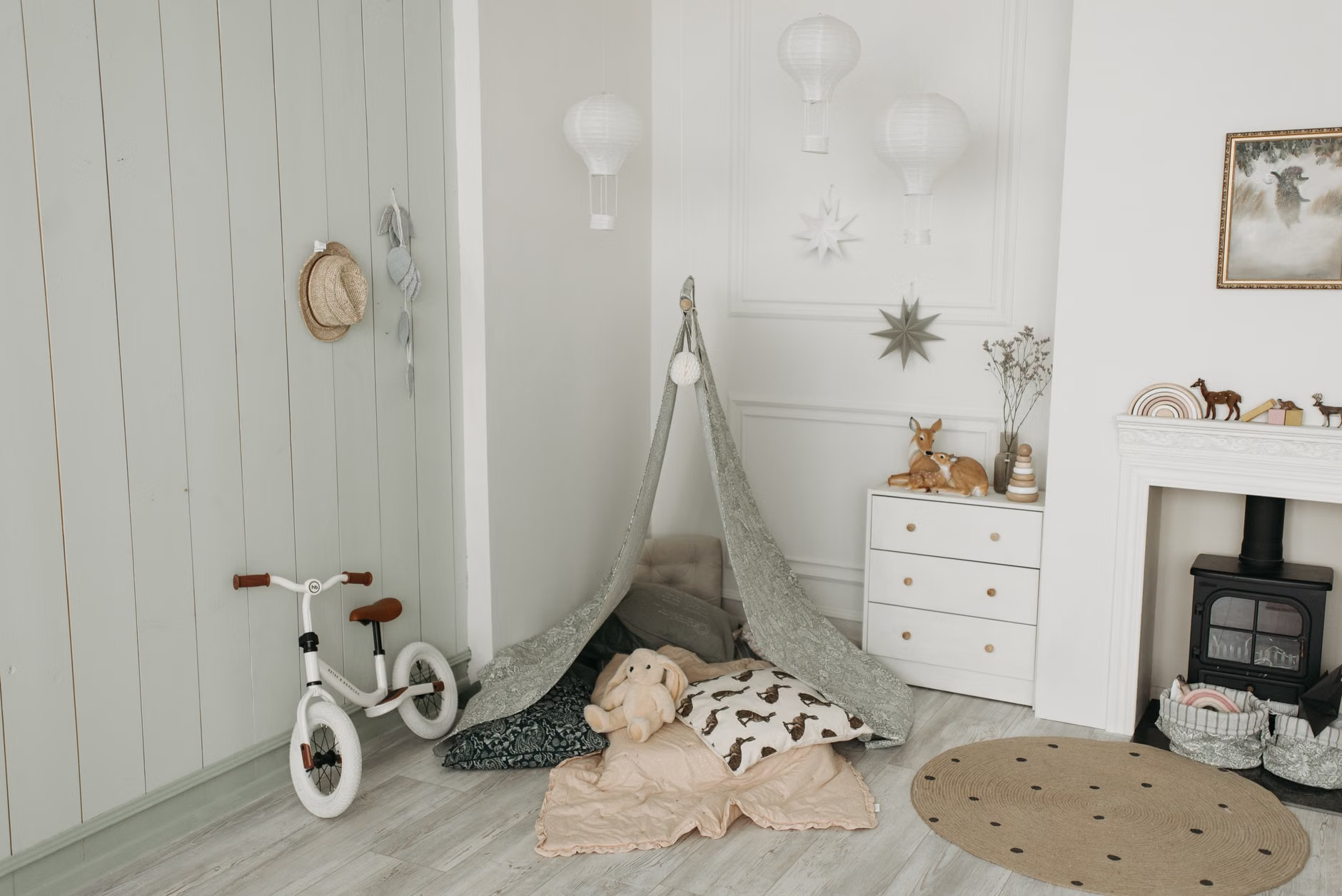
Consider the difference between a toy room filled with neon-colored plastic bins versus a room with a few woven, natural-fiber baskets holding a rotating selection of wooden toys. The former creates an environment of overstimulation; the latter creates a space that invites focused play and is infinitely easier to tidy up at the end of the day. This isn’t about having a “perfect” home; it’s about having a home that works for you, not against you.
Curation Over Collection: The First Step to a Calm Home
Before you buy a single organizing bin, you must address the volume of your belongings. Quiet luxury is impossible in a home that is over-indexed on “stuff.” The most common mistake people make is buying storage solutions to house items they don’t actually use. This is a trap. If you have to organize it, you have to manage it.
The “curation” mindset asks a simple question for every item in your home: Does this item provide enough value to justify the space it occupies and the time I spend managing it?
Let’s look at a concrete example: the “junk drawer.” In a typical home, this is a chaotic mess of batteries, pens, menus, and random hardware. In a quiet-luxury approach, this drawer is replaced by a dedicated, minimal system. You don’t need a drawer full of five different types of tape. You need one high-quality, reliable roll of tape in a place where you can find it. By ruthlessly editing what you keep, you eliminate the need for complex, tiered sorting systems. You simply need fewer categories, which means you need less storage, which means you have more open, breathable space.
The Rule of Three: A Decision Framework
When you are struggling to decide whether to keep an item, use the “Rule of Three” to determine its place in your home:
- Utility: Do we use this item at least once a month? If no, it is a candidate for removal.
- Durability: If it breaks, will I repair it or replace it with a higher-quality version? If you wouldn’t repair it, you don’t need it.
- Accessibility: Can I access this item in under 10 seconds? If you have to move three boxes to get to your blender, you aren’t using your space effectively.
Applying this rule to your kitchen, your mudroom, and your children’s play areas will immediately reduce the “organizing” workload. You aren’t just cleaning; you are building a system that maintains itself.
Investing in Materials That Age Well
Part of the quiet-luxury ethos is the move away from disposable, cheap storage solutions. Think about the clear plastic bins that crack after a year or the fabric cubes that fray at the edges. They are inexpensive, yes, but they are a hidden cost because they require constant replacement and look messy as they degrade.
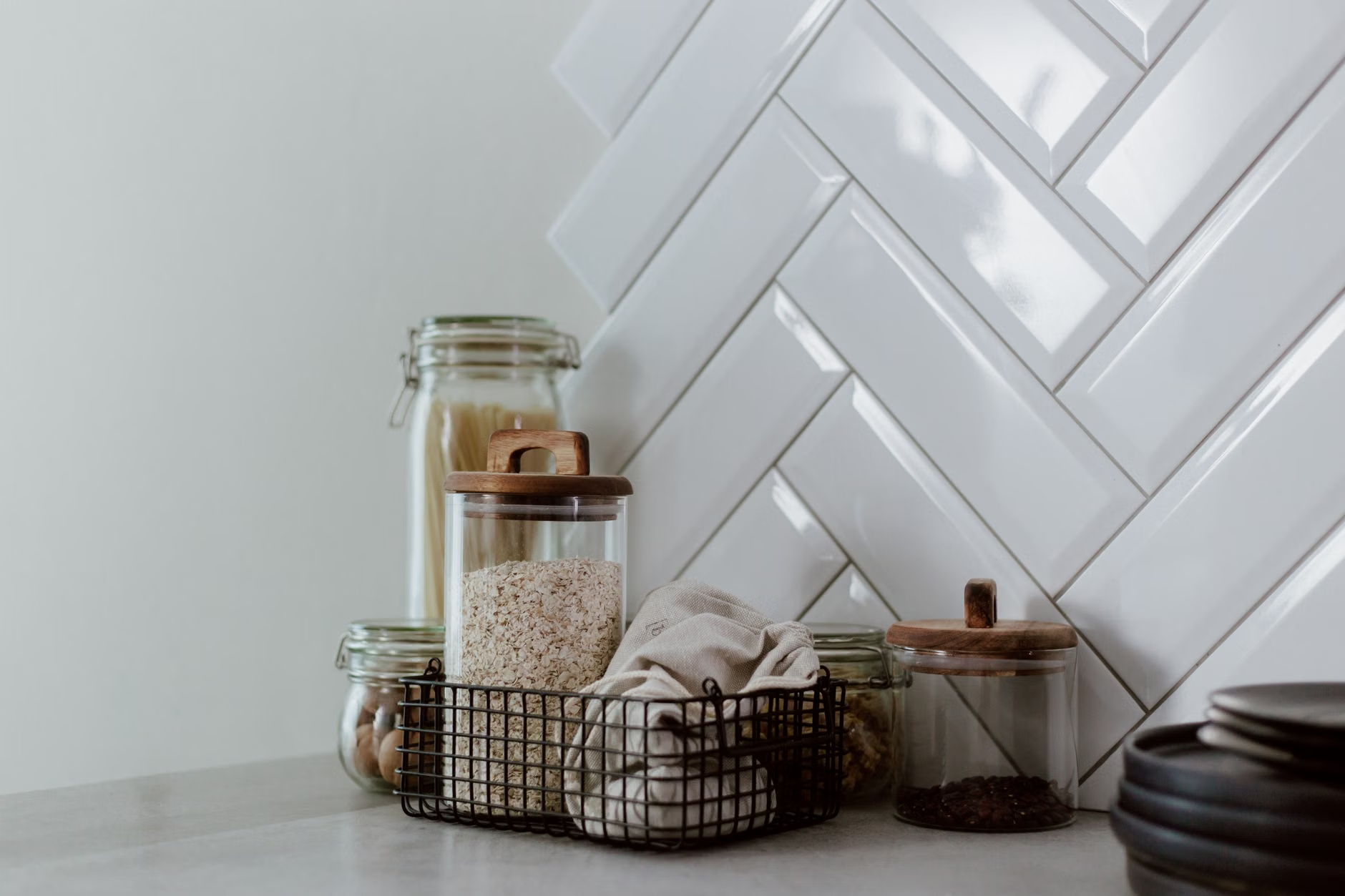
Quiet luxury prioritizes materials that age with grace: solid wood, heavy-duty canvas, glass, ceramic, and metal. These items don’t just look better; they last longer. When you invest in a set of heavy, woven baskets for your children’s toys, you are choosing a solution that will last for years. When those kids grow out of their current toys, those same baskets can be repurposed for blankets, books, or office supplies. This is the definition of a sustainable, quiet-luxury investment.
| Material | Why it Fits Quiet Luxury | Best Use Case |
|---|---|---|
| Solid Wood | Durable, timeless, improves with age. | Open shelving, toy storage, entryway benches. |
| Glass/Ceramic | Non-porous, easy to clean, visually clean. | Pantry, bathroom supplies, office desk items. |
| Woven Cotton/Wool | Adds texture without visual clutter. | Living room storage, bedroom clutter management. |
| Heavy-Duty Metal | Industrial strength, clean lines. | Kitchen utility, garage or basement organization. |
The choice of material matters because it dictates how you interact with the space. If you are using high-quality materials, you tend to handle them with more care. You are less likely to overstuff a solid wood drawer than a thin plastic one. The quality of the storage actually dictates the behavior of the user.
The “Hidden” System: Making Function Disappear
The hallmark of a quiet-luxury home is that it doesn’t look like it has been “organized” by a professional. It looks like it just functions well. This is achieved by hiding the mechanics of your life. In a home with children, this is a significant challenge. You cannot hide the fact that you have kids, but you can hide the chaos they produce.
The strategy here is to move from “open displays” to “closed storage.” If your home is full of open shelves with every toy and book on display, you are creating a constant visual reminder of everything that needs to be tidied. By switching to closed cabinets or baskets with lids, you create a “quiet” visual field. The items are there, but they aren’t screaming for your attention.
Another key aspect is the “landing zone” concept. Every item in your house should have a specific home, and that home should be as close to where the item is used as possible. If your kids take their shoes off in the entryway, the storage for those shoes must be in the entryway. If it is in the closet down the hall, the shoes will never make it to the storage. This is a common mistake: designing an organizational system based on how you *wish* you behaved, rather than how you actually behave.
Implementing the “Landing Zone” Strategy
- Map the flow: Observe where your family members naturally drop their items when they enter the house or finish a task.
- Place the container: Put a high-quality basket or tray in that exact spot. Don’t fight the behavior; accommodate it.
- Limit the capacity: If the basket is full, it’s time to purge. This creates a natural, self-regulating system that prevents you from needing to “deep clean” the area every week.
Maintaining the Calm: The Weekly Reset
Even the best-organized home will fall into chaos if it isn’t maintained. However, the quiet-luxury approach makes the maintenance phase much shorter. Because you have fewer items and they all have a designated, high-quality home, the “reset” process is significantly faster.
Many parents fall into the trap of thinking that organization is a one-time project. It is not. It is a recurring maintenance cycle. The goal is to make that cycle so short that it doesn’t feel like a chore. If your weekly reset takes more than 20 minutes, you have too much stuff. Period.
A successful weekly reset should look like this:
- The 5-Minute Sweep: Walk through the main living areas and return items to their “landing zones.”
- The Basket Check: Empty the small, daily-use baskets. If they are overflowing, remove the excess.
- The Surface Clear: Wipe down flat surfaces. A clear counter is the easiest way to make a home feel “luxurious.”
Common Pitfalls and How to Avoid Them
Even with the best intentions, it is easy to veer off track. Here are a few common traps that keep families from achieving a truly quiet, organized home.
The “Aesthetic Trap”: Buying clear acrylic bins because they look good on social media. While they can be useful, they often highlight the mess inside rather than hiding it. If you have kids, clear bins are usually a recipe for visual clutter. Use opaque, high-quality containers to hide the variety of colors and shapes inside.
The “Someday” Pile: Holding onto items because you think you might need them “someday.” This is the primary enemy of quiet luxury. If you haven’t used an item in the last year, it is not serving your current life. The space it occupies is more valuable than the item itself.
The “Professional Organizer” Fallacy: Trying to replicate a professional closet transformation in a single weekend. This is exhausting and rarely sustainable. The quiet-luxury approach is about slow, intentional change. Start with one drawer. Then one shelf. Then one room. Build the habit of editing before you invest in the storage.
Remember that the goal is not to have a home that looks like a magazine cover. The goal is to have a home that provides a sense of peace and efficiency for your family. If your home feels “quiet”—meaning free from the stress of clutter and the weight of unnecessary possessions—you have succeeded.
Final Thoughts: The Value of Your Time
The most important takeaway from the quiet-luxury trend is that your time is your most valuable asset. When you organize your home with intention, you are not just making it look better; you are buying back the hours you would have otherwise spent searching for lost keys, cleaning up excessive toys, or managing items you don’t even use.
Start small, focus on quality over quantity, and always prioritize functionality. A home that is truly organized is one where you spend less time “managing” and more time “living.” It is a shift from being a caretaker of your things to being a curator of your environment. That, ultimately, is the greatest luxury of all.
Frequently Asked Questions
Q: Does quiet-luxury organization mean I have to get rid of all my kids’ toys?
A: Not at all. It means rotating them. Keep a small selection of high-quality toys in accessible, neutral storage and rotate the rest out of sight. This reduces visual clutter and actually makes the toys more engaging for your children.
Q: Is this style of organization expensive to implement?
A: It can be, if you buy all new furniture and storage at once. The “quiet-luxury” approach is actually about saving money over time by buying fewer, better-made items that last for years. Start by purging the excess, which costs nothing, and then invest in quality storage pieces one by one as your budget allows.
Q: How do I maintain this system with a busy family and unexpected messes?
A: Accept that “perfect” isn’t the goal—”functional” is. The key is having a designated “landing zone” for the chaos. If you have a place for the mess to go, it’s much easier to reset the space at the end of the day. The goal is a 15-20 minute reset, not a deep clean.
For further inspiration on minimalist living and sustainable home management, you may find these resources helpful: