The most effective way to improve your child’s play quality and reduce household stress isn’t buying the latest trending gadget, but systematically removing 80% of what is currently in their toy box.
- The Paradox of Choice: Research shows that children with fewer toys play for longer periods and demonstrate higher levels of creativity and focus.
- The Rotation System: By keeping only 5-10 toys accessible at a time and rotating them bi-weekly, you treat every “new” set as a fresh discovery, preventing toy fatigue.
- Quality Over Quantity: The “Post-Growth” strategy prioritizes open-ended, durable materials over plastic, battery-operated toys that dictate how a child must play.
If you are in your 30s or 40s, you likely remember a childhood with a fraction of the physical items your children have today. Yet, the modern parenting experience is often dominated by the “accumulation cycle.” We buy to solve boredom, we buy to reward, and we buy because a specific item promises developmental breakthroughs. The result? A living room floor covered in plastic fragments, battery-operated noises that haunt your dreams, and a child who says, “I’m bored,” five minutes after opening a new box.
The ‘Post-Growth’ toy curation strategy is a shift away from the constant expansion of your child’s inventory. It is not about deprivation; it is about intentionality. It is recognizing that when a child has too many options, they don’t play deeper—they play shallower. They graze through toys like a person scrolling through a streaming service, unable to settle on a single show.
Why Your Child Actually Needs Fewer Choices
The cognitive load of a cluttered playroom is real. When a child is surrounded by dozens of toys, their attention is fragmented. This is often referred to as the “choice overload” effect. In a seminal study conducted by researchers at the University of Toledo, toddlers were observed in environments with either four toys or 16 toys. The results were stark: children with fewer toys were more creative, played for longer durations, and engaged in more complex play patterns.
Think of it like your own workspace. If your desk is covered in 50 different projects, files, and gadgets, you likely struggle to focus on one task. You end up shifting from one to another, finishing nothing. For a child, whose executive function—the mental processes that enable us to plan, focus, and multitask—is still developing, a sea of toys is not a playground; it is a source of sensory overwhelm.
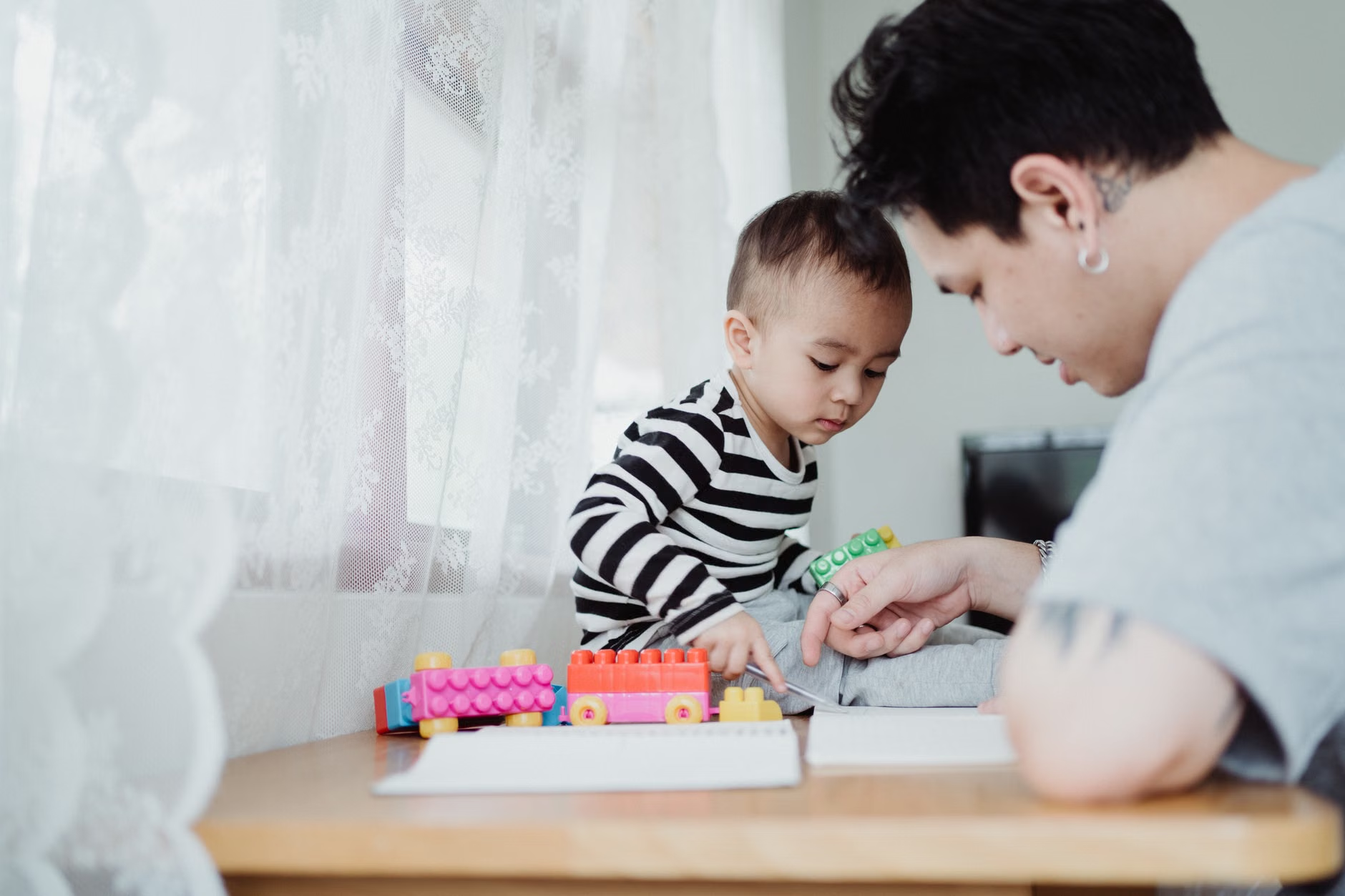
Beyond the cognitive aspect, there is the issue of “play value.” A toy that does everything—lights up, sings, moves, and talks—is a closed system. It tells the child exactly how to use it. A wooden block, however, is an open system. It can be a phone, a car, a piece of food, or a building component. The Post-Growth approach favors these open-ended items because they require the child to provide the imagination, which is the most critical developmental muscle to build.
Implementing the Rotation System: A Step-by-Step Guide
Transitioning to a Post-Growth strategy requires a system, not just a one-time purge. If you simply throw everything away, you will eventually find yourself back at square one when the next birthday or holiday arrives. You need a “Toy Library” model within your own home.
Step 1: The Great Categorization
Start by gathering all toys into one central location. Do not sort by “what is my child’s favorite.” Sort by type: building blocks, puzzles, dolls/figurines, art supplies, and sensory items. This helps you identify redundancies. Do you have five different sets of plastic cars that all do the same thing? If so, you have an opportunity to prune.
Step 2: The 80/20 Rule
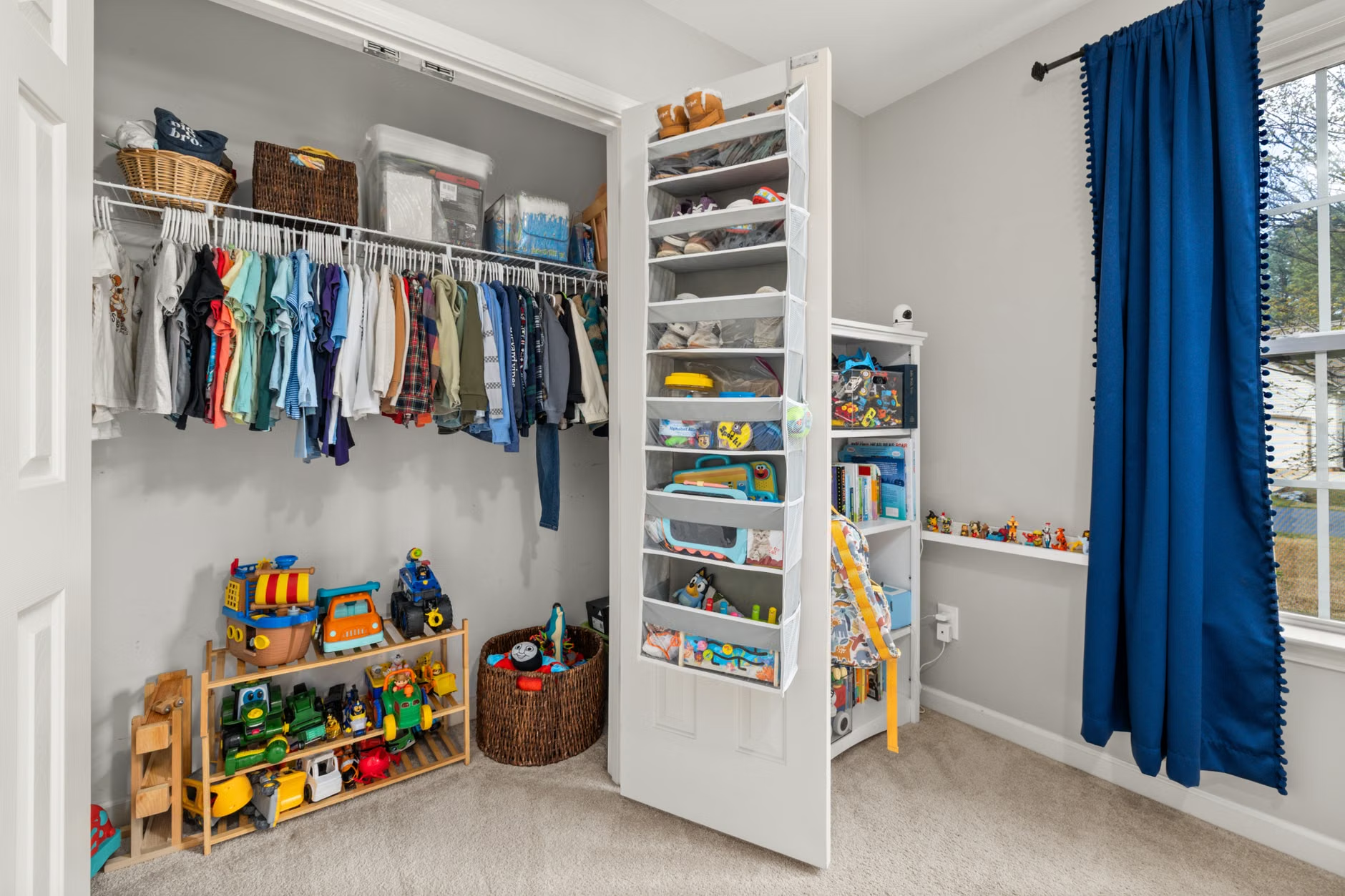
Aim to have only 20% of your total toy inventory available at any given time. Place the remaining 80% in opaque bins or boxes in a closet, garage, or under a bed. The key here is invisibility. If the child can see the overflow, they will ask for it. The stored items should be treated as a library collection that you check out to them.
Step 3: The Bi-Weekly Rotation
Every two weeks, perform a “swap.” Take the current toys and put them back into storage, then pull out a new set from the inventory. You will find that when a toy returns after a month, it is greeted with the same excitement as a brand-new gift. This keeps the environment fresh without the financial and environmental cost of constant consumption.
| Toy Type | Post-Growth Rule |
|---|---|
| Battery-operated toys | Limit to 1-2 items; remove immediately if they become the sole focus. |
| Open-ended (Blocks, silks) | Always keep these in the rotation; they are the foundation. |
| Puzzles/Games | Rotate these based on current skill level to prevent frustration. |
The Financial and Environmental Trade-offs
For parents in their 30s and 40s, the Post-Growth strategy is also a defense against the “cost of childhood.” We are often pressured to buy the latest “must-have” items featured on social media. These items are often manufactured with planned obsolescence in mind—cheap plastics that break easily or trends that vanish within a season.
When you shift your mindset from “consumer” to “curator,” you change your spending habits. You stop buying the $10 impulse-buy plastic toy at the grocery store checkout. Instead, you might invest that same $10 into a higher-quality, multi-purpose item that will last for years. This is the essence of the Post-Growth philosophy: investing in durability and versatility.
Consider the environmental impact. The global toy industry is heavily reliant on single-use plastics. By adopting a rotation system, you naturally slow your consumption. You stop participating in the cycle of buying, breaking, and discarding. This isn’t just about saving money; it’s about modeling a sustainable lifestyle for your children. If they see you curating and caring for their toys, they learn to value what they have rather than constantly seeking the next hit of dopamine from a new purchase.
Common Pitfalls and How to Avoid Them
The most common mistake parents make when starting this process is emotional attachment. You might feel guilty about getting rid of a toy that was a gift from a grandparent. A helpful way to address this is to realize that the gift was the gesture, not the plastic object itself. If the object is no longer serving your child, it is okay to pass it on to a family that might use it, or donate it to a local shelter.
Another pitfall is the “withdrawal period.” When you first remove the clutter, your child might complain. They might say, “I have nothing to play with.” This is normal. This is the moment where their creativity is forced to engage. Instead of rushing to fill the void, encourage them to use the remaining items in new ways. If they have blocks, suggest they build a house for their stuffed animals. If they have art supplies, suggest a project that uses only three colors. The goal is to move them from passive consumption to active creation.
Be careful not to make the rotation process too rigid. If a child is in the middle of a deep-dive interest—say, they are obsessed with dinosaurs for three weeks—do not force a rotation just because the calendar says so. The system is there to serve the child, not the other way around. If they are engaged, let them be. The rotation is a tool for when the play becomes stagnant or chaotic.
Building a Home Culture of Intentionality
Moving toward a Post-Growth toy strategy is ultimately about creating a home culture that values depth over breadth. This applies to more than just toys. It applies to how we consume media, how we schedule our time, and how we interact with our environment. When you remove the noise, you create space for connection.
When you aren’t spending your weekend organizing a massive pile of plastic, you have more time to sit with your child. You have more time to read a book together, go for a walk, or simply engage in a conversation without the background noise of battery-operated toys. The “Post-Growth” label might sound academic, but its application is deeply human.
Start small. Don’t feel like you need to overhaul your entire house in one weekend. Choose one shelf, one bin, or one corner of the room. Apply the rotation system there. Observe the difference in how your child interacts with that space. You will likely notice a decrease in the “I’m bored” complaints and an increase in the time they spend focused on a single activity. That is the proof of concept you need to continue.
The Role of Digital Toys and Screen Time
We cannot discuss toy curation without addressing the digital elephant in the room. Many parents find themselves filling the “toy void” with tablets and screen-based games. While digital tools have their place, they often act as the ultimate “closed system.” The game has a start, an end, and a pre-determined way to win or lose. It doesn’t leave much room for the child’s own imagination to build something from nothing.
If you are implementing a Post-Growth strategy, be mindful of how screen time fits into your toy rotation. If you remove physical clutter but replace it with digital clutter, the cognitive load remains high. Consider treating digital games with the same intentionality as physical toys. Limit the variety of games, monitor the “open-endedness” of the apps, and ensure that screen time is a supplement to, not a replacement for, physical play.
The best digital tools are those that allow for creation—coding games, digital art platforms, or collaborative storytelling apps. Avoid the “infinite scroll” or “infinite play” games that are designed to keep a child engaged through dopamine loops rather than skill building. Just like with physical toys, the goal is to favor tools that empower the user rather than tools that control the experience.
Actionable Steps for This Weekend
If you are ready to start, follow this immediate action plan:
- The Audit: Walk through your home with a trash bag and a donation box. If a toy is broken, missing pieces, or hasn’t been touched in three months, it goes. Be ruthless.
- The Setup: Designate a “rotation zone.” This can be a high closet shelf or a storage bin in the basement.
- The Selection: Choose 10 items that cover different types of play (creative, building, active, quiet). Place these in the main play area.
- The Schedule: Set a calendar reminder on your phone for 14 days from now. When it goes off, swap the items.
- The Observation: Spend ten minutes watching your child play with the new, curated set. Note the level of focus. This is your baseline.
Remember that you are the primary architect of your child’s environment. By choosing to limit the input, you are actually expanding their capacity for output—their ability to imagine, to build, and to be content with the world as it is, rather than always wanting more.
Frequently Asked Questions
Q: My child gets upset when I take away their toys. How do I handle this?
A: Frame it as “putting the toys to sleep” or “sending them on a vacation.” It helps to involve the child in the process. Ask them, “Which toys do you think need a break so they can be fresh for next time?” Giving them agency in the selection process often reduces the resistance.
Q: What should I do with the toys I’ve removed?
A: If they are in good condition, consider donating them to a local women’s shelter, a hospital, or a community center. If they are well-loved and durable, they can be passed on to friends or family. If they are broken or missing essential pieces, recycle them if possible or discard them. Avoid the temptation to store them “just in case” if you know they will never be used again.
Q: Does the rotation strategy work for older children, or is it just for toddlers?
A: It works for all ages, but the way you implement it changes. For older children, it might mean rotating board games, art supplies, or specific hobby materials (like building sets or science kits). The core principle—that fewer visible choices lead to deeper engagement—remains true regardless of the age of the child.
For further reading on the impact of environment on child development, you can explore resources from the National Association for the Education of Young Children (NAEYC), which provides extensive research on play-based learning and classroom organization strategies that can be adapted for the home.
Final Thought: You don’t need a perfectly curated Instagram playroom to succeed. You just need to be willing to clear the floor. Start today, and notice how the silence in the room actually allows for more meaningful play to emerge. It’s not about having less; it’s about making room for more.