- Durability is a financial strategy: Investing in high-quality, resale-ready outdoor gear often results in a lower “cost-per-wear” than buying cheap, disposable alternatives.
- The “Three-Layer” Rule: Simplify your child’s outdoor wardrobe to a base layer, mid-layer, and a high-quality weather-resistant shell to handle 90% of weather conditions.
- Prioritize Resale Value: Choose brands with established secondary markets; you can often recoup 40-60% of your initial investment by selling gear once your child outgrows it.
If you have ever spent a rainy Saturday morning frantically searching for a waterproof jacket that still fits your child, only to find the zipper broken or the seams fraying after just one season, you know the frustration of “fast-fashion” gear. We often treat children’s outdoor clothing as disposable, assuming that because kids grow so fast, quality doesn’t matter. The reality, however, is that cheap, poorly constructed gear is rarely a bargain. It fails when you need it most—usually in the middle of a muddy hike or a wet school run—and it leaves you back at the store, spending more money to replace it.
The “Slow-Fashion” movement isn’t just about high-end aesthetics or saving the planet; it is a pragmatic approach to parenting that prioritizes durability, functionality, and long-term value. By shifting our focus from “what is cheapest today” to “what will last through three seasons and two kids,” we can reclaim our time, save money, and ensure our children are actually comfortable outside.
Why “Fast-Fashion” Gear Fails Your Real-Life Schedule
When you are balancing work, school drop-offs, and weekend activities, the last thing you want is a gear failure. Fast-fashion outdoor clothing is typically designed for appearance and low price points rather than performance. These items often use thin, low-denier fabrics, plastic-based zippers that snap under tension, and seam-taping that loses its waterproofing after a few cycles in the washing machine.
Consider the “hidden cost” of these items. If you purchase a budget waterproof jacket for $30 that lasts four months before it leaks or loses its shape, you are essentially paying $90 a year to keep your child covered. If you instead invest $80 in a high-quality, durable shell that remains functional for three years—and can then be sold for $30 on a resale platform—the cost-per-year drops significantly. The slow-fashion approach recognizes that gear is a tool, not a temporary fashion statement.
Beyond the math, there is the “usability” factor. High-quality gear is designed with features that matter: adjustable cuffs that grow with the child, reinforced knees that withstand playground crawling, and reflective elements that actually stay attached. When gear works well, your child is more likely to stay outside longer. When it fails, you are cutting the trip short to get them warm and dry. Quality gear effectively buys you more time and less stress.
The Anatomy of Durable Outdoor Gear: What to Look For
Not all expensive gear is high-quality, and not all durable gear has to be at the top of the price bracket. To move away from the cycle of constant replacement, you need to become a bit of a “gear detective.” When evaluating a potential purchase, look for these specific indicators of longevity.
| Feature | Why It Matters | What to Check |
|---|---|---|
| Reinforced Knees/Elbows | Prevents holes from crawling or falls. | Look for double-layer fabric or Cordura patches. |
| YKK Zippers | Zippers are the #1 point of failure. | Check the pull tab for the “YKK” stamp. |
| Seam Sealing | Stops water from seeping through stitching. | Look for heat-taped seams on the inside. |
| Adjustability | Extends the life as the child grows. | Velcro cuffs, cinch-cords, or “grow-cuffs.” |
The “grow-cuff” or “extendable size” feature is particularly brilliant. Many premium outdoor brands for children now include a hidden seam inside the sleeve or pant leg that, when unpicked, adds an extra inch or two of length. This design choice effectively doubles the lifespan of the garment, allowing it to transition from one age size to the next without needing a replacement.
Building a Capsule Outdoor Wardrobe: The Logic of Less
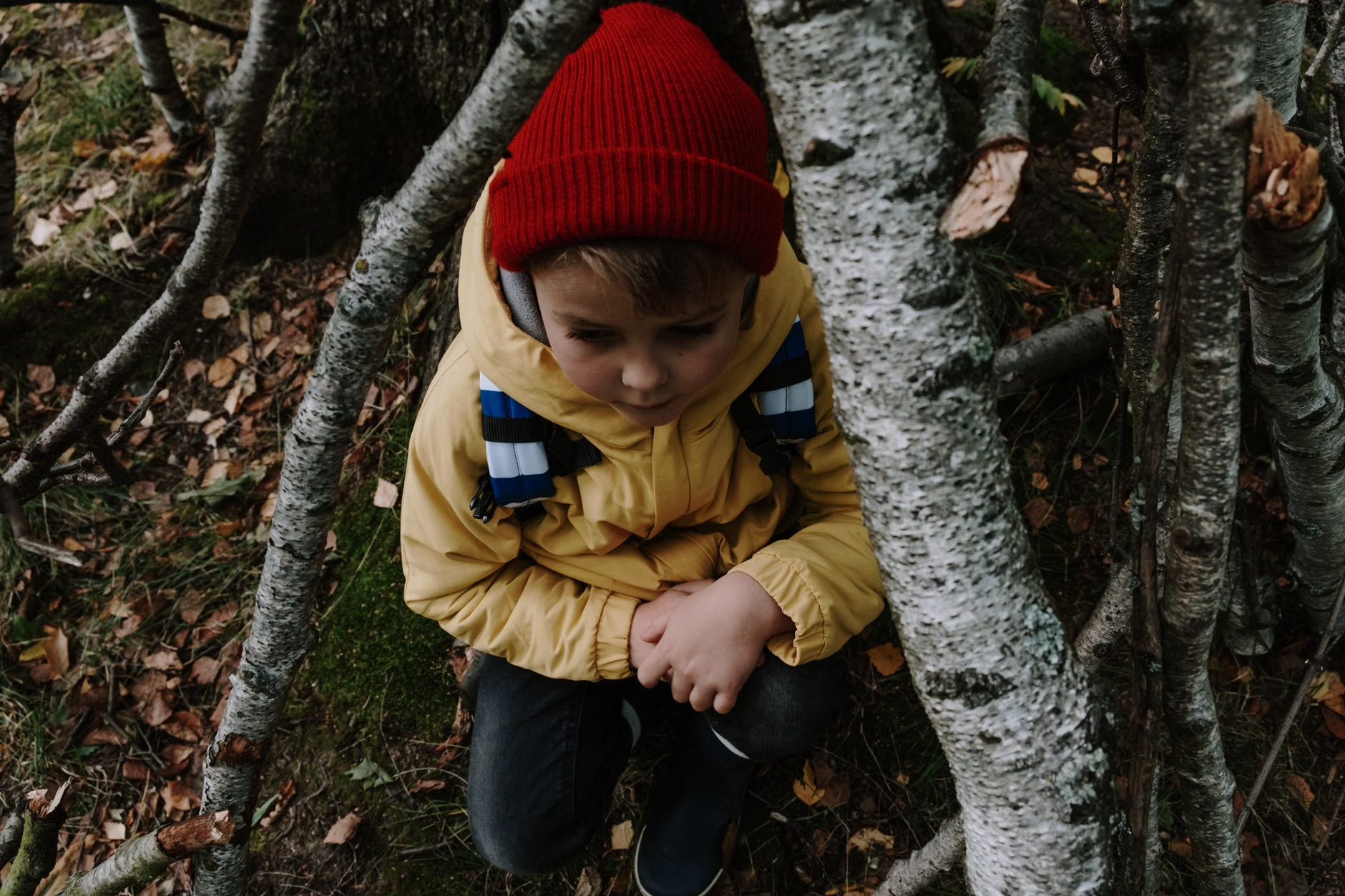
One of the biggest mistakes parents make is over-purchasing. You don’t need five different jackets for different weather conditions. You need a modular system. By utilizing the “three-layer” rule, you can cover almost any climate with a handful of high-quality pieces.
1. The Base Layer (Moisture Management): This is the layer against the skin. Avoid cotton at all costs; it holds moisture and makes children cold when they sweat. Look for merino wool or high-quality synthetic blends that wick sweat away. Merino is naturally odor-resistant, meaning you don’t have to wash it as often, which preserves the fabric fibers.
2. The Mid-Layer (Insulation): This layer traps body heat. A high-quality fleece or a thin synthetic “puffy” jacket works wonders. These should be lightweight enough to layer under a shell but warm enough to wear on their own during chilly autumn afternoons.
3. The Outer Shell (Protection): This is your investment piece. It should be windproof and waterproof. Look for a “breathable” membrane (like Gore-Tex or similar proprietary tech) so your child doesn’t get clammy inside. A good shell acts as a shield against rain, wind, and snow, keeping the inner layers dry.
By focusing on these three categories, you stop buying “filler” clothing that doesn’t perform. If you are in a colder climate, you simply add a warmer mid-layer. If you are in a wet, moderate climate, you prioritize a high-quality shell. This modular approach is the cornerstone of slow fashion for kids.
The Economics of Resale: Why Your Gear is an Asset
When you buy “fast” gear, it has zero resale value because it is likely worn out by the time your child outgrows it. When you buy “slow” gear from reputable outdoor brands, you are buying an asset. Many of these brands hold their value exceptionally well on secondary markets like Vinted, Poshmark, or specialized gear-swapping groups.
Think of your purchase as a “rental” rather than a cost. If you buy a high-quality snowsuit for $120 and sell it two years later for $60, your total expenditure is $60. If you buy a budget snowsuit for $50 that falls apart and cannot be resold, your total expenditure is $50, but you have had a worse experience, more waste, and higher frustration. The small difference in initial cost is easily offset by the return on investment (ROI) at the end of the product’s life cycle.
Pro Tip: When buying, always keep the original tags and care instructions. If you plan to resell, keeping the item in good condition is easier if you follow the manufacturer’s washing guidelines—specifically, using technical fabric washes instead of standard detergent, which can strip away waterproofing coatings over time.
Maintenance: The Forgotten Art of Gear Care
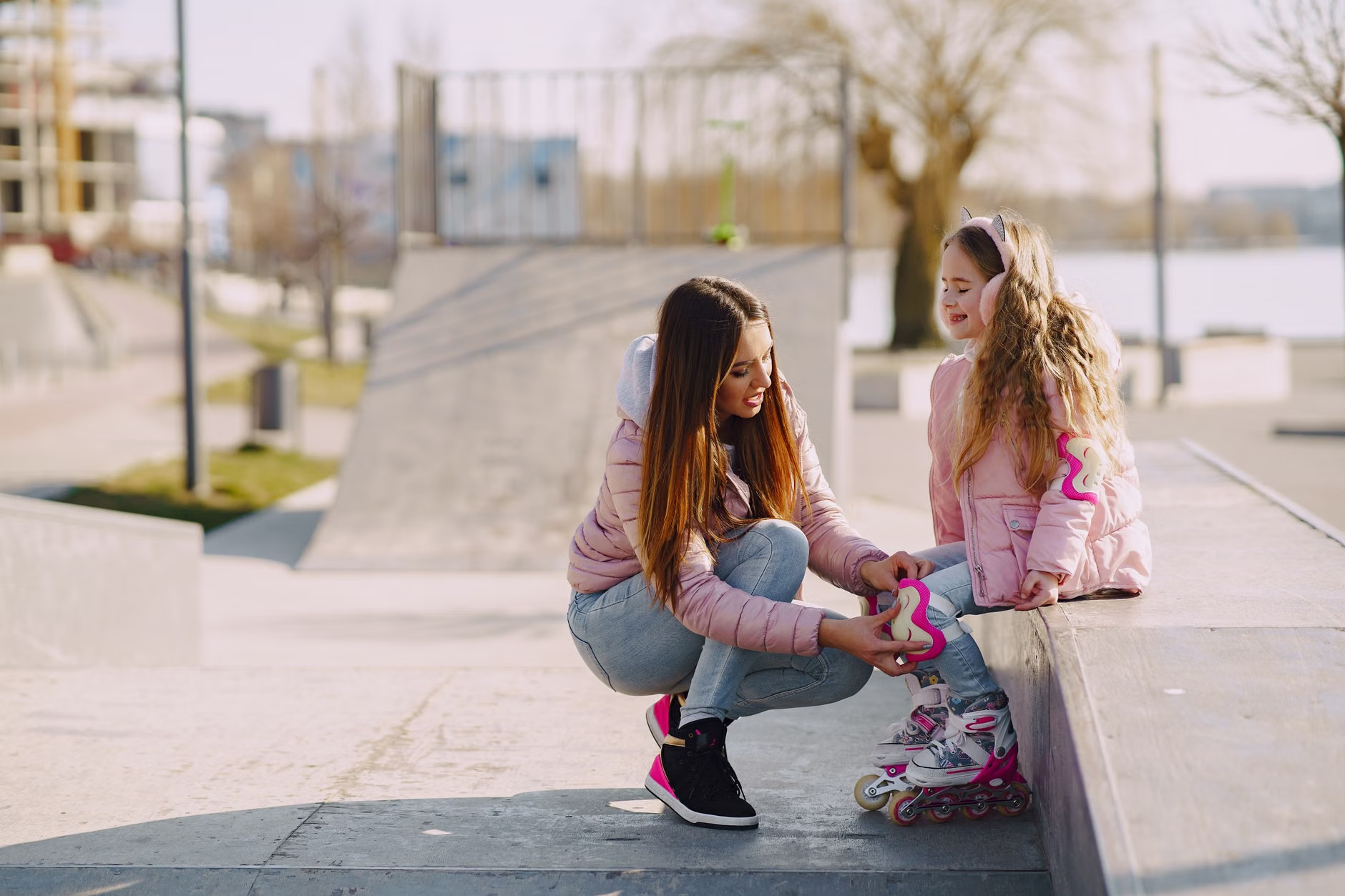
Slow fashion isn’t just about buying better; it’s about maintaining better. Most outdoor gear fails because it is washed incorrectly. Standard laundry detergents contain surfactants that can clog the pores of breathable membranes and strip off the DWR (Durable Water Repellent) coating that causes rain to bead up on the surface of the fabric.
To keep gear in peak condition, follow these three rules:
- Use Technical Washes: Buy a dedicated cleaner for technical outdoor gear. It’s a small investment that prevents the fabric from losing its performance.
- Re-apply DWR: If you notice water soaking into the fabric rather than beading, it’s time to re-apply a DWR spray. This is a simple, ten-minute process that makes an old jacket perform like it just came out of the box.
- Don’t Over-wash: Unless it is caked in mud, a quick spot-clean with a damp cloth is often enough. Frequent machine washing is the enemy of longevity, no matter how good the quality is.
If a small tear occurs, do not throw the item away. Most outdoor gear is incredibly easy to repair. Adhesive patches (often called “gear tape”) can seal a hole in seconds and are surprisingly rugged. Learning to perform these small repairs is not only a practical life skill but also a great lesson to teach your children about the value of the items they own.
Addressing Common Misconceptions
There is a common belief that sustainable gear is “too expensive” for the average family. While the upfront cost is higher, the “cost-per-wear” is almost always lower. Another misconception is that durable gear is “heavy” or “stiff.” Modern fabric technology has come a long way; today’s high-quality shells are often lighter and more flexible than their cheaper, plastic-heavy counterparts.
Furthermore, don’t feel pressured to buy everything brand new. The most sustainable item is the one that already exists. Checking local consignment shops or online marketplaces for high-end gear is a fantastic way to access quality at a fraction of the retail price. Often, you can find gear that has been used for only one season because the previous child grew out of it quickly.
It is important to note that environmental standards for outdoor clothing vary by region. In the European Union, there is a strong push toward “Extended Producer Responsibility” (EPR), where companies are increasingly held accountable for the end-of-life of their products. This has led many European outdoor brands to offer repair services or take-back programs. If you are based in Europe, look for brands that offer these services—it is a huge indicator of their commitment to durability.
In North America, the market is more focused on the resale economy. Major retailers and brands have launched their own “pre-loved” platforms, where they buy back and refurbish their own used gear. This is a great place to start your slow-fashion journey, as you get the brand’s quality guarantee on a pre-owned item.
Regardless of where you live, check the brand’s website for a “sustainability” or “care” section. If they provide detailed guides on how to repair their gear or offer a lifetime warranty on zippers and seams, they are a brand worth your loyalty. If they don’t, be cautious—they may be prioritizing profit over product longevity.
Final Thoughts: A Shift in Mindset
Adopting a slow-fashion mindset for your children’s outdoor gear is about more than just clothing; it is about teaching our children that things have value, that they deserve care, and that we have a responsibility to be thoughtful consumers. It removes the cycle of “replace and regret” and replaces it with a system of “maintain and enjoy.”
Start small. The next time you need a new jacket or pair of boots, don’t rush to the nearest discount store. Take an extra twenty minutes to research a brand known for durability, look for a second-hand option, or check the repairability of the item. Your future self—and your bank account—will thank you.
Frequently Asked Questions
1. How do I know if an outdoor brand is truly durable or just marketing “sustainability”?
Look for concrete evidence of longevity. Do they offer a repair service? Do they have a lifetime warranty on hardware (zippers/buttons)? Do they publish a guide on how to re-waterproof their fabrics? Marketing “sustainability” often focuses on recycled materials, which is good, but durability is the ultimate form of sustainability. If a company doesn’t stand behind the repairability of their product, the “recycled” label won’t stop it from ending up in a landfill in six months.
2. Is it really worth buying expensive gear if my child is going to outgrow it in six months?
Yes, specifically because of the resale value. A $100 high-quality jacket can often be resold for $50–$60, making your net cost $40–$50. A $30 budget jacket has a resale value of near zero. You are paying a similar amount for a superior product that is more comfortable, more protective, and better for the environment. The key is to treat the item like an asset you are holding for a short time, not a disposable commodity.
3. What should I do if my child destroys their gear despite it being “durable”?
Even the best gear can succumb to a sharp rock or a playground accident. This is where “gear tape” (adhesive fabric patches) becomes your best friend. Most outdoor brands sell these or have a guide on their website for how to use them. They are waterproof, flexible, and virtually invisible. Treating a small tear immediately prevents it from becoming a large, unfixable rip, effectively saving the garment from the trash.
Official Resources for Further Research: