Regenerative landscaping is the smartest way to stop fighting your backyard and start working with it, turning high-maintenance lawns into self-sustaining ecosystems that actually save you money and time in the long run.
- Shift from extraction to restoration: Instead of fighting nature with chemicals and constant mowing, regenerative landscaping builds soil health and biodiversity to manage itself.
- Slash your maintenance costs: By replacing resource-heavy grass with native groundcovers and perennials, you eliminate the need for expensive fertilizers, pesticides, and excessive water bills.
- Practical scalability: You don’t need to tear up your entire yard; starting with “micro-habitats” or a single native garden bed can yield immediate benefits for local wildlife and soil moisture retention.
If you are like most parents in their 30s and 40s, your Saturday mornings are currently a tug-of-war between “family time” and “lawn maintenance.” You know the routine: mow, edge, trim, fertilize, repeat. You are essentially paying to maintain a biological desert that requires constant inputs just to stay green. But there is a growing movement—regenerative landscaping—that suggests the best way to have a beautiful yard is to stop trying to control it so aggressively.
This isn’t just about “going green” or aesthetic preference; it is about infrastructure. When you look at your yard as a piece of property that can either drain your bank account or provide ecosystem services—like natural cooling, water filtration, and carbon sequestration—the math changes. Let’s break down how this works for the suburban family.
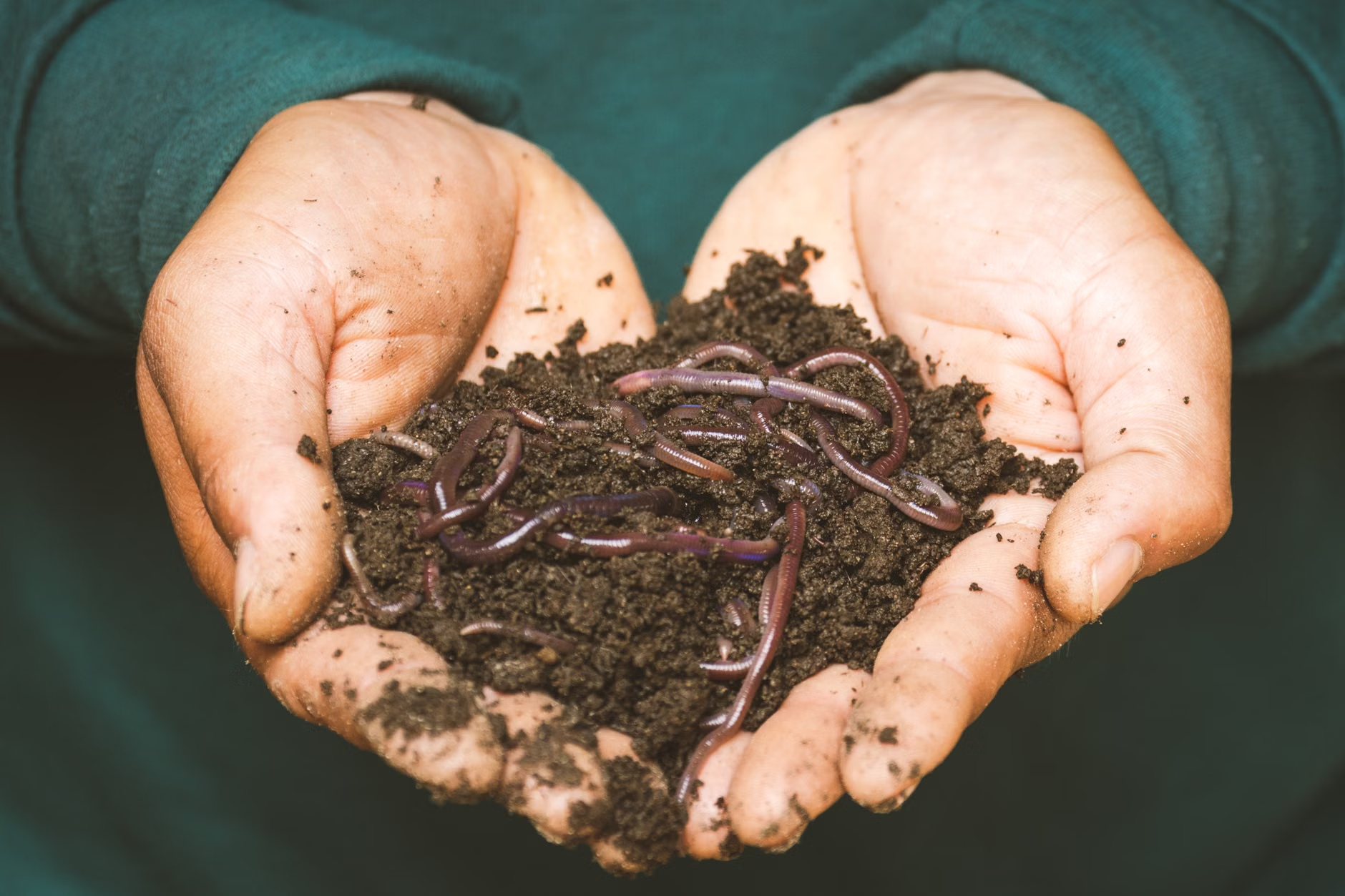
Moving Beyond the ‘Perfect’ Lawn: What Regenerative Landscaping Actually Means
At its core, regenerative landscaping is about mimicking natural ecological processes. In a conventional suburban lawn, we treat the ground as a flat, uniform surface. We add chemical fertilizers to force growth, use pesticides to kill anything that isn’t grass, and use irrigation to keep that grass alive during droughts. It is a system that requires constant energy input from you.
Regenerative landscaping flips this. Instead of asking, “How can I make this grass grow?”, you ask, “What is this land trying to do?” If your backyard is prone to flooding, you add rain gardens. If your soil is depleted, you use cover crops or mulch to build organic matter. You are essentially building a system that manages its own water, fertility, and pest control.
For a parent with a busy schedule, this is a massive shift. The goal is to reach a “low-input” state. Once established, native plants don’t need fertilizer. They don’t need frequent watering because their root systems are deep—often 5 to 10 feet down, compared to the 2-inch roots of a standard turf grass. This is why a regenerative yard thrives when your neighbor’s lawn turns brown during a July heatwave.
The Financial and Practical Trade-offs: Why It Matters for Your Household
Let’s talk about the elephant in the room: cost and time. There is a common misconception that changing your landscaping requires a massive upfront investment. While you *can* hire a design firm to redo everything, it is rarely the best way to start. The most effective approach for a family is a phased transition.
Consider the “lawn-to-meadow” conversion. Maintaining a traditional 5,000-square-foot lawn costs hundreds of dollars annually in gas for the mower, fertilizer, weed killer, and water. A regenerative approach involves replacing sections of that lawn with native perennials. The initial cost of plants is higher than grass seed, but the “return on investment” comes in year two and beyond through reduced maintenance hours and lower utility bills.
Comparing Maintenance Profiles
| Feature | Traditional Lawn | Regenerative Landscape |
|---|---|---|
| Watering | High (essential in summer) | Low (mostly self-sufficient) |
| Chemicals | High (fertilizers/pesticides) | Zero to minimal (compost only) |
| Time Commitment | Weekly (mowing/edging) | Seasonal (pruning/mulching) |
| Biodiversity | Negligible | High (pollinators/birds) |
The trade-off here is patience. A new garden bed takes time to “knit” together. You will have to deal with weeds in the first season while the native plants establish their root systems. However, once they do, they effectively crowd out weeds, which is the ultimate labor-saving mechanism.

Step-by-Step: How to Start Without Overhauling Your Entire Yard
Do not feel pressured to convert your entire backyard in one weekend. That is how people get overwhelmed and end up with a mess. Start with a “pilot area.” A 10×10 foot patch is plenty to learn the ropes.
- Observe the Water Flow: During the next heavy rain, go outside and watch where the water travels. Does it pool near the foundation? Does it run off the patio and into the street? This is where your first regenerative project should be—a rain garden or a swale (a shallow, planted trench) to capture that runoff.
- Test Your Soil: You don’t need a fancy lab. Dig a hole, look at the composition. Is it heavy clay? Is it sandy? Knowing this helps you choose plants that will thrive without you having to “fix” the soil structure with synthetic additives.
- Choose Native Species: This is the golden rule. Native plants—those that have evolved in your specific region over thousands of years—are already adapted to your local climate, rainfall, and pests. They are the “set it and forget it” option of the plant world.
- Sheet Mulching: If you want to get rid of a patch of grass, don’t dig it up. Use “sheet mulching” (also known as lasagna gardening). Lay down cardboard over the grass, wet it, and cover it with a thick layer of organic mulch or compost. The grass dies, the soil gets healthier, and you don’t break your back digging.
Common Pitfalls and How to Avoid Them
The most common mistake is “over-planting.” We often buy tiny plugs or small pots and space them too far apart, leaving huge gaps that weeds love to fill. Instead, research the “mature size” of your plants and space them accordingly. A little bit of bare soil is okay, but you want the plants to touch when they reach full size.
Another pitfall is the “clean garden” trap. Many of us are conditioned to rake up every leaf and cut back every stalk in the autumn. In a regenerative system, those leaves are “free gold.” They provide insulation for the soil and habitat for beneficial insects. Leave the leaves in your garden beds. It looks a bit wilder, but your plants will be much stronger for it in the spring.
Finally, avoid the “native plant” myth. Just because a plant is native doesn’t mean it will grow anywhere. A plant native to a wetland will die in a dry, sunny corner of your yard. Always check the specific light and moisture requirements for every plant you buy.
The Hidden Benefit: Creating an Outdoor Classroom for Kids
We often forget that our backyards are the primary way our children interact with the natural world. A sterile lawn offers little stimulation. A regenerative backyard, however, is a living laboratory. When you plant native flowers that attract butterflies, bees, and birds, you are giving your children a front-row seat to the life cycle of pollinators.
This isn’t just “educational.” It changes how they play. Instead of running back and forth across a flat field of grass, they start looking for bugs, observing bird nests, and learning that “weeds” are often just wildflowers that haven’t been given a chance. It fosters a sense of stewardship that is hard to teach in a classroom.
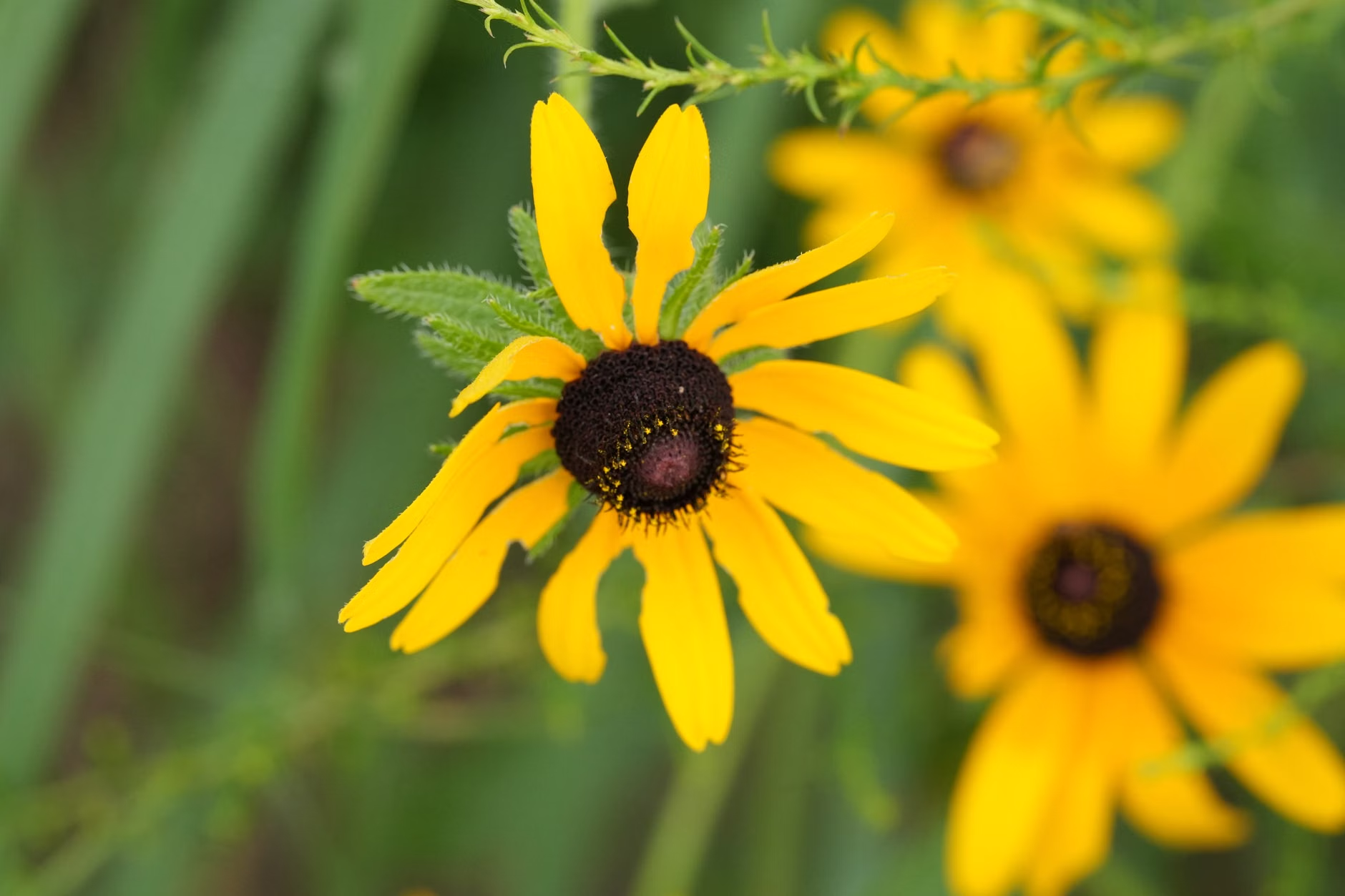
Managing Expectations: The ‘Wild’ Aesthetic
One of the biggest hurdles for homeowners is the shift in aesthetics. We have been trained to think that “tidy” equals “good.” A regenerative landscape will look different. It will have varying heights, textures, and seasons of bloom. In the winter, it will look brown and dormant—which is exactly what it should look like.
If you have a Homeowners Association (HOA) or specific neighborhood standards, you can still participate in this trend. Use “edges.” A native garden bed with a clean, mown grass border looks intentional and well-maintained, even if the center is a wild, biodiverse meadow. This “frame” tells the world that the untidiness is a choice, not a lack of effort.
Also, keep your paths clear. A well-defined stone or wood-chip path through a wild garden makes the whole space feel like a destination rather than a neglected patch of weeds. The contrast between the “managed” path and the “wild” garden is one of the most beautiful aesthetics in modern landscape design.
Deepening Your Knowledge: Resources and Next Steps
To dive deeper, look for local resources rather than national ones. Your regional university extension office is often the best source of information. They have lists of plants that are specifically “native” to your state or province, which is much more accurate than a general gardening book you might pick up at a big-box store.
For those interested in the technical side of soil health, look into the concept of the “Soil Food Web.” It explains how bacteria, fungi, and protozoa interact to make nutrients available to plants. Understanding this will stop you from ever buying a bag of synthetic chemical fertilizer again—why pay for chemicals when you can support the biology that does the work for free?
If you want to read more about the philosophy behind this, I highly recommend looking into the work of Douglas Tallamy, particularly his research on the “Homegrown National Park” initiative. It provides a compelling, evidence-based argument for why our backyards are the most important pieces of land for biodiversity in the country.
Check these resources for your local planning:
- Homegrown National Park: A great resource for understanding how your individual yard contributes to a larger ecological network.
- National Wildlife Federation – Garden for Wildlife: Practical guides for creating habitats that attract specific local species.
- Pollinator Partnership: Excellent region-specific planting guides to help you choose the right flowers for your local bees and butterflies.
Final Thoughts: Taking the First Step
The transition to a regenerative backyard is not about perfection. It is about shifting your mindset from being the “manager” of a static lawn to the “steward” of a living space. You don’t need to do it all today. Start by identifying one area of your yard that you don’t actually use—a corner that is just “there”—and start the process of converting it.
The beauty of this approach is that it is forgiving. If a plant dies, you learn why and try something else. If a section looks too wild, you prune it back. You are in control, but you are finally allowing nature to do the heavy lifting. Your wallet will appreciate the reduced maintenance costs, your local ecosystem will benefit from the new habitat, and you might just find that you have a little more time on those Saturday mornings to actually enjoy your backyard.
Frequently Asked Questions
1. Will a regenerative yard attract more pests, like mosquitoes or snakes?
Actually, it is usually the opposite. A balanced ecosystem attracts predators—like dragonflies, frogs, and birds—that eat the pests you don’t want. Mosquitoes breed in stagnant water, so as long as you aren’t leaving buckets of standing water around, a healthy, diverse garden will likely have fewer “nuisance” insects than a stagnant, chemically-treated lawn.
2. Can I maintain a regenerative yard if I have an HOA?
Yes, but it requires a bit of “framing.” Use clear edges, such as stone borders, mown grass pathways, or short fences, to show that the garden is intentionally designed. Keeping the front edge of your garden beds tidy and planting a few familiar, non-invasive perennials near the street side can help your neighbors see the space as a “designed garden” rather than an unkempt patch.
3. How long does it take for a regenerative landscape to become self-sustaining?
It generally takes two to three growing seasons. The first year is for root establishment, the second year is for growth and filling in, and by the third year, the plants are usually established enough to suppress most weeds and handle normal weather fluctuations without extra watering or fertilizer. Think of it as a three-year investment in a lower-maintenance future.