For children who struggle with sensory processing or high-stimulation environments, the traditional “theme park vacation” often results in meltdowns rather than memories. Agritourism—the practice of visiting working farms for educational or recreational purposes—offers a deliberate, low-stimulation reset that aligns with the biological needs of sensitive children by replacing artificial noise with predictable, tactile, and rhythmic natural experiences.
- Predictability regulates the nervous system: Farm life follows natural, repetitive cycles (feeding, milking, harvesting) that provide a calming structure compared to the chaotic unpredictability of urban tourism.
- Tactile engagement reduces anxiety: Direct interaction with soil, animals, and plants provides “heavy work” and grounding sensory input that can help regulate kids with sensory processing sensitivities.
- The “Slow Travel” advantage: Agritourism inherently discourages back-to-back scheduling, forcing a slower pace that benefits both the child’s nervous system and the parents’ stress levels.
Why Sensory-Sensitive Kids Need a Farm-Based Reset
If you have a child who becomes overwhelmed by flashing lights, loud music, or the constant “hurry up” of modern travel, you know that the standard vacation itinerary is often a recipe for disaster. For these children, the world is physically louder and brighter. When we take them to crowded resorts, we are asking them to process an impossible amount of data, which inevitably leads to a “sensory overload” shutdown.
Agritourism functions differently. It is not about consumption; it is about participation. In a research context, this is often referred to as “nature-based intervention.” When a child is on a farm, the sensory input is consistent: the smell of damp earth, the rhythmic sound of wind in the trees, and the low-frequency hum of animal life. These inputs are “low-arousal,” meaning they don’t trigger the fight-or-flight response that high-stimulation environments do.
For a parent in your 30s or 40s, this shift in environment isn’t just about the child. It’s about your own ability to decompress. When your child is regulated, you are not constantly managing a crisis. This creates a feedback loop: a calmer child leads to a calmer parent, which in turn creates an even more soothing environment for the child. It is the ultimate reset button for a family currently living in a state of high-alert parenting.
Evaluating the Environmental Factors: Why Not All Farms Are Equal
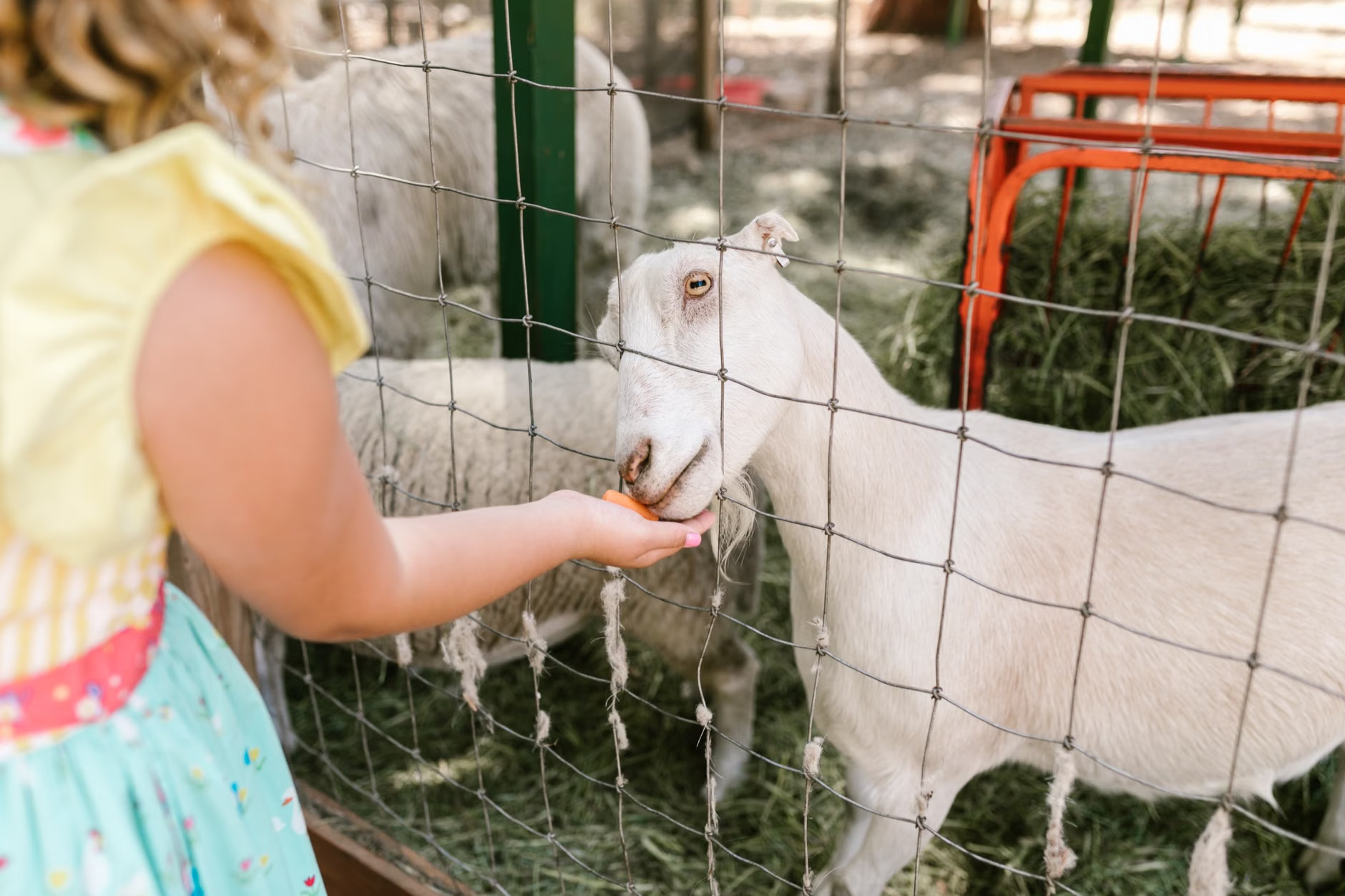
Not every farm is a “therapeutic” experience. Some commercial agritourism operations are essentially “petting zoos” with long lines, loud loudspeakers, and overpriced snack kiosks. These venues can be just as overstimulating as a shopping mall. To truly achieve a reset, you must look for specific attributes in a farm stay or visit.
When searching for a location, prioritize farms that focus on primary production—meaning they are active farms first and visitor attractions second. These locations are usually quieter, less crowded, and more authentic. You want a place where your child can observe a process from start to finish, such as gathering eggs in the morning or helping to weed a small garden plot.
Consider the following table when evaluating potential sites:
| Feature | Ideal for Sensory Reset | Avoid (High Stimulation) |
|---|---|---|
| Daily Activity | Consistent, predictable routines (feeding, weeding) | Random, high-energy events or shows |
| Visitor Capacity | Small, limited group sizes | Mass tourism, ticketed hourly crowds |
| Noise Level | Natural sounds, minimal amplification | Loud music, PA systems, crowd noise |
| Engagement | Hands-on, slow, tactile tasks | Passive observation behind glass/fences |
The goal is to find a location that offers “low-stakes participation.” This means the child can engage when they feel comfortable but can retreat to a quiet, natural space if they feel overstimulated. A farm that offers private or family-unit stays is significantly better than one that forces group tours. The ability to control your own schedule is the most important variable for a sensitive child’s success.
The Science of “Heavy Work” and Why It Matters
You may have heard occupational therapists talk about “heavy work.” In the context of sensory processing, this refers to activities that provide proprioceptive input—the sense of where our body is in space. For sensitive kids, this input is incredibly grounding. It helps them feel “contained” and secure within their own skin.
On a farm, heavy work is naturally built into the environment. Carrying a small bucket of feed, pushing a wheelbarrow, or even pulling weeds involves the kind of resistance and muscle engagement that helps reorganize a dysregulated nervous system. Unlike a playground, where the stimulation is often vestibular (swinging, sliding, spinning), farm work is calming and focused.
If your child is having a “big” moment, redirecting them to a task—even a small one like carrying a bag of grain—can be a surprisingly effective way to help them regain control. It is not a punishment; it is a sensory bridge back to reality. It pulls them out of their head and into their body, grounding them in the physical weight of the task at hand.
Planning Your Trip: A Step-by-Step Strategy
Planning a trip for a sensitive child requires a different mindset. You aren’t “packing in” as much as possible; you are “stripping away” as much as necessary. Follow this four-step framework to ensure your agritourism experience is a success.
1. Vet the Accommodation for Sensory Needs
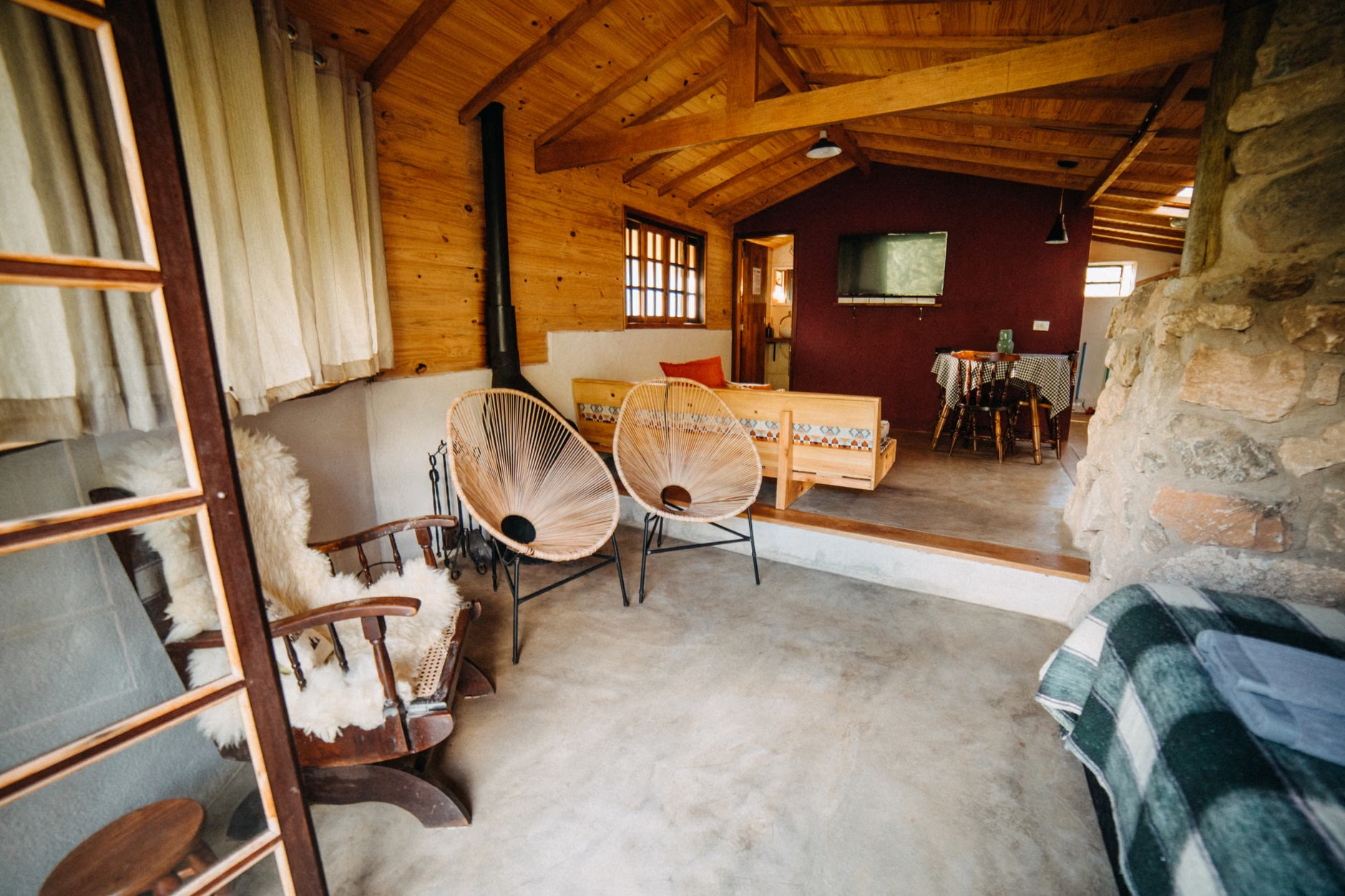
Look for “farm stays” that offer private, self-contained units. Avoid communal living spaces where you cannot control the noise level or the social environment. Check the listing for photos of the interior—is it minimalist or cluttered? A room with too many decorations and bright colors can be taxing. If you are staying in a rural area, confirm the distance to the nearest major road to ensure you won’t be kept awake by traffic noise, which is a common, overlooked stressor.
2. Establish the “Slow-Start” Rule
Upon arrival, do not start with an activity. Let your child spend the first 2-4 hours simply existing in the space. Let them sit on the porch, walk to the fence, or watch the animals from a distance. This “acclimatization period” is vital. It allows their nervous system to map the new environment without the pressure of having to perform or participate. If they feel safe, they will naturally move toward engagement on their own terms.
3. Create a Visual Schedule
Even if your child is older, a simple, handwritten list of what to expect helps reduce anxiety. Knowing that “Morning = Feed the chickens” and “Afternoon = Reading time” provides a sense of agency. When a child knows what is coming, they don’t have to spend their mental energy worrying about the unexpected. For a sensitive child, uncertainty is the enemy of calm.
4. Pack the “Sensory Toolkit”
Even on a farm, there will be sensory triggers. Pack your child’s favorite noise-canceling headphones for travel or moments of high activity, a weighted blanket for sleep, and a familiar sensory toy. Think of these not as “crutches,” but as essential gear, like hiking boots or a raincoat. They are tools that allow your child to access the environment safely.
Common Misconceptions About Nature Therapy
A common mistake parents make is assuming that “nature is inherently relaxing.” While nature is a powerful tool, it can also be unpredictable. Insects, weather changes, and uneven terrain are all sensory inputs that can trigger a sensitive child. The key is to prepare for the “nature” part of the farm. If your child is sensitive to textures, ensure you bring appropriate clothing that doesn’t itch or bind. If they are sensitive to insects, have a plan for bug management that doesn’t involve harsh chemical smells that might trigger their olfactory sensitivity.
Another misconception is that the child *must* participate in farm chores to get the benefit. This is false. Simply being present in an environment where things grow at a natural pace is enough. If your child refuses to touch the animals or help with the garden, do not push it. The “reset” happens through observation and presence, not through forced productivity. Let them be the “observer” for as long as they need.
Hidden Costs and Trade-offs
The biggest trade-off with agritourism is convenience. You are often trading the 24/7 service of a hotel for the isolation of a farm. This means you will likely be responsible for more of your own meals and logistics. For parents in their 30s and 40s, this can feel like “more work.” However, the trade-off is the reduction in parental burnout. When you aren’t fighting crowds at a buffet or managing a child in a high-stimulation lobby, you are actually saving energy. The “work” is different—it’s quieter, more domestic, and significantly less frantic.
Additionally, be aware of the “off-grid” factor. Many high-quality agritourism sites are intentionally low-tech. Ensure you have clear expectations about Wi-Fi access or cellular service if you need to stay connected for work or emergencies. Always verify the status of these amenities before you book, rather than assuming they will be available.
Final Recommendations for a Successful Stay
The goal of the agritourism reset is to recalibrate your family’s baseline. If you return home feeling less “on edge” than when you left, the trip was a success. Keep your expectations low and your flexibility high. If a planned farm activity turns into a disaster, abandon it immediately. There is no prize for finishing the itinerary. The prize is the quiet moment you found by the fence, the slow pace of the morning, and the absence of the constant, frenetic hum of modern life.
Start by identifying one or two local farms that offer “farm stays” or “open farm” days. Reach out to the hosts and be honest about your child’s needs. A good host will tell you immediately if their farm is a good fit. They want you to have a positive experience, and they know their property better than anyone. This pre-trip communication is often the difference between a stressful outing and a transformative family reset.
For more information on the benefits of nature-based activities for child development, you can review resources from the Children & Nature Network (https://www.childrenandnature.org), which provides extensive evidence on how green time supports emotional regulation.
Frequently Asked Questions
1. My child is afraid of large animals. Can we still enjoy an agritourism trip?
Absolutely. You do not need to interact with large livestock to benefit from the farm environment. Look for farms that focus on vegetable gardens, orchards, or small-animal sanctuaries (like chickens or rabbits). The primary goal is the natural, slow-paced environment, not the interaction with specific animals. You can maintain a comfortable distance and still enjoy the sensory benefits of the outdoors.
2. How long should an agritourism trip last to be effective?
For a true “reset,” aim for at least three to four days. A single day is often too short because the first day is usually spent in transition—traveling, unpacking, and getting used to the new sensory landscape. By the second or third day, your child’s nervous system will likely settle into the rhythm of the farm, which is when the real benefits of the “reset” begin to show.
3. What if the weather turns bad? Does that ruin the “reset”?
Bad weather is actually a great opportunity for a different kind of sensory experience. Rain, wind, and clouds change the sensory landscape completely. As long as you are prepared with appropriate gear (rain boots, waterproof jackets), you can turn a rainy day into a cozy indoor experience in the cabin or a short, interesting walk in the mud. The key is to avoid “forcing” the outdoor experience. If the weather is truly harsh, embrace the “cabin-time” and focus on slow, quiet activities like reading or drawing.
Note: This guide is intended for informational purposes and does not replace professional medical or therapeutic advice for children with severe sensory processing disorders. Always consult with your pediatrician or occupational therapist if you are unsure about whether a specific environment is appropriate for your child’s unique needs.