- The Carbon Border Adjustment Mechanism (CBAM) is essentially a “carbon tariff” designed to make imported goods pay the same pollution price as locally made ones, which will likely lead to higher shelf prices for consumers.
- Impact is sector-specific: You will feel the pinch first in industries like steel, aluminum, cement, fertilizers, and electricity, which eventually filters into the cost of home renovations, appliances, and even food prices.
- Long-term adaptation: To mitigate the impact, look for local alternatives or products with lower carbon intensity, as companies are being forced to shift their manufacturing processes to avoid these new border costs.
If you have noticed that the price of certain household appliances, imported construction materials, or even some processed food items seems to be creeping up, you aren’t just imagining it. While inflation is a common culprit, there is a new, complex player in the global trade game: the Carbon Border Adjustment Mechanism (CBAM).
For those of us in our 30s and 40s balancing school runs, mortgage payments, and the ever-shifting cost of living, this sounds like another piece of bureaucratic jargon. However, it is a significant shift in how the world trades, and it has a direct line to your wallet. Think of it as a “pollution tax” that travels across borders. When companies import goods from countries that don’t regulate carbon emissions as strictly as the EU or other pioneering regions, they now have to pay a fee to “level the playing field.”

What Exactly Is the ‘Carbon Border’ Tax?
At its core, the CBAM is a regulatory tool. Historically, European manufacturers have faced strict rules and costs related to their carbon emissions. If you run a factory in Germany, you pay for the carbon you emit. If a competitor in a country with looser environmental laws produces the same steel or cement for much cheaper because they don’t pay for their pollution, the German manufacturer loses out. This is called “carbon leakage”—the risk that businesses will move their production to countries with laxer rules.
The CBAM fixes this by applying a carbon price to imports. When an item enters the customs zone, the importer must declare the carbon emissions associated with its production. If those emissions haven’t been “paid for” in the country of origin, the importer pays the difference. For the average family, this means that the “cheap import” model is slowly becoming more expensive.
Why does this matter to you? Because global supply chains are deeply interconnected. Even if you aren’t buying raw steel, the price of your new kitchen cabinets, the framing for your home extension, or the energy used to manufacture your dishwasher is linked to these raw materials. When the cost of importing increases, that cost is almost always passed down the chain to the final consumer.
Which Household Items Are Most Likely to See Price Hikes?
The current rollout of these taxes doesn’t apply to everything at once. It is targeting the “heavy hitters” of industrial production. However, these materials are the building blocks of modern life. Here is how this breaks down in your daily life:
| Sector | Household Impact | Estimated Timeline |
|---|---|---|
| Steel & Iron | Appliances, cars, home tools, furniture frames. | Already in transition phase. |
| Aluminum | Window frames, kitchenware, electronics housing. | Phased implementation ongoing. |
| Cement | Home renovations, driveway paving, home builds. | Active. |
| Fertilizers | Indirect impact on fresh produce and garden costs. | Active. |
When you look at this table, the impact isn’t immediate on your grocery bill, but it is very real for long-term investments. If you are planning a home renovation, expect to see the price of raw materials fluctuate as the market adjusts to these new carbon costs. It is not just about the tax itself; it is about the cost of compliance that manufacturers have to bake into their product prices.
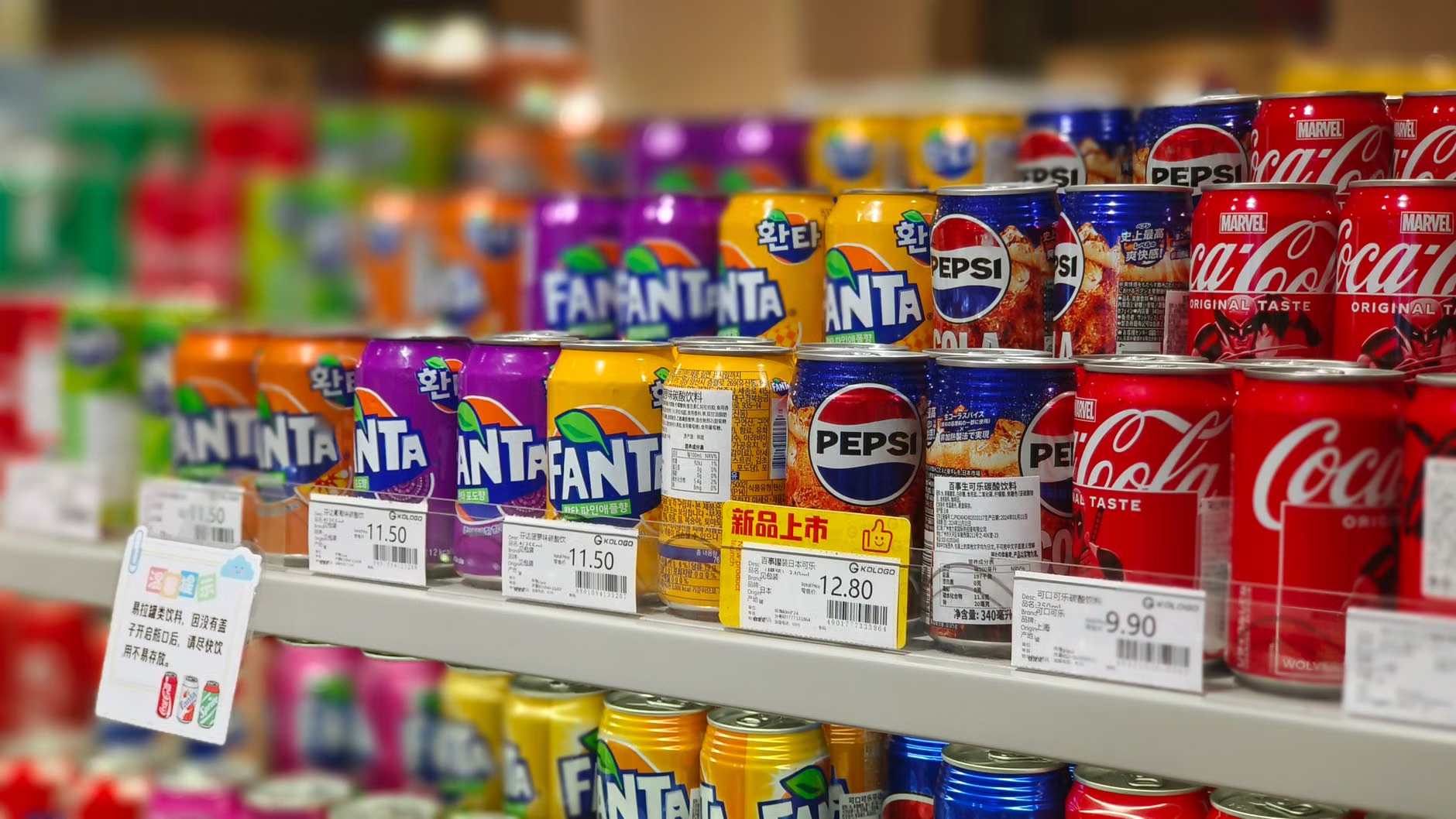
The Hidden Logic: Why Your Choices Matter More Now
One of the biggest misconceptions is that this tax is purely about raising revenue for governments. In reality, it is a market-shaping mechanism. The goal is to force manufacturers globally to lower their carbon footprint. If a factory in an exporting country can transition to green energy, they won’t have to pay the “carbon penalty” when their goods arrive at the border. This makes them more competitive.
For a parent in their 30s or 40s, this changes how you look at the “best value” purchase. In the past, you might have chosen the cheapest option on Amazon or at a big-box store, assuming the quality was “good enough.” Now, you might find that the cheapest item is the one that hasn’t accounted for its environmental impact, and is therefore facing higher tariffs.
Decision Criteria for Your Household Spending:
- Check the Origin: Goods produced in regions with strong environmental regulations are less likely to see massive price spikes from these specific taxes.
- Look for Durability: Since the price of raw materials like steel and aluminum is likely to trend upward due to carbon pricing, buying high-quality, long-lasting goods becomes a better financial hedge than buying cheap, replaceable ones.
- Prioritize Local/Regional: Products manufactured closer to home often have a lower “embedded carbon” footprint simply due to logistics, and they are less exposed to cross-border carbon tariffs.
Common Mistakes When Managing Household Budgets in the ‘Green’ Era
It is easy to get caught up in the “greenwashing” trap. Many companies will market their products as “carbon neutral” or “eco-friendly” to justify higher price points, regardless of whether they have actually been impacted by the CBAM. Do not assume that a higher price tag automatically means a lower carbon footprint.
Another mistake is waiting for the “perfect” time to buy. If you are renovating, the cost of materials is unlikely to drop significantly as environmental regulations tighten globally. Instead of waiting for prices to stabilize, focus on budgeting for quality. If you buy a cheaper appliance that breaks in three years, the cost of replacing it—combined with the likely higher future prices of materials—will be far greater than investing in a more durable piece of equipment today.
Lastly, don’t ignore the electricity sector. The carbon tax on electricity imports is a massive driver for industrial costs. If your local energy provider relies heavily on imported power from non-regulated markets, your utility bills may face upward pressure that is entirely independent of your household usage. This is where investing in energy efficiency—like better insulation or smart thermostats—actually pays for itself faster than it did a decade ago.

So, how do you actually handle this? You don’t need a degree in international trade to make smart decisions for your family. Start by shifting your mindset from “lowest price today” to “lowest cost of ownership over time.”
Step 1: Audit your upcoming big-ticket projects. If you have a renovation planned, get your quotes now. Ask contractors about the source of their steel, cement, and aluminum. If they source locally, you might be buffered from the volatility of international carbon taxes.
Step 2: Focus on energy efficiency. As energy prices fluctuate due to carbon pricing, every kilowatt-hour you save is a direct shield against inflation. Switching to LED lighting, upgrading to high-efficiency appliances, and improving home insulation are no longer just “nice to haves”—they are essential financial safeguards.
Step 3: Be skeptical of price hikes. If a product price jumps, ask why. Is it inflation? Is it a supply chain issue? Or is the company simply passing on the costs of their high-carbon manufacturing? The more informed you are, the better you can choose brands that are proactively reducing their carbon footprint, which will eventually lead to more stable pricing.
The Future of Your Household Budget
The reality is that the era of “cheap, high-carbon” goods is coming to an end. This is a positive shift for the planet, but it requires a change in how we manage our personal finances. We have been accustomed to global trade being a race to the bottom in terms of cost. Now, we are entering an era where the environmental cost of production is being factored into the shelf price.
For your family, this means being more intentional about what you buy. It means valuing durability over disposability and understanding that the “hidden” cost of our lifestyle is finally showing up on the receipt. While the transition will be bumpy and potentially inflationary for certain goods, it is a necessary step toward a more sustainable global economy.
Stay informed, prioritize quality, and remember that your purchasing power is the strongest tool you have to encourage companies to adopt cleaner, more efficient practices. If you find yourself frustrated by price increases, look at it as a signal to re-evaluate your consumption habits and prioritize investments that will serve your family for the long haul.
Frequently Asked Questions
Is the Carbon Border Tax a direct tax on my household income?
No. It is a tax on imports at the industrial/wholesale level. You will not receive a “carbon tax” bill, but you will likely see the cost reflected in the final retail prices of items like construction materials, appliances, and cars.
Will this tax apply to all countries and all products?
Not yet. It currently focuses on specific high-pollution industries like steel, iron, aluminum, cement, electricity, and fertilizers. As policies evolve, the scope may expand, but it is currently targeted at sectors where the risk of “carbon leakage” is highest.
Should I stop buying imported goods to avoid these costs?
Not necessarily. Many countries are already working to align their environmental standards with the EU and others. Instead of avoiding all imports, look for brands that are transparent about their supply chain and are actively working to reduce their carbon footprint, as these are less likely to face sudden, massive price spikes from new tariffs.
For further reading on how these policies are being implemented and their official scope, you can visit the official European Commission page on Carbon Border Adjustment Mechanism (CBAM).
(Disclaimer: This article is for informational purposes and does not constitute financial or legal advice. Economic policies are subject to rapid change; please verify specific regional regulations as they pertain to your country of residence.)