- Toy swap clubs reduce household waste by up to 80% per child by circulating existing items instead of purchasing new plastic goods.
- Financial savings for a typical family in their 30s can exceed $1,000 annually when participating in consistent toy-rotation communities.
- Success in swapping depends on a “quality over quantity” rule: only exchange items you would feel comfortable gifting to a friend.
If you are a parent in your 30s or 40s, you likely know the specific, sharp pain of stepping on a stray plastic building brick in the middle of the night. Beyond the physical hazard, there is the mental load of managing an ever-growing mountain of toys that your children outgrow every six months. The ‘circular-economy’ toy swap movement is not just a trend—it is a pragmatic solution to the twin problems of domestic clutter and excessive consumer spending.
At its core, a toy swap club is a community-based system where families trade, lend, or gift toys they no longer need to other families. By shifting from a model of “buy-use-discard” to “share-circulate-reuse,” you effectively turn your living room into a library of experiences rather than a warehouse for plastic. Let’s look at how you can implement this in your own life, whether you are joining an existing group or starting your own.

The Mathematics of Toy Rotation and Why It Matters
The average household spends roughly $600 to $1,000 per year on toys per child. Most of these items are played with for less than three months before they lose their novelty. This is not just a drain on your savings; it is a significant contributor to environmental waste. Toys are often made from complex blends of plastics that are nearly impossible to recycle, meaning most end up in landfills.
When you join a toy swap, you are participating in a circular economy. In a circular system, the value of a product is maintained for as long as possible. For your family, this means you get access to “new” toys without the price tag, and your existing toys get a second life with another family. It effectively creates a high-velocity rotation system. When a toy is rotated out of your house, it is replaced by another, keeping your child’s interest piqued while keeping your home footprint small.
The Psychological Benefit of “Less is More”
Research into child development suggests that children actually play more creatively when they have fewer toys. This is often called the “Paradox of Choice.” When a child is surrounded by hundreds of toys, they often become overwhelmed and struggle to engage deeply with any single item. By swapping, you keep your toy inventory lean—perhaps 10 to 15 items at a time—which forces children to use their imagination to create new games with the pieces they have.
| Feature | Traditional Ownership | Toy Swap Club |
|---|---|---|
| Annual Cost | $600 – $1,000+ | $0 – $50 (Membership/Hosting costs) |
| Clutter Level | High / Accumulative | Low / Managed |
| Environmental Impact | High (New plastic production) | Low (Extended product lifecycle) |
| Child Engagement | Lower (Overwhelmed by choice) | Higher (Novelty through rotation) |
How to Identify or Build a High-Quality Swap Network
Not all swap groups are created equal. To get the most out of this system, you need a network that prioritizes quality and hygiene. A successful swap club functions more like a community exchange than a “dumping ground” for broken items. If you are looking to join or start a group, look for these three pillars: transparency, cleanliness, and age-appropriateness.
Step 1: Establishing the “Quality Rule”
The biggest mistake in informal swap groups is the lack of a “quality threshold.” If people feel free to offload broken, missing-part, or unhygienic toys, the group will collapse. Establish a simple golden rule: “Only trade what you would give to your best friend’s child.” If a toy has a missing piece, be honest about it. If it’s stained or cracked, it should be recycled or discarded, not swapped.
Step 2: Choosing Your Platform
You don’t need a fancy app to start. Many successful groups use simple tools:
- WhatsApp or Signal Groups: Ideal for small neighborhood clusters. You can post photos of toys and wait for a “claim.”
- Facebook Groups: Best for slightly larger communities. Use the “Album” feature to categorize by age group (e.g., 0-12 months, 1-3 years).
- Google Sheets: For more organized groups, a shared spreadsheet can track who has which high-value item (like a wooden kitchen or a balance bike), effectively creating a “lending library” model.
Step 3: Managing the Logistics
Set a physical location for swaps. If you are meeting in person, a local park or a community center room is perfect. If you prefer a contactless approach, a designated “porch drop-off” system works well for neighbors. Always ensure that the person receiving the item has the chance to inspect it before the final trade is confirmed.
Avoiding the Hidden Traps: Common Misconceptions
One common misconception is that swapping is only for “budget-conscious” parents. In reality, many affluent families participate because they value the environmental benefits and the reduced clutter. However, there are logistical realities you must manage to avoid frustration.
The “Missing Piece” Problem: Toys like puzzles or building blocks often lose pieces. Your protocol should be: “If you take a game, you accept the risk of a missing piece.” If the item is a complex set (like a train set), verify the inventory before the swap. A simple checklist or photo of the contents inside the box helps immensely.
Hygiene Standards: We live in a world where germs are a constant concern. Always wipe down plastic toys with a mild, non-toxic disinfectant before a swap. For plush toys, ensure they are machine washable and have been recently laundered. If a toy cannot be easily cleaned (like a soft, porous stuffed animal), it is usually best to avoid including it in a public swap unless you are certain of the origin.
The “Keep vs. Loan” Distinction: Decide early on if your group is a “permanent swap” or a “lending library.” In a permanent swap, once you give it away, it’s gone. In a lending library, you expect to get the item back eventually. Both have pros and cons, but confusion between the two is the fastest way to cause conflict in a community group.
Scaling Your Involvement: From Swap to Community
As you become more comfortable, you might consider scaling the concept. This doesn’t mean building a business, but rather building a stronger social fabric. A toy swap club is an excellent way to meet other parents in your area who share your values regarding sustainability and mindful parenting.
Consider hosting a “quarterly big swap” event. This is a larger gathering where members bring their outgrown items to a central location. It becomes a social event. You can add a “repair café” component, where someone handy helps fix broken plastic parts or replaces batteries, extending the life of toys even further. This turns a simple exchange into a skill-sharing opportunity.
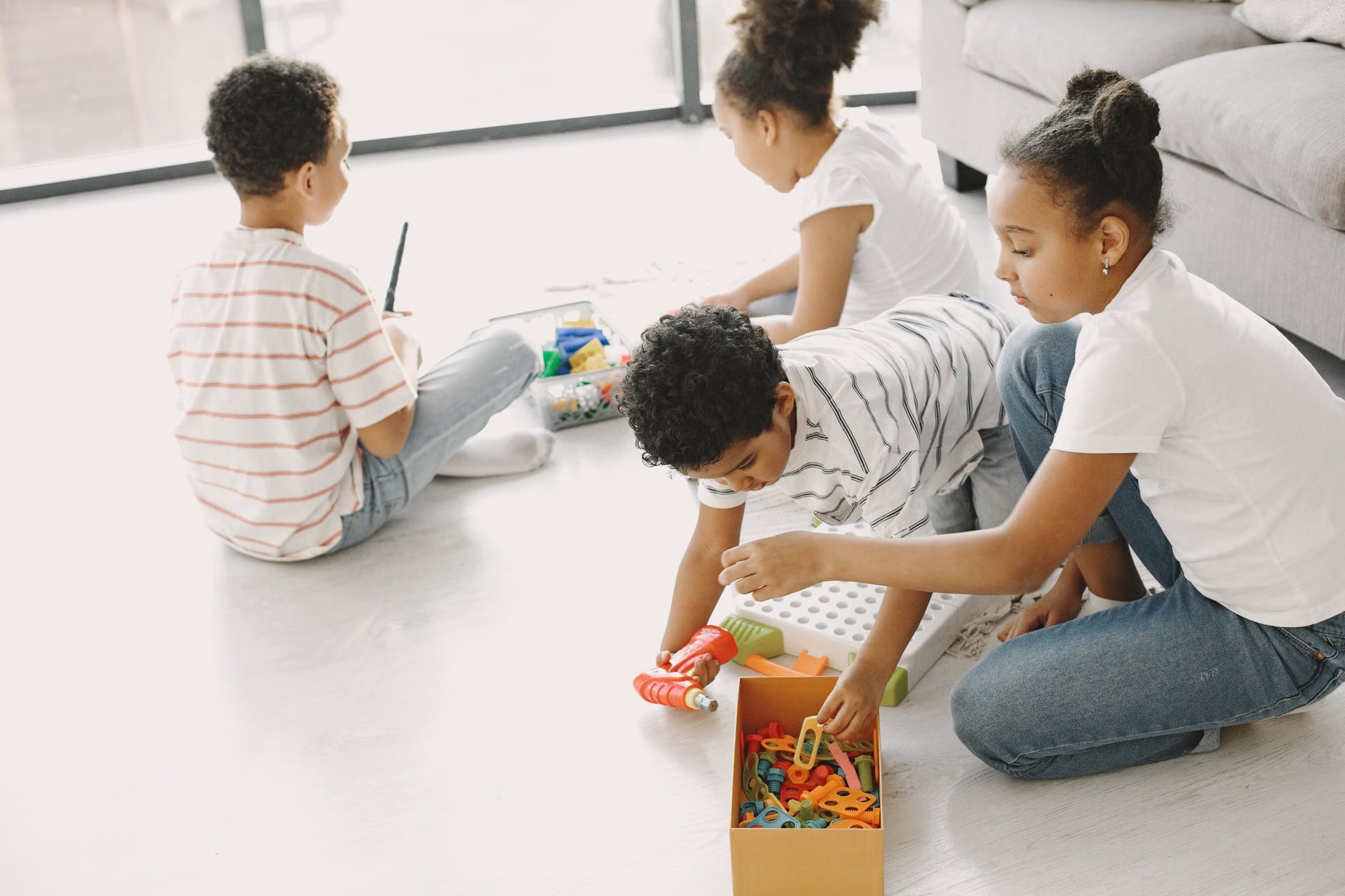
If you are in the United States, look for local chapters of organizations like The Freecycle Network or search for “Buy Nothing” groups on social media platforms. These groups are often the best starting point for finding like-minded parents who are interested in circular-economy principles without the pressure of a formal organization.
Decision Criteria: Is a Swap Club Right for You?
Before you commit, evaluate your household rhythm. A swap club requires a small but consistent time investment. You have to photograph items, coordinate pickups, and potentially clean gear. If your schedule is already at a breaking point, start small. Join an existing group as a “passive” member—someone who takes what they need and contributes when they can—rather than trying to host the events yourself.
If you have the capacity to host, you gain the benefit of setting the rules. You can define the age groups, the frequency of swaps, and the quality standards. For parents with children who are rapidly aging out of “baby” toys (0-2 years), hosting a swap is a fantastic way to offload high-quality items that you no longer have space for, while simultaneously sourcing the next stage of developmental toys.
Remember that the ultimate goal is not just to clear your shelves, but to change the way your children view their possessions. When they see you swapping, they learn that toys are not disposable, that objects have value, and that community sharing is a standard way of life. This is a much more valuable lesson than any specific toy you could purchase at a retail store.
Frequently Asked Questions
1. How do I handle disagreements about the condition of a toy?
The best way to avoid conflict is the “inspection-first” policy. Always allow the receiver to look over the toy before the swap is finalized. If the condition is not as described, the person who brought the item should be prepared to take it back without any social friction. Treat it as a casual exchange between friends, not a high-stakes transaction.
2. Are there specific toys that should never be swapped?
Yes. Generally, avoid swapping items that are difficult to sanitize, such as plush toys with internal electronics, heavily porous foam mats, or items with safety recalls. Always check the U.S. Consumer Product Safety Commission (CPSC) website or your local equivalent to ensure the toy hasn’t been subject to a safety recall before putting it into circulation.
3. How often should we hold swap events?
For a small group, once every three months (seasonally) is usually the “sweet spot.” It aligns with the changing needs of children as they grow and provides enough time for families to gather a meaningful amount of items to swap. If your group is very active, you might move to a monthly “porch-drop” system, but keep the formal meetups quarterly to prevent burnout.
Ultimately, the circular economy is about shifting our mindset from “ownership” to “access.” By participating in a toy swap club, you are not just decluttering your home; you are teaching your children the value of sustainability, community, and thoughtful consumption. Start small, be consistent with your quality checks, and enjoy the extra space in your home and the extra money in your bank account.