The most rewarding weekend excursion isn’t the one that requires a four-hour flight or a grueling drive; it is the one that happens within a five-mile radius of your front door. By shifting your focus from “destination travel” to “hyper-local exploration,” you eliminate the logistical burnout of parenting while rediscovering the hidden layers of the community you call home.
- The 5-Mile Rule: Restricting your excursion to a 5-mile radius forces you to engage with overlooked local assets, significantly reducing travel fatigue and planning time.
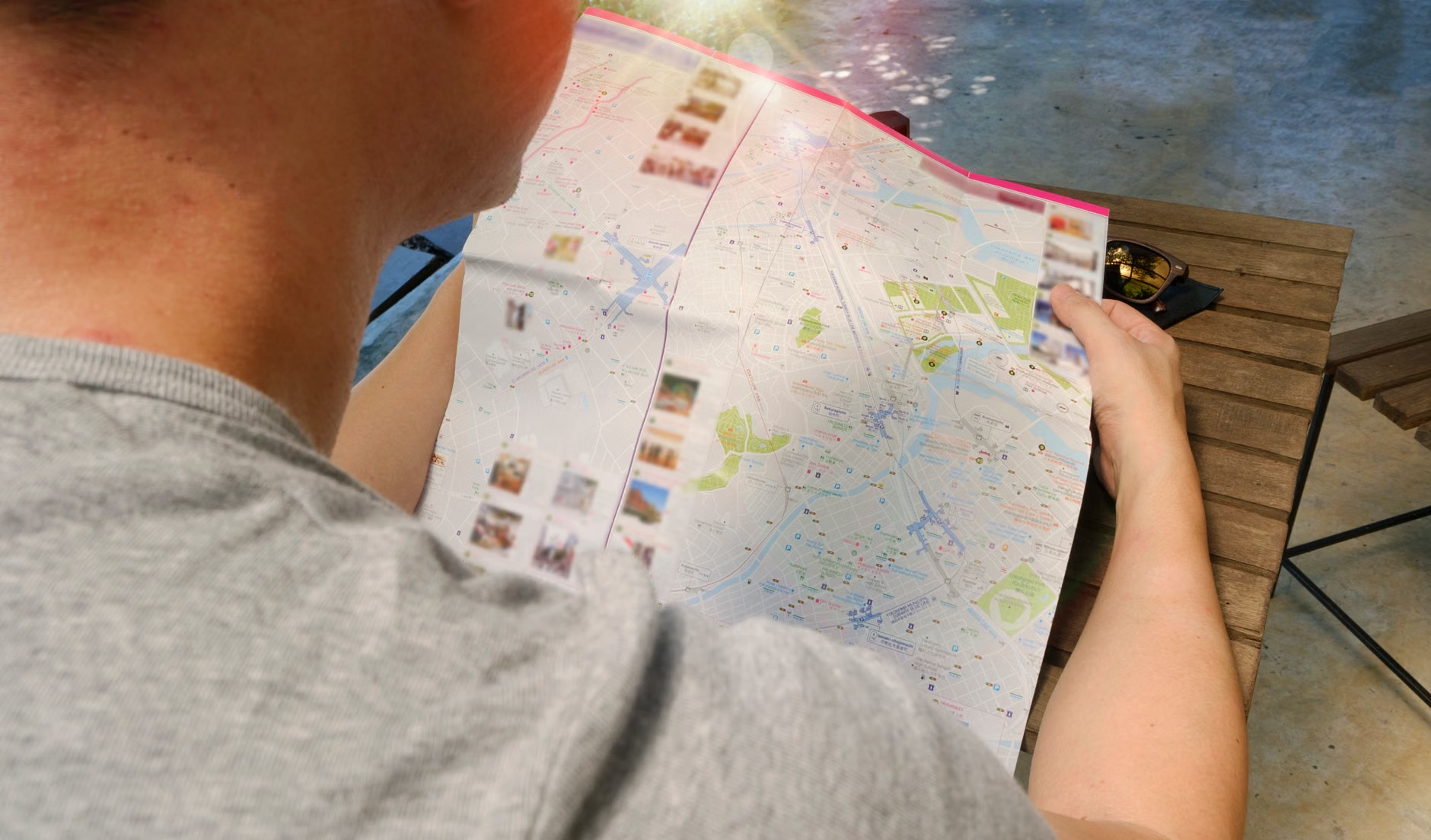
- The “Tourist in Your Own Town” Mindset: Adopting an outsider’s perspective—using maps, checking local event calendars, and visiting public infrastructure—allows you to see familiar streets as new discovery zones.
- Logistical Efficiency: By avoiding long-distance travel, you regain 6–10 hours of “commute time” that can be redirected into quality family interaction or personal rest.
If you are in your 30s or 40s, you know the cycle: you spend all week balancing professional deadlines and parenting duties, only to spend your weekend “recovering” from the week or stressing over a major trip. The hyper-local approach treats your neighborhood not as a place to sleep, but as a destination to be curated. It isn’t about laziness; it’s about tactical energy management. When you remove the stress of transit, you gain the capacity to actually enjoy the time you have.
Why the Hyper-Local Model Beats the Long-Distance Getaway
Most weekend travel fails because the ratio of “travel time” to “experience time” is abysmal. If you drive three hours to reach a destination, spend two hours finding parking, and then spend four hours at an activity, you’ve spent 40% of your day in transit. For parents, this is a recipe for irritability and exhaustion. A hyper-local excursion flips this ratio.
Consider the “friction cost.” Every hour spent in a car with children or navigating airport security is an hour of your life that you cannot get back. By staying within five miles, you keep the friction cost near zero. This allows for what psychologists call “micro-adventures”—short, intense bursts of novelty that provide the same psychological benefits as a week-long vacation without the cortisol spike of travel planning.
The Decision Rule: If an activity requires more than 45 minutes of transit time, it is not a weekend excursion; it is a commitment. For a weekend to feel like a break, prioritize activities that allow you to be home by 6:00 PM without the looming dread of a long drive back.
The “Discovery Audit”: How to Find What You’ve Been Ignoring
Most of us suffer from “inattentional blindness” regarding our own surroundings. You walk past the same library, park, or small-town museum every day without really seeing it. To break this, you need to perform a formal Discovery Audit of your immediate area.
| Category | The “Hidden” Target | Why It Works |
|---|---|---|
| Public Infrastructure | Local libraries, botanical gardens, municipal archives | Often free, well-maintained, and historically rich. |
| Micro-Economy | Independent bookstores, bakeries, niche craft shops | Offers a sensory experience you can’t get from online shopping. |
| Green Spaces | Community gardens, overlooked neighborhood parks | Provides a “nature fix” without the need for hiking gear. |
To execute the audit, go to your local government’s official website or the “Events” section of your local library. Most people ignore these sites because they look boring, but they are the primary source for community-run events—the exact kind of hyper-local gold that doesn’t show up on major travel apps.
Designing the Itinerary: A Tactical Approach for Busy Parents
The biggest mistake parents make is over-planning. When you have a rigid schedule for a Saturday, one minor delay (a diaper change, a lost shoe, a toddler tantrum) can ruin the entire vibe. A successful hyper-local plan uses “anchors” rather than “schedules.”
An anchor is a single, non-negotiable activity, such as “visit the local farmer’s market” or “walk the trail at the reservoir.” Everything else is flexible. If you hit your anchor, the day is a success. Everything else is just a bonus.
The “Anchor and Buffer” Framework
1. The Anchor: Select one activity per day. This keeps the goal attainable. If you’re struggling to choose, pick something that involves a physical change of scenery—a park you haven’t visited in a year, or a local museum that just opened a new exhibit.
2. The Buffer: Build in 90 minutes of “nothing time” between your anchor and your next task. This is where the magic happens. It’s when you find the cool coffee shop with the weird decor or the park with the perfect view. If you are stressed, you can drop the buffer. If you are having fun, you can expand it.
3. The Exit Strategy: Always have a pre-planned “home trigger.” This is a specific time or a physical state (e.g., “when the kids get hungry” or “at 4:00 PM”) that dictates when you return home. Knowing exactly when the day ends removes the “should we do one more thing?” anxiety that leads to burnout.

Managing Expectations and Handling the “Boredom” Narrative
One of the hardest parts of hyper-local travel is the internal narrative that says, “We aren’t doing enough.” We are conditioned to believe that “vacation” means going somewhere exotic. When you stay local, you may feel like you’re failing to provide a “special” experience for your children or yourself.
This is a misconception. Children do not care about the distance traveled; they care about your presence and the novelty of the activity. A trip to a local creek to look for tadpoles is, to a child, just as “adventurous” as a trip to a distant national park. The difference is that you are less stressed, which means you are more present.
Common Mistake: Trying to replicate a “tourist experience.” Do not try to make your local town feel like Paris. Embrace the mundane. If your local excursion consists of walking to a neighborhood bakery, buying a pastry, and sitting on a park bench, own it. That is a perfectly valid, high-quality weekend experience.
The Role of “Low-Stakes Technology”
Use technology to enhance, not distract. Instead of scrolling through social media, use apps like AllTrails to find hidden walking paths within five miles, or Google Maps to look for “top-rated” local spots you’ve never visited. Treat your phone as a research tool, then put it away once you arrive at your destination.
Pro-Tip: If you are in a city, look for “Public Art” maps. Many cities have curated guides to murals and statues that you can turn into a walking scavenger hunt. It keeps children engaged and gives you a clear path to follow.
The Economics of Staying Local
The financial impact of hyper-local travel is significant. When you remove gas, parking fees, hotel stays, and the inevitable “I forgot to pack that” purchase at a convenience store, you save hundreds of dollars a month. That money can be reallocated toward better quality food, local experiences, or simply increasing your family’s savings rate.
Consider the “hidden costs” of travel:
- The Opportunity Cost: The time spent traveling is time spent not resting or working on personal projects.
- The Health Cost: Frequent travel often leads to poor diet choices (fast food, snacks) and sleep disruption.
- The Environmental Cost: Reducing car travel is the single most effective way to lower your carbon footprint.
When you stay local, you aren’t just saving money; you are investing in your community. Money spent at a local bakery or a small-town museum stays in the local economy, which helps improve the very area you live in. It is a virtuous cycle.
Building Your “Local Kit”
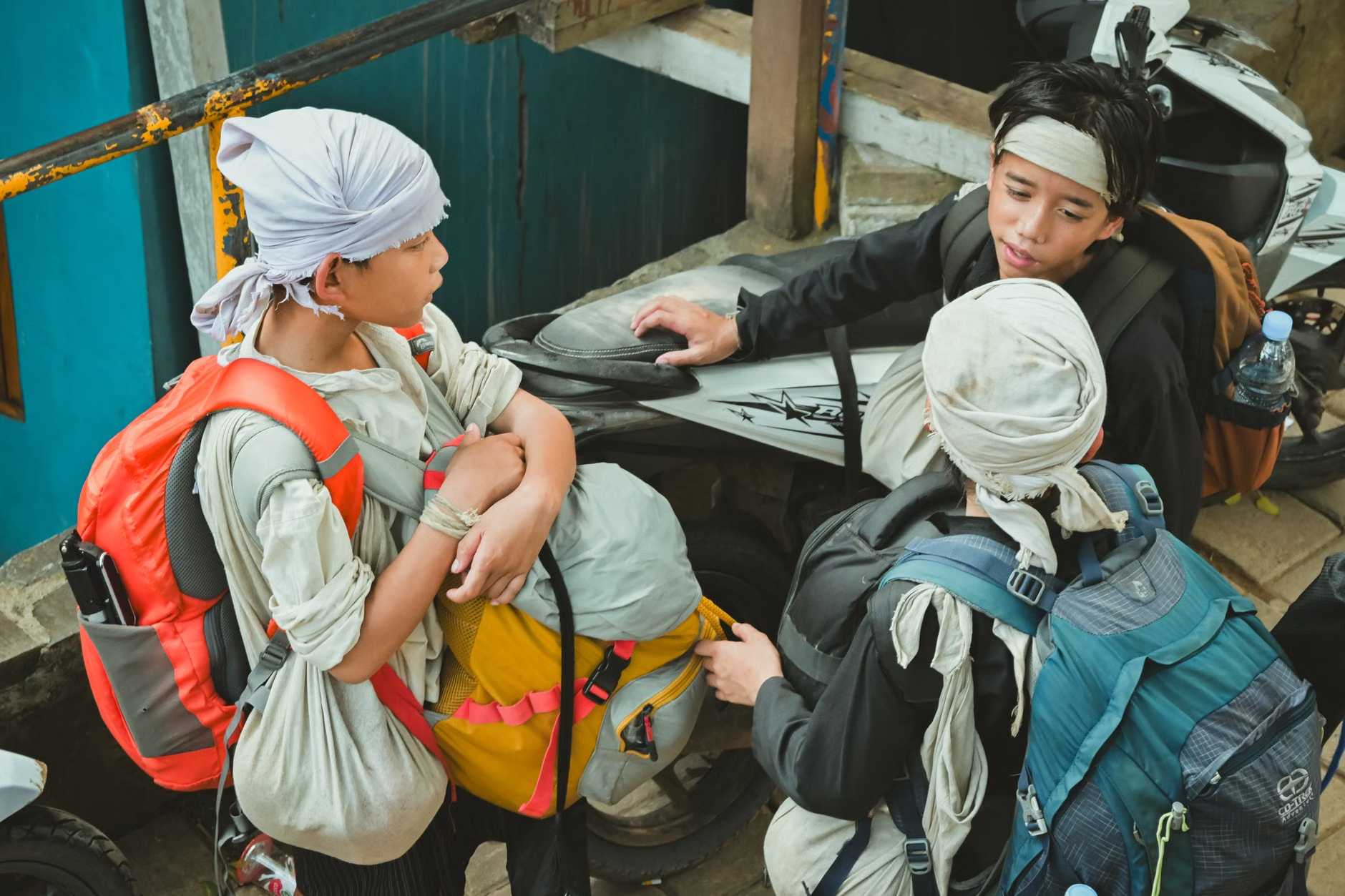
To make these trips repeatable, create a “go-bag” that stays in your closet. This removes the “we have to pack for two hours” hurdle. If the bag is ready, you can decide to leave the house on a whim.
What to include in your kit:
- Reliable hydration: One sturdy water bottle per person.
- The “emergency snack” stash: Non-perishable, non-messy snacks like nuts or granola bars.
- The “Plan B” gear: A portable power bank, a physical map (in case your phone dies), and a small first-aid kit.
- The “Activity” layer: A sketchpad, a pair of binoculars, or a small ball—simple items that allow for unstructured play.
By having this kit ready, you transform the act of leaving the house from a “project” into a “habit.”
Why This Matters for Your 30s and 40s
This phase of life is defined by the tension between responsibility and the desire for freedom. You have the resources to travel, but you have the constraints of family and career. The hyper-local guide is not a compromise; it is an optimization strategy. It prioritizes your mental health and your relationships over the performative aspect of travel.
True luxury in your 30s and 40s is not about going far; it is about having control over your time and feeling grounded in your environment. When you stop chasing the “ideal” vacation, you start finding the actual joy in your everyday life. It’s quiet, it’s sustainable, and it’s surprisingly effective.
Frequently Asked Questions
1. How do I make local trips feel “special” for my kids?
The “specialness” comes from your level of engagement, not the location. If you are genuinely interested in what you are doing—whether it’s looking at bugs in a park or visiting a local historical site—your kids will pick up on that curiosity. Give them a “mission” (e.g., “Find three different types of leaves” or “Find the oldest building on this street”) to keep them engaged.
2. What if I live in a boring area with nothing to do?
There is no such thing as a “boring” area; there is only a lack of observation. If you feel like your neighborhood has nothing, it’s a sign that you haven’t looked past the commercial centers. Look for municipal trails, community centers, small-scale historical markers, or local libraries. Even a walk through a different neighborhood in your city can feel like a vacation if you approach it with the right mindset.
3. How do I deal with the “fear of missing out” (FOMO) when everyone else is traveling?
Acknowledge that social media is a curated highlight reel. What you see online is the 5% of the trip that was photogenic, not the 95% that involved airport delays, lost luggage, and tired children. Focus on the 100% of your weekend that is actually relaxing. When you are well-rested and present with your family, you won’t feel like you’re missing out on anything.
Start small this weekend. Pick one place within five miles of your home that you’ve never visited. Pack your kit, set your anchor, and go. You’ll be surprised at how much of your own world you’ve been missing.
For more inspiration on local exploration, check out the National Park Foundation’s guide to local park stewardship or your local municipal government’s “Parks and Recreation” department website for upcoming community events.