Quiet-luxury organization isn’t about spending thousands on designer bins; it is about prioritizing tactile quality, hidden utility, and a “less but better” philosophy to reclaim your mental bandwidth in a chaotic household.
- Quality over quantity: Replace plastic, disposable organizers with durable, natural materials like wood, glass, or heavy-weight linen to create a lasting, calm aesthetic.
- The “Hidden Utility” Rule: The hallmark of quiet luxury is visual silence; if an item isn’t in use, it should be concealed behind closed storage or within high-quality modular systems.
- Routine-based maintenance: Organization fails when it’s treated as a one-time project; treat your home’s flow like a system that requires brief, daily “reset” rituals rather than deep-cleaning marathons.
If you are in your 30s or 40s, you likely know the feeling of “visual noise.” It is that specific, low-level stress you feel when you walk into a room and see a pile of charging cables, mismatched plastic toy bins, and a countertop cluttered with mail. We often try to solve this with more storage, but “more” is usually the problem. Quiet luxury in organization is the antidote to the “container store” trap—the tendency to buy cheap plastic organizers that just hide clutter rather than reducing it.
This approach isn’t about maintaining a showroom that no one can touch. It is about creating a home environment that works for you, not against you, by choosing systems that look intentional and feel solid.
The Philosophy of Visual Silence: Why Materials Matter
When we talk about “quiet luxury,” we aren’t talking about designer brand names. We are talking about sensory experience. A plastic bin is functional, but it is visually distracting. It adds to the “noise” of a room. When you switch to materials like matte-finish wood, woven seagrass, or heavy-duty ceramic, you are introducing textures that age well and feel grounded.
Think of your home as a high-end hotel suite. Why do those spaces feel so calming? It is because the storage is almost entirely invisible. Everything you need is there, but it is tucked away in built-in cabinetry or high-quality organizers that blend into the architecture. In a busy family home, we can emulate this by focusing on three specific design principles:
- Color Uniformity: Stick to a monochromatic or tonal palette for your storage containers. When bins match the wall color or furniture, they disappear.
- Tactile Quality: If you touch a storage item every day, it should feel good. A wooden tray for your keys is a small, quiet luxury compared to a flimsy plastic dish.
- The “One-In, One-Out” Protocol: This is the most crucial rule for maintaining peace. If you buy a new piece of kitchen equipment, an old one must be donated or recycled. This keeps the volume of your possessions from ever exceeding your storage capacity.
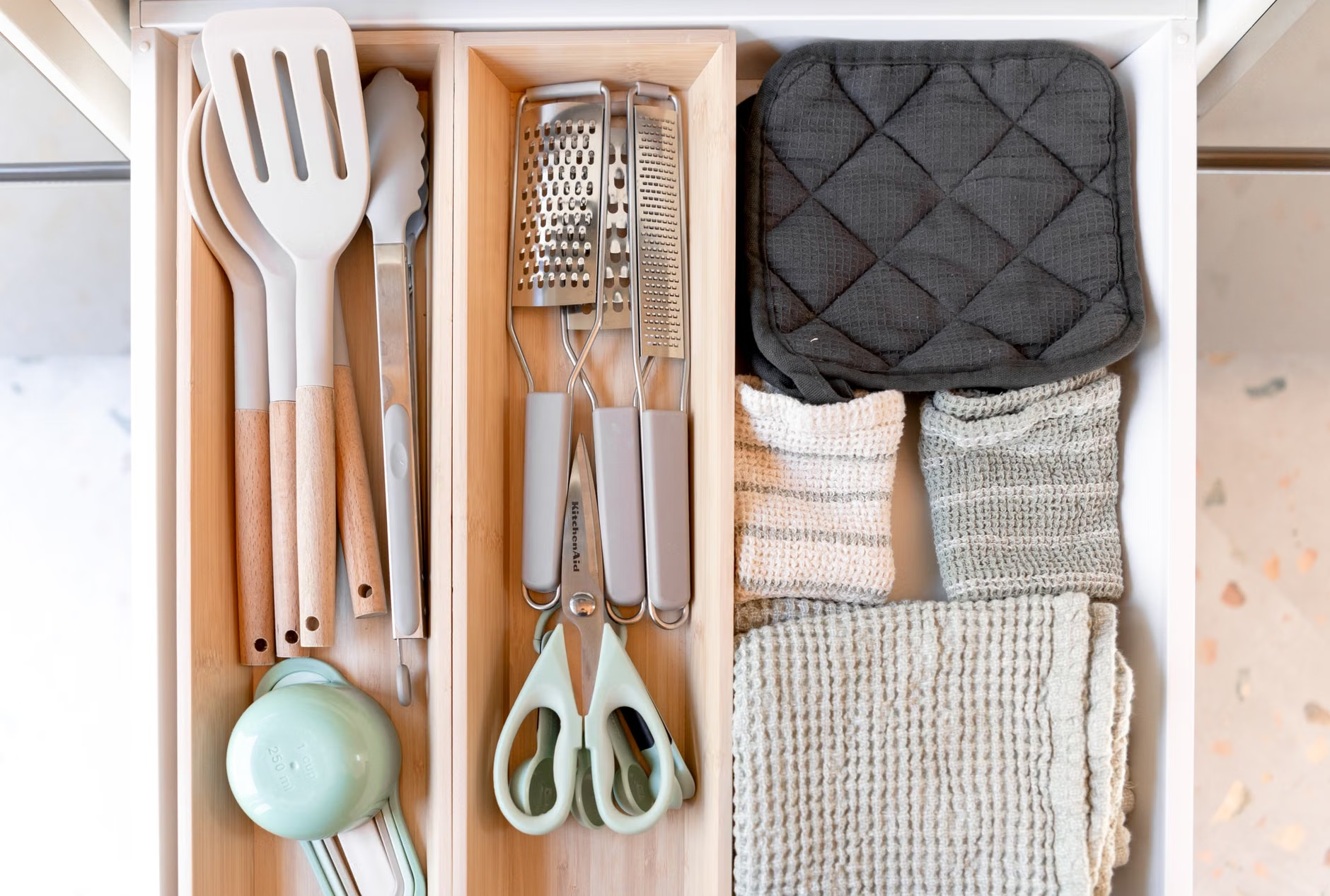
Strategic Decluttering: Identifying the “Noise” in Your Daily Life
Before you buy a single organizer, you must conduct a “noise audit.” Most of us suffer from “inventory creep”—the gradual accumulation of items we don’t actually use. For a family, this usually happens in the kitchen, the entryway, and the “drop zone” (that one table where everything lands when you walk in the door).
To perform an audit, you need to be brutal about utility. If an item hasn’t been used in six months, it is not “useful”—it is “hoarded potential.”
The 3-Tier Categorization System
When auditing your home, categorize every item into one of three buckets. This decision-making framework prevents you from keeping things “just in case.”
| Category | Action | Criteria |
|---|---|---|
| Essential | Keep & Display/Store | Used at least once a week; adds value or joy. |
| Occasional | Store in “Deep Storage” | Used once a month or seasonally; keep in labeled, high-quality boxes. |
| Noise | Discard, Donate, or Sell | Used less than once a year; redundant; broken; or creates stress. |
The “Occasional” bucket is where most people fail. They keep holiday decorations or extra bedding in the same space as their daily essentials. By moving these to a dedicated “deep storage” area (like a high shelf in a closet or a storage room), you instantly clear visual space for your daily life.
Designing the “Invisible” Entryway
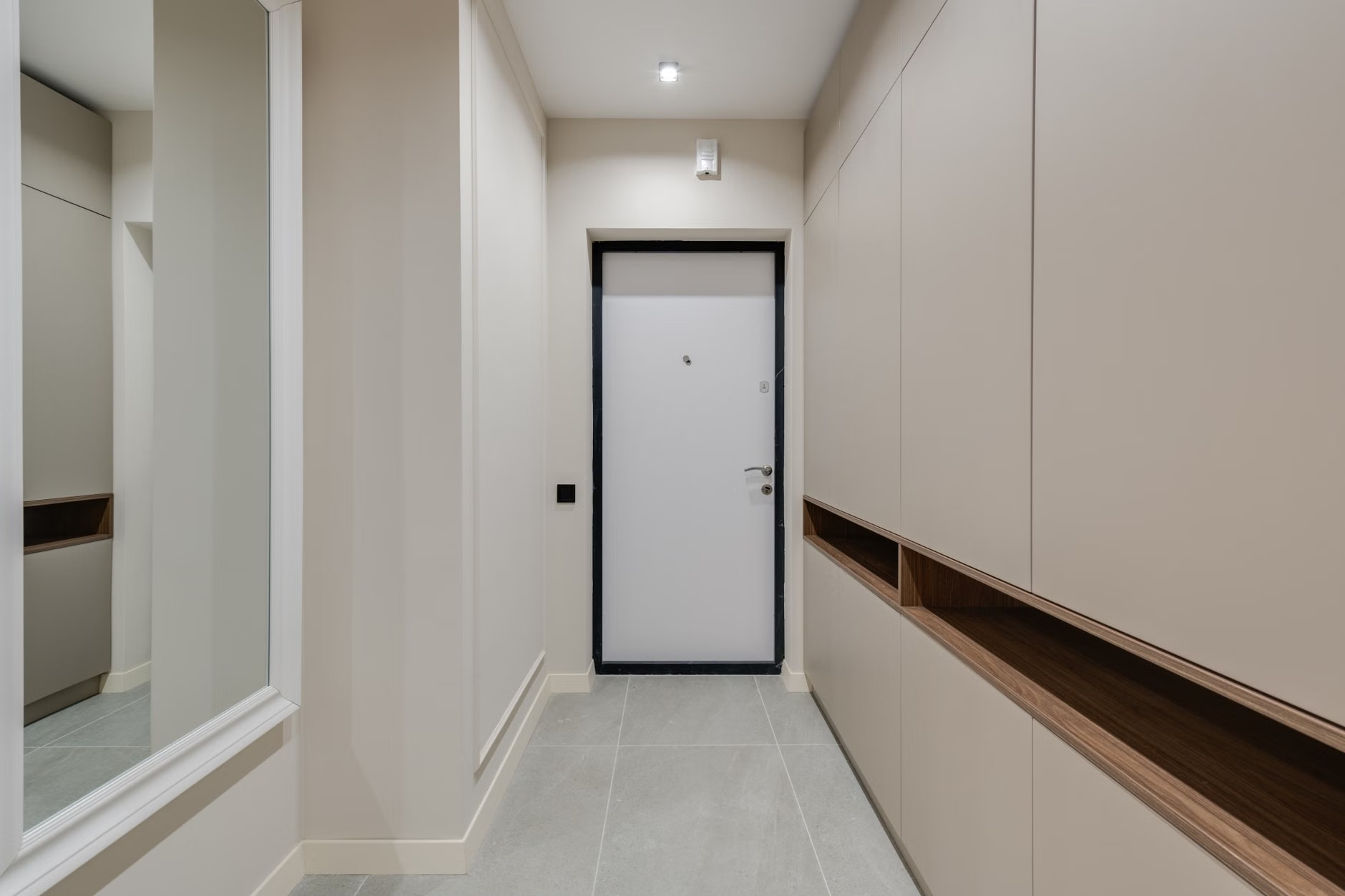
The entryway is the first thing you see when you return home and the last thing you see when you leave. If it’s a mess, you start and end your day in a state of subconscious agitation. Quiet-luxury organization in the entryway requires moving away from the “hook and pile” method toward a “closed system” approach.
In many modern homes, we don’t have the luxury of a mudroom. If you are working with a small apartment foyer, consider installing a floor-to-ceiling cabinet. If you cannot do construction, use a slim-profile sideboard with doors. The goal is to hide the shoes, the umbrellas, and the dog leashes.
Common Mistake: Using open shelving in the entryway. Open shelves are a magnet for clutter. If you have open shelves, you are forced to keep them perfectly styled at all times. For a busy parent, this is an impossible standard. Use doors. If you can’t have doors, use identical, opaque storage baskets. If you can’t see it, it doesn’t contribute to the “visual noise.”
Curating the Kitchen: Beyond the Plastic Drawer Divider
The kitchen is often the most cluttered room in the house. We have drawers full of gadgets we never use and cabinets overflowing with mismatched Tupperware. To achieve a quiet-luxury feel, you need to focus on “curation.”
Start by clearing your countertops. The “clear surface” rule is the single most effective way to make a kitchen feel high-end. If it isn’t an appliance you use every single day (like a coffee machine), it should be in a cupboard. If you have limited cabinet space, consider installing wall-mounted racks that keep items off the counter but accessible.
Next, standardize your pantry. This is a classic organizing tip, but the “quiet luxury” version is to avoid the clear plastic bins that show every label and color. Instead, use ceramic canisters or opaque glass jars. They provide a uniform, serene look that is much more forgiving than clear containers. When you have ten different cereal boxes with neon colors and bright text, your brain processes all of that information. When you have ten identical, matte-white canisters, your brain processes “pantry” as a single, calm unit.
Managing the “Parenting Chaos” with Intentional Systems
Let’s be real: children create mess. A “quiet-luxury” home doesn’t mean your children aren’t allowed to have toys. It means that the storage for those toys is integrated into your home’s aesthetic. Instead of bright red and blue plastic bins, look for large, woven baskets that fit under your coffee table or inside a console. They should be heavy enough that they don’t tip over and large enough that “clean up” can happen in under 60 seconds.
A key insight here: teach the system to the children early. If the basket is the “home” for the blocks, and the basket is in the living room, the blocks never leave the living room. This prevents toys from migrating to every corner of the house. It’s a simple rule, but it keeps the “visual footprint” of your children’s play contained.
The Hidden Cost of “Organization Products”
One of the biggest traps for people in their 30s and 40s is the “organization shopping spree.” You feel overwhelmed, so you go to a store, buy fifty plastic bins, and bring them home. You then spend an entire weekend organizing, only to realize that you didn’t have enough space for the bins, or that the bins were the wrong size. This is a waste of money and a waste of time.
The Rule of Measurement: Never buy a storage container until you have emptied the space and measured it. Then, buy the fewest number of containers possible to start. You can always add more later. If you have extra bins, you will just find more “stuff” to fill them with. This is the “Parkinson’s Law of Organization”: clutter expands to fill the containers available for its storage.
Digital Minimalism as an Extension of Home Organization
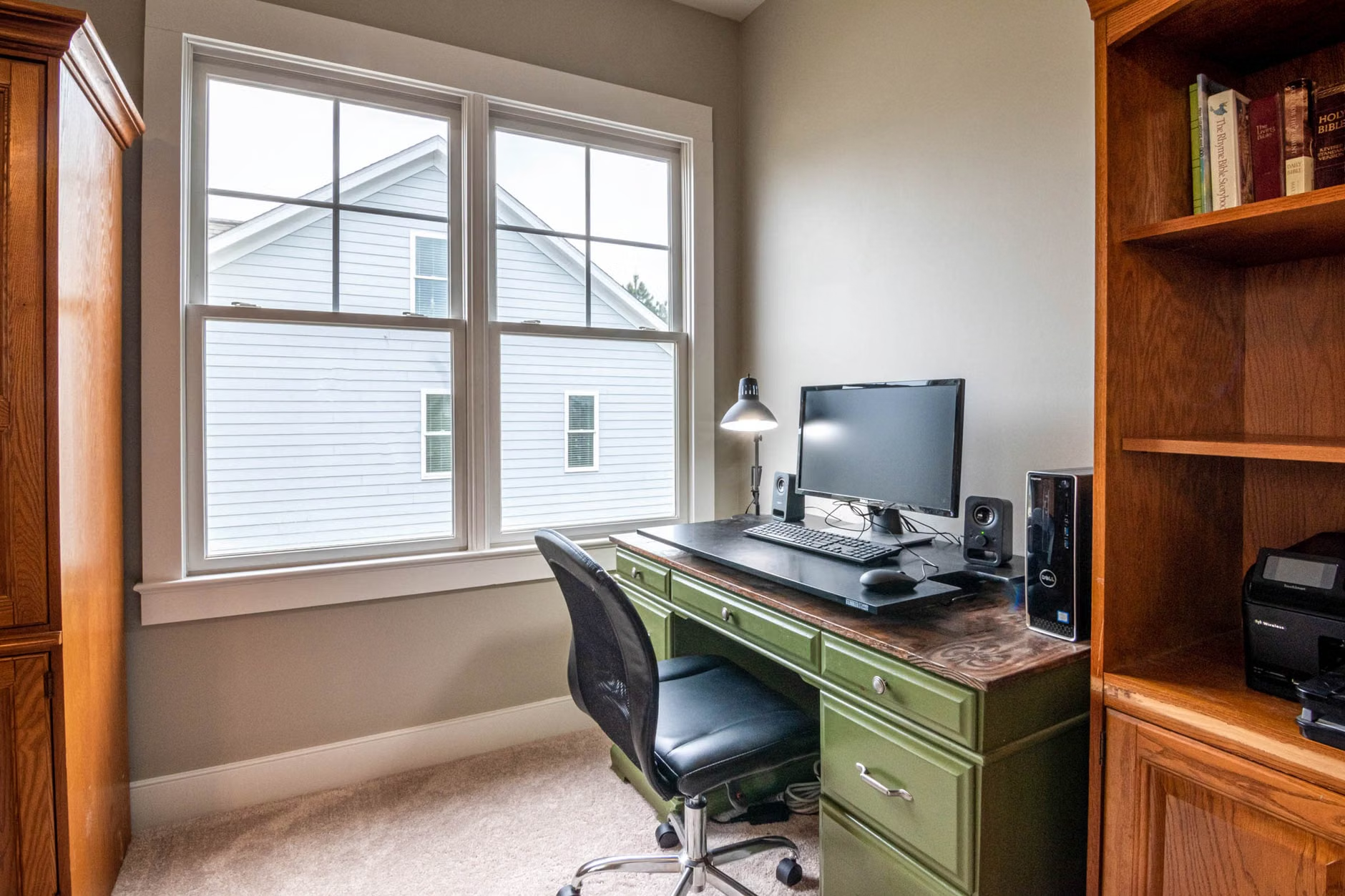
Quiet luxury isn’t just about physical objects. It is about the technology that lives in our homes. Charging cables are a major source of visual clutter. If your living room or office is filled with tangled cords, it will never feel “quiet.”
Invest in a dedicated charging station. There are beautiful wooden boxes designed to hide a power strip and all your charging bricks. By centralizing your charging, you remove the “spaghetti” of wires from your desks and tables. This is an overlooked variable in home design: the psychological weight of seeing “work” (your phone, your laptop, your charger) in your “rest” spaces.
Maintaining the System: The 15-Minute Daily Reset
The most common misconception about organized homes is that they “stay” that way. They don’t. They require maintenance. The “quiet-luxury” approach uses a 15-minute daily reset ritual. This isn’t a deep clean. It is a walk-through of the home where you put things back into their “homes.”
If every item in your house has a designated home, the reset takes minutes. If you have items that don’t have a home, those are the items that create clutter. If you find yourself picking up an item and not knowing where to put it, that is a signal that your organizational system is incomplete. You need to assign that item a home—a drawer, a basket, or a shelf.
Why This Matters for Your Mental Load
You might be thinking, “This sounds like a lot of work for a tidy house.” But consider the alternative: the mental tax of living in a cluttered environment. Research in environmental psychology consistently shows that our physical environment influences our stress levels. A cluttered space competes for your attention, making it harder to focus, harder to relax, and harder to engage with your family.
By investing in a “quiet-luxury” system, you are essentially outsourcing your executive function to your home. You don’t have to “decide” where your keys go; they have a home. You don’t have to “decide” where the mail goes; it has a home. This reduces the number of micro-decisions you make every day, leaving more energy for the things that actually matter—like playing with your kids, working on your career, or simply resting.
Practical Steps to Begin Your Transformation
Do not try to organize your entire house in one weekend. You will burn out. Start with one “high-traffic” zone. The entryway or the kitchen island are the best places to begin because they provide the most immediate “visual reward.”
- Select your zone: Pick one area where you feel the most daily frustration.
- Empty everything: You need to see the volume of what you actually have.
- Audit: Apply the 3-Tier system (Essential, Occasional, Noise).
- Measure: Determine exactly what size storage you need.
- Invest in quality: Buy the fewest, highest-quality containers you can afford. Choose materials that look good and will last for years.
- Assign a home: Every item must have a specific place. If it doesn’t, it is not “organized,” it is just “hidden.”
The transition to a quiet-luxury home is not a sprint. It is a refinement process. You are slowly replacing “noise” with “silence.” Each time you replace a cheap plastic bin with a beautiful, durable alternative, or clear a countertop of unnecessary items, you are making your home a more peaceful place to live.
Remember, the goal is not perfection. The goal is a space that supports your life, not one that demands your constant attention. Start small, be intentional, and focus on the quality of your environment rather than the quantity of your storage solutions.
Frequently Asked Questions
How do I handle sentimental items that don’t fit into the “quiet luxury” aesthetic?
Sentimental items are the exception to the “utility” rule. However, they should still be curated. Instead of having fifty small trinkets scattered around, choose a few that you truly love and display them in a dedicated, high-quality glass cabinet or on a specific shelf. The rest should be stored in archival-quality boxes in a closet. This allows you to honor the memory without cluttering your daily living space.
Is “quiet-luxury” organization expensive to implement?
It can be, but it doesn’t have to be. The “luxury” comes from the *philosophy* of quality, not the price tag. You can find high-quality wooden boxes or ceramic jars at thrift stores or home goods outlets. The key is to avoid the “buy it all at once” mentality. By purchasing one or two high-quality items at a time as you organize each drawer, you keep the cost manageable and ensure you are only buying what you actually need.
What if my family members aren’t on board with these systems?
This is the most common challenge. The best way to get buy-in is to make the system easier than the alternative. If it is easier to put a toy in a basket than it is to leave it on the floor, children will eventually follow the system. If it is easier to drop keys into a bowl than to search for them, your partner will eventually follow the system. Don’t frame it as “organizing”; frame it as “making our home easier to live in.”
For further reading on minimalist home design and the psychology of space, you can explore resources from the American Psychological Association on how home environments impact mental health, or look into the Architectural Digest archives for timeless, functional design principles that prioritize long-term utility over fleeting trends.
Organization is a tool, not a chore. Keep your systems simple, your materials high-quality, and your focus on the peace you gain, not just the stuff you hide. Start with one drawer today—you will be surprised at how much calmer you feel once it is finished.