Choosing a car-free Alpine resort is the single most effective way to eliminate the logistical stress of a winter family holiday, saving you from icy road navigation, expensive parking fees, and the headache of tire chains.
- Total Cost Reduction: Eliminating a rental car and fuel saves an average of €400–€700 per week, offsetting the cost of premium rail or private transfer services.
- Safety First: Car-free resorts remove the risk of driving on treacherous, high-altitude mountain passes, which is the leading cause of holiday-related stress for parents.
- Quality of Life: Pedestrian-only zones allow children to move freely without traffic danger, significantly improving the quiet, authentic atmosphere of your stay.
If you have ever spent two hours white-knuckling a rental car up a steep, winding mountain pass while your children argue in the backseat and the GPS signal flickers out, you already know the downside of winter mountain travel. The dream of the “Alpine escape” often hits a wall of reality: icy roads, finding a parking spot that doesn’t cost a fortune, and the constant fear of getting stuck in a snowstorm.
For parents in their 30s and 40s, a vacation should be about reclaiming a bit of sanity, not adding a new layer of logistical management. This is why the “car-free” resort model is gaining traction across Europe. It isn’t just a gimmick; it’s a fundamental shift in how you experience the mountains.
Why the Alpine Car-Free Model Is Superior for Families
When we talk about car-free resorts, we aren’t talking about remote outposts. We are talking about world-class destinations like Zermatt in Switzerland, Avoriaz in France, or Wengen. These places have built their entire infrastructure around the idea that the moment you leave your vehicle—or better yet, don’t bring one at all—your vacation truly begins.
The Hidden Costs of Driving: Many travelers assume that driving their own or a rental car is the “cheaper” option. When you factor in the rental fee, the mandatory winter tire supplement, fuel, toll roads, and the exorbitant daily parking fees in resort garages (which can easily exceed €25 per day), the math often points elsewhere. By switching to train travel, you trade those variable costs for a fixed, predictable price.
The Safety Variable: Driving in the Alps requires specific skills. In many regions, you are legally required to carry snow chains and know how to install them. If you are not accustomed to driving on steep, icy, or narrow roads, this is a significant safety risk. Choosing a car-free resort essentially “outsources” the danger to professional train operators who are equipped for extreme weather.
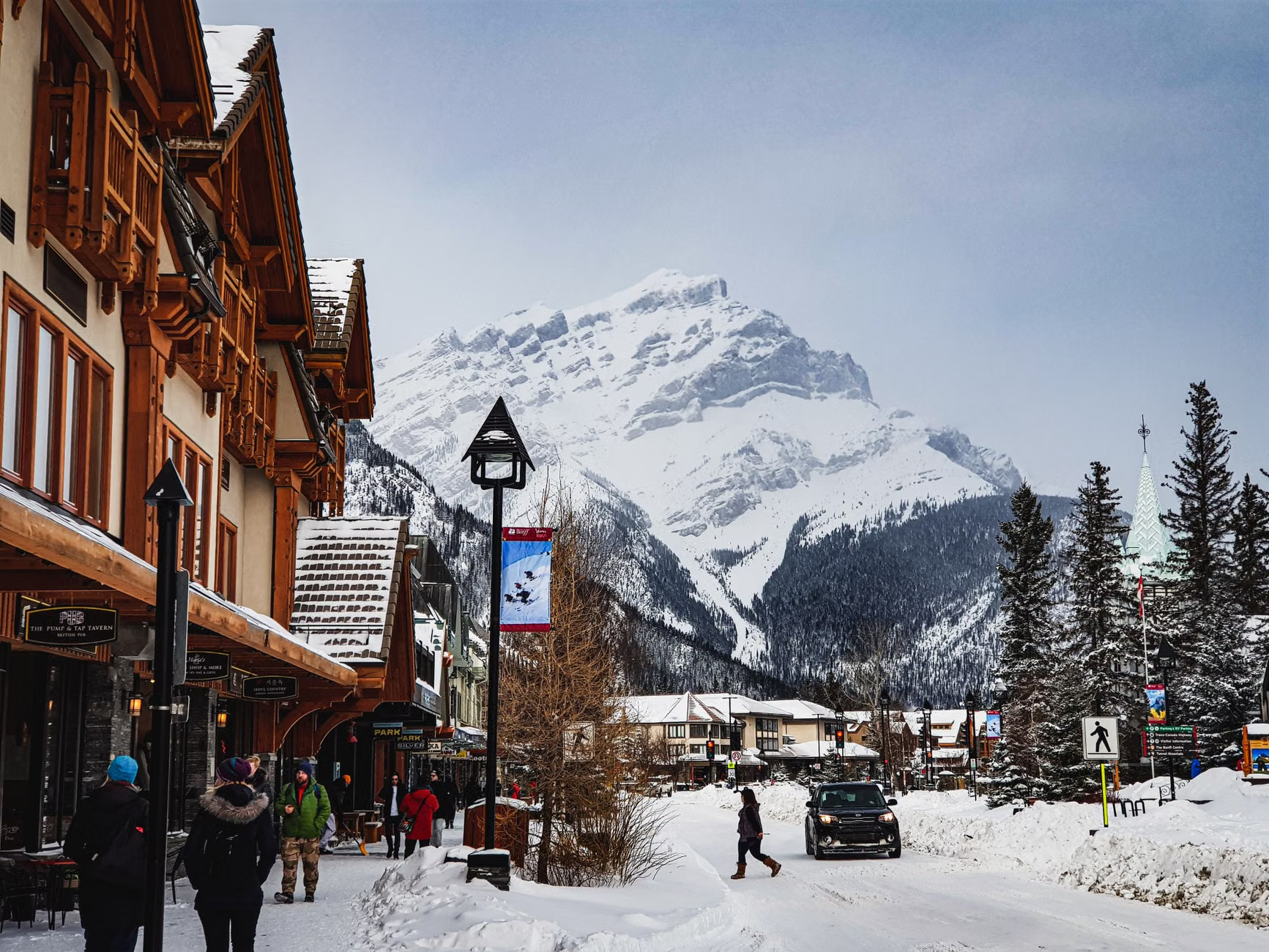
The biggest hurdle for most families is the “last mile” problem. How do you get from the airport to a village where cars aren’t allowed? The answer is a well-oiled machine of public infrastructure.
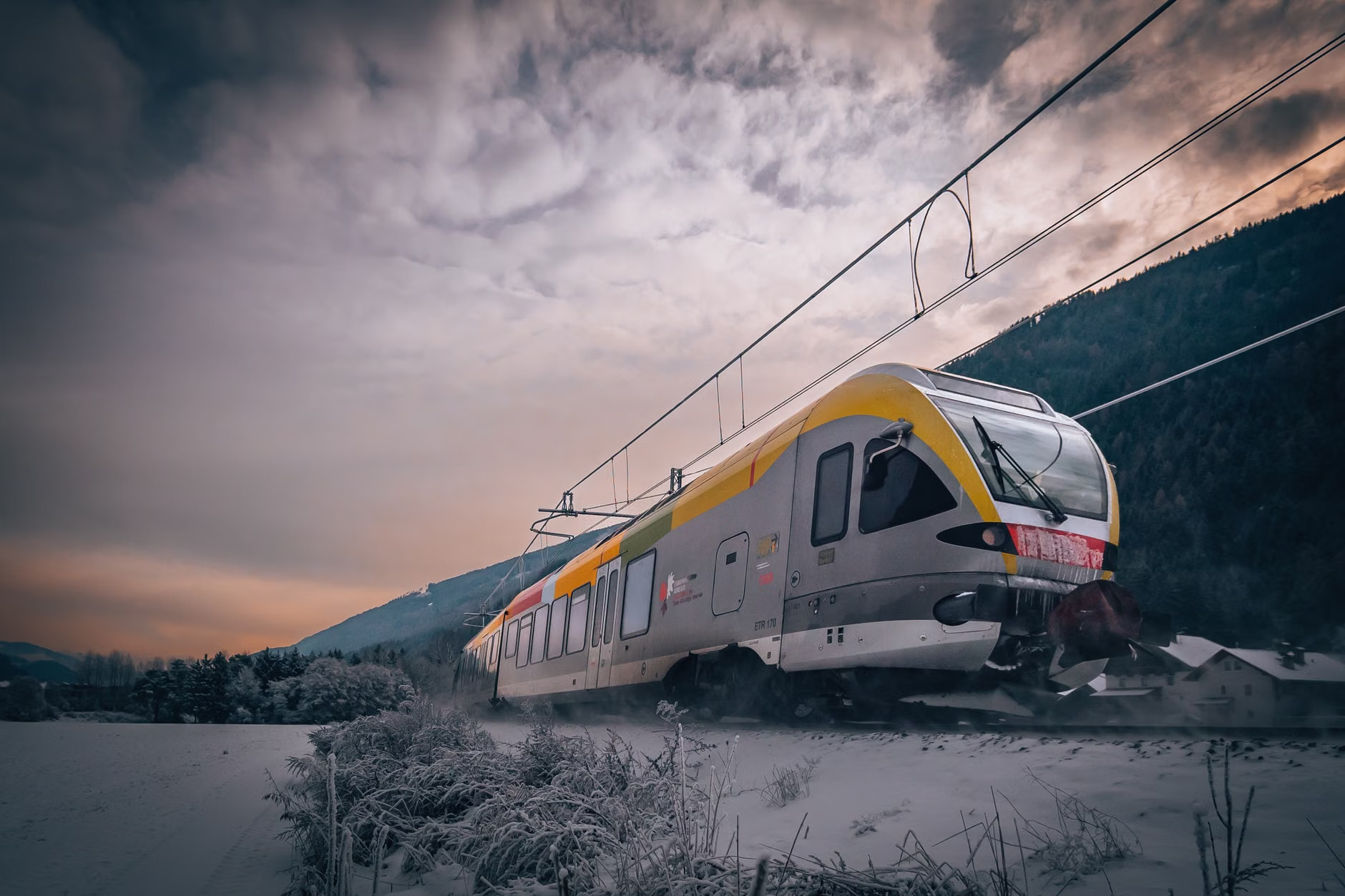
Most major Alpine hubs have integrated train stations. For example, arriving at Geneva or Zurich airport, you can board a train that takes you directly to the base of the mountain. From there, a cogwheel train or cable car takes you into the heart of the resort. This is the moment when the “transit” phase of your trip shifts into the “experience” phase. Watching the scenery change from a train window is infinitely more relaxing than staring at a bumper in front of you.
Step-by-Step Planning Guide:
- Select your hub: Look for resorts linked by the Swiss Federal Railways (SBB) or the French SNCF network.
- Luggage Strategy: This is the most common point of failure for parents. Use a luggage transfer service. Many resorts offer “station to chalet” delivery. You drop your bags at the train station, and they arrive at your accommodation within hours.
- The “Light Travel” Rule: Even with transfer services, try to limit your luggage. Use a high-quality, four-wheel suitcase for the kids’ gear and consider renting skis and boots at the resort rather than bringing your own. This reduces the number of items you have to track.
The Hidden Benefits of Being Pedestrian-Only
The most immediate difference you will notice upon arrival is the silence. Without the constant hum of engines, the sound of snow crunching under boots becomes the dominant soundtrack of your holiday. For parents, this is a game-changer. You don’t have to constantly worry about your children stepping into a road. You can let them walk ahead, play in the snow, or wander to the local bakery for hot chocolate without the “watch out for the car” anxiety that plagues city life.
Furthermore, these resorts tend to be more community-focused. Because everyone is arriving and moving via the same transit methods, there is a shared rhythm to the day. You see the same faces on the morning train or the village shuttle, which builds a sense of belonging that you rarely get when you are isolated in a private car or a remote, parking-lot-heavy resort.
Comparing Your Logistics: Car vs. Train
To make the right decision, you need to compare the trade-offs of both approaches. It is not just about money; it is about the “mental load” of the trip.
| Feature | Driving a Rental Car | Taking the Train/Transfer |
|---|---|---|
| Arrival Stress | High (traffic, weather, parking) | Low (predictable, scenic) |
| Flexibility | High (can visit nearby towns) | Moderate (requires bus/train schedules) |
| Cost | Variable/Hidden (tolls, parking) | Fixed/Transparent (ticket price) |
| Safety | Dependent on driver skill | High (professional operators) |
If you prioritize the ability to explore different valleys or remote villages, a car offers more freedom. However, if your goal is a relaxing family week where you want to maximize your time on the slopes and minimize the logistics, the train-connected, car-free resort is clearly the superior choice. The “inflexibility” of the train is often offset by the fact that most car-free resorts have excellent local shuttle networks that run on a high-frequency basis.
Common Mistakes to Avoid When Booking
Many travelers fail to research the “last mile” transfer properly. They book a hotel thinking it is in the center, only to realize it is a 20-minute uphill walk from the train station. In a car-free resort, this distance matters. Always check if your hotel offers a shuttle service from the train station or if the resort has an electric taxi service (a standard in places like Zermatt).
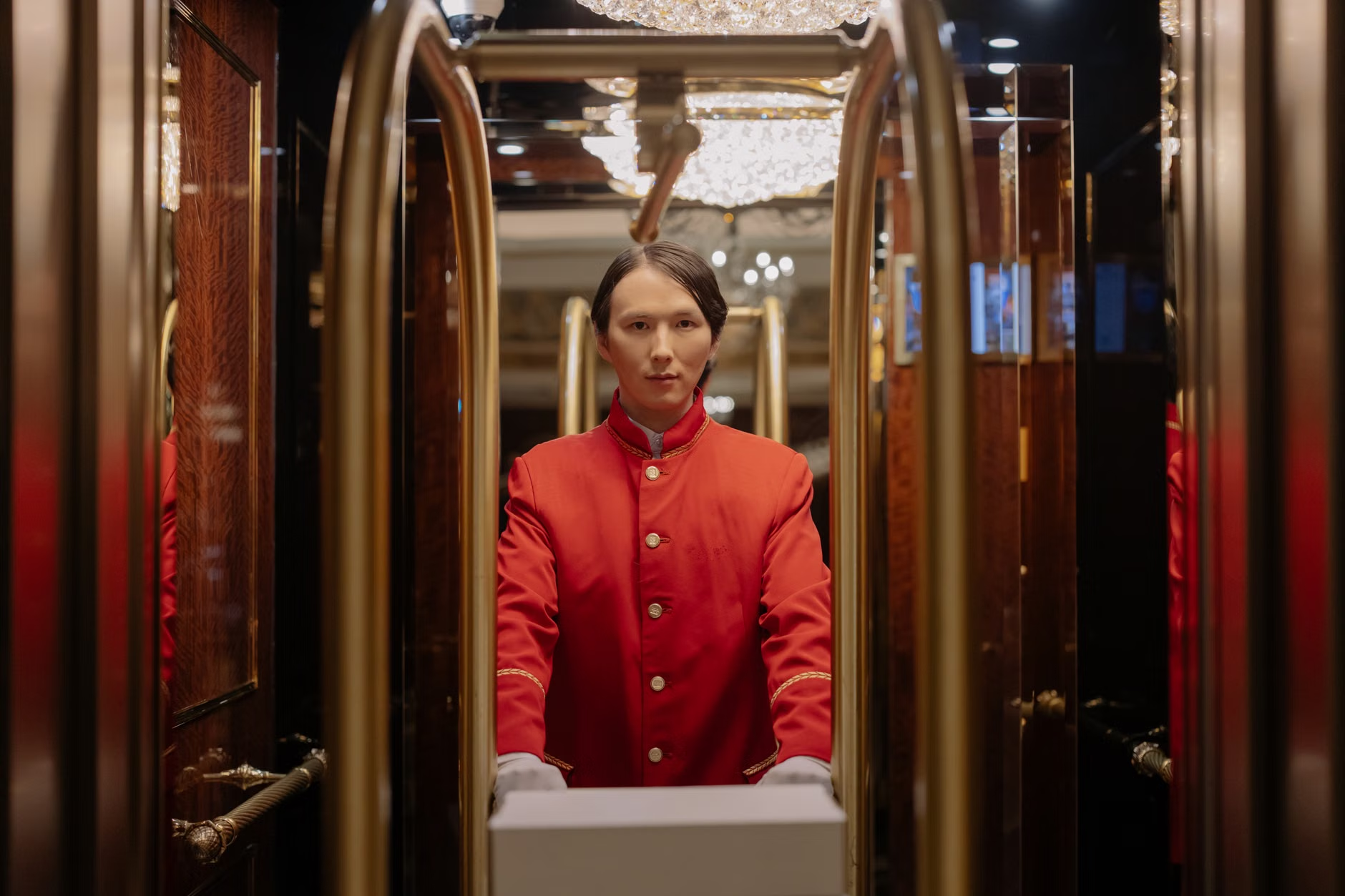
Another common mistake is overpacking. If you are traveling with two children, you are likely already carrying enough gear to sustain a small army. In a car-free resort, you are responsible for moving that gear from the station to your transport or your accommodation. If you cannot carry it yourself, you need to ensure you have booked a luggage transfer service in advance. Do not assume you can find a porter on a busy Saturday afternoon.
The Financial Reality: Is it Actually Cheaper?
While the initial ticket price for a train might look higher than the daily rental rate of a car, when you look at the total “Cost of Ownership” for your trip, the train often wins. Consider the daily cost of a parking garage in a popular resort, which can range from €20 to €40 per day. Over a 7-day trip, that is €280 just for parking. Add in the cost of fuel, the potential for expensive tire chains, and the stress-induced need for a “recovery day” after driving, and the financial argument for the car begins to crumble.
Furthermore, many Alpine regions offer regional guest cards that include free or heavily discounted local transport. Once you arrive at your car-free resort, you often have access to a network of buses and smaller trains that make having your own vehicle redundant anyway. You are essentially paying for a car that sits in a parking lot for 90% of your holiday.
The Psychological Shift: Embracing the Slow Travel Movement
There is a psychological benefit to the car-free experience that is hard to quantify. When you arrive by train, the transition from “work mode” to “vacation mode” is gradual. You watch the landscape shift from urban sprawl to rolling hills, then to dramatic, jagged peaks. By the time you step onto the platform at your destination, your brain has had the time to adjust to the change of pace.
Driving, by contrast, keeps you in a state of high-alert focus. You are navigating, dodging, and managing the vehicle. Even when you arrive, the “car mindset” persists—you are thinking about parking, charging, or maintenance. By removing the car, you are removing the need to manage anything other than your own enjoyment.
How to Choose the Right Resort for Your Family
Not all car-free resorts are created equal. Some are purpose-built, high-altitude hubs, while others are traditional villages that have simply closed their centers to traffic. Your choice should depend on your family’s needs.
If you have young children, look for resorts with “ski-in, ski-out” capabilities. This means your accommodation is directly on the slope, eliminating the need to haul gear onto buses or trains every morning. If your children are older and interested in activities beyond skiing—like ice skating, shopping, or local museums—choose a resort with a strong village center.
Research the “accessibility” of the resort. Some, like Wengen, are accessible only by train, which is a fantastic experience but requires more planning. Others, like Avoriaz, allow you to drive to a central underground parking garage where you then transfer to a horse-drawn carriage or a snow-cat to reach your specific chalet. Both are “car-free” in the living zones, but they offer very different arrival experiences.
Preparing for the Unexpected
Even with the best planning, winter travel in the mountains is subject to the whims of nature. Trains can be delayed by heavy snow, and cable cars can be halted by high winds. The advantage of a car-free resort is that these systems are managed by professionals. In a car-free resort, the infrastructure is built to handle the snow. The roads are cleared by specialized machinery, and the rail lines are kept open with a priority that private vehicles simply do not have.
If you are driving, a heavy snowstorm might result in you being stuck on a pass for hours. If you are on the train, you might be delayed in a warm, comfortable station, but you are not in danger. This is the difference between an inconvenience and a crisis. For parents, this peace of mind is worth more than any potential flexibility a car might offer.
Final Thoughts: Your Next Steps
If you are ready to book, start by looking at the official tourism boards for the Alpine regions you are interested in. Search for “car-free resorts” or “pedestrian-only villages.” Most of these websites now have dedicated sections explaining exactly how to arrive by rail and how to manage luggage, including links to local transfer services.
Start small. If you have never done a car-free trip, try a long weekend in a well-connected resort. Once you experience the freedom of a village where the only traffic is a horse-drawn sleigh or the occasional electric service vehicle, you will likely find it very difficult to go back to the stress of rental car logistics.
Take the leap this winter. Your vacation time is finite, and your energy is precious. Don’t spend it behind the wheel of a car you don’t need, in a parking lot you hate, worrying about roads you shouldn’t be driving on. Embrace the train, enjoy the view, and arrive at your mountain home ready to actually relax.
Frequently Asked Questions
1. How do I handle groceries and supplies in a car-free resort?
Most car-free resorts have well-stocked supermarkets in the village center. Because these villages are designed for pedestrians, these shops are usually within walking distance of the main residential areas. If you are staying in a remote chalet, many local shops offer delivery services to your door, or you can use a small foldable luggage cart to transport your groceries from the store to your accommodation.
2. What if I have an emergency and need to leave the resort quickly?
Car-free resorts are not “trapped” locations. They have robust emergency response systems, including specialized snow ambulances and rapid-response snow-cats. If you need to leave for non-emergency personal reasons, the local train or shuttle services typically run from early morning until late at night. You are never truly stranded; you are just relying on professional transport rather than your own vehicle.
3. Are car-free resorts more expensive to stay in?
Not necessarily. While some iconic car-free villages (like Zermatt) command a premium due to their popularity, there are many smaller, less-famous car-free villages that are very affordable. The “premium” you pay for a car-free resort is often offset by the money you save on rental car costs, fuel, and parking fees. When you view the total cost of the holiday, the price difference is often negligible, especially when you consider the added value of safety and convenience.
Useful Resources:
Swiss Federal Railways (SBB) – Planning your train travel in Switzerland
SNCF – French National Railway Services
MySwitzerland – Official guide to car-free resorts