The core reality of the “Right-to-Repair 2.0” movement is simple: you own your appliances, and you should be able to fix them without being forced into a replacement cycle by manufacturers who restrict access to parts, manuals, and diagnostic software.
- Access is King: New legislation (like the EU’s Ecodesign and various US state laws) now mandates that manufacturers provide repair manuals and spare parts for years after a product’s release.
- Software Unlocking: Repair 2.0 isn’t just about screws and bolts; it’s about “software locks.” New regulations aim to stop companies from using proprietary software to prevent independent repairs.
- Financial Impact: Choosing to repair an appliance instead of replacing it can save the average family hundreds of dollars annually, provided you know where to source the parts and documentation.
If you are in your 30s or 40s, you likely remember a time when if a toaster stopped working, you opened it up, checked the heating element, and maybe even fixed it. Today, the “smart” nature of our homes—from Wi-Fi-connected fridges to high-tech washers—has turned once-simple machines into impenetrable black boxes. When they break, the manufacturer’s service partner often tells you the repair costs 70% of a new model, effectively nudging you toward a landfill.
This is where Right-to-Repair 2.0 comes in. It is not just a trend; it is a shift in legal and consumer power. Let’s look at why this matters for your household budget and how you can actually leverage these changes.
Why Manufacturers Made Repairing Impossible
To understand why this legislation is necessary, we have to look at the “planned obsolescence” model. For the last decade, many manufacturers adopted a strategy of “designing for disposal.” This wasn’t just about using cheaper materials; it was about creating barriers to entry for anyone who wasn’t a certified technician.
The barriers were usually three-fold:
1. Proprietary Fasteners: Using screws that require non-standard, “security” bits that you wouldn’t find in a standard hardware store kit.
2. Software Pairing: A part, like a dishwasher pump, might be physically identical to a replacement, but the appliance’s internal computer refuses to run it because the part hasn’t been “digitally signed” by the manufacturer.
3. Restricted Documentation: Withholding schematic diagrams or error code definitions, which are essential for diagnosing what is actually wrong.
For a parent juggling work and childcare, the result is that you don’t have the time to fight a company for a repair manual. You just click “buy now” on a new unit. Manufacturers know this, and they have banked on your convenience being worth more than your long-term savings.

The Legislative Shift: What “2.0” Actually Changes
Right-to-Repair 2.0 is the evolution of the movement. While the first wave focused primarily on smartphones and laptops, the current phase is targeting the “big iron”—the major appliances that sit in your kitchen and laundry room. The European Union has been the leader here with its Ecodesign for Sustainable Products Regulation, while several US states (like New York, California, and Minnesota) have introduced bills that mirror these requirements.
What does this mean for you? It means that if a company sells a device in these jurisdictions, they must:
| Regulation Area | What It Changes for You |
|---|---|
| Manual Access | Manufacturers are now required to provide clear, understandable repair manuals to the public, not just to authorized service centers. |
| Spare Parts Availability | Spare parts must be available for a designated period (often 7 to 10 years) after the product is discontinued. |
| Design for Disassembly | Products must be designed so that common failure points (like gaskets, filters, or heating elements) can be removed using standard tools. |
| Software Neutrality | Some regions are pushing to ban “pairing,” ensuring that a third-party part can function without a digital handshake from the manufacturer. |
These rules are not about forcing you to be an electrician. They are about ensuring that if you hire an independent repair person—who is often cheaper than the manufacturer’s authorized technician—they can actually complete the job.
Real-Life Scenarios: When to Repair vs. When to Replace
Even with the right to repair, you have to be strategic. Just because you can fix it doesn’t always mean you should. There is a “Repair Threshold” that every household should calculate before committing to a fix.
The 50% Rule: If the cost of the repair (parts + labor) exceeds 50% of the cost of a brand-new appliance, it is usually better to replace it. However, if the appliance is less than 3 years old, you should lean toward repairing it, as the internal components are likely still in good condition.
Let’s look at a common scenario: Your washing machine stops draining.
The Old Way: You call the manufacturer. They charge $150 just to show up. They tell you the main control board is “glitching” and suggest a new $1,200 washer.
The 2.0 Way: You download the manufacturer’s manual from their website. It includes a clear troubleshooting section. You discover the drain pump filter is clogged, or the pump itself is a $40 part that is easily accessible. You fix it for under $50.
Common Mistake: Many people attempt to repair appliances without checking the error codes first. Modern appliances are surprisingly good at telling you what is wrong. If your machine displays an “E” code, do not just search for “washing machine repair.” Search for “[Brand Name] + [Model Number] + [Error Code].” This will often point you directly to the specific sensor or component that has failed.
How to Act Like a Pro (Even if You Are a Beginner)
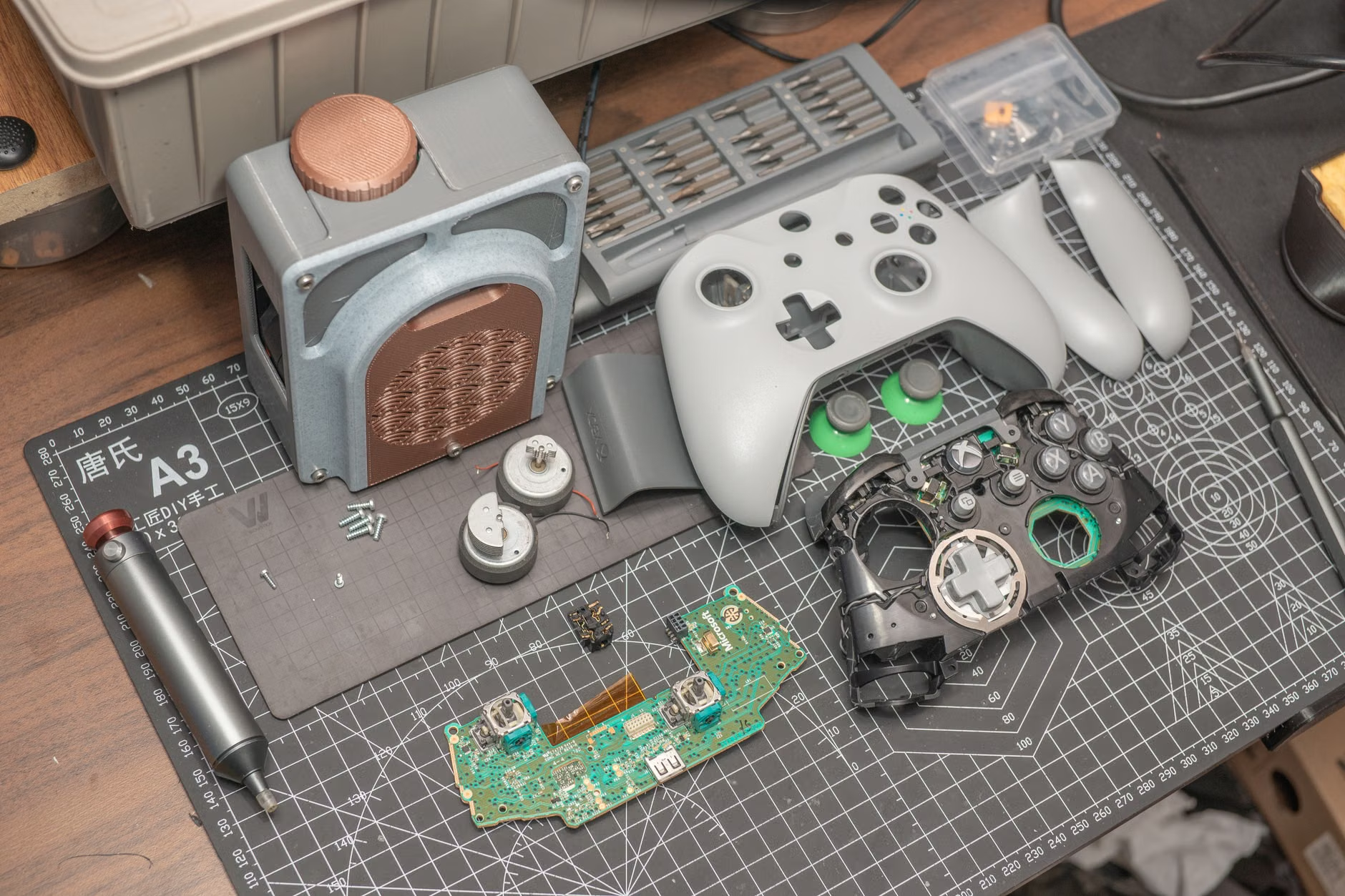
You don’t need a degree in engineering to benefit from these laws. Here is your step-by-step framework for handling a broken appliance in the age of Right-to-Repair:
Step 1: Identify the Label. Every appliance has a sticker (usually on the inside of a door or the back) with the model number and serial number. Take a photo of this immediately. Without it, you are searching in the dark.
Step 2: The “Service Manual” Hunt. Use sites like ManualsLib or the manufacturer’s official support portal. If you cannot find a “Service Manual” (which is different from a “User Manual”), look for “Exploded View Diagrams.” These show you exactly how the unit is bolted together.
Step 3: The Part Number Strategy. Never search for “washing machine pump.” Search for the exact part number listed in your manual’s parts list. This ensures you get the right fit. Many parts are universal across models, even if the manufacturer tells you otherwise.
Step 4: Know Your Limits. Some repairs are dangerous. If you are dealing with high-voltage capacitors (often found in microwaves) or complex gas lines (in ovens), do not attempt the repair yourself. These are areas where the trade-off is your personal safety, not just saving a few dollars.
The Hidden Costs and Trade-offs of DIY Repairs
While the Right-to-Repair movement is a massive win for consumers, it is important to be realistic about the “hidden” variables. The biggest one is time. Even if a part is cheap, diagnosing the issue and performing the repair can take an entire weekend. If your time is worth more to you than the cost of a new appliance, or if you simply do not have the capacity to manage a project like this, the “right” to repair doesn’t necessarily mean you have to exercise it.
Another overlooked variable is warranty voiding. While some regions have passed laws making it illegal for manufacturers to void your warranty just because you opened the casing, they can still refuse to cover damage that was caused by your repair. If you strip a screw or crack a plastic housing while trying to fix a faulty sensor, the manufacturer is under no obligation to fix the damage you caused.
Decision Rule: If the appliance is still under the manufacturer’s warranty, always call them first. Document the call. If they refuse to help, then you cite your local Right-to-Repair laws. Only move to DIY if the warranty is expired or if the manufacturer’s official path is clearly designed to be an unreasonable barrier.
The Bigger Picture: Why This Matters for the Environment
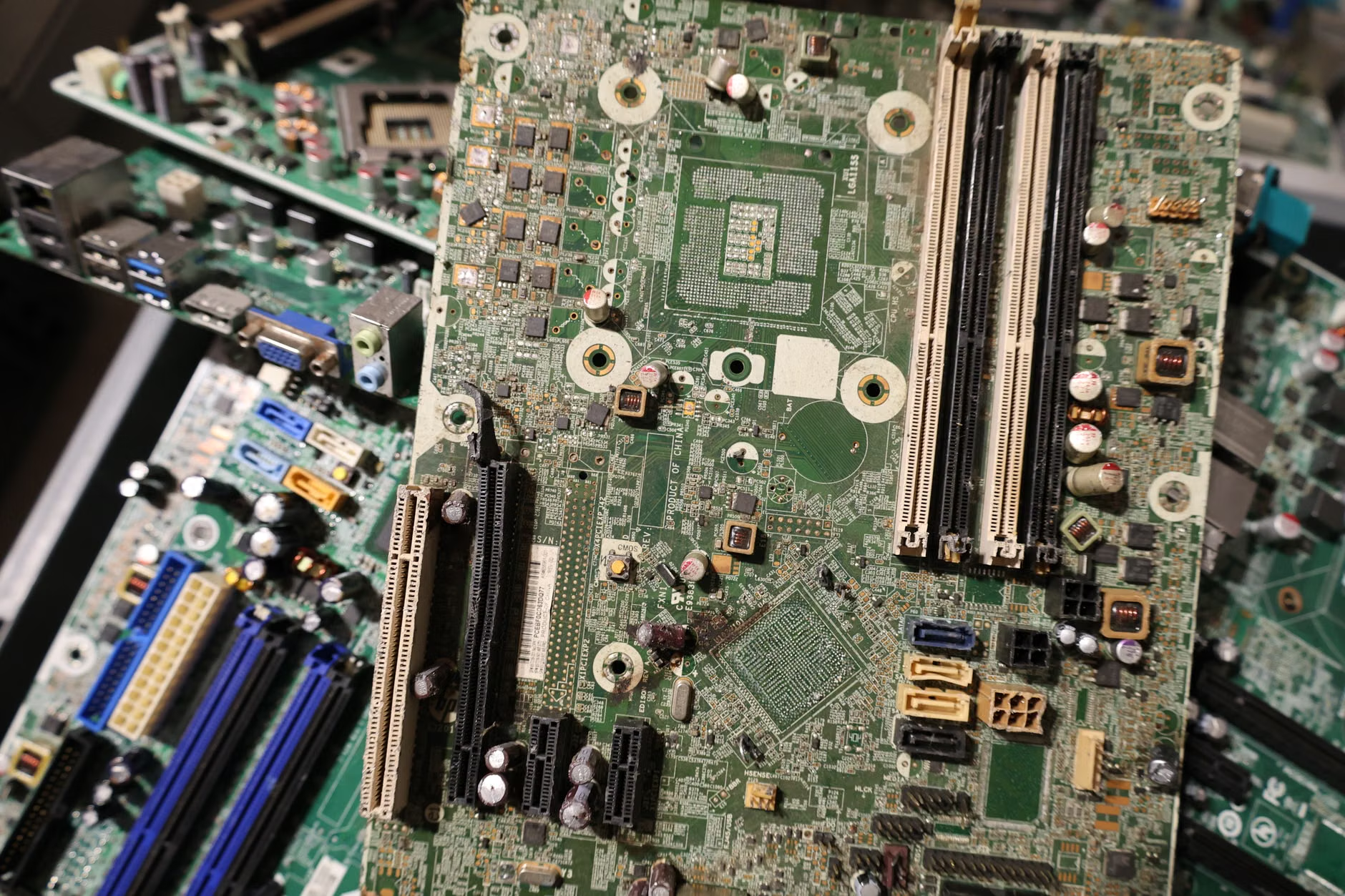
Beyond your personal wallet, the Right-to-Repair movement is the only viable solution to the e-waste crisis. Every year, millions of tons of household appliances end up in landfills, not because they are “dead,” but because they are unserviceable. By keeping your machines running for an extra 3 to 5 years, you are significantly reducing your household’s carbon footprint.
This is a practical way to teach sustainability to your children. When they see you fixing a vacuum cleaner instead of throwing it away, it changes their perspective on what “disposable” means. It moves the household mindset from one of consumption to one of stewardship.
Closing Thoughts: Your New Consumer Power
Right-to-Repair 2.0 is not about turning everyone into an appliance technician. It is about removing the artificial barriers that kept you in the dark. The next time an appliance acts up, don’t start by looking at a new model online. Start by looking for that model number, grabbing your screwdriver, and seeing if there is a way to extend the life of what you already own. You have the right, and increasingly, you have the information. Use it.
Frequently Asked Questions
Q: If I fix my appliance myself, will it void my warranty?
A: In many jurisdictions, including parts of the US and the EU, manufacturers cannot legally void your entire warranty just because you opened the casing or performed a minor repair. However, if you damage the appliance during your repair, they are not obligated to cover that specific damage. Always check your local consumer protection laws.
Q: Where is the best place to find official repair manuals?
A: Start at the manufacturer’s official support website. Look for “Technical Documents,” “Service Manuals,” or “Parts Lists.” If they aren’t listed there, websites like iFixit are excellent community-driven resources that often host manuals and repair guides for a wide range of household items.
Q: What should I do if a company refuses to sell me a spare part?
A: Under the new Right-to-Repair 2.0 legislation, this is increasingly becoming a violation of the law in certain regions. First, point the company to the specific local regulation that mandates parts availability. If they still refuse, you can file a complaint with your local consumer protection agency or the relevant trade commission, which is the body that enforces these requirements.
For more information on your specific rights, refer to the European Commission’s Ecodesign guidelines or the US Federal Trade Commission’s stance on repair restrictions.