The most effective way to stretch your family travel budget while avoiding the crushing burnout of peak-season crowds is to embrace the “shoulder season”—the period immediately before or after the peak summer months. By shifting your coastal getaway just four to six weeks outside the traditional school holiday calendar, you can often cut accommodation costs by 30% to 50% while enjoying more authentic, less frantic experiences.
- Financial Efficiency: Off-peak travel typically offers significant savings on lodging and car rentals, allowing you to reallocate funds toward better dining or unique local experiences.
- Strategic Timing: The “shoulder season” (typically May/June or September/October in the Northern Hemisphere) provides the best balance of decent weather and lower tourist density.
- The “Local Life” Advantage: Visiting during quieter periods allows you to interact more meaningfully with local communities, as service providers are less overwhelmed than during the mid-summer rush.
Why the ‘Off-Peak’ Shift is a Game Changer for Parents
If you are in your 30s or 40s, you are likely balancing a career, school-aged children, and the constant hum of domestic responsibilities. When you finally get that precious week of vacation, the last thing you want is to spend it fighting for a square inch of sand or waiting two hours for a table at a mediocre restaurant. Peak season isn’t just expensive; it’s a logistical endurance test.
Transitioning to off-peak travel requires a shift in mindset. You are trading the guarantee of “perfect” beach weather for the guarantee of a calmer, more affordable, and frankly, more enjoyable trip. When you visit a coastal destination in the shoulder season, the ocean is often still warm enough for swimming, but the stress of managing a family in a crowded environment is significantly diminished.
Consider the difference in daily friction. In July, a popular coastal town in Europe or North America might see traffic congestion that turns a 10-minute drive into an hour. In October, that same drive takes 10 minutes. For parents, this is the difference between a relaxing morning and a morning spent listening to a toddler cry in a stationary car. The saving isn’t just in your bank account; it’s in your sanity.

Defining the Shoulder Season: What to Expect
Understanding the shoulder season is crucial. It isn’t just “the off-season.” If you go too far into the off-season, you might find that half the town is shuttered, with restaurants closed and limited activities available. The sweet spot is the transition period.
For most temperate coastal regions, the shoulder seasons are as follows:
| Season | Timeframe | Trade-offs |
|---|---|---|
| Early Shoulder | Late May to Mid-June | Water might be slightly cooler, but days are long and shops are opening. |
| Late Shoulder | September to Mid-October | Warm ocean temperatures from the summer, but occasional rain showers. |
The “Early Shoulder” is excellent for families who want to enjoy nature trails, biking, and coastal walks before the summer heat becomes oppressive. The “Late Shoulder” is ideal for swimming, as the sea has spent the entire summer absorbing heat, making the water significantly warmer than it is in June. However, you must be prepared for the variability of autumn weather.
The Hidden Costs and Benefits of Flexibility
One of the most significant advantages of traveling in the shoulder season is the negotiation power you gain with accommodation providers. Because occupancy rates are lower, property managers are often more willing to offer flexible check-in or check-out times, or even upgrades, to secure your booking over someone else’s.
However, there is a hidden trade-off: Operational Variability. During peak season, every tourist trap is open 14 hours a day. In the shoulder season, some businesses may operate on reduced hours or close on weekdays. If you are the type of traveler who needs a rigid, pre-booked itinerary for every meal, this requires a bit more upfront research.
Before you book, check the “seasonality” of your destination. Look for current, updated information on the local tourism board’s website. If a town relies entirely on tourism, they might shut down almost completely after Labor Day or the end of August. If it is a working town—a place where people live year-round—you will find a much more authentic experience, as the local culture remains vibrant even after the tourists have left.
Strategic Planning: The Step-by-Step Approach
To successfully execute an off-peak trip, you need to be more deliberate than you would for a standard summer vacation. Here is how to plan for success:
1. Identify the “Working” Coastal Town
Choose a destination that has a permanent population. These towns have infrastructure that functions 365 days a year. You won’t have to worry about finding an open grocery store or a pharmacy in October, whereas a purpose-built resort town might be a ghost village.
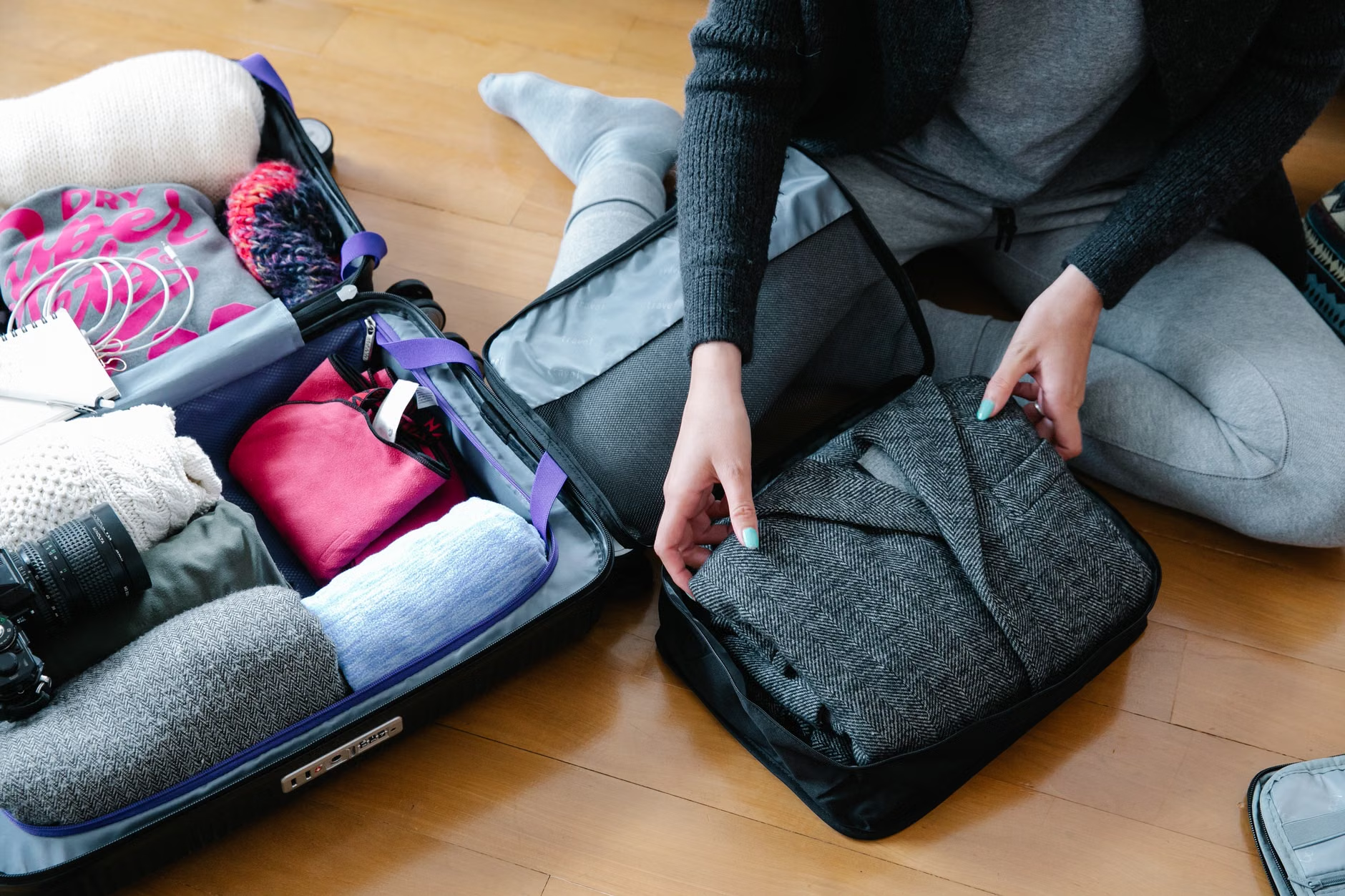
2. The “Layering” Packing Strategy
The biggest mistake travelers make in the shoulder season is over-packing for one specific type of weather. Because you are visiting during a transition, you might experience a 25°C (77°F) sunny day followed by a 15°C (59°F) breezy, rainy day. Pack high-quality layers: a light base layer, a warm sweater, and a high-quality wind-and-water-resistant outer shell. This allows you to adapt to the weather rather than being at its mercy.
3. Research Local Events
Many coastal towns hold festivals or local markets in the shoulder season to attract visitors. These are often much higher quality than the “tourist traps” of July. Check the town’s official calendar of events. You might find a harvest festival, a sailing regatta, or a local food market that provides a much deeper connection to the culture than a crowded beach day ever could.
Managing Expectations with Kids
If you are traveling with children, the lack of “guaranteed” beach weather can be a source of anxiety. The key here is to pivot your definition of a “beach trip.” Instead of focusing solely on swimming, focus on exploration. Coastal areas are perfect for tide-pooling, fossil hunting, sandcastle building that doesn’t require a swimsuit, and visiting local lighthouses or maritime museums.
When you remove the pressure of “having to get a tan,” the trip becomes about being together. If it rains, you have a board game in the rental. If it’s windy, you go for a brisk walk in your jackets. This teaches children that travel is about experiencing a place as it is, not as a curated postcard image.

Financial Realities: Where the Savings Actually Go
When you save 40% on your accommodation by choosing a shoulder-season date, don’t just put that money back into your savings account. Use it to upgrade the quality of your trip. This is the “value-add” strategy.
For example, if you would have spent $3,000 on a cramped hotel room in July, you might find a spacious, multi-bedroom house with a kitchen for $1,800 in September. You have saved $1,200. Now, instead of cooking every meal to save money, you can afford to eat at the best local restaurants every night, take a private boat tour, or hire a local guide for a day. You are essentially getting a luxury vacation for the price of a budget one.
This is a major psychological shift. Many people in their 30s and 40s feel guilty about spending on travel. By timing your trip strategically, you remove the guilt because you are being a smart consumer. You aren’t paying the “convenience tax” of the peak season.
Common Misconceptions About Off-Peak Travel
There is a persistent myth that off-peak travel is “boring.” This usually comes from people who define travel as “lying on a beach and drinking cocktails.” If that is your only goal, then yes, avoid the shoulder season. But if you value discovery, comfort, and meaningful experiences, you will find that the lack of crowds actually makes the destination more vibrant, not less.
Another misconception is that the weather is “bad.” In reality, the weather is just “different.” A stormy day on the coast can be spectacular. Watching waves crash against a pier from the safety of a cozy cafe with a hot drink is an experience you simply cannot have in the middle of July. It is about reframing the environment.
Refining Your Decision-Making Process
How do you know if you are ready for an off-peak trip? Use this checklist:
- Are you flexible with dates? If your child’s school schedule is rigid, you might be limited to the very beginning or end of the shoulder season.
- Is the destination “year-round”? Use Google Maps to check if restaurants and grocery stores have winter/off-season hours.
- Can you handle a bit of unpredictability? If you have a low tolerance for rain, stick to the “Early Shoulder” (May/June) which is statistically drier in many Northern Hemisphere regions.
If you meet these criteria, you are an ideal candidate for off-peak travel. The most important thing is to stop viewing the shoulder season as a “compromise” and start viewing it as a “strategic advantage.”
Ensuring Operational Success: A Practical Guide
To avoid the common pitfalls of traveling when everyone else isn’t, you need to be proactive. Here are the steps to ensure your trip goes smoothly:
Verify Essential Services
Before you finalize your booking, send a quick email to the property manager or hotel. Ask: “Are the local restaurants and the grocery store open during our stay?” This simple question can save you from arriving in a town that is essentially closed for the season. Most hosts are happy to provide this information and will even give you recommendations for the best places that stay open all year.
Check Transportation Schedules
If you are relying on public transport, be aware that ferry and bus schedules are often reduced after the peak season. Check the official transit websites or the local authority’s transport page. This is particularly important for coastal island destinations where ferries are the only way in or out.
The “Plan B” Mindset
Always have a “Plan B” for your days. If you planned a beach day but it turns out to be unexpectedly chilly, know where the nearest indoor attraction is. Whether it’s an aquarium, a museum, a cinema, or even a local library with a children’s section, having a backup plan keeps the stress levels low.
The Value of Local Connection
One of the most rewarding aspects of traveling in the off-peak season is the increased quality of service. In the summer, waitstaff are exhausted, overworked, and serving hundreds of people a day. In the shoulder season, they have the time to talk to you, offer recommendations, and treat you like a guest rather than a transaction. This is where you find the “insider” tips—the hidden beaches, the best local produce, and the quietest spots for a sunset view.
Don’t be afraid to ask questions. “What do you do when the tourists leave?” is a great conversation starter. You will often find that the locals themselves enjoy their town more during this time, and they are usually happy to share that experience with visitors who show a genuine interest in the place.
Final Takeaways for Your Next Trip
Traveling off-peak is not just about saving money; it’s about reclaiming your time and your experience. It is a deliberate choice to prioritize quality over the herd mentality of the peak season. By choosing the shoulder season, you are opting for space, authenticity, and a significantly more relaxed pace of life—exactly what you need when you’re balancing the demands of your thirties and forties.
Start by identifying a region you’ve always wanted to visit, then look at the shoulder months. Check the local events, verify the service schedules, and pack your layers. You’ll find that the coast is just as beautiful, and perhaps even more so, when you have it to yourself.
Frequently Asked Questions
1. Is it true that everything is closed in coastal towns during the off-season?
Not necessarily. While purely tourist-centric resort towns may board up, “working” coastal towns—those with year-round residents—remain open. Always check the official tourism board website for the specific town to confirm that essential services like grocery stores and restaurants are operating.
2. How do I handle the variable weather of the shoulder season?
The secret is in the “layering” strategy. Instead of packing for one type of weather, pack a base layer, a warm sweater, and a high-quality wind-and-water-resistant outer shell. This allows you to adjust your clothing throughout the day as temperatures fluctuate, ensuring you stay comfortable regardless of the forecast.
3. Will my kids be bored if we can’t swim every day?
Not at all. Coastal destinations offer far more than just swimming. In the shoulder season, you have the space to explore tide pools, go on nature walks, hunt for sea glass, and visit local cultural sites without the crowds. Frame the trip as an adventure of discovery rather than a standard “beach vacation,” and your kids will likely find the extra room to run and explore much more engaging than a crowded beach.
For more information on planning your next trip, check these resources: