The smartest way to travel across Europe with a family in your 30s or 40s is to stop thinking of the journey as a transit period and start using it as an overnight hotel room on wheels. By leveraging the revitalized European night train network during the off-season—roughly November to March—you can effectively eliminate the cost of a hotel night, avoid the stress of airport security lines, and wake up in the heart of a new city, refreshed and ready to explore.
- Maximize Your Budget: Booking a sleeper cabin during the off-season often costs less than a combined hotel room and two flight tickets, especially when considering hidden costs like airport transfers and baggage fees.
- Strategic Planning: The “Night-Train” network (e.g., ÖBB Nightjet) requires booking 3–6 months in advance for peak routes; off-season travel offers better availability, but you must still prioritize booking a private compartment if traveling with children.
- The “Door-to-Door” Advantage: Unlike flying, which requires arriving two hours early and navigating city-to-airport transit, night trains deliver you from central station to central station, saving roughly 4–6 hours of total travel time.
Why the Night Train is the Ultimate “Life Hack” for Parents
If you are in your 30s or 40s, your travel priorities have likely shifted from “getting there as fast as possible” to “getting there without a meltdown.” Flying with children is an exercise in logistics: liquids in bags, strollers at the gate, and the inevitable exhaustion of navigating an airport. The night train flips this script.
When you board a sleeper train, the “travel time” becomes “sleep time.” By the time the kids wake up, you have covered hundreds of kilometers. You aren’t just saving on a hotel room; you are saving the most precious commodity you have: time. In the off-season, the demand drops, meaning you can often secure a private compartment—a “Couchette” or “Sleeper”—at a price point that is genuinely competitive with budget airlines once you account for the “true” cost of air travel.
Let’s compare the math for a family of four traveling from Vienna to Paris. A flight involves: tickets + checked bags + airport shuttle + hotel night. A night train involves: the cost of a private sleeper cabin. In many cases, the train is not only cheaper but significantly less stressful. You can bring your own snacks, move around the cabin, and keep your luggage with you at all times. This is not just about saving money; it is about reclaiming your sanity.
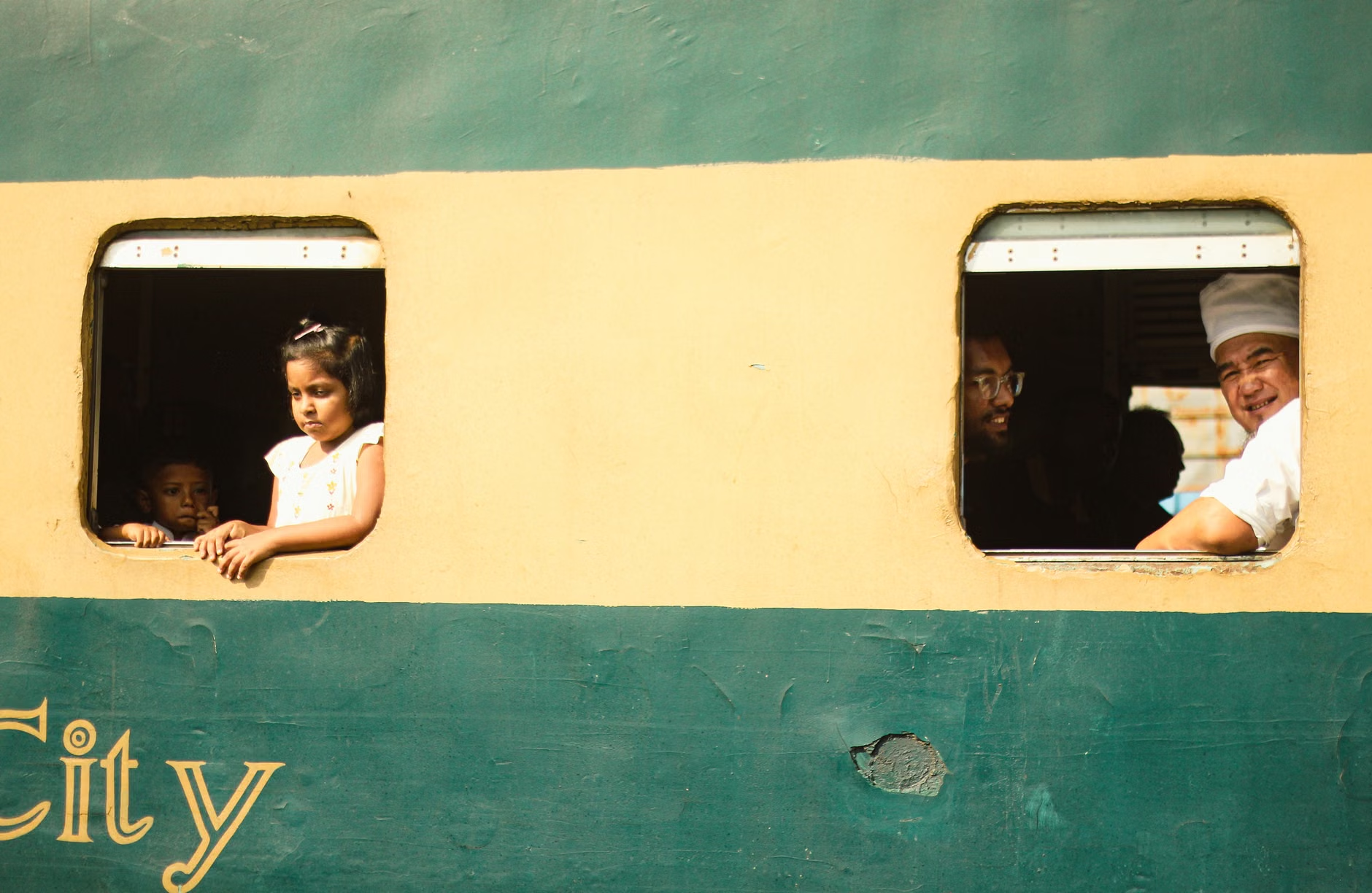
Understanding the Current European Night-Train Landscape
The resurgence of night trains in Europe is largely driven by the expansion of the ÖBB Nightjet network and various open-access operators like European Sleeper and Snälltåget. These aren’t the decrepit, uncomfortable trains of the past. Modern night trains are designed for efficiency and comfort.
However, the network is not a single, unified entity. It is a collection of national rail operators and private companies working in concert. For the traveler, this means you need to know which operator covers which route. The backbone of the current system is the ÖBB Nightjet, which connects major hubs like Vienna, Zurich, Berlin, Paris, and Rome.
Key Operators You Should Know
| Operator | Primary Routes | Best For |
|---|---|---|
| ÖBB Nightjet | Central/Western Europe (e.g., Berlin to Paris) | Reliability and modern comfort |
| European Sleeper | Brussels, Amsterdam, Berlin, Prague | Northern/Central connectivity |
| Snälltåget | Sweden to Germany/Austria | Budget-conscious longer hauls |
Understanding these operators is crucial because their booking platforms and service levels differ. ÖBB (Austrian Federal Railways) is the gold standard for integrated booking, while smaller operators might require booking via their own specific portals. Always aim to book directly through the operator’s website to avoid third-party markups and to ensure you receive real-time updates regarding delays or schedule changes.
Choosing the Right Accommodation Class for Your Family
When you are traveling with children, the “class” of service is not just about luxury; it is about privacy and safety. Night trains generally offer three categories of accommodation:
- Couchette: These are the most common. You get a bunk bed in a shared compartment (usually 4 or 6 beds). For a family of four, you can often book the entire compartment to yourselves. It’s functional, cost-effective, and safe.
- Sleeper (Wagon-Lits): These are more premium. They include real beds, often with a small washbasin in the cabin. These are ideal if you want a bit more space and the ability to lock your door securely for peace of mind.
- Seat/Reclining Seats: Avoid these for overnight travel with children. You will arrive exhausted, and the cost savings are rarely worth the loss of a night’s sleep.
Pro-tip: Always check if the train offers a “Private Compartment” option. Even if you are only three people, booking the fourth bed in a four-person couchette is often worth the extra cost to ensure no strangers are in your cabin with your children. This is a common mistake first-time travelers make—they try to save the cost of one bunk, only to find the lack of privacy makes the entire journey stressful.
Step-by-Step: Planning Your Off-Season Rail Journey
Planning a night train trip requires a different mindset than booking a flight. You aren’t just buying a seat; you are building an itinerary that relies on rail connections. Here is the framework for a successful trip:
- Identify the Hubs: Use the ÖBB Nightjet map to see which cities are connected. The off-season is perfect for visiting cities like Prague, Vienna, or Berlin, which take on a magical, less-crowded atmosphere in the winter.
- The 90-Day Rule: While some tickets go on sale 180 days out, 90 days is the “sweet spot” for securing the best prices. In the off-season, you have more flexibility, but popular routes like Paris to Berlin still sell out.
- Book the “Full” Cabin: As mentioned, prioritize privacy. If you are a family of four, book the 4-berth cabin. If you are a couple, look for 2-berth sleeper cabins.
- The “Last Mile” Plan: Because you arrive early (often around 6:00 AM or 7:00 AM), have a plan for where to drop your bags. Most major European stations have luggage lockers, or you can use services like “LuggageHero” or “Nannybag” to store bags at nearby shops while you grab breakfast.
One overlooked variable is the “border crossing” experience. While the Schengen Area makes this easy, some trains do have ticket checks in the middle of the night. Keep your passports and tickets easily accessible in a dedicated pouch. Do not pack them deep inside a suitcase; you do not want to be fumbling for them at 3:00 AM.
Common Mistakes and How to Avoid Them
The most common mistake is assuming the train will have high-quality dining options. While some trains have a bistro car, they are often limited in the late hours or may be closed entirely. For families, the “BYO-Snack” rule is absolute. Pack a cooler bag with water, fruit, and sandwiches. It saves money and prevents the “hangry” child scenario when the bistro car is closed.
Another mistake is underestimating the temperature in the cabins. Old-school trains can be drafty, and newer ones have air conditioning that can sometimes be set quite cold. Pack light layers or a small throw blanket for each family member. It makes the transition from the bunk to the station platform much more comfortable.
Finally, never assume your train will be on time. While European rail is generally efficient, night trains are susceptible to delays caused by freight traffic or maintenance work. If you have a tight connection to another train or a flight, build in a buffer of at least 3–4 hours. Do not book a “tight” connection; it is the surest way to ruin a trip.
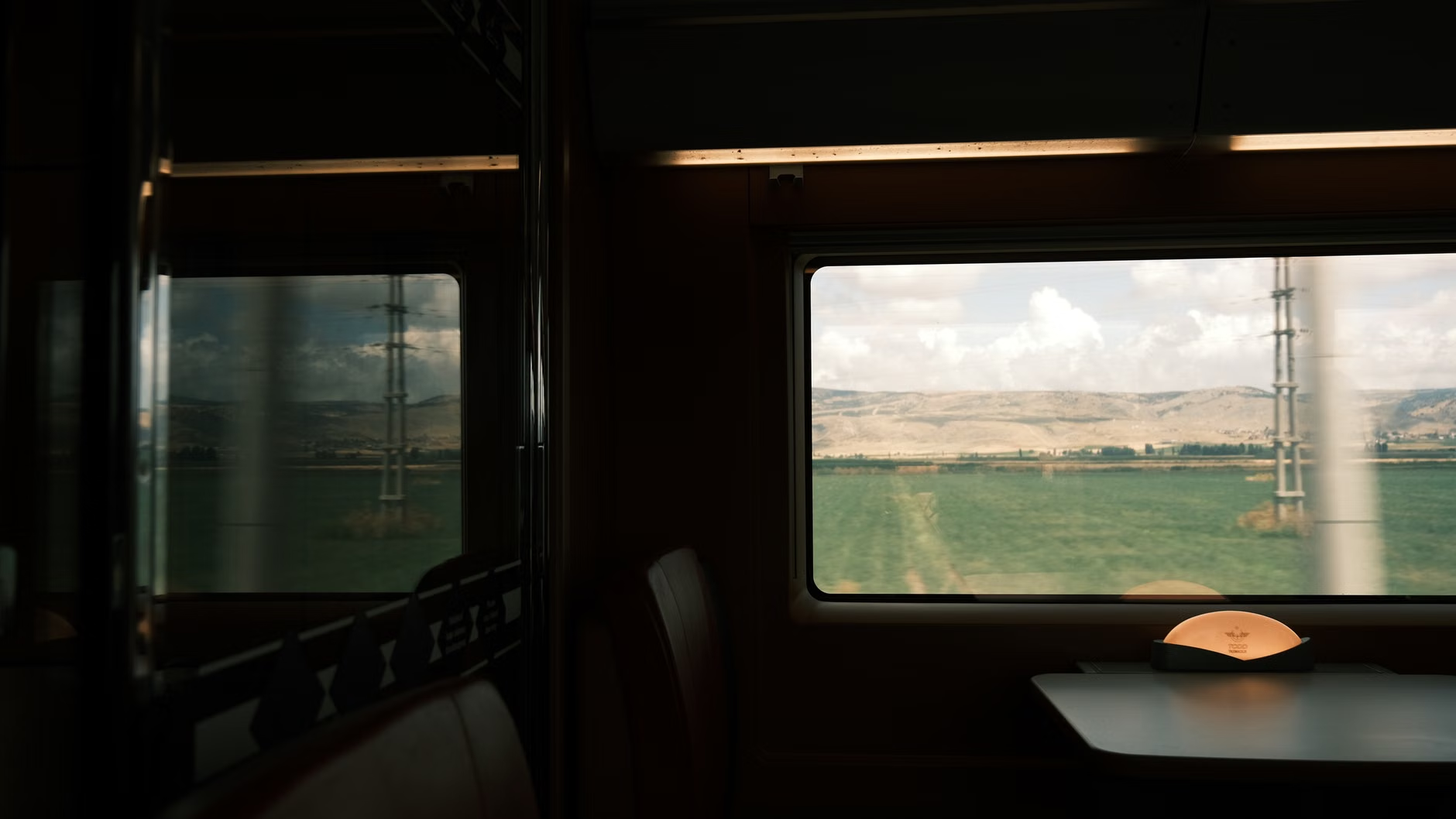
The Hidden Value of Off-Season Travel
Why choose the off-season? Beyond the obvious cost savings on tickets and accommodation, there is the social benefit. Popular European capitals are notoriously crowded during the summer. In the off-season, you can actually see the museums, walk the streets without being jostled, and experience a more authentic side of the city.
Furthermore, the night train itself is a more “human” experience in the off-season. The cabins are less likely to be fully booked, meaning you might get a little more elbow room. The conductors are often more relaxed and willing to help with luggage or questions. It turns travel back into a journey rather than a chore.
When you factor in that you are avoiding the carbon footprint of a short-haul flight, the decision becomes even more compelling. For parents in their 30s and 40s who are increasingly conscious of their environmental impact, the night train offers a way to explore the world without the “guilt” associated with excessive flying.
Strategic Considerations for Your Next Trip
Before you commit to a route, consider the “directionality” of your trip. Some routes are better serviced in one direction than the other. Check the schedules carefully. Also, look at the arrival time. An arrival at 5:30 AM can be tough with small children. If you have a choice, aim for a route that arrives between 7:30 AM and 8:30 AM. It allows for a better night’s sleep and a more civilized start to your morning.
If you are traveling with very young children, consider the “Sleeper” class over the “Couchette.” The Sleeper class often provides a more robust sound-dampening experience, which is essential if your kids are light sleepers. The extra cost is an investment in your own sleep quality, which is the most important factor in whether or not you enjoy your vacation the next day.
Lastly, keep an eye on the “Interrail” or “Eurail” passes. Sometimes, using a pass in conjunction with a seat reservation fee is cheaper than buying an individual point-to-point ticket, especially if you plan on taking multiple trains during your trip. Use the Eurail website to calculate if a pass makes sense for your specific itinerary before you finalize your booking.
In conclusion, the night train is not just a mode of transport; it is a strategic tool for the modern, busy family. It reclaims your time, simplifies your logistics, and offers a unique, memorable experience that a flight simply cannot match. By booking in the off-season, you gain the added benefits of lower costs and fewer crowds. Start by identifying one route that connects two cities you’ve been wanting to visit, and treat the journey as the first night of your vacation rather than just a way to get there.
Frequently Asked Questions
- Is it safe to leave my belongings in the cabin while I sleep?
Yes, most night train compartments have locks that can be secured from the inside. When you leave the cabin to use the restroom, keep your valuables (passports, wallets, phones) in a small crossbody bag that you can take with you. - Are there power outlets in the sleeper cabins?
Most modern night trains, especially the newer Nightjet models, are equipped with power outlets and USB ports at every bed. However, it is always wise to carry a portable power bank just in case of an older carriage configuration. - How do I handle food if I have dietary restrictions?
The dining options on board are often limited, and pre-packaged meals may not cater to specific allergies or dietary needs. The most reliable strategy is to pack your own food for the duration of the trip, especially breakfast, which is often a basic continental offering provided by the train.
For further reading and real-time schedule updates, consult the official ÖBB Nightjet portal or the Seat61 guide, which is widely considered the definitive resource for international train travel planning.