The most important truth about family voluntourism is that if the primary goal is a “meaningful experience” for your children, you are likely prioritizing your own family’s personal growth over the actual needs of the host community.
- The “Skill Gap” Reality: If a task requires no specialized training—like painting a wall or playing with children in an orphanage—it is likely a “feel-good” activity that displaces local labor rather than helping.
- The “Orphanage Tourism” Trap: Avoid any program that involves volunteering in orphanages or residential care facilities, as these are increasingly recognized by child welfare organizations as sites that fuel the separation of children from their families.
- Financial Transparency Matters: A legitimate ethical volunteer program should clearly disclose how your fees are spent; if the bulk of the money goes to the agency rather than the local project, it is a commercial product, not a service mission.
You’ve likely seen the photos on social media: a smiling family, surrounded by children in a developing country, all wearing matching t-shirts and looking noble. It’s a compelling image. For parents in their 30s and 40s, the desire to show our children the world—and teach them that “the world is bigger than our living room”—is a powerful parenting goal. But there is a fine line between a genuine cross-cultural exchange and what critics call “poverty tourism.”
When we pack our bags for a “volunteer vacation,” we are often entering a complex ecosystem where our presence might be doing more harm than good. Understanding the ethics of these trips isn’t about shaming ourselves for wanting to help; it’s about ensuring that our desire to be “good global citizens” doesn’t inadvertently harm the very people we intend to support.
Why Your “Help” Might Be Hurting the Community
In the world of international development, there is a concept called “displacement.” Simply put, it occurs when volunteers perform tasks that local people could—and should—be doing themselves. When a group of tourists spends a week building a school or painting a wall, they are often taking a job away from a local carpenter or painter who needs the income to support their own family.
Think about it: if you were a local business owner, would you want a group of well-meaning but untrained foreigners to renovate your shop for free, or would you prefer to hire a local expert who knows the climate, the materials, and the structural needs of the building? Most of the time, the latter is the better economic choice for the community.
Furthermore, there is the issue of “short-termism.” Children in schools or orphanages who become accustomed to a revolving door of short-term volunteers often experience “attachment trauma.” They form bonds with a well-meaning family for a week, only to watch them leave, replaced by a new group the following week. This cycle can be damaging to a child’s emotional development and sense of stability.

The “Orphanage Tourism” Red Flag
If there is one thing you take away from this guide, let it be this: avoid any program that centers on volunteering with children in residential care.
The “orphanage industry” in many parts of the world—particularly in Southeast Asia and parts of Africa—has become a perverse business model. In many cases, children living in these facilities are not actually orphans. They have living parents who have been convinced to give them up in exchange for the promise of education and food, funded by the fees of international volunteers. These children are essentially “human props” used to attract donations and volunteer labor.
Even in well-intentioned facilities, the presence of transient, untrained volunteers creates security risks. Legitimate child welfare organizations require rigorous background checks and long-term commitments for anyone working with vulnerable youth. If a program allows you to walk in and work with children after a simple sign-up process, it is a massive red flag.
How to Identify an Ethical Program
So, does this mean you should give up on the idea of volunteering abroad as a family? Not necessarily. But it means shifting your focus from “service” to “solidarity.” An ethical trip should be centered on listening, learning, and supporting local initiatives that are already being led by community members.
| Feature | Unethical/Performative | Ethical/Sustainable |
|---|---|---|
| Goal | Providing a “transformative experience” for the volunteer. | Supporting a community-led development goal. |
| Task | Construction, painting, or teaching without qualifications. | Supporting local staff, advocacy, or logistics. |
| Accountability | No public record of impact or budget. | Transparent reporting and local oversight. |
| Duration | Short-term (less than 2 weeks). | Long-term engagement or skill-based support. |
If you are looking for a way to give back, look for organizations that are local-led. These are groups where the leadership, the staff, and the decision-makers are all members of the community you are visiting. Your role should be to provide funding or specialized skills (like accounting, medical support, or engineering, if you are a professional) rather than manual labor that locals are perfectly capable of performing themselves.
Planning Your Trip: The Research Phase
Before you book a flight, you need to do the legwork. Many “voluntourism” agencies are for-profit travel companies that use the language of charity to sell a product. They market “impact” to parents who want to give their kids a “worldview-changing experience.”
Start by asking the agency these specific questions:
- “How much of my program fee goes directly to the local community versus the agency’s administration and marketing?” If they can’t answer this, walk away.
- “Is this project driven by a local community request or by the needs of your international volunteer recruitment?” You want to be there because they asked for support, not because you need a place to go.
- “What is the long-term impact of this project?” A sustainable project should have a clear exit strategy for when they no longer need outside help.

The Alternative: “Educational Travel” over “Voluntourism”
If your goal is to teach your children about the world, consider ethical tourism instead of voluntourism. Instead of trying to “fix” something in a week, go as a guest. Spend your money at locally-owned hotels, eat at local restaurants, hire local guides, and visit projects that are already flourishing.
You can teach your children about inequality, geography, and culture without ever needing to pick up a hammer. Visit museums, community centers, and historical sites. Engage in conversations. If you want to support a cause, make a direct donation to a reputable local NGO before you leave. This way, your money goes toward their actual needs, and your trip remains a respectful visit rather than a performative mission.
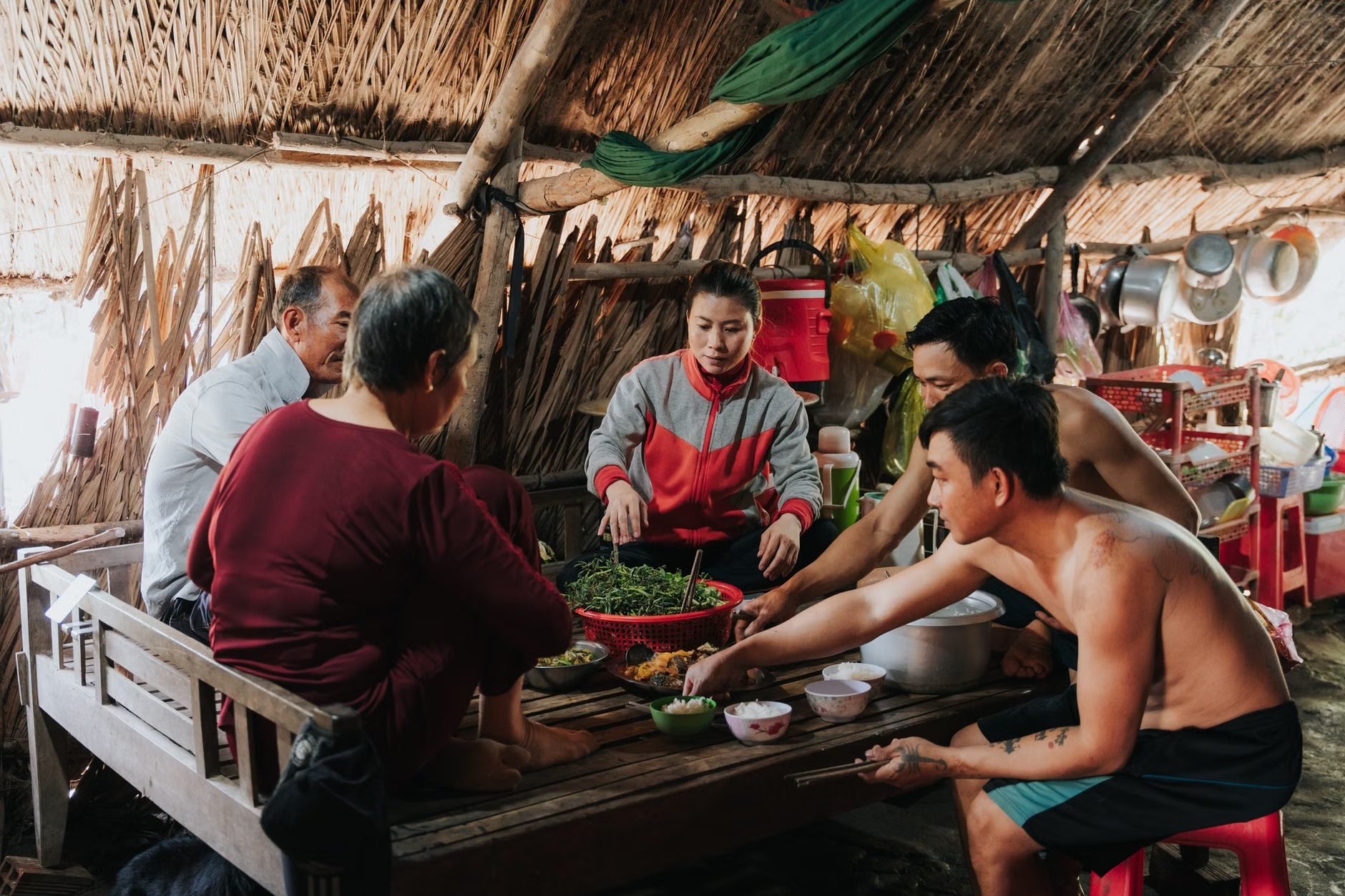
The “educational” aspect of travel comes from exposure, not intervention. Seeing how another family lives, how they prepare food, how they navigate their school system, and how they contribute to their community is a powerful lesson. It teaches children that different does not mean “less than,” and that our role as visitors is to be humble learners, not saviors.
Common Mistakes Parents Make
Even with the best intentions, it is easy to fall into traps that undermine the experience. One of the most common mistakes is “saviorism” in the classroom. Parents often want their children to “teach” English to local children. Unless your child is a trained educator, this is generally counterproductive. It disrupts the local curriculum and reinforces the idea that an untrained foreigner is more valuable than a local teacher.
Another mistake is over-sharing on social media. Before you post a picture of a local child on your Instagram, ask yourself: would you want a stranger to take a photo of your child and post it to their thousands of followers without your permission? Dignity and privacy are universal rights. If you wouldn’t do it at home, don’t do it abroad.
Finally, there is the “gift-giving” trap. Bringing suitcases full of candy, toys, or school supplies to hand out can create a culture of dependency and begging. It also bypasses the local economy. If you want to give school supplies, donate the money to a local school so they can purchase the materials they actually need, in the local market, which supports local businesses.
Building a Sustainable Framework for Your Family
If you are committed to the idea of a service-oriented trip, structure it around skill-sharing. Are you a doctor, a web developer, a lawyer, or a farmer? Can you offer those skills to a local organization in a way that respects their autonomy? If you are a parent, perhaps you can help an NGO with their communications or administrative work remotely, or spend your time there helping them organize their own resources. This is professional support, and it is almost always more valuable than unskilled labor.
Another approach is to choose a community-based tourism (CBT) program. These are programs where the local community manages the tourism infrastructure. By staying in a homestay, you are directly contributing to the local household’s income. By hiring a local guide, you are supporting their profession. These trips are often more authentic, more educational, and significantly more ethical than any “volunteer” package tour.
Remember that the “family-friendly” label on a tour brochure is often a marketing tool. It’s designed to make you feel safe and comfortable. Real engagement with a community is rarely “comfortable”—it requires effort, patience, and the humility to be a guest in someone else’s home.
Final Thoughts: The Most Valuable Lesson
The ultimate goal for our children shouldn’t be to teach them that they can “change the world” in a week. That is a dangerous illusion that sets them up for disappointment and reinforces a sense of superiority. Instead, the goal should be to show them that they are part of a global community where their actions have consequences.
Teach them to be curious, not judgmental. Teach them to ask questions rather than offer solutions. And most importantly, teach them that the best way to support a community is to listen to the people who live there, respect their expertise, and understand that our role as outsiders is often best served by simply being respectful, informed, and generous visitors.
If you can return from a trip having made a new friend, learned about a different way of life, and contributed to the local economy without disrupting the local social fabric, you have succeeded. Your children will carry that lesson with them far longer than they would carry the memory of painting a wall.
Frequently Asked Questions
1. Is it ever okay for children to volunteer abroad?
Yes, but the focus should be on age-appropriate activities that don’t involve vulnerable populations. Examples include helping with environmental clean-ups, participating in community gardening projects, or assisting in local animal welfare centers, provided these are organized by vetted local groups and do not displace local workers.
2. How do I know if an organization is legitimate?
Look for organizations that have been active in the community for years, not months. Check if they are registered locally and have a clear, transparent history of their projects. Avoid any agency that focuses heavily on the “experience” of the volunteer rather than the “outcome” for the community. You can also search for reviews from independent, non-travel-industry sources.
3. Should I bring supplies like books or clothes to donate?
Generally, no. Donating money to local organizations is almost always better. It allows them to purchase what they need locally, which is more cost-effective and supports the local economy. If you are determined to donate physical items, contact a local charity in the destination first to ask exactly what is needed, and ensure your donation is something they can actually use and maintain.
For further reading on responsible travel, you can consult the guidelines provided by the Responsible Travel initiative and the The Code, which works to protect children from sexual exploitation in the travel and tourism industry.