- Prioritize Hidden Storage: Quiet-luxury organization relies on “out of sight” solutions to eliminate visual noise, using closed bins and cabinetry rather than open shelving.
- Quality Over Quantity: Invest in durable, tactile organizational tools like wood, linen, or glass rather than plastic, which reduces the need for frequent replacements.
- The 80/20 Rule of Accessibility: Keep 80% of your household items tucked away and only leave the top 20% most frequently used items out, maintaining a curated, calm environment.
The “quiet-luxury” aesthetic isn’t just about expensive clothes or minimalist fashion; it’s a design philosophy that translates beautifully to home organization. For parents balancing hectic schedules, it offers a way to manage the inevitable chaos of family life without turning the house into a showroom that feels impossible to live in. The secret lies in reducing visual noise—the sheer amount of “stuff” our eyes process every time we walk into a room—and replacing it with a curated, tactile environment.
Why Visual Noise is the Enemy of Home Harmony
In our 30s and 40s, we are often managing multiple roles: professional, partner, parent, and household manager. When your home is filled with mismatched plastic bins, overflowing open shelves, and “clutter creep,” your brain never truly switches off. Research into visual clutter suggests that excess objects in our visual field compete for our attention, leading to increased cortisol levels and a lower ability to focus. This is particularly taxing when you are already dealing with the mental load of parenting.
Quiet-luxury organization is the antithesis of the “rainbow-organized” pantry trend. While those look great for a photo, they are often impractical for daily life. Quiet luxury focuses on monochromatic palettes, high-quality textures, and closed storage. It’s not about having fewer things; it’s about having a place for everything that doesn’t scream for your attention. When you walk into a room and see a uniform row of linen-lined baskets instead of a chaotic pile of toys, your nervous system actually responds differently.
The Foundations of the Quiet-Luxury System
To implement this in a family home, you need to shift your mindset from “storage” to “curation.” Most of us have been taught to buy storage containers based on what we see on social media, but that leads to more clutter. Instead, follow these three design principles:
1. The “Closed-Door” Mandate
If you can see it, it contributes to visual noise. In a busy home, the goal is to have as many items as possible stored behind doors or inside opaque containers. This doesn’t mean you can’t have toys or hobby gear; it means the storage vessel must be neutral and consistent. Replace clear plastic bins with woven seagrass, felt, or high-quality wood boxes. When everything is contained in a uniform way, the house feels larger and more intentional.
2. Tactile Consistency
Luxury is felt as much as it is seen. Plastic, while functional, often feels cheap and adds a glossy, busy reflection to your space. Quiet-luxury organization favors natural materials: wood, linen, wool, and heavy-duty canvas. These materials age gracefully and add a layer of warmth to a space. Even in a home with children, using sturdy wooden crates for toy storage is a better long-term investment than cheap plastic bins that crack after a year of use.
3. The “Single-Function” Rule
Avoid “catch-all” zones. A catch-all drawer or basket is where organizational systems go to die. Every storage unit in your home should have a specific, defined purpose. If a basket is for “mail,” it cannot also hold car keys, batteries, and loose change. By assigning a single function to each container, you eliminate the mental friction of wondering where things go—or where they are.
Implementing the Strategy: Room by Room
You don’t need to overhaul your entire house in a weekend. In fact, doing so usually leads to burnout. Start with the “high-traffic, high-stress” zones where you spend the most time.
The Living Area: Managing the “Toy Explosion”
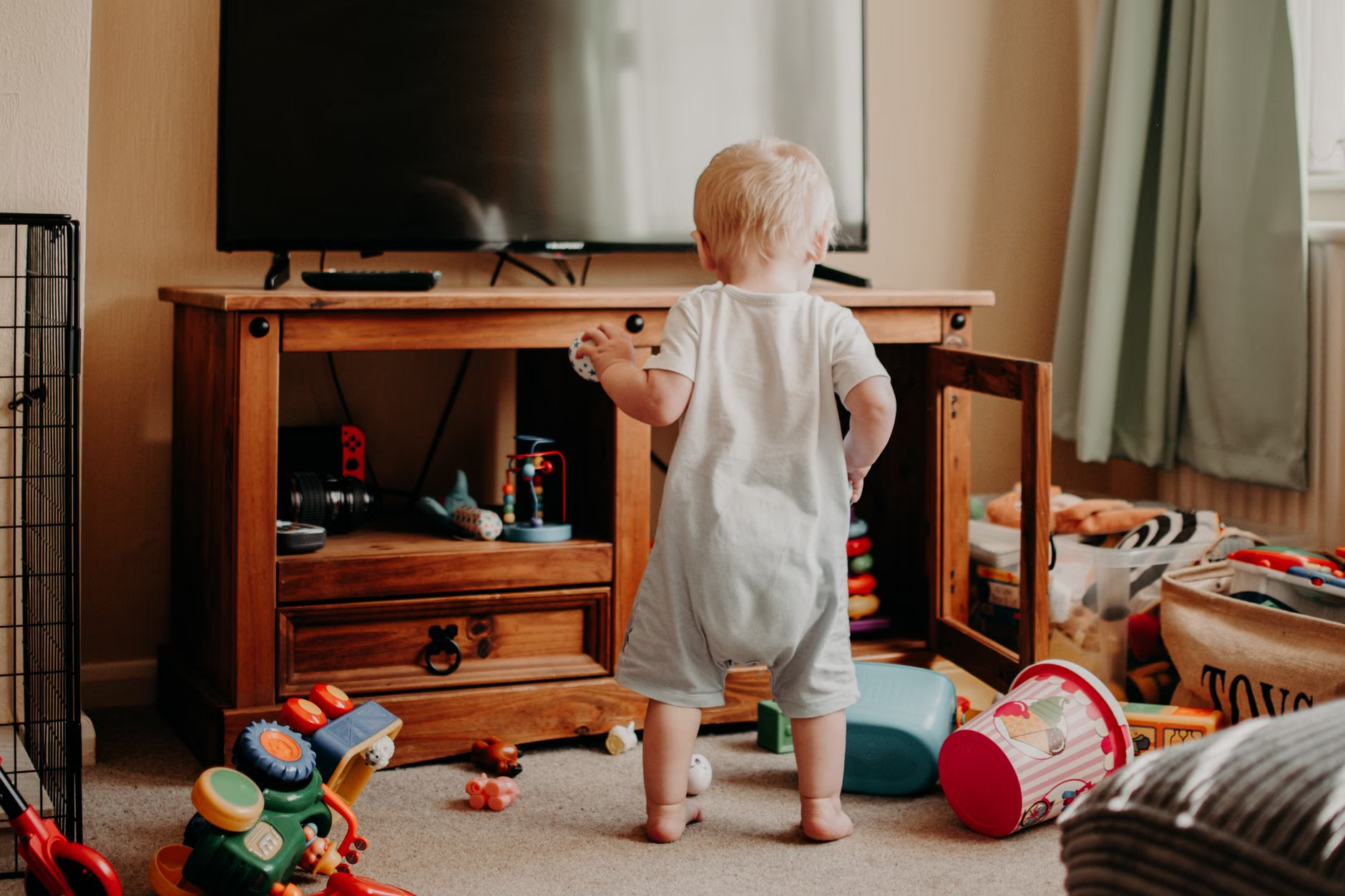
The living room is where the conflict between parenting and aesthetics usually peaks. The solution is to integrate furniture that doubles as storage. Look for ottomans with internal storage or media consoles with doors rather than open shelving. For toys, use a “rotation” system. Keep only 20% of the toys out at any given time, stored in large, uniform bins that match your decor. The remaining 80% go into a closet. This keeps the living room feeling like an adult space, even when the kids are home.
The Kitchen: Curated Countertops
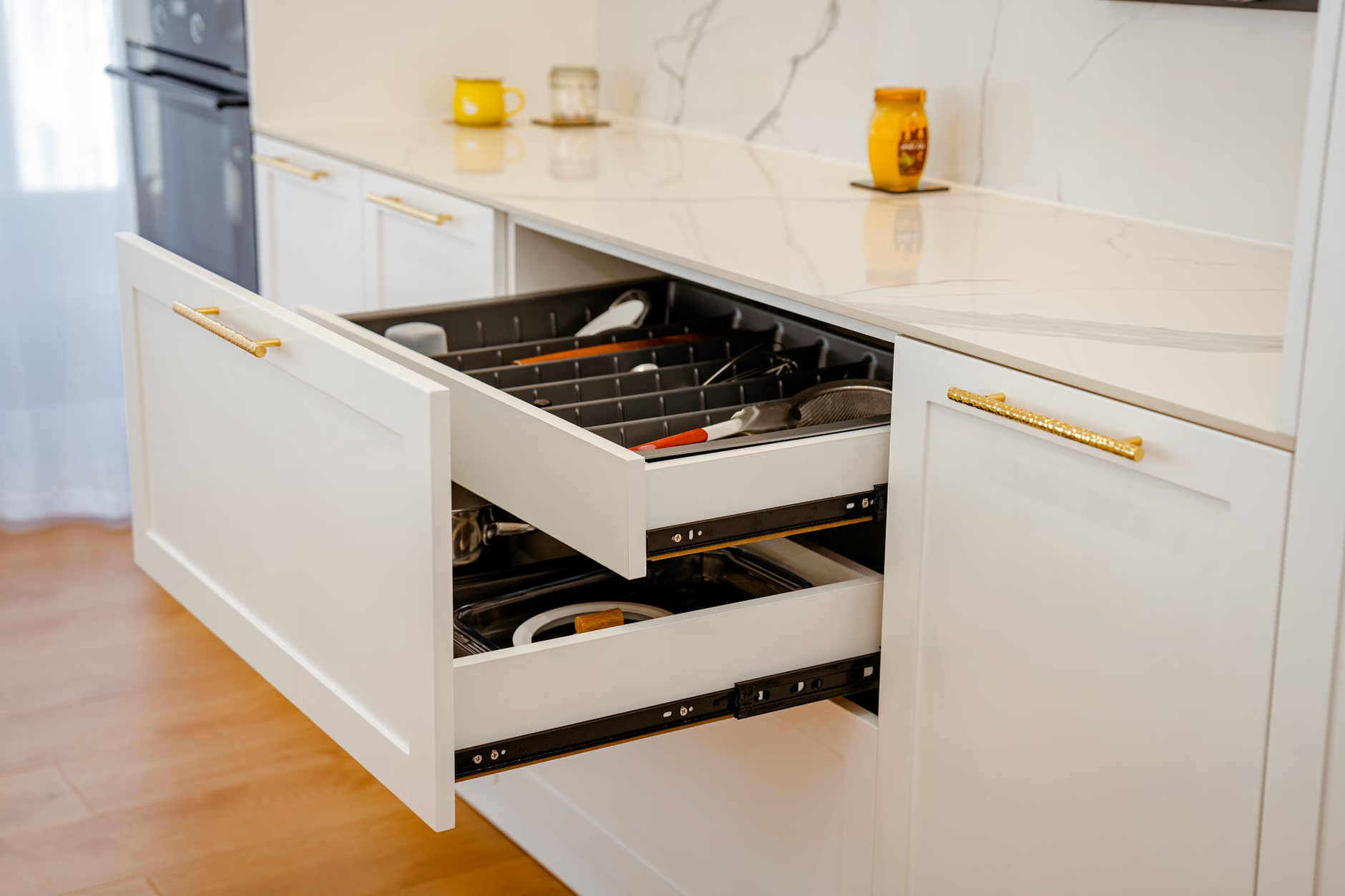
The “quiet” part of quiet luxury is most important here. Countertops should be clear of everything except the absolute essentials (e.g., a coffee maker and a fruit bowl). Everything else—spices, oils, utensils—should be tucked away. If you have open shelving, use it for items that are uniform in color or shape, like white ceramic plates or glass jars with matching labels. If your items are mismatched, they belong in a cupboard.
| Item Type | Common Mistake | Quiet-Luxury Approach |
|---|---|---|
| Kitchen Spices | Original mismatched plastic bottles | Uniform glass jars with simple, clear labels |
| Children’s Toys | Open plastic bin “dump” | Color-coordinated closed felt or wooden bins |
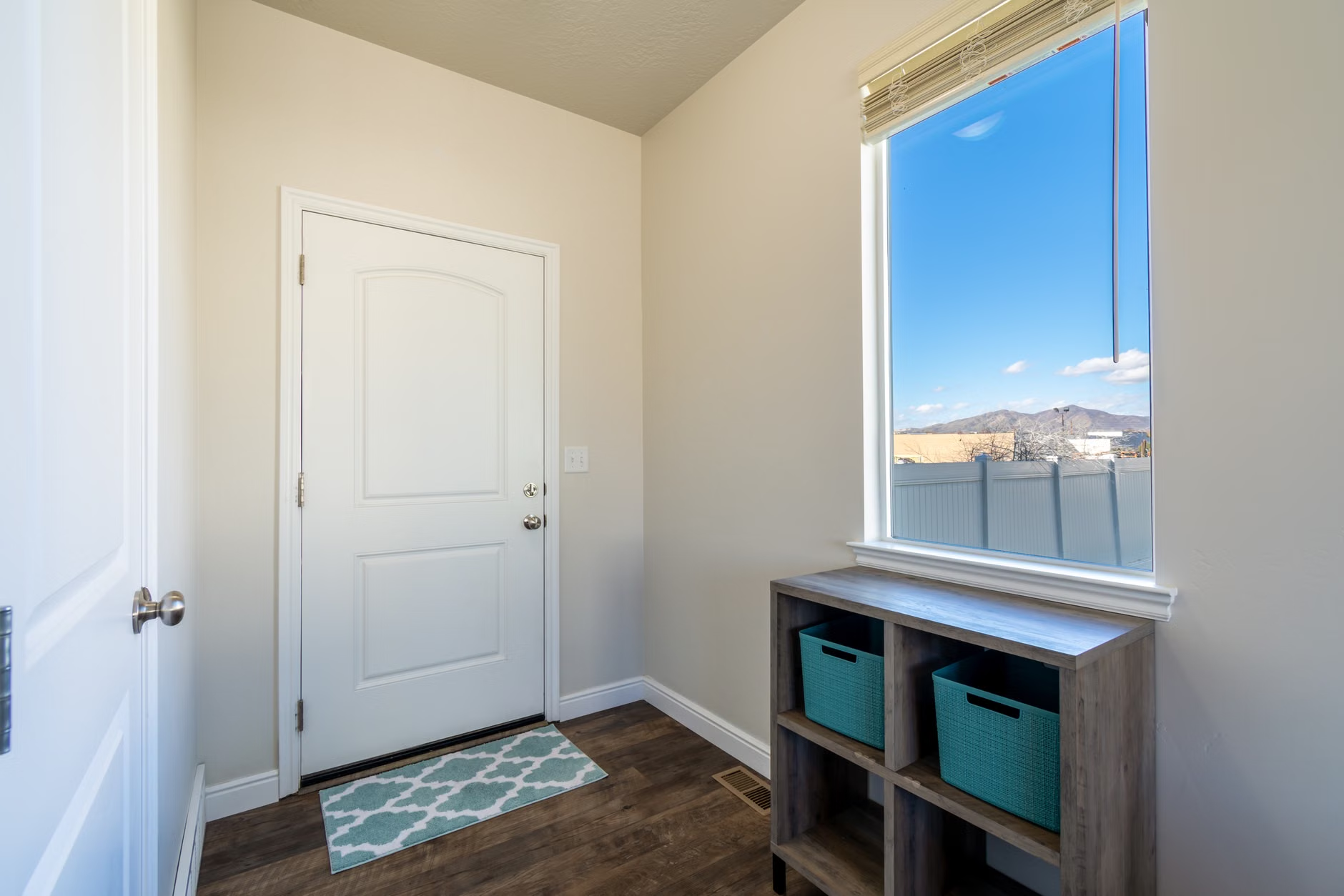
| Entryway Shoes | Scattered on the floor | Hidden shoe cabinet or a single, large natural fiber basket |
Common Pitfalls and How to Avoid Them
One of the biggest misconceptions is that quiet-luxury organization is just “minimalism.” It isn’t. You can have a full, vibrant family life and still embrace this aesthetic. The mistake people make is trying to hide everything, which makes a home feel sterile and unusable. The goal is curated accessibility.
Another common mistake is purchasing expensive organizational tools before decluttering. Never buy the bin until you know exactly what is going inside it. If you buy a beautiful linen box and then fill it with junk you don’t need, you haven’t organized; you’ve just hidden the mess. Always go through the “edit” process first: donate, recycle, or store off-site.
Consider the “hidden cost” of maintenance. If your organization system is too complex—for example, requiring a label maker for every single item inside a drawer—it will fail the moment life gets busy. For families, the system needs to be forgiving. It should be easy enough for a child or a tired partner to put things back in the right place without needing a manual.
Maintaining the System Over Time
Organization is a verb, not a noun. It is a recurring process, not a one-time project. To keep the quiet-luxury feel in a busy household, implement a “reset” ritual. This isn’t a deep clean; it’s a 10-minute nightly sweep. Because your items now have “homes” in closed containers, the sweep becomes a matter of putting things back into their designated vessels rather than trying to find a place for them.
When you encounter a new item entering the home—a new toy, a piece of mail, a kitchen gadget—ask yourself: “Does this have a home?” If the answer is no, you have two choices: find a home for it, or let it go. This decision rule prevents the slow, creeping accumulation of clutter that eventually destroys any organizational system.
The Psychology of “Quiet” Spaces
There is a profound psychological benefit to living in a space that feels calm. For parents, who are often over-stimulated by noise, requests, and constant movement, the home environment should act as a buffer. When your physical space is orderly and visually muted, it provides a sense of control. This isn’t about being a perfectionist; it’s about creating a foundation that allows you to be more present with your family.
Think about the “input” your home provides. If your home is full of bright colors, plastic surfaces, and visible clutter, your brain is constantly processing that input. If your home is characterized by neutral tones, soft textures, and clear surfaces, you are reducing your cognitive load. This is why “quiet luxury” feels so restorative. It’s not just a trend; it’s a form of self-care.
Practical Steps to Begin Your Transformation
If you feel overwhelmed by where to start, follow this path:
- Select one “pain point” zone: Usually the kitchen junk drawer or the entryway.
- Clear it out: Remove everything. Yes, everything.
- Edit: Be brutal. If you haven’t used it in a year, it doesn’t belong in your quiet-luxury home.
- Categorize: Group like items together.
- Contain: Choose one type of container that matches your existing furniture.
- Label (Optional): If you share the space, use subtle, understated labels so others know where things belong.
Remember, the goal is to make your life easier, not harder. If a system requires too much maintenance to keep up with, adjust it. The best organizational system is the one that actually works for your specific family dynamics.
Final Thoughts on Sustaining the Aesthetic
Quiet-luxury organization is about longevity. By investing in quality materials and a system that prioritizes closed storage, you are building a home that can withstand the chaos of daily life. It is not about keeping your home perfect; it is about keeping your home functional and calming. When the inevitable mess happens—and it will, because you have a life—you will find that your home is much easier to restore to its base state because you have eliminated the clutter that makes cleaning feel like a monumental task.
Start small, be consistent with your containers, and always prioritize the “closed-door” rule. Over time, you will find that your home becomes a place that truly supports your well-being rather than one that adds to your list of chores.
Frequently Asked Questions
Q: Is quiet-luxury organization expensive?
A: It can be, but it doesn’t have to be. While high-end materials like solid wood or linen are pricier, the “quiet-luxury” approach emphasizes buying fewer, higher-quality items that last. You can find excellent, neutral-toned storage solutions at various price points. The key is to avoid buying cheap, disposable plastic organizers that need to be replaced every year.
Q: How do I maintain this with young children?
A: The key is to make it easy for children to participate. Use low, open-top bins for toys that are easy to grab and put back. Even if the inside of the bin is a bit messy, the closed storage hides the visual chaos from the rest of the room. Labeling bins with pictures or simple text helps children learn where items belong, fostering independence while maintaining the aesthetic.
Q: What if I don’t have enough cabinet space to hide everything?
A: If built-in storage is limited, look for “furniture-style” storage. Ottomans, benches with hidden compartments, and tall, closed-door armoires can act as additional storage while adding to the room’s decor. Avoid open shelving unless you are strictly using it for a few curated, uniform items. If you have to display items, choose a few high-quality pieces and leave the rest of the space clear.
Further Reading and Resources: