Modular furniture is the single most effective way to stop the cycle of buying, discarding, and replacing expensive children’s gear every 24 months. By investing in systems designed to evolve—rather than static pieces designed for a specific developmental stage—you minimize long-term costs and reduce household clutter.
- The “Growth Gap” Cost: Standard nursery furniture often becomes obsolete by age three; modular systems extend the lifecycle of your investment to age 12 or beyond.
- Material Matters: Look for solid wood or high-density composite materials with standardized hardware, as these are the only pieces that can withstand multiple reconfigurations over a decade.
- The Spatial ROI: Modular units allow you to reconfigure a room’s layout to accommodate changing needs, such as converting a play area into a dedicated study space without buying new furniture.
If you have ever looked at a toddler-sized plastic chair or a specialized changing table that now serves as a glorified laundry rack, you know the frustration of the “disposable parenting” trap. We often buy items that look cute for the nursery but lack the structural integrity or functional flexibility to survive a child’s transition into primary school. The result? You end up paying for the same function—storage, seating, or sleep—three or four times before your child hits puberty.
Modular furniture flips this script. Instead of “miniature” furniture, you are looking for “scalable” furniture. It is an approach that treats your child’s room not as a static snapshot of their current age, but as a living environment that adapts to their height, interests, and academic needs. Let’s break down how to make this work without turning your home into a construction site.
Understanding the Mechanics of Adaptable Design
Modular furniture isn’t just about pieces that “look” versatile; it is about standardized systems. The core of a good modular piece is an interface that allows for expansion or height adjustment. Think of it like building blocks for your home: the base units remain, while the components change.
When you are shopping, ignore the “nursery” section. Often, items branded specifically for babies carry a premium price tag while lacking the durability of adult-grade, entry-level furniture. Look instead for “convertible” or “modular” systems. A critical detail to watch for is the availability of spare parts. If a company stops producing a specific connector or bolt in two years, your modular system becomes a static one. Always check if the manufacturer has a history of maintaining their product lines over long periods.
The Ergonomic Advantage of Adjustable Heights
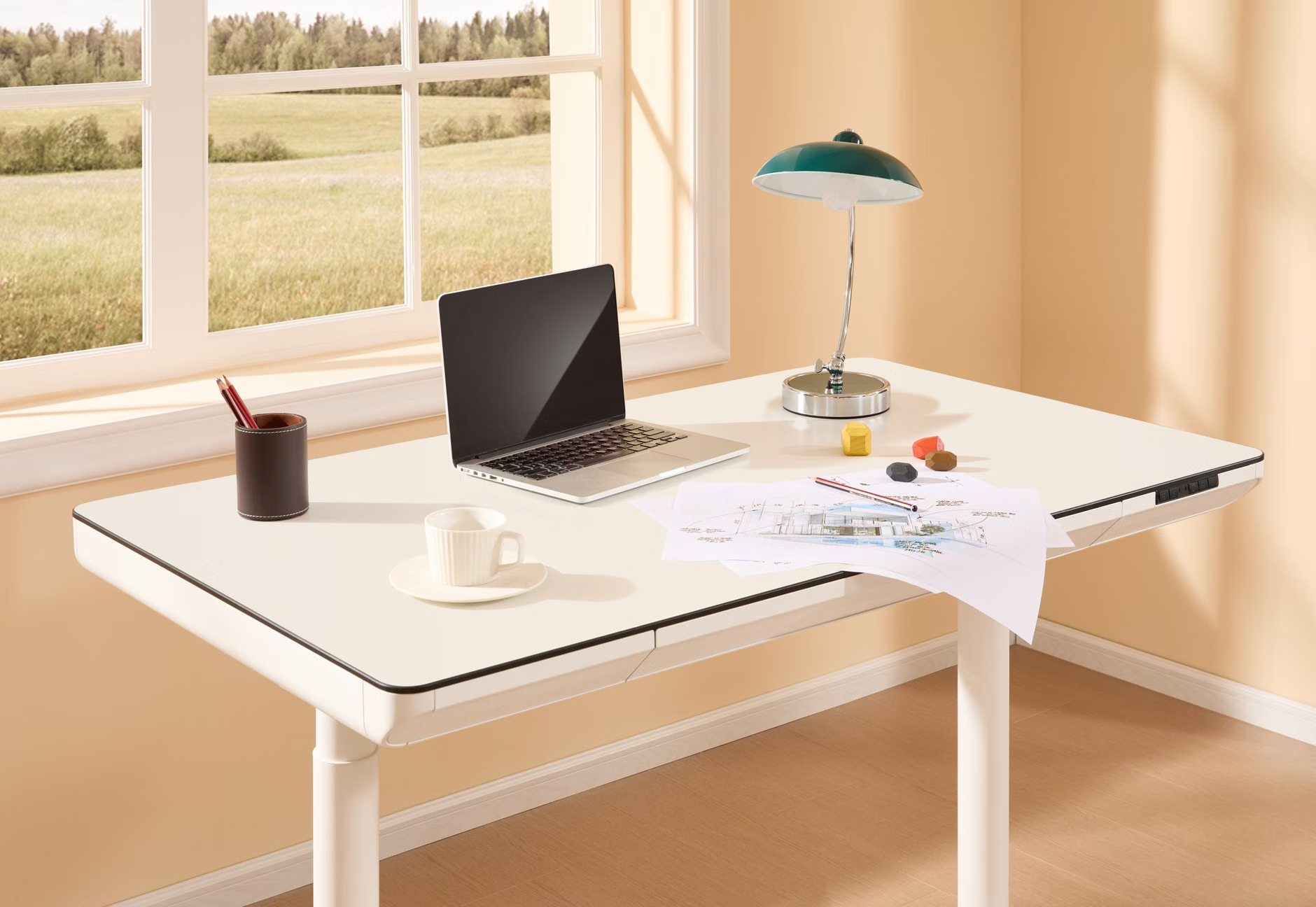
One of the biggest hidden costs of childhood is poor posture and discomfort caused by furniture that is the wrong size. When a child sits at a table that is too high, they hunch; if it is too low, they slouch. Modular desks that feature adjustable legs or desktop heights are not just a luxury—they are an ergonomic necessity. By adjusting the desk height by just 5cm every year, you ensure that your child’s workstation remains comfortable and conducive to focus during their formative years.
Why Static Furniture Is a Financial Black Hole
Let’s look at the math. A standard, low-quality toddler bed set might cost $300. By age five, you replace it with a single bed ($400). By age 10, the child wants a “teen-style” room, and you replace it again ($600). That is $1,300 spent over a decade. A high-quality modular bed frame that starts as a toddler floor bed and converts into a standard twin bed with storage underneath might cost $800 upfront. You save $500, but more importantly, you save the time and labor involved in shopping, assembling, and disposing of three different sets of furniture.
| Factor | Static Furniture (Nursery/Toddler) | Modular Furniture System |
|---|---|---|
| Lifespan | 2–3 years | 8–12 years |
| Resale Value | Low (often discarded) | High (parts can be sold separately) |
| Sustainability | High waste (landfill) | Low waste (reusable parts) |
| Flexibility | Zero | High (changeable layouts) |
The table above illustrates a clear trend. While the upfront investment for modular pieces can be 20% to 30% higher, the “cost per year of use” is significantly lower. Furthermore, the environmental impact of modular furniture is vastly superior. By keeping the same base materials in your home for a decade, you are actively reducing the carbon footprint associated with manufacturing and shipping new goods.
Strategic Implementation: Where to Start
You do not need to replace everything at once. In fact, doing so is a mistake. The best approach is to identify the “high-friction” zones in your home. These are the areas where you find yourself constantly moving things around or where your child is outgrowing their equipment.

Start with storage. Children’s interests shift rapidly—from blocks to board games to sports equipment. A modular storage system using open-faced cubes is the gold standard here. You can use these cubes to store soft toys when they are small, then shift to bins for organizing school supplies, and eventually use them as an open bookshelf for a teenager. The key is ensuring the unit is sturdy enough to hold the weight of books, not just light plastic toys.
Common mistake: Buying modular furniture that is “too cute.” Avoid furniture shaped like animals or painted in hyper-specific themes. A neutral, high-quality wood finish or a matte white/grey will last much longer because it won’t look “childish” in a few years. Let the child express their personality through accessories—bedding, lamps, and wall art—which are cheap and easy to swap out.
The Hidden Variables of Modular Design
Beyond the aesthetics and the math, there are structural factors that often get overlooked. One of the most important is the hardware. Modular furniture relies on screws, brackets, and dowels. If the furniture is made of cheap particleboard, the holes will strip after one or two reconfigurations. This is why you should prioritize solid wood or high-density MDF (Medium-Density Fibreboard) with metal-to-metal connections.
Another overlooked variable is the “footprint creep.” Just because a modular unit *can* grow doesn’t mean it *should* expand into every corner of the room. Always measure your space for the “final” configuration—the version of the piece that will exist when your child is 12 or 13. If the desk or bed becomes too large for the room at that stage, the modularity won’t save you from having to buy something new later.
Step-by-Step Selection Guide
- Measure the “End State”: Before buying, map out where the furniture will sit when your child is older. Ensure there is enough clearance.
- Check the Connection Points: Ensure the hardware is robust. If it uses plastic cams or simple wood screws, be wary. Look for threaded metal inserts.
- Test the Finish: Will the surface survive markers, stickers, and the occasional spilled drink? A matte, durable lacquer is usually better than a high-gloss finish which shows every scratch.
- Verify Brand Longevity: Can you buy a new top or an extra leg in five years? If the store is a fly-by-night brand, walk away.

Addressing the “Teenage Transition”
The most difficult phase for parents is the transition from “child” to “teen.” This is when children often reject their old room entirely. If you have invested in modular furniture, this is where you get your best ROI. A modular bed can often be stripped of its “childish” frame elements to look like a platform bed. A desk that was once a drawing station can be stripped of its bright-colored organizers and used as a minimalist computer desk.
By involving the child in the “reconfiguration” process, you turn a chore into a project. It gives them a sense of ownership over their space. Instead of a full room overhaul, you are simply “updating” the configuration. It is a powerful way to manage the transition without the stress of a complete remodel.
Sustainability and the Circular Economy
When you eventually decide to move on from a piece of furniture, modular systems are much easier to re-sell or donate. Because they can be disassembled, they are easier to transport than a bulky, pre-assembled dresser. You can even sell individual components—if you have a desk with an extra shelf module that you no longer need, that module can be sold as a standalone piece. This contributes to the circular economy and ensures that your investment continues to provide value, even after it leaves your home.
Be cautious about buying “used” modular furniture unless you are certain you have all the original hardware. Missing a single proprietary bracket can render the entire system useless. If you do buy secondhand, check the manufacturer’s website first to see if they offer a “replacement parts” service for older models.
Final Thoughts on Smart Parenting Investments
Choosing modular furniture is a commitment to a different philosophy of home management. It requires you to think ahead and prioritize quality over immediate, low-cost convenience. While it takes more effort to research and assemble these systems, the payoff is a home that grows alongside your child, saving you thousands of dollars and countless trips to the furniture store over the next decade.
Start small, choose neutral colors, and prioritize structural integrity. Your future self—and your bank account—will thank you when your child is in middle school and you haven’t had to buy them a “whole new room.”
Frequently Asked Questions
1. Is modular furniture really more expensive than standard options?
The upfront cost is often higher, but the “cost per year” is significantly lower. When you calculate the price of replacing furniture every few years versus buying one modular set that lasts a decade, you almost always come out ahead with the modular option.
2. How do I know if the furniture will still be supported by the company in five years?
Look for established brands with a long track record. Avoid “fast furniture” retailers that rotate their inventory every season. Check if the company has a dedicated “parts” or “support” section on their website. If they don’t, they likely don’t intend to support the product for the long term.
3. Can I mix and match different modular brands?
Generally, no. Modular systems are proprietary. The spacing of holes, the size of screws, and the locking mechanisms are usually specific to one manufacturer. If you want to expand a system later, you must stick to the same product line, so make sure you choose a system you are happy with from the start.
For further reading on sustainable home choices and child development environments, you may find these resources helpful: