The most effective way to reclaim your evening is not by banning technology entirely, but by establishing a firm, two-hour “digital sunset” that creates a predictable boundary between your work-life obligations and your family’s downtime.
3 Key Takeaways for Busy Parents
- Consistency beats intensity: A shorter, daily two-hour window is significantly more effective for building long-term habits than sporadic “digital detox” weekends.
- The “Phone Parking” Rule: Physical separation is the only reliable way to reduce cognitive friction; if you can see your phone, you are already partially distracted.
- Active replacement is mandatory: You cannot simply remove screens; you must provide low-friction, high-engagement alternatives to prevent the “boredom protest.”
Why Your Evening Feels Like a “Second Shift”
If you are in your 30s or 40s, you likely spend your day managing a relentless stream of notifications, emails, and logistical coordination. By the time 7:00 PM rolls around, your brain is suffering from what researchers call “decision fatigue.” When we are exhausted, our default setting is to reach for a screen because it provides low-effort, high-dopamine stimulation. This is why you find yourself mindlessly scrolling through social media while your children are playing nearby—you are physically present, but cognitively checked out.
The problem isn’t that you don’t want to connect with your family; it’s that your brain is attempting to recover from a high-stress day using the fastest method available. Unfortunately, this recovery method is ineffective. Research into “technoference”—the interference of technology in interpersonal interactions—suggests that even the mere presence of a smartphone on a table reduces the depth of conversation and the perceived quality of the interaction. When we use screens to “unwind,” we aren’t actually resting; we are just shifting from one type of cognitive load to another.
The Anatomy of a 2-Hour Digital Sunset
To make this work, you need to view the two-hour window not as a punishment, but as a sanctuary. The goal is to move from “passive consumption” (scrolling, watching, reacting) to “active engagement” (doing, discussing, creating). This transition requires a clear, non-negotiable ritual.
Step 1: The Ritualized “Parking”
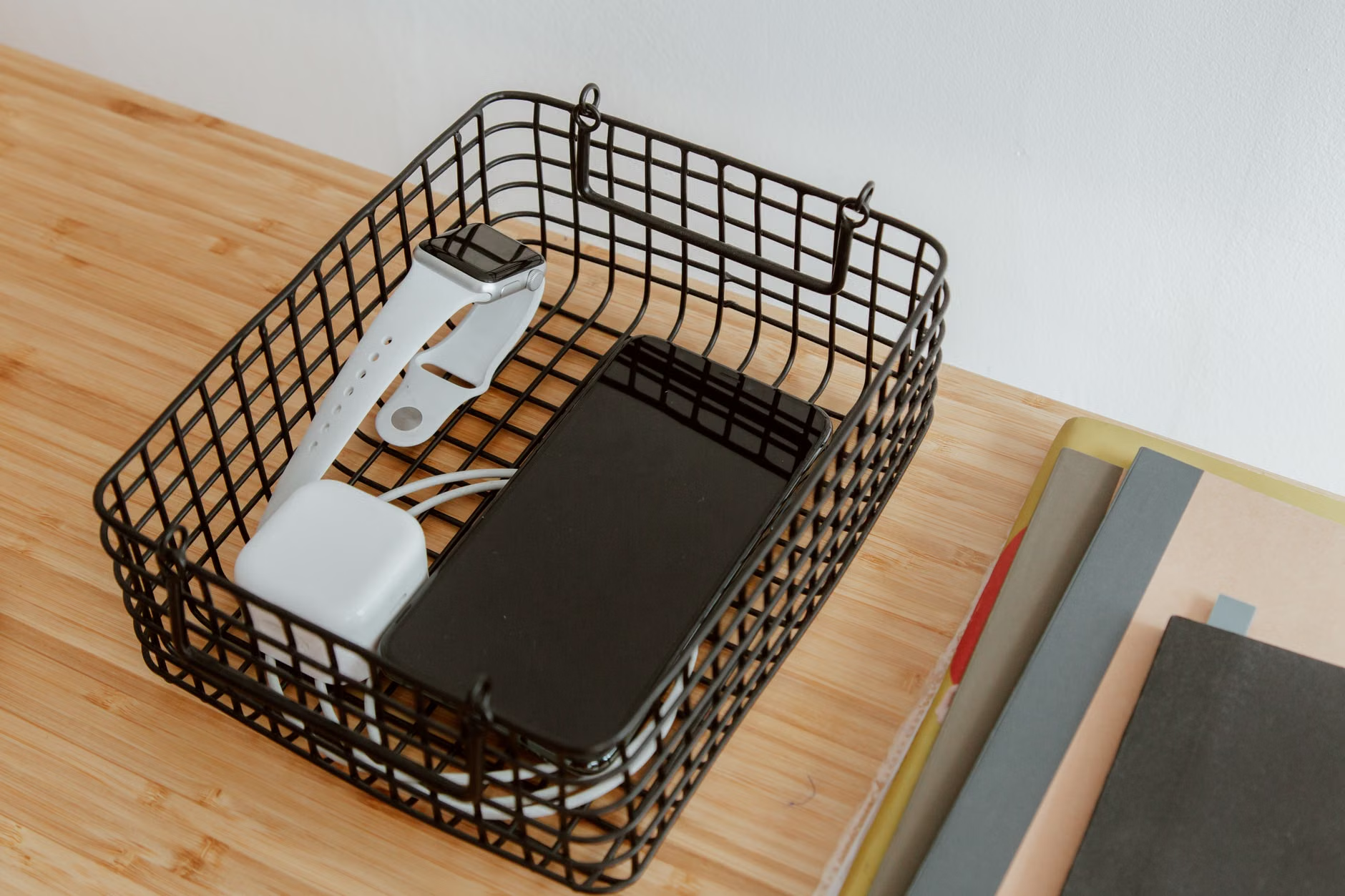
Designate a specific charging station—ideally in a room other than the living room or dining area. At a set time (e.g., 7:00 PM), every member of the family “parks” their devices. For children, this is a non-negotiable rule. For adults, this is a modeling opportunity. If your children see you checking a “work email” at 7:30 PM, the entire ritual loses its authority.
Step 2: The “Low-Friction” Setup
The biggest mistake parents make is waiting until the screens are off to decide what to do next. When you reach that transition point, if you haven’t prepared an activity, the vacuum will be filled by the urge to turn the screen back on. You need “low-friction” activities ready to go.
| Activity Type | Preparation Level | Best For… |
|---|---|---|
| Low-Energy | Minimal | End-of-day exhaustion when everyone is tired. |
| Active | Moderate | High-energy evenings where kids need to burn off steam. |
| Creative | High | Weekends or when the family needs a shared project focus. |
For low-energy evenings, keep a stack of books or a deck of cards on the coffee table. For high-energy, keep a small basket of building blocks or a puzzle in a visible, accessible location. The secret is that the “barrier to entry” for these activities must be lower than the barrier to reaching for a phone.
Addressing the “Boredom Protest”
When you first implement a screen-free evening, you will encounter resistance. This is normal. Your children (and perhaps your partner) have been conditioned to expect a steady stream of entertainment. When that stops, the initial reaction is usually boredom, followed by agitation.
It is crucial that you do not “solve” this boredom by immediately offering a new form of entertainment. If you do, you are teaching them that they are incapable of managing their own attention. Instead, use the “Two-Option Rule.” If they complain about being bored, offer two low-tech choices: “We can work on the puzzle together, or you can finish that book you started yesterday. Which would you prefer?”
This simple shift moves the responsibility of engagement from you to them. It also respects their autonomy. By giving them a choice, you reduce the likelihood of a power struggle while still maintaining the boundary of the screen-free environment.
Common Pitfalls and How to Avoid Them
Many parents abandon the screen-free ritual within the first week because they encounter common, predictable obstacles. Understanding these before you start will help you maintain the habit.
The “Emergency” Fallacy
The most common excuse for checking a phone is, “What if there is an emergency?” While valid, this is rarely the reality. Most notifications are not emergencies. If you are worried about urgent calls, use the “Do Not Disturb” settings on your phone to allow calls from specific contacts (e.g., family members, school, or work leads) while blocking all other notifications. This gives you peace of mind without allowing the “scroll-hole” to open.
The “Unfinished Business” Trap
If you are a parent who works from home or manages household logistics, you likely feel that the evening is the only time you can “get things done.” This is a trade-off. If you prioritize the screen for productivity, you lose the opportunity for connection. Decide on one 30-minute block *before* the 2-hour window starts to clear your most urgent digital tasks. After that, commit to being offline. The emails will still be there in the morning; the window of time to talk to your child about their day will not.

Structuring the Two Hours for Maximum Connection
How do you actually fill 120 minutes without screens? The key is to avoid “forced fun.” If you try to turn every evening into a structured family activity, you will burn out. Instead, cycle through different modes of interaction.
The First 30 Minutes: The Decompression Phase
This is the transition from the day’s chaos to home life. Use this time for low-stakes conversation. Eating dinner together without screens is the gold standard here. If you don’t eat together, use this time for a “debrief”—ask simple, open-ended questions like, “What was the most interesting thing that happened today?” or “What was the most frustrating part of your day?”
This is where the “low-friction” activities come in. If you are tired, read aloud. It requires nothing but your voice. If you have energy, engage in a shared goal: a board game, a Lego build, or even a simple chore that you do together, like folding laundry while listening to music (played through a smart speaker, not a phone in your hand).
The Final 30 Minutes: The Wind-Down Phase
This is crucial for sleep hygiene. Screens emit blue light, which suppresses melatonin and keeps your brain alert. By stopping screens two hours before bed, you are giving your family’s circadian rhythms a chance to settle. Use this time for quiet activities: packing bags for the next day, preparing school lunches, or reading in bed. This creates a natural, calm end to the evening that makes sleep come faster.

Refining Your Approach: Insights for the Long Term
To keep this sustainable for your family, you need to account for your specific dynamics. What works for a family with a toddler will not work for a family with teenagers. The principles remain the same, but the execution must adapt.
- For families with young children: Focus on physical play. Their attention spans are short, so don’t plan for a two-hour board game. Instead, rotate through 15-minute bursts of activity.
- For families with teenagers: Focus on conversation and shared interests. You cannot “force” a teenager to play with blocks. Instead, invite them into your world. Ask them to teach you something they are interested in—a game, a song, or a topic they are studying.
- The “Co-Creation” Insight: The most effective way to gain buy-in from older children is to involve them in the planning. Ask them, “We want to have more screen-free time in the evenings. What kind of activities would you actually enjoy doing with us?” If they have a say in the “menu” of activities, they are far more likely to participate willingly.
A hidden variable that often undermines this process is the “parental projection.” If you are stressed, distracted, or irritable, your children will mirror that energy. The screen-free ritual is as much for you as it is for them. It is your opportunity to practice mindfulness. When you are with them, be fully there. If your mind wanders to your to-do list, acknowledge it, let it go, and return your focus to the person in front of you.
Practical Steps to Launch Your Ritual
Don’t try to change everything overnight. Start with a “pilot week.” Announce to the family that for the next seven days, you are going to try a 7:00 PM to 9:00 PM screen-free window. Frame it as an experiment, not a new law. This reduces the pressure and makes it easier for everyone to participate without feeling defensive.
At the end of the week, hold a quick family meeting. Ask: “What did we like about this? What was hard? How can we make it better?” This feedback loop is essential for long-term success. It turns the process into a collaborative effort rather than a top-down mandate. You will likely find that after a few days, the initial resistance fades, and the family begins to look forward to the routine. The “boredom” transforms into creativity, and the “second shift” of the evening starts to feel less like a chore and more like a time of genuine restoration.
Beyond the Home: Why This Matters
The habit of disconnecting is becoming a lost art. In a world where we are constantly “on,” the ability to choose to be “off” is a superpower. By teaching your children to manage their relationship with technology, you are giving them a skill that is arguably more important than any academic subject. You are teaching them that they are the masters of their attention, not the passive recipients of an algorithm’s suggestions.
Remember that this is a practice, not a destination. You will have days where you fail. You will have nights where work demands spill over, or the kids are sick, or you are simply too tired to be “present.” That is okay. The goal is not perfection; the goal is a consistent pattern. If you miss a night, pick it back up the next evening. The cumulative effect of these two-hour windows over months and years will build a foundation of connection that no amount of digital interaction can replace.
If you find yourself struggling to maintain the boundary, revisit your “why.” Why did you start this? Was it because you felt disconnected? Was it because you were worried about your children’s screen time? Keep that reason at the forefront. When the urge to check your phone becomes overwhelming, remind yourself that what you are doing—building a real-world connection—is the most important work you will do all day.
For more research on how screen time affects family dynamics and child development, you may find these resources helpful:
- American Psychological Association: Health impacts of social media and technology
- Common Sense Media: How to create a family media plan
Frequently Asked Questions
Q: What if I have to work late and the screen-free window is the only time I have for my job?
A: This is a common challenge. If your work requires evening hours, try to “front-load” your work before the ritual begins, or “back-load” it after the children have gone to bed. If you must work during the family time, be transparent with your children. Explain that you are working, how long it will take, and most importantly, when you will be finished. This prevents them from feeling like you are choosing the screen over them.
Q: How do I handle a teenager who insists that their social life depends on their phone?
A: Acknowledge the validity of their social life. Don’t frame the screen-free time as “no phones.” Frame it as “our time.” If they need to check in with friends, allow a 5-minute “check-in” window where they can respond to messages, but keep the phone out of the main living space. This balances their need for connection with your need for a screen-free family environment.
Q: Is it okay to use a TV for a family movie as part of the screen-free ritual?
A: While a movie is a shared experience, it is still “passive consumption.” If you are struggling to build the habit, it is better to avoid it initially. Once the habit of being together is firmly established, you can introduce a “movie night” as a special event, rather than a default way to fill the time. The key is to ensure that the screen is not the default, but rather a deliberate choice.
Final takeaway: Start small, stay consistent, and prioritize the physical presence of your family over the digital convenience of your devices. You are building a sanctuary for your family, one evening at a time.