You are likely paying for at least three services you haven’t used in the last 30 days, and the most effective way to stop this silent drain on your household finances is to perform a “subscription audit” using your bank’s transaction history rather than your app store settings.
- The Bank-First Rule: Never rely on app store lists alone; always cross-reference your bank or credit card statements to catch direct debits that bypass mobile app management systems.
- The “90-Day Rule”: If you haven’t logged into or used a service for 90 days, cancel it immediately—the friction of re-subscribing is your best defense against impulse spending.
- Bundling vs. Bloat: Many households pay for overlapping services (like multiple streaming platforms); consolidating these into one or two rotating services can save you upwards of $400 annually.
The Anatomy of Subscription Fatigue
We have entered an era where “owning” has been replaced by “accessing.” While the convenience of streaming, cloud storage, and meal kits is undeniable, the cumulative cost is often invisible. For parents in their 30s and 40s, this is compounded by the “cognitive load” of managing a household. You aren’t just paying for Netflix; you are paying for the music app you forgot to cancel, the premium version of the child’s gaming platform, and that cloud storage tier you upgraded for a vacation photo dump three years ago.
This is what we call “subscription fatigue.” It is not just about the money; it is about the mental clutter. Every subscription represents a tiny, lingering decision you made in the past that continues to drain your resources without providing proportional value. When you look at your monthly fixed costs, subscriptions are often the most “elastic”—meaning they are the easiest to cut, yet they are the ones we ignore because they are automated.
Step 1: The Forensic Audit of Your Financial Statements
Most people start their audit by opening the “Subscriptions” tab on their iPhone or Android settings. This is a mistake. This only shows subscriptions billed through the platform holder. It misses direct-to-consumer services like meal kits, gym memberships, niche hobby boxes, or even software billed directly via credit card.
The Action Plan:
- Download your last 90 days of bank and credit card statements as a CSV or Excel file.
- Filter for “Recurring” transactions. Look for terms like “monthly,” “sub,” “membership,” “cloud,” or “service.”
- Create a “Kill List.” Do not delete it yet. Just list every single recurring payment you find.
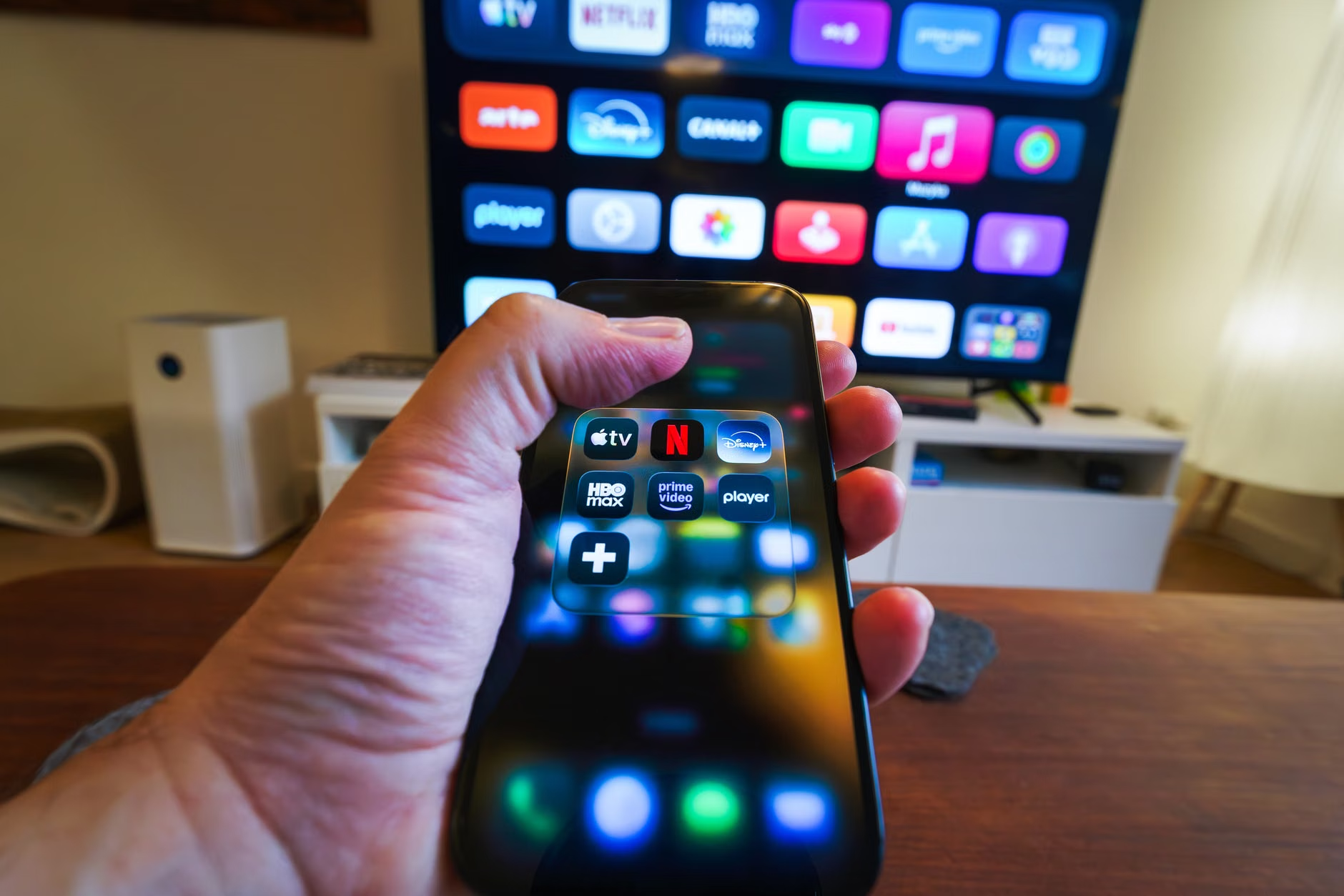
Once you have this list, categorize them into three buckets: Essential (Utilities, Insurance), Value-Added (Streaming you use weekly, educational tools for kids), and Zombie Subscriptions (Services you don’t remember using).
The “Zombie Subscription” Decision Matrix
Once you have identified the “Zombie” pile, you need a framework to decide what to cut. It is easy to say “I’ll use it later,” but the data shows that “later” rarely comes. Use this table to evaluate your subscriptions:
| Service Type | Decision Criteria | Action |
|---|---|---|
| Streaming Services | Do you watch it at least once a week? | Cancel if no; rotate if yes. |
| Software/Apps | Is there a free alternative for your needs? | Downgrade to free tier. |
| Niche Hobbies | Have you used it in the last 3 months? | Cancel; resubscribe only when active. |
| Cloud Storage | Are you paying for space you aren’t using? | Downsize to the lowest paid tier. |
The logic here is simple: The cost of re-subscribing is usually less than the cost of three months of inactivity. If you cancel a service and find you truly miss it, the effort to sign back up takes less than two minutes. If you don’t miss it, you have just given yourself a raise.
Why “Rotational Subscription” is the Smartest Strategy
One of the biggest misconceptions is that you need to be subscribed to all your content platforms simultaneously. This is a relic of the “cable TV” mindset. In the modern era, you should treat your streaming services like a library.
The Strategy: Pick one “anchor” service that you use daily. For everything else, use a rotational schedule. Keep one secondary streaming service active for two months, finish the shows you want to watch, then cancel it and switch to another service for the next two months. This prevents “subscription bloat” where you pay for four services but only have time to watch one.

For families, this is particularly effective with gaming platforms or niche educational apps. If your child is obsessed with a specific platform for a month, let them have it. When the interest wanes, cancel the subscription. You are teaching your children, and yourself, that digital services are tools to be used, not background noise that drains your bank account.
The Hidden Costs of “Free” Trials
We have all done it: signed up for a 7-day free trial to watch one movie or use one specific feature. The trap is the “auto-renew” toggle. Companies rely on the fact that you will forget to cancel before the trial ends.
The Prevention Rule: Whenever you sign up for a trial, put a reminder in your calendar for 48 hours before the trial ends. If you don’t do this, you are essentially gambling with your money. If you find yourself signing up for trials and forgetting, create a dedicated “burner” email address for these sign-ups, or use a virtual credit card service that allows you to set a single-use limit or a “burn date” for a specific merchant.
Evaluating Household “Overlap”
Often, couples in their 30s and 40s are paying for duplicate services because they haven’t synchronized their digital lives. Perhaps you both have a music streaming subscription, or you are both paying for the same cloud storage plan under different accounts.

The Audit Step: Sit down with your partner and compare your recurring expenses. Are there opportunities to switch to a “Family Plan”? Family plans are almost always cheaper than two individual subscriptions. If you are paying for two individual subscriptions to the same service, you are essentially paying a “singles tax” on your own household.
Beyond the Money: The Psychological Benefit
There is a psychological weight to having dozens of “open loops” in your life. Every subscription is a tiny, open loop. When you audit your household and realize you are paying for things you don’t value, you aren’t just saving money—you are reclaiming your attention. You are intentionally choosing what you want to invite into your home and your life.
This process of “digital pruning” is similar to cleaning out a closet. You don’t need to get rid of everything, but you do need to make sure that the things you keep are actually serving you. If a service doesn’t provide joy, utility, or significant time-saving, it is taking up space in your budget that could be better spent on your children, your savings, or experiences that actually matter.
The “Set and Forget” Mistake
The biggest mistake most people make is believing that “set and forget” is a sign of financial maturity. In the world of subscriptions, it is a sign of financial negligence. Prices change. Terms of service change. Your needs change. A subscription that was a great value at $9.99 three years ago might be a poor value at $14.99 today.
Make it a rule to review your recurring expenses every six months. Add it to your calendar as a “Financial Health Check.” It should take no more than 30 minutes if you have your bank statements ready. If you find that you haven’t used a service in the last six months, it is time to let it go. It will be there if you need it again in the future.
Prioritizing Your Spending
If you find that your subscription budget is still too high, use the “Value per Hour” metric. If you pay $15 a month for a streaming service and you watch it for 10 hours, you are paying $1.50 per hour of entertainment. If you watch it for one hour, you are paying $15 per hour. Compare this to the cost of a movie ticket or a book. This metric helps you understand if you are actually getting value or just paying for the comfort of having options.
Sometimes, we keep subscriptions because we are afraid of missing out (FOMO). But the reality is that the content will still be there. In fact, by waiting, you often get a better experience—you can binge-watch a series once the whole season is out, or you can find a better discount on a software suite. Don’t let the “fear of missing out” dictate your monthly budget.
Implementing the “One-In, One-Out” Policy
To keep your subscription fatigue from returning, adopt a “One-In, One-Out” policy for your household. If you want to add a new subscription service, you must cancel an existing one. This forces you to evaluate the value of the new service against the value of the old one. It keeps your total number of subscriptions stable and prevents the slow creep of recurring costs that lead to financial stress.
This policy also encourages you to be more selective. When you know that adding a service means losing another, you are much more likely to research the value and necessity of that new service before hitting the “Subscribe” button.
Final Thoughts on Financial Stewardship
Reclaiming your budget from the subscription economy is an act of intentional living. It is about deciding that your hard-earned money should go toward things that bring you and your family genuine value, rather than leaking away into the coffers of companies that rely on your inertia. Start with your bank statement, be ruthless with your “Zombie” subscriptions, and embrace the power of rotating your services.
You have the power to control your spending, and it starts with the next 30 minutes of your time. Don’t wait for your next bank statement to arrive—log in today and start the audit. You’ll be surprised at how much “dead weight” you are carrying.
For more information on managing household budgets and tracking recurring expenses, you can refer to resources from the Consumer Financial Protection Bureau (CFPB) or similar local consumer advocacy groups that provide templates for tracking monthly outflows.
Frequently Asked Questions
1. How can I find all my subscriptions if I’ve used multiple payment methods?
The most reliable method is to check the transaction history of every credit card, debit card, and digital wallet (like PayPal or Apple Pay) linked to your accounts. Look specifically for recurring merchant IDs. If you use a budgeting app, it will often automatically categorize these for you, but manually reviewing the last 90 days of statements is the most accurate way to ensure nothing is missed.
2. Is there a way to prevent auto-renewals without cancelling immediately?
Most reputable services allow you to “cancel” the subscription while keeping access until the end of the current billing cycle. This is the best way to handle a service you are unsure about. By doing this, you prevent the next charge from hitting your account while still having the benefit of the service for the time you have already paid for.
3. Should I use a dedicated credit card for all my subscriptions?
Yes, this is an excellent strategy for visibility. Using one specific card for all recurring subscriptions makes it incredibly easy to audit your spending at a glance. If you see a charge on that card, you know exactly what it is. It also provides a single point of failure; if you decide to cut all subscriptions, you can simply cancel or replace that one card, immediately stopping all recurring payments.