You can stop spending hundreds of dollars on power tools you only use once a year by tapping into the growing global network of community tool libraries. By shifting from a culture of ownership to one of access, you not only reclaim precious storage space in your home but also keep high-quality, professional-grade equipment in circulation rather than letting it gather dust in your garage.
- Significant Cost Savings: Borrowing tools can save the average household $500–$1,500 annually on equipment that would otherwise sit idle 99% of the time.
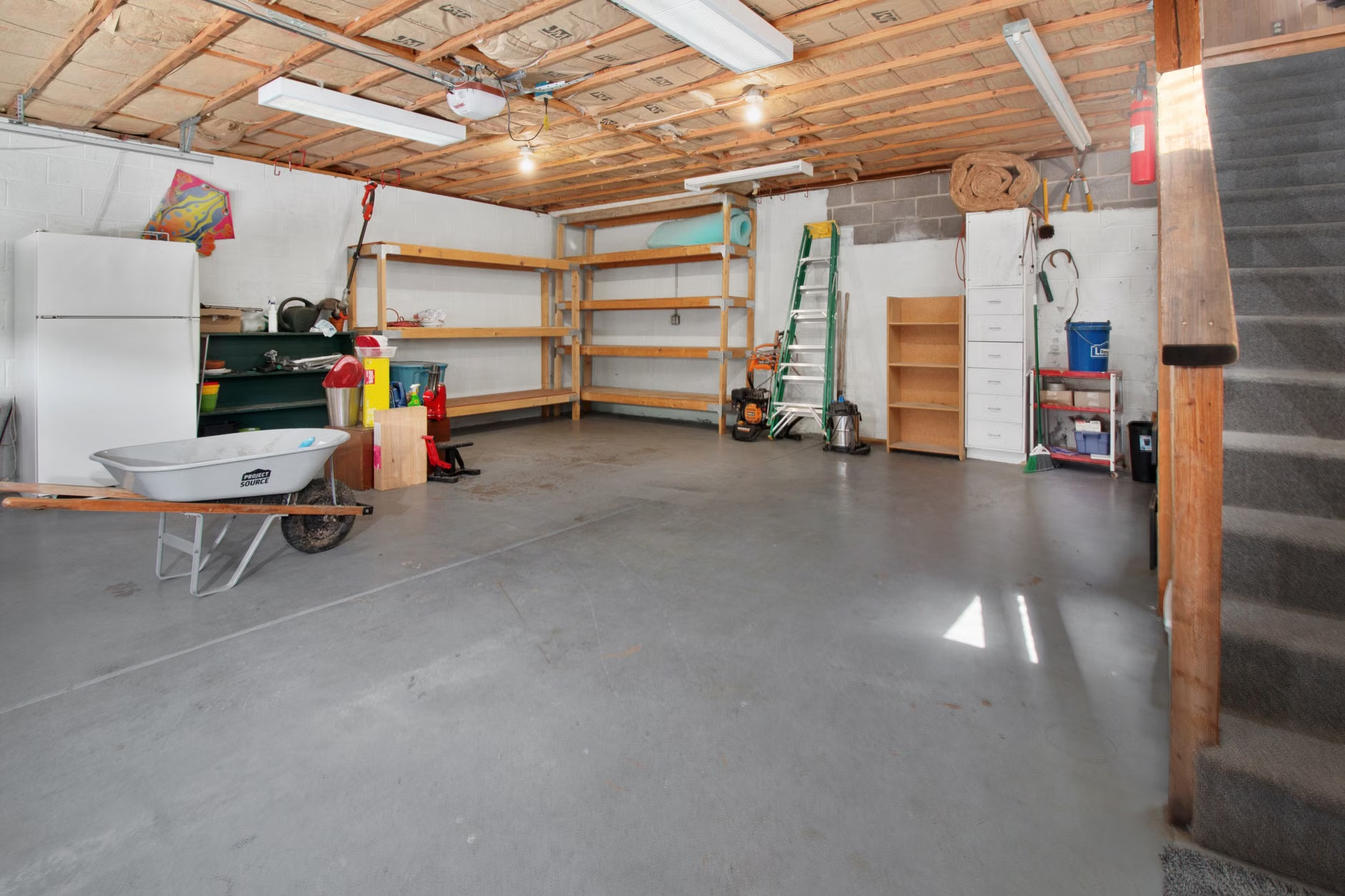
- Reduced Clutter: Tool libraries eliminate the need for dedicated storage space for bulky items like pressure washers, tile saws, or heavy-duty ladders.
- Expert Guidance: Most community libraries offer workshops and peer-to-peer advice, helping you learn how to use tools safely before you start your project.
The Hidden Cost of the ‘DIY’ Mindset
If you are in your 30s or 40s, you are likely at a stage where you are managing a household, handling DIY repairs, or perhaps trying to tackle that one gardening project you’ve been putting off for months. The standard advice is to “just buy the tool you need,” but we rarely calculate the total cost of ownership. Beyond the initial purchase price, there is the “hidden” cost: storage space, maintenance, and the inevitable depreciation of equipment that sits in a dark corner of the garage for three years.
Consider the humble power drill or the occasional need for a carpet cleaner. These are items that, for most of us, are used perhaps twice a year. When you add up the purchase price, the cost of the shelf space they occupy in a high-rent urban environment, and the time spent maintaining them, the “cost per use” becomes astronomically high. This is where the community tool library movement steps in as a practical, economic, and sustainable solution.

What Exactly is a Community Tool Library?
A community tool library functions exactly like a public library for books, but for hardware, gardening equipment, and home improvement tools. These organizations are typically non-profits or community-led initiatives that collect donated tools, maintain them, and lend them out to members for a small annual fee or sometimes even for free.
The model is built on the concept of the “sharing economy.” Instead of 50 neighbors each owning a lawn aerator, one library owns two, and 50 people share them. This drastically increases the utilization rate of each item. For you, the user, this means access to high-quality, professional-grade equipment that you might not be able to justify buying for a one-off weekend project.
The Economics of Borrowing vs. Buying
To understand why this is a smart financial move, let’s look at a hypothetical scenario involving a typical home improvement project: installing a new backsplash in your kitchen.
| Item | Buy Price (New) | Borrowing Cost | Annual Savings |
|---|---|---|---|
| Tile Saw | $250 | $10 (Annual Fee) | $240 |
| Angle Grinder | $120 | $0 (Included) | $120 |
| Level/Measuring Tools | $80 | $0 (Included) | $80 |
| Total | $450 | $10 | $440 |
In this scenario, you save $440 on a single weekend project. Even if you only do one project per year, the “return on investment” for your library membership is massive. The primary benefit is not just the cash savings; it is the fact that you aren’t stuck with a bulky tile saw that you have to store in your laundry room for the next decade.
How to Find and Join a Local Library
Finding a tool library is easier than it was a decade ago, but it still requires a bit of detective work. Because these are often hyper-local, they don’t always show up on major retail search results. Start your search by looking at platforms like Local Tools or the Library of Things network.
When you find a library near you, the onboarding process is usually straightforward:
- Membership Verification: Most libraries require proof of residency to ensure the items stay within the community.
- Safety Waiver: You will likely sign a liability waiver, confirming you understand basic safety protocols for the tools you are borrowing.
- Orientation: Many libraries require a quick, 15-minute walkthrough for first-timers to show you how they catalog their inventory and how to check items in and out.
Pro-Tip: Before you commit to a membership, check their online inventory. Many libraries have a searchable database. If you see that they have the specific high-end tools you need for your upcoming projects, that is your green light to sign up.
Overcoming the ‘Ownership Bias’
One of the biggest hurdles people in their 30s and 40s face is the “ownership bias”—the feeling that if you don’t own the tool, you aren’t “ready” for the project. We are culturally conditioned to believe that a well-stocked garage is a sign of a capable homeowner. However, true capability is knowing how to get the job done efficiently and sustainably.
Consider the trade-off: Would you rather have a shelf full of cheap, consumer-grade tools that might break when you need them most, or access to professional-grade equipment that is serviced by a professional librarian? The latter is almost always the better choice for the quality of your project and the safety of your work.
Furthermore, borrowing encourages you to tackle projects you might have otherwise outsourced to expensive contractors. When the barrier to entry (the cost of the tool) is removed, you can learn new skills, like basic plumbing, electrical work, or furniture restoration, with very little financial risk.
The Social and Environmental Impact
Beyond your personal wallet, participating in a tool library is a tangible way to reduce your household’s carbon footprint. Manufacturing a single power tool requires a significant amount of raw materials and energy. By extending the life of these tools through shared use, you are essentially “buying back” the environmental cost of production.
Additionally, these libraries often become community hubs. You aren’t just borrowing a drill; you are talking to the person at the desk who might be a retired contractor or a fellow DIY enthusiast. This creates a social network of skills and knowledge that is invaluable. You might go in for a sander and come out with the advice that saves you three hours of labor on your deck project.
Common Mistakes to Avoid
- Ignoring the Return Policy: Most libraries have strict late fees. Because others are waiting for that specific tool, returning it on time is a matter of community etiquette.
- Not Checking for Damage: Always inspect the tool before you leave the library. If you notice a frayed cord or a dull blade, point it out to the staff immediately so you aren’t held responsible for pre-existing damage.
- Over-borrowing: It is easy to get excited and borrow everything you *think* you might need. Stick to the tools you need for the phase of the project you are actually working on.
Making the Most of Your Membership
Once you are a member, treat the library as an extension of your own home. If you have tools that you rarely use, consider donating them to the library. This helps build the collection and ensures that others in your community can benefit from the same system. It’s a virtuous cycle: you donate what you don’t need, and you borrow what you do need.
If you find that your local community lacks a tool library, consider starting one. It can be as simple as a tool-sharing group on a neighborhood app or a more formal setup in a community center. Many successful libraries started with just a few neighbors agreeing to pool their resources.
Remember that the goal is not to eliminate ownership entirely, but to be intentional about it. Keep the tools you use daily (a basic screwdriver set, a tape measure, a utility knife) and borrow the specialized, expensive, or bulky items that only see the light of day once or twice a year. This balance is the key to a clutter-free, financially sustainable, and highly capable household.
Frequently Asked Questions
What if I break a tool while using it?
Most tool libraries understand that tools have a lifespan and can break during normal use. Policies vary, but usually, if a tool breaks due to standard wear and tear, you won’t be charged for a replacement. However, if the tool was damaged due to negligence or misuse, you may be responsible for the repair or replacement cost. Always ask for a quick demonstration if you are unsure how a tool operates.
Are the tools at these libraries reliable?
In most cases, yes. Unlike buying a cheap tool from a big-box store, community libraries often stock professional-grade equipment that is built to last. Furthermore, many libraries have a dedicated volunteer or staff member who maintains and services the tools regularly. They are often kept in better condition than the tools in a typical home garage.
Can I borrow tools for long-term projects?
Most libraries have a standard loan period, typically ranging from three days to a week. If you have a long-term project, you can often renew the loan online or over the phone, provided no one else is on the waiting list for that specific item. It is always best to communicate with the library staff if you anticipate needing an item for an extended period.
Final Thoughts
The shift toward community tool libraries is not just a trend; it is a practical response to the rising costs of living and the increasing need for sustainable consumption. By borrowing instead of buying, you gain access to better equipment, save significant amounts of money, and free up space in your home. Start by researching the libraries in your area, and don’t be afraid to reach out to them to see how you can get involved. Your garage—and your bank account—will thank you.
For more information on the global movement of libraries of things and tool libraries, you can visit the Local Tools project or check your local municipal website to see if there are community-run programs in your city.