Traveling with children is significantly easier when you stop treating your luggage like a portable storage unit and start treating it like a tactical kit. The secret to “luggage-free” family travel isn’t about magical shrinking powers; it is about adopting a strict, system-based approach to what you bring, how you pack it, and how you leverage local resources at your destination.
- The 7-Day Rule: Regardless of trip length, pack for exactly seven days. Use local laundry services or Airbnb amenities to refresh your capsule wardrobe, which eliminates the need for oversized check-in bags.
- The “Buy-on-Arrival” Strategy: Consumables like diapers, wipes, and excessive toiletries should never be packed. Budget for these as a local expense to save 30% of your total luggage volume.
- Tiered Packing Systems: Use compression packing cubes to categorize items by family member, not by clothing type, ensuring that you can access specific needs without dumping an entire bag on a hotel floor.
The Psychology of Overpacking and How to Break the Cycle
Most parents overpack because of a “just-in-case” mentality. We fear the spilled juice, the unexpected rainstorm, or the sudden formal dinner. While these are valid concerns, they are statistically rare enough that they shouldn’t dictate 100% of your packing volume. The stress of managing three large suitcases, a stroller, and two tired children in a crowded terminal far outweighs the minor inconvenience of having to wash a shirt or buy a cheap umbrella at your destination.
To shift your mindset, you must treat your family’s packing list as a budget. If you have a total volume allowance of 40 liters per person (the standard for a high-quality carry-on), every item must earn its place. If an item is only used for one specific, unlikely event, it is cut. This isn’t about deprivation; it is about mobility. When you are mobile, you are faster, less stressed, and more likely to actually enjoy the travel experience rather than just surviving the transit.
The Capsule Wardrobe System for Families
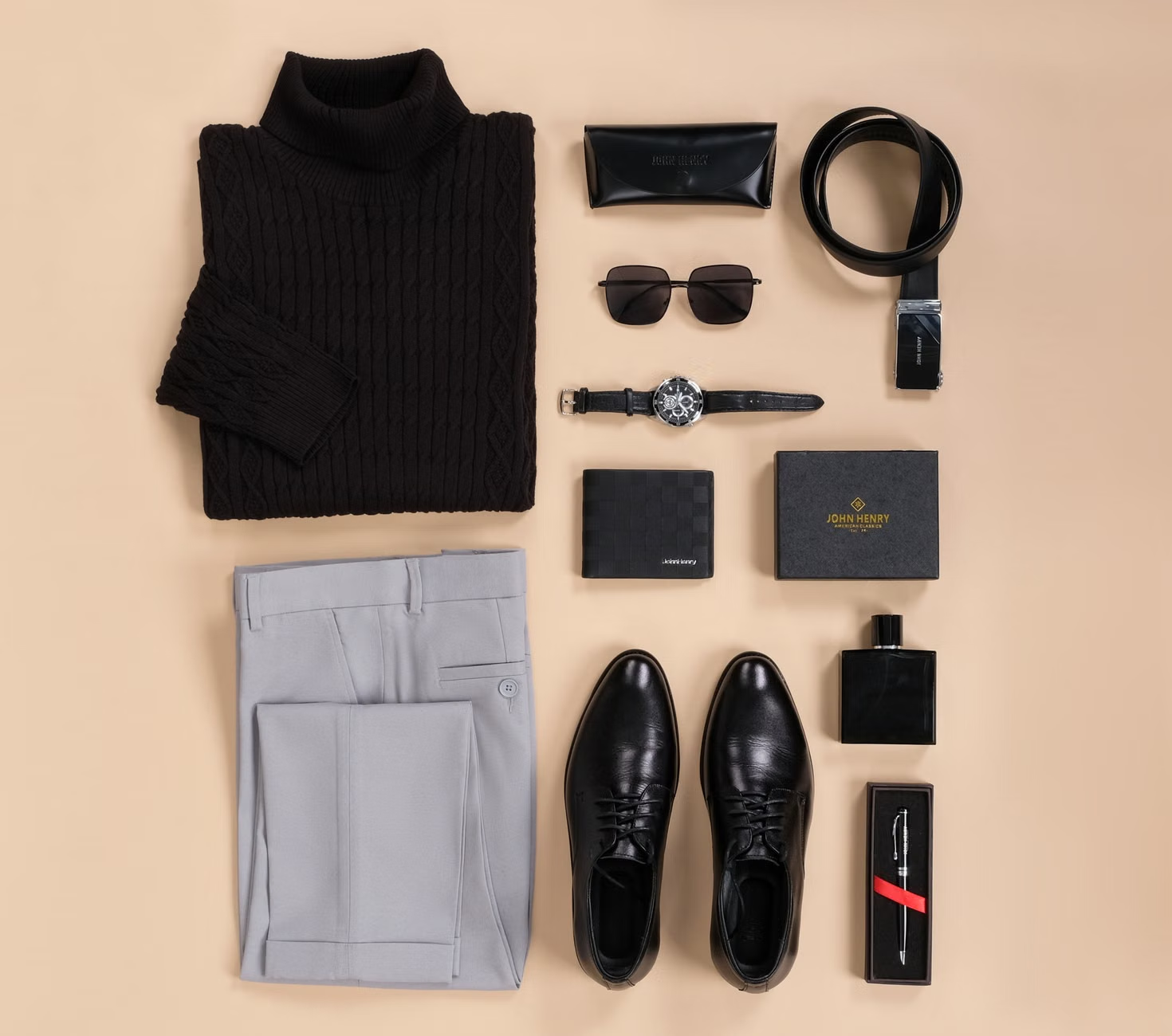
The biggest hurdle to carry-on travel is clothing volume. The solution is a “capsule wardrobe.” This is a curated collection of versatile, high-quality pieces that can be mixed and matched to create multiple outfits. For a family, this means sticking to a strict color palette—navy, grey, white, or black—so that every top goes with every bottom. This allows you to cut your total clothing volume by nearly 50%.
When selecting fabrics, prioritize merino wool or synthetic technical blends. These materials are naturally odor-resistant and moisture-wicking, meaning they don’t need to be washed as frequently as cotton. If you are traveling for two weeks, you are not packing for two weeks. You are packing for one week and planning to wash clothes once, either in a hotel sink with travel detergent or at a local laundromat. This single change in behavior is the most effective way to shrink your luggage footprint.
Building the Perfect Family Packing List
To stay within carry-on limits, you must standardize your gear. Here is a baseline recommendation for a one-week rotation for a parent and child:
| Item Category | Quantity (Per Person) | Reasoning |
|---|---|---|
| Base Layers | 7 sets | Underwear and socks are non-negotiable. |
| Tops | 5 items | Mix of short/long sleeves for layering. |
| Bottoms | 2 items | Wear one, pack one. |
| Outerwear | 1 item | Always wear your heaviest layer on the plane. |
The “wear-on-the-plane” rule is the secret weapon of the luggage-free traveler. Your heaviest jacket, your bulkiest boots, and your thickest sweater should be on your body, not in your bag. This saves valuable liters of space and keeps you warm in the often-chilly cabin environment.
Mastering the Logistics of Packing Cubes and Compression
Packing cubes are not just for organization; they are for volume reduction. When you place clothes into a cube and compress them, you are effectively removing the air between fabric fibers. For a family, the best method is to use color-coded cubes for each family member. This prevents the “digging” effect where you empty an entire suitcase just to find a specific pair of socks.
However, avoid the mistake of over-stuffing. If a cube is bursting, it will not fit into the corners of your carry-on bag, leaving wasted space. Aim for a firm, rectangular shape that fills the interior volume of your luggage like a Tetris block. If you have soft items like underwear or pajamas, these can be used as “filler” in the gaps between your larger cubes.
Consider the trade-off between hard-shell and soft-shell luggage. Hard-shell suitcases are durable and protect electronics, but they have no “give.” If you are a parent who occasionally picks up souvenirs, a high-quality soft-shell bag with an expansion zipper might offer more utility. If you are strictly adhering to carry-on limits, verify the airline’s size requirements, as they vary globally (e.g., US domestic carriers often allow larger bags than some European low-cost carriers).
The “Buy-on-Arrival” Rule: Reducing Consumable Weight
The most common rookie mistake is packing full-sized toiletries or a week’s supply of diapers. Unless you are traveling to a remote wilderness location, you can buy these things anywhere. A pack of diapers takes up nearly a third of a standard carry-on bag. By purchasing these at your destination, you free up massive amounts of space for things you actually need.
Check the amenities of your accommodation before you leave. Most modern hotels, serviced apartments, and even well-rated Airbnbs provide shampoo, body wash, and hair dryers. If you are staying at a place that doesn’t provide these, buy them at a local drugstore upon arrival. You can often find travel-sized versions or donate the remainder to the hotel staff or a local charity before you fly home.
This rule also applies to snacks. Pack enough for the flight, but don’t pack for the entire trip. Part of the joy of traveling is visiting local grocery stores. It’s an educational experience for children and a practical way to manage your luggage load. By treating your destination as a place that has infrastructure rather than a place you need to be self-sufficient in, you immediately reduce your packing burden.
Managing Electronics and “Just-in-Case” Items
In the digital age, electronics are the heaviest part of our luggage. Tablets, laptops, chargers, and power banks add up quickly. The key here is consolidation. Do you really need a separate charger for every device? Invest in a single, high-wattage GaN (Gallium Nitride) wall charger with multiple USB-C ports. These are small, lightweight, and can charge your laptop, phone, and tablet simultaneously.
When it comes to “just-in-case” items—like a first-aid kit or a sewing kit—keep them minimal. A small, Ziploc-sized pouch with a few adhesive bandages, some pain relievers, and basic antiseptic is sufficient. You do not need a full pharmacy. If you have a chronic medical condition, carry only what you need for the duration plus two days as a buffer, and keep your prescriptions in their original packaging to avoid customs issues.
What about toys for the kids? Limit each child to one “comfort item” (a small stuffed animal) and one “activity item” (a tablet or a book). If they want more, they can choose what to leave behind to make room. This teaches children the value of decision-making and responsibility for their own belongings, which is a valuable lesson for future travel.

Common Pitfalls and How to Avoid Them
Even with the best systems, things can go wrong. Here are the most common mistakes I’ve observed and how to mitigate them:
- Ignoring Airline Specifics: Always check the weight limit of your carry-on, not just the dimensions. Some airlines, particularly in Asia and South America, enforce strict weight limits (often 7kg or 15 lbs). If you are heavy, look into “personal item” bags that can be worn as a backpack to distribute weight.
- The “Souvenir Trap”: If you plan to buy things, you must either pack a collapsible duffel bag inside your carry-on to check on the way home, or prepare to ship items back. Don’t assume you can just “squeeze” things into your existing bag.
- Forgetting the “Go-Bag”: Always have a small, easily accessible bag that contains your passports, boarding passes, medication, and chargers. If you are forced to gate-check your carry-on, you should be able to pull this bag out in seconds.
Another overlooked variable is the weather. People often pack for the worst-case scenario. If the forecast says 20°C (68°F), don’t pack for a blizzard. If it gets cold, layer. A light windbreaker over a sweater is much more versatile than a heavy parka. Use a reliable weather app for the specific region you are visiting, but check it 48 hours before departure, as forecasts are more accurate in that window.
The Financial and Tactical Advantage
Luggage-free travel is not just about convenience; it is a financial strategy. Many budget airlines charge significant fees for checked bags—sometimes upwards of $50-$100 per bag, per flight. For a family of four, that is $400 in savings per round trip. That is a significant portion of your travel budget that could be better spent on experiences, better dining, or a more comfortable place to stay.
Furthermore, mobility is a form of currency. When you don’t have to wait at the baggage carousel, you are often the first ones out of the airport, beating the crowds to the taxi stand or the train station. This reduces the time spent in transit, which is always the most stressful part of the trip for parents. You are effectively buying back your vacation time.
Final Recommendations for Your Next Trip
If you are new to this, start small. Try a “carry-on only” trip for a weekend getaway before attempting it for a longer international vacation. Use the first trip as a test run to see what you actually used versus what you packed. You will likely find that you brought items you never touched. That is your data for the next trip.
Remember, the goal is not to be a minimalist for the sake of it; the goal is to be a traveler who is unencumbered. When you are not focused on your bags, you are focused on your family. You are more present, more flexible, and more capable of handling the unexpected. That, ultimately, is the real luxury of luggage-free travel.
For more information on airline-specific carry-on policies, I recommend checking the IATA Cabin Safety guidelines, which provide a global overview of safety and size standards. Always double-check your specific airline’s website 24 hours before your flight as policies can change.
Frequently Asked Questions
1. What should I do if my carry-on is too heavy for the airline’s limit?
If you are close to the limit, wear your heaviest items—boots, heavy jackets, and even multiple layers of clothing—to the boarding gate. If your bag is still too heavy, consider transferring your heaviest electronics or books to a personal item (a backpack or tote) which often has more lenient weight restrictions than the primary carry-on.
2. How do I handle dirty laundry on a long trip?
Treat laundry as a scheduled activity. Look for accommodations with in-unit washers or proximity to local laundromats. If neither is available, bring a small packet of travel-sized detergent and wash your clothes in the sink. The key is to wash small batches frequently rather than letting it pile up into a massive, unmanageable task.
3. Is it really possible to travel with only carry-ons for a family of four?
Yes, but it requires everyone to cooperate. Every family member should be responsible for their own “personal item” backpack, which contains their own entertainment and comfort items. By distributing the load and strictly adhering to the “no consumable” rule, you can easily fit all essential clothing and gear into four carry-on suitcases.