- Access is Mandatory: New legislation in the EU, US, and beyond is forcing manufacturers to provide repair manuals and spare parts to consumers, not just authorized service centers.
- Design for Longevity: Look for products with “modular” designs, as these are increasingly becoming the standard for appliances that are legally required to be repairable.
- Cost-Benefit Reality: While parts are cheaper, your time is a factor; always check the “repairability score” of an appliance before purchasing to ensure you aren’t buying a future paperweight.
You’ve been there: the washing machine makes a rhythmic, ominous thud, or the dishwasher stops mid-cycle with a cryptic error code. Your first instinct is to call a repair technician, only to find out that the service fee plus the cost of a “proprietary” part exceeds the price of a brand-new machine. For a family in their 30s or 40s balancing a dozen responsibilities, this isn’t just an inconvenience—it’s a financial and environmental headache. But the tide is finally turning. The “Right-to-Repair” movement has moved from niche hobbyist forums into the halls of government, fundamentally changing how we interact with our home appliances.
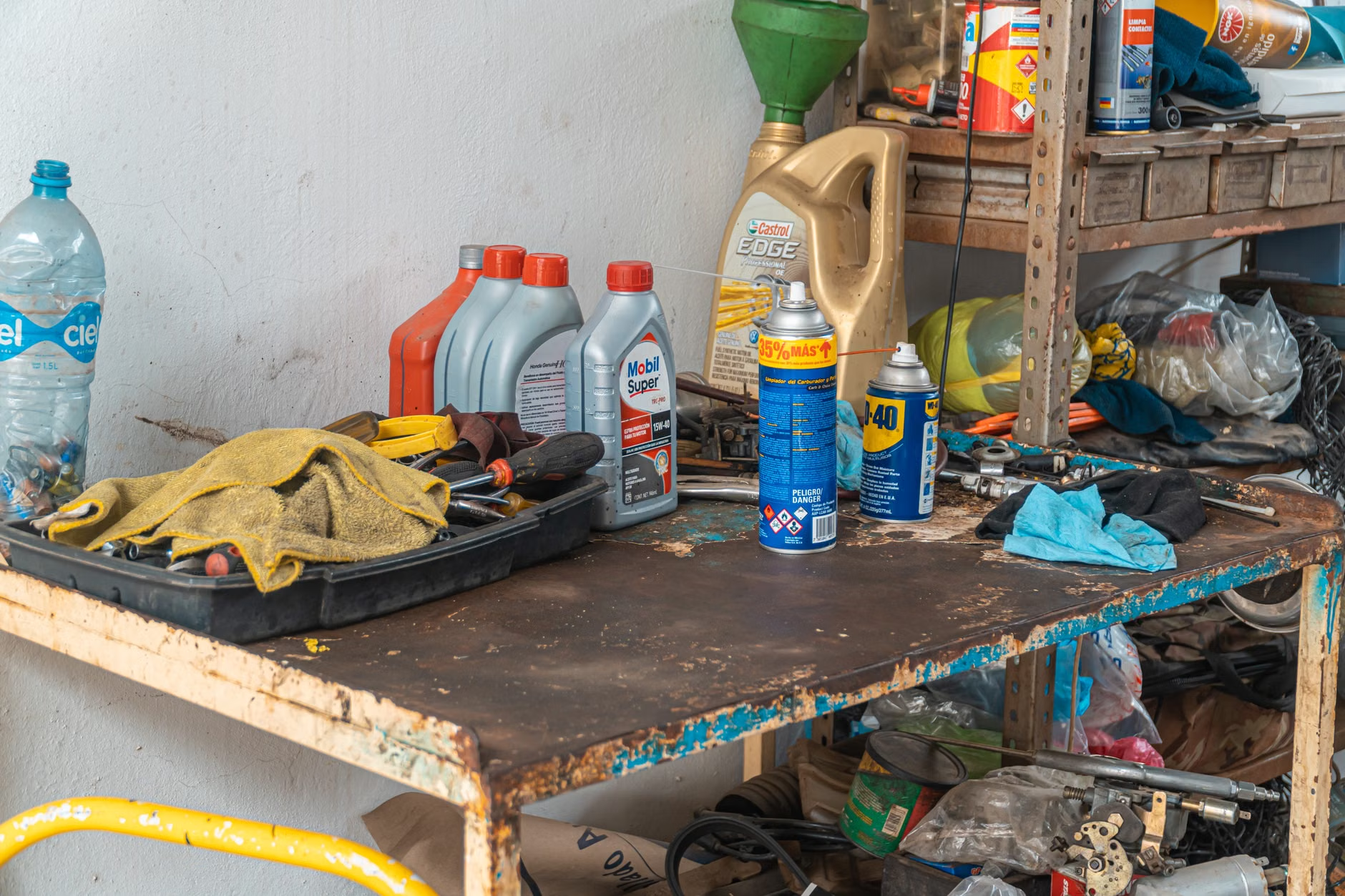
What the Right-to-Repair Actually Means for Your Household
At its core, the Right-to-Repair is a legislative push to break the monopoly manufacturers have held over the maintenance of their products. For decades, companies used “planned obsolescence”—designing products to be difficult to open, impossible to service without specialized tools, or locking away the software needed to calibrate new parts. The new laws—already gaining steam in the European Union under the “Ecodesign” regulations and various US states like New York and California—mandate that manufacturers make repair information, diagnostics, and spare parts available to the public for a reasonable period, often up to 7 or 10 years after production.
For your home budget, this is a game-changer. Previously, if your refrigerator’s control board died, you were often told the part was “discontinued” or that you had to use an authorized technician who charged double the market rate for the component. Now, the law is pushing for standardized parts. It means you can potentially order the exact part you need, consult an official manual, and perform a fix that saves you hundreds of dollars. It’s the difference between a $600 replacement and a $50 repair.
Why Manufacturers Fought Back (And Why You Should Care)
Manufacturers often argue that “safety” and “intellectual property” are the reasons they prevent users from opening their machines. While electricity and high-pressure water systems do carry risks, the industry’s resistance has largely been about protecting the “service ecosystem”—the profit margins earned through proprietary repairs and the pressure to buy new models. When a company makes a machine that is impossible to open without stripping proprietary screws, they aren’t protecting you; they are ensuring that the moment a $10 relay switch fails, you are forced to replace a $1,000 appliance.
For parents in their 30s and 40s, this matters because we are the primary consumers of high-turnover appliances. We need reliability. When an appliance is designed to be repaired, it is almost always designed to be built better. A modular machine is inherently more robust than a glued-together one. By supporting the Right-to-Repair, we are shifting the market toward appliances that prioritize longevity over short-term sales cycles. This is not just about saving money; it is about reducing the massive amount of e-waste that clogs landfills every year.

The Practical Reality: How to Identify Repairable Appliances
Not all appliances are created equal. Even with new laws, some manufacturers are more compliant than others. When you are shopping for a new dishwasher, dryer, or refrigerator, you need to look for specific indicators of repairability. The most important tool at your disposal is the “Repairability Index.” Originating in France and spreading across Europe, this label provides a score out of 10 based on how easy a product is to disassemble, the availability of manuals, and the price of spare parts.
If you are shopping in a region without a formal index, use these three criteria to evaluate your next purchase:
| Criteria | What to Look For | Why It Matters |
|---|---|---|
| Manual Access | Is the service manual available online for free? | If you can’t see the diagrams, you can’t fix the machine. |
| Fastener Type | Are they standard screws (Phillips/Torx) or proprietary? | Proprietary screws are a red flag for “no-go” zones. |
| Part Availability | Can you find the part on a third-party site? | If only the manufacturer sells it, they control the price. |
When you see a machine that uses “snap-fit” plastic tabs instead of screws, be cautious. These are designed for rapid factory assembly, not for human maintenance. Once those plastic tabs are pried open, they rarely snap back together with the same structural integrity. Always favor appliances that use visible, standard hardware.
Step-by-Step: Managing a Household Repair
So, you’ve decided to tackle a repair. Before you start, remember that confidence is good, but caution is essential. Here is the framework for approaching any home repair in the age of Right-to-Repair:
- Diagnose Before You Buy: Never buy a part based on a guess. Use the manufacturer’s diagnostic mode (often triggered by a specific button combination) to read the error code. Search the model number plus the error code online.
- Verify the Part Number: Manufacturers sometimes change parts mid-production. Always use the “Service Tag” or “Serial Number” found on the sticker inside the door or at the back of the machine.
- Document the Disassembly: As you remove screws, place them in a muffin tin or on a magnetic tray. Take photos of every step. If you get stuck, those photos will be your roadmap for reassembly.
- Check for Safety Hazards: If the appliance involves high-voltage capacitors (like a microwave) or pressurized lines, know your limits. There is no shame in calling a professional for a task that poses a genuine risk of fire or injury.
A common mistake is assuming that “Right-to-Repair” means “Easy-to-Repair.” Even with accessible parts, some modern smart appliances are so deeply integrated with software that you might need a proprietary software key to “marry” a new part to the main board. Always verify if a part is “plug-and-play” before you invest in it.

The Hidden Costs and Trade-offs
It’s important to address a common misconception: that repairing is always cheaper. If you spend four hours of your Saturday—time you could have spent with your kids—trying to fix a dishwasher, and the repair fails, you have lost both the time and the cost of the part. For a busy parent, the “opportunity cost” is real. There is a “sweet spot” for repairs: focus on high-value items like refrigerators, washing machines, and ovens. Avoid spending hours on low-cost items like cheap blenders or kettles, where the cost of the part plus shipping often exceeds the price of a new unit.
Also, consider the “Software Lockout.” Many modern appliances are now “smart.” If you replace the main control board, you might need an authorized technician to perform a software reset using a manufacturer-specific laptop tool. This is a current battleground in the Right-to-Repair movement. When buying, check if the appliance has a “standalone” mode that doesn’t require constant cloud connectivity or proprietary server authentication to function. A “dumb” machine is often more reliable and easier to fix than a “smart” one.
Beyond Appliances: The Broader Impact
The success of these laws in the appliance sector is paving the way for the automotive and tech industries. When we normalize the idea that we own our machines—and therefore have the right to modify or repair them—we change the power dynamic between consumer and corporation. It’s a shift toward a “circular economy” where products are designed to be upgraded or refurbished rather than replaced. For the next generation, this will be the standard. Teaching your children that a broken toy or a malfunctioning appliance is a puzzle to be solved rather than trash to be discarded is a valuable life lesson in sustainability and critical thinking.
Ultimately, the Right-to-Repair is about agency. It’s about not being held hostage by a company that wants you to buy a new machine every three years. It’s about the satisfaction of understanding how your home works and the pride of maintaining it yourself. While the transition is slow, and the industry is still finding ways to push back through software locks, the landscape is clearly shifting in your favor. Start small, read the manuals, and don’t be afraid to open that back panel.
Frequently Asked Questions
Does repairing my appliance myself void the warranty?
In many jurisdictions, including the US (under the Magnuson-Moss Warranty Act) and the EU, simply opening your device or performing a basic repair does not automatically void your warranty unless the manufacturer can prove that your repair caused the specific damage. However, always check your specific warranty terms. If the appliance is still under the initial warranty, it is often safer to contact the manufacturer first, as they may cover the repair for free.
Where can I find reliable repair manuals if the manufacturer doesn’t provide them?
While manufacturers are increasingly providing these, independent platforms like iFixit have become the gold standard for crowdsourced repair guides. Additionally, forums like Reddit’s r/ApplianceRepair can be invaluable for troubleshooting specific error codes that aren’t clearly explained in official manuals.
Are “smart” appliances harder to repair than older, manual ones?
Generally, yes. Smart appliances often rely on complex control boards and require software calibration that can only be performed by authorized tools. If you want an appliance that is easy to repair, look for “mechanical” interfaces—dials, physical buttons, and simple displays—rather than touchscreens and Wi-Fi-connected systems, which are more prone to software-related failures that are difficult for the average consumer to fix.
For more information on the specific regulations in your region, visit the European Commission’s guide on Ecodesign or the FTC’s Right to Repair enforcement policy page.